How to Winterize a Lake House: A Complete Step-by-Step Guide
Winterizing a lake house means preparing it properly to survive cold temperatures, freezing conditions, and potentially harsh winter weather without damage. This process includes protecting plumbing from freezing, securing windows and doors, and ensuring heating systems operate safely and efficiently while the house is unoccupied or minimally used. Knowing how to winterize a lake house is essential for avoiding expensive repairs caused by burst pipes, water damage, or structural issues.
Lake houses are especially vulnerable in winter because they often remain vacant for long stretches and are exposed to humidity and temperature swings near the water. Without proper preparation, frozen pipes, mold growth, or deteriorated infrastructure can cause considerable problems. Winterizing not only saves money but also provides peace of mind, so you can enjoy your getaway season without worries.
This article covers every stage of winter preparation for a lake house: draining water systems, protecting the roof and exterior, managing heating and power, and specific maintenance tasks tailored for waterfront properties. Whether you’re new to lake house care or need a refresher, these actionable steps will help you keep your home safe until warm weather returns.
Preparing Your Lake House’s Plumbing System
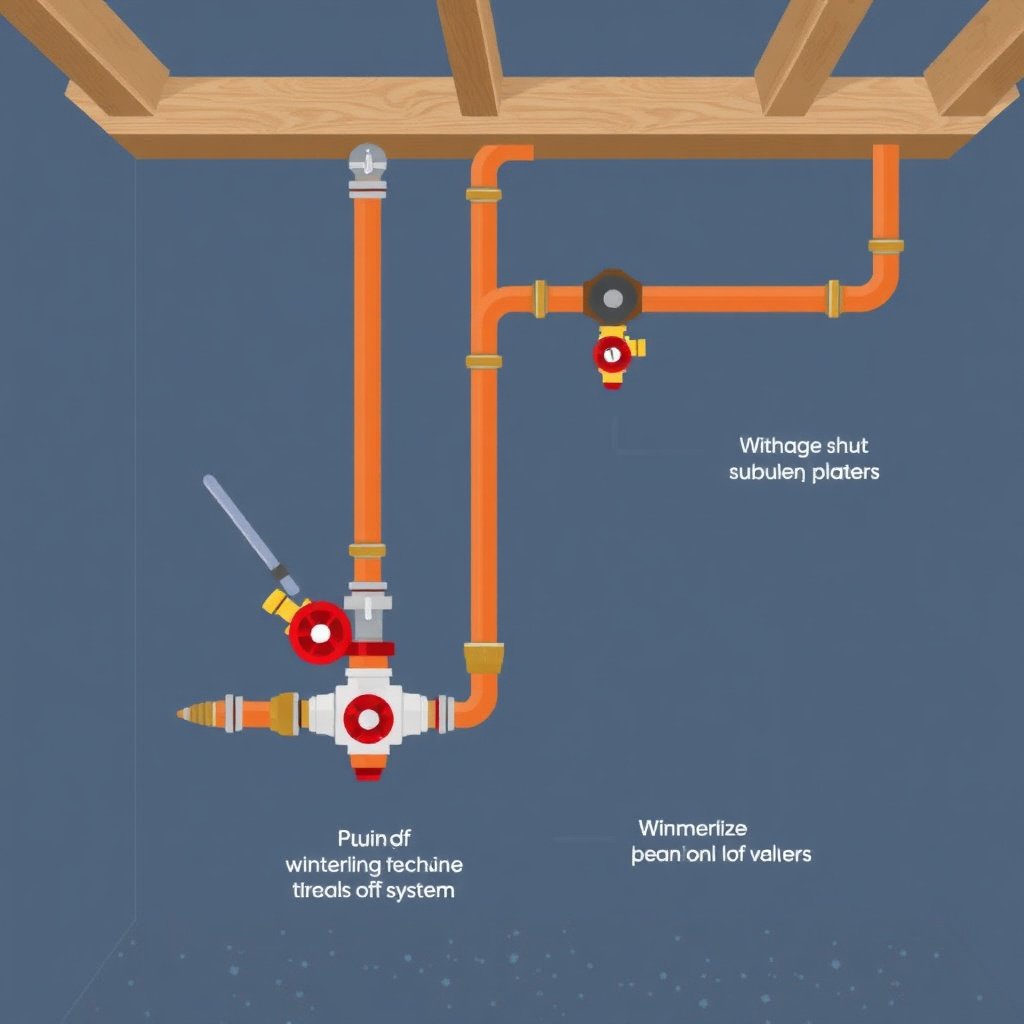
Draining and Shutting Off Water Supply
The first crucial step in winterizing your lake house is to drain all water from pipes, fixtures, and appliances to prevent freezing. Shut off the main water supply valve and open all faucets to let water flow out. Don’t forget outdoor spigots and irrigation systems. Using compressed air to blow out remaining water inside pipes can be very effective.
If your lake house has a well, disconnect the pump and drain associated lines. Avoid just draining; residual water can freeze and burst pipes, leading to costly damage. Installing insulation sleeves on accessible pipes provides an extra layer of protection from cold snaps.
- Turn off main water supply
- Drain all faucets and outdoor spigots
- Use compressed air for complete pipe emptying
- Insulate exposed pipes
Using Antifreeze and Maintaining Fixtures
After draining water lines, pour non-toxic antifreeze into drains, toilets, and traps to prevent any residual water from freezing. Be sure to use antifreeze specifically designed for plumbing systems, as automotive antifreeze is toxic and inappropriate for residential use.
Check and maintain your water heater by draining and turning it off or setting it to vacation mode. For wells, winterize pumps and pressure tanks according to manufacturer instructions to avoid freeze damage.
- Use non-toxic plumbing antifreeze for drains
- Flush and drain water heater or set to vacation mode
- Follow well system winterization guidelines
Securing Windows, Doors, and the Building Envelope
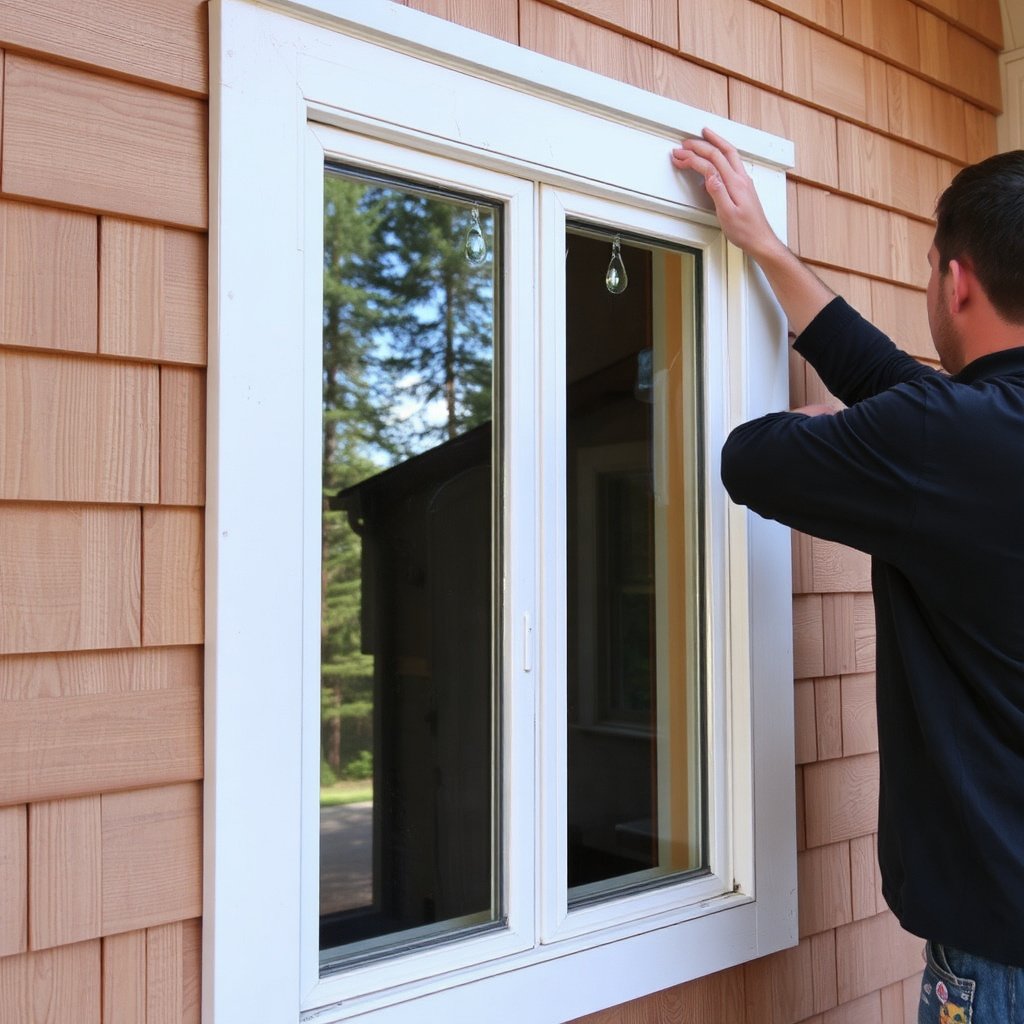
Weatherproofing Windows and Doors
Windows and doors are common points where cold air infiltrates. Installing weatherstripping around doors and window frames blocks drafts. Applying plastic shrink film insulation kits on windows traps heat inside and reduces energy loss.
Consider storm doors and insulated window coverings for extra protection. Sealing gaps with caulk or foam sealant improves the home’s thermal envelope, cutting down on heat loss and moisture intrusion.
- Apply weatherstripping around doors and windows
- Use plastic shrink film insulation kits
- Seal gaps with caulk or foam
- Install storm doors as needed
For more on this, see our related guide: How to Winterize a Boat Dock: Essential Steps for Cold Weather Protection.
Roof, Gutters, and Exterior Maintenance
Inspect the roof for damaged shingles or leaks and repair promptly before winter sets in. Clean gutters thoroughly to allow proper drainage and prevent ice dams, which can cause water backup and roof damage.
Trim tree branches near the house to avoid falling limbs under snow load. Applying exterior-grade sealants on wooden surfaces preserves them from moisture and rot during winter months.
- Inspect and repair roofing materials
- Clean and clear gutters and downspouts
- Trim overhanging branches
- Seal exterior wood surfaces
Managing Heating and Electrical Systems Safely

Setting Up Your Heating System for Winter
Ensure the heating system is serviced and functioning properly before cold weather arrives. If the lake house will remain vacant, maintain a minimum temperature of 50°F to prevent frozen pipes and structural damage.
Programmable thermostats are valuable tools to regulate temperatures efficiently. For homes with wood stoves or fireplaces, inspect chimneys and ensure proper ventilation to prevent hazards.
- Schedule a heating system inspection
- Maintain minimum indoor temperature while vacant
- Use programmable thermostats
- Inspect fireplaces and chimneys
Electrical System Preparations
Turn off and unplug non-essential electrical appliances to reduce fire risk and power wastage. Inspect electrical panels for any signs of wear or moisture exposure, particularly near the lakeside.
Consider installing surge protectors or a whole-house surge protection system to guard against lightning strikes and power surges common near water bodies.
- Unplug unnecessary appliances
- Inspect electrical panels and wiring
- Install surge protectors for sensitive electronics
Exterior and Landscape Winterization

Protecting Outdoor Structures and Equipment
Store or cover outdoor furniture, grills, and recreational equipment to shield from snow and moisture damage. Remove debris and organic matter that can harbor pests or moisture near the building foundation.
Winterize docks and moorings by removing or securing floating docks and clearing ice protection devices in the water. This reduces chance of damage during freezing conditions.
- Cover or store outdoor furniture
- Clean debris from around building and dock
- Secure docks and moorings properly
- Remove ice protection devices
For more on this, see our related guide: How to Open a Lake House for Summer: A Practical Step-by-Step Guide.
Landscape Maintenance for Winter
Trim shrubs and trees close to the house to minimize snow and ice damage. Apply mulch around the plant base to protect root systems from frost. Disconnect irrigation lines and blow out water to avoid pipe bursts underground.
Maintain pathways and clear snow regularly once winter arrives to prevent ice buildup and ensure safe access.
- Prune trees and shrubs near house
- Mulch plant bases for frost protection
- Blow out irrigation pipes
- Keep walkways clear of snow and ice
Routine Maintenance and Inspection During Winter
Scheduled Checks and Repairs
Even if your lake house is rarely occupied in winter, plan periodic visits to inspect for roof damage, water leaks, or ice dams. Snow removal from roofs may be necessary if heavy accumulation threatens structural integrity.
Check for signs of rodent or pest intrusion, especially near stored items or wood piles. Early detection helps prevent infestations and damage.
- Inspect roof and gutters monthly
- Remove excessive snow buildup
- Look for pest activity
- Repair minor issues promptly
For more general information on winterizing a house and related techniques, visit the Wikipedia article on winterizing. winterizing a house.
Using Technology for Remote Monitoring
Installing smart thermostats, water sensors, or security cameras can provide real-time updates on temperature and water leaks. Remote monitoring technology allows timely alerts to avoid severe damage while you’re away.
Several systems even automate heat control and send phone notifications for irregular conditions, enabling quick responses from a caretaker or neighbor.
- Install smart thermostats and water sensors
- Use security cameras for remote viewing
- Set up alert notifications
- Integrate automated heating controls
Lake House Winterization Methods Comparison
Here’s a comparison of common winterization approaches and their benefits to help you decide which fits your lake house best.
| Method | Effort Level | Cost Range | Effectiveness | Best For |
|---|---|---|---|---|
| Full Drain and Antifreeze | High | $150-$300 | Excellent | Unoccupied homes |
| Minimal Drain with Heat Maintenance | Medium | $100-$200 | Good | Occasionally used homes |
| Exterior-Only Protection | Low | $50-$100 | Limited | Nearby homes with caretaker |
| Automated Monitoring and Heating | Medium-High | $200-$500 | Very Good | Technology-friendly owners |
Frequently Asked Questions
How often should I winterize my lake house?
Winterize your lake house every fall before freezing temperatures arrive. This routine prevents damage throughout winter and prepares the home for minimal use or vacancy.
Can I winterize my lake house if I plan to visit occasionally during winter?
Yes, maintaining a low-level heat and minimal draining can work for occasional visits. It safeguards plumbing and reduces energy costs while preserving comfort.
Is it necessary to drain the water heater?
Draining your water heater or setting it to vacation mode prevents damage from freezing and saves energy during winter, especially if your lake house will be empty.
What type of antifreeze is safe to use in plumbing?
Always use non-toxic, propylene glycol-based antifreeze labeled for plumbing systems. Avoid automotive antifreeze, which is toxic and harmful.
Should I remove all outdoor furniture for winter?
Removing or securely covering outdoor furniture protects it from snow, ice, and moisture, prolonging its lifespan and maintaining appearance.
Key Takeaways
- Draining and protecting plumbing is essential to prevent freeze damage
- Sealing windows, doors, and repairing roofing reduces heat loss
- Maintaining heating systems prevents costly structural issues
- Regular inspections, even remotely, help identify problems early
Conclusion
Deciding how to winterize a lake house involves balancing the level of use during winter and your budget. Full winterization, including draining pipes and applying antifreeze, is best for unoccupied homes exposed to freezing temperatures. Keeping heating running at a minimal level suits those visiting sporadically but requires attention to energy consumption and system maintenance. Exterior sealing and preparations are universally necessary regardless of your approach, as they guard against intrusive cold air, moisture, and structural damage. Frequent inspections, or using modern remote monitoring tools, provide an effective safety net by catching issues before they escalate, which can save significant repair costs.
For lake house owners who leave their property unused all winter, thorough plumbing winterization combined with weatherproofing windows and roof upkeep is the recommended approach. Those who plan periodic winter stays may opt for partial draining and maintaining the heating system at a safe temperature. Utilizing lake house maintenance tips like mulching plants and securing outdoor equipment contributes to long-term durability and aesthetic preservation of your retreat. The investment in these preventative strategies ensures the home remains comfortable and ready for enjoyment when the seasons change again.
If you’ve never winterized a lake house before, starting early in autumn allows you time to complete each step carefully and address unexpected repairs. Consider creating a checklist or hiring professionals to assist with specialized tasks like well system care or chimney inspections. Incorporating smart home devices for temperature and leak monitoring adds convenience and security through the cold months. Taking these straightforward precautions gives you confidence your lake house will withstand winter weather and be in excellent condition for spring.





One Comment