How Much Does It Cost to Build a Seawall? A Detailed Cost Breakdown
The cost to build a seawall typically ranges from $1,500 to $4,000 per linear foot but can vary widely depending on factors like materials, location, size, and design complexity. For example, a basic concrete seawall might cost less than one reinforced with steel or incorporating natural stone. Larger projects involving specialized labor and permits may also push costs higher.
Understanding seawall cost is vital because these structures protect shorelines from erosion and storm damage, which can save considerable money in property damage prevention over time. The investment upfront reflects not only raw materials and labor but also engineering, permits, and environmental considerations that keep the seawall durable and functional for decades.
This article will cover the primary cost factors for seawall construction, including different types of seawalls and their material costs, labor charges, permitting expenses, and maintenance fees. We'll also compare construction options to help you decide which seawall fits your budget and site requirements.
Understanding Seawall Construction Materials

Concrete Seawalls
Concrete is one of the most common materials for seawall construction due to its strength, durability, and relatively moderate cost. Cast-in-place concrete walls provide a solid barrier against waves and tides, resisting erosion for many years when properly designed.
While the material cost is generally affordable, forming and curing concrete seawalls require skilled labor and time. These walls provide good resistance to harsh marine conditions but may need periodic inspections for cracks or surface degradation.
- Material cost: $80 to $120 per cubic yard
- Lifespan: 30 to 50 years
- Moderate maintenance requirements
Seawall Construction Materials Using Stone and Rock
Natural stone seawalls, such as riprap or boulder walls, offer excellent aesthetics and natural erosion protection. They rely on mass and interlocking placement to absorb wave energy rather than a solid barrier approach.
Stone walls vary significantly in cost depending on the type and source of rock. Transporting heavy stone can increase price, although stone walls offer good environmental blending and can last many decades with proper anchoring.
- Material cost depends heavily on source and size
- Requires heavy machinery for placement
- Very low maintenance if installed correctly
Labor and Installation Costs for Seawalls
Labor Cost Factors
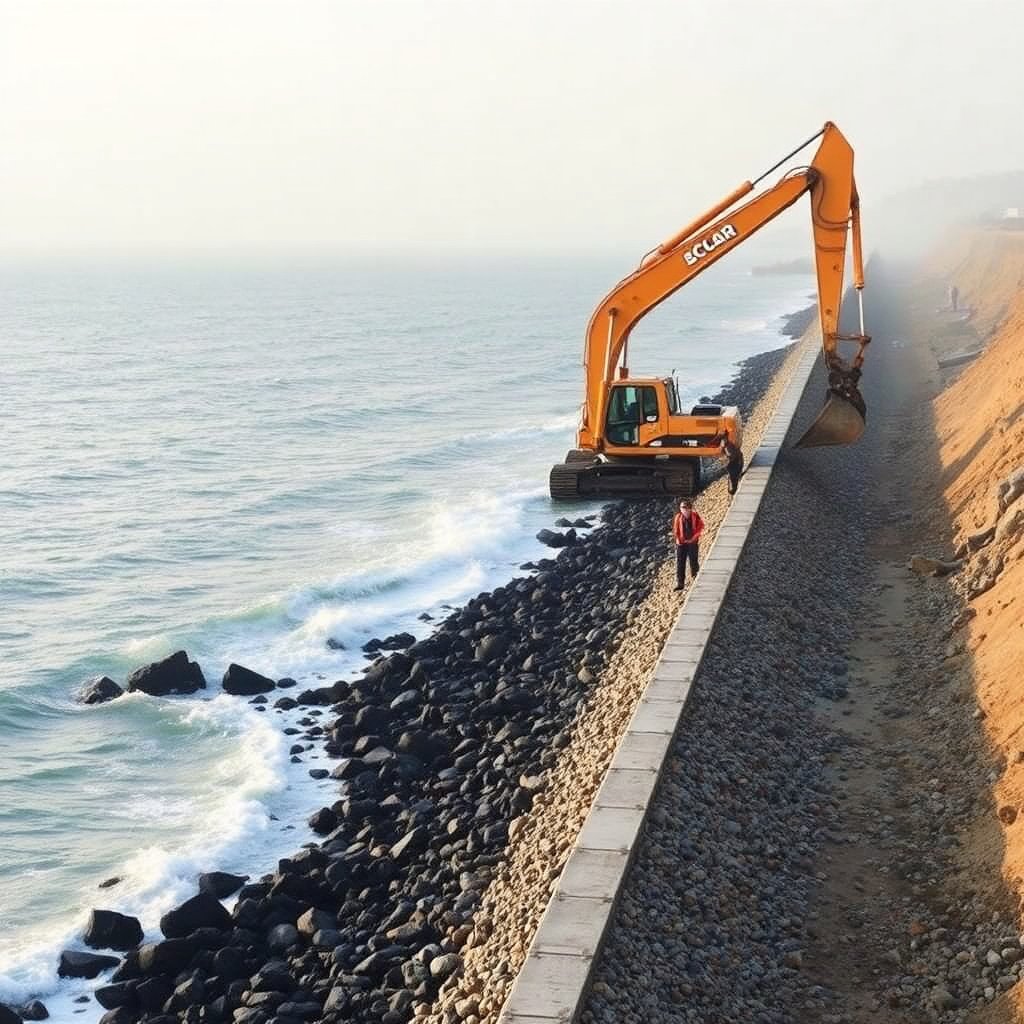
Labor is a significant part of seawall construction costs, often representing 30%-50% of the overall expense. Skilled workers are needed to operate heavy machinery, handle concrete pouring, and ensure the wall is properly anchored to withstand erosion forces.
Remote or difficult-to-access sites can increase labor costs due to longer transport times or added setup complexity. Weather windows and environmental regulations may also extend project duration, impacting overall costs.
- Typical labor rates: $50 to $150 per hour
- Skilled labor necessary for complex designs
For more on this, see our related guide: What Is the Average Cost of a Seawall? A Detailed Pricing Guide.
Installation Techniques and Their Cost Impact
Different installation methods—such as driven sheet piling, cast-in-place concrete, or rock armor placement—vary in time and equipment needs, affecting expenses. For example, sheet piles may be faster to install but cost more in material, while rock placement relies heavily on cranes or excavators.
Site-specific conditions like soil type, water depth, and wave energy determine the ideal installation method, directly affecting both labor time and equipment costs.
- Sheet piling: faster installation, higher material cost
- Rock armor: slower, needs heavy machinery
Permitting and Environmental Considerations

Permitting Costs and Timeline
Securing permits for seawall construction is mandatory in most locations and can add several thousand dollars and months to project timelines. Agencies review impact on coastal ecosystems, navigation, and property boundaries before approval.
Costs do not only include permit fees but also potential environmental impact studies or engineered design submissions required by regulatory bodies.
- Permit fees $1,000 to $5,000+ depending on jurisdiction
- Environmental studies can add to cost and timeframes
Environmental Impact and Mitigation
Seawalls can affect natural sediment flows and wildlife habitats, prompting mitigation requirements like adding vegetation buffers or designing for water permeability. These design considerations influence initial construction costs but support long-term shoreline health.
Consulting with coastal engineers and environmental experts early helps minimize surprises and budget overruns related to coastal regulations or ecosystem preservation efforts.
- Potential need for vegetation replanting
- Design modifications for habitat preservation
Maintenance Costs for Seawalls
Routine Maintenance Expenses
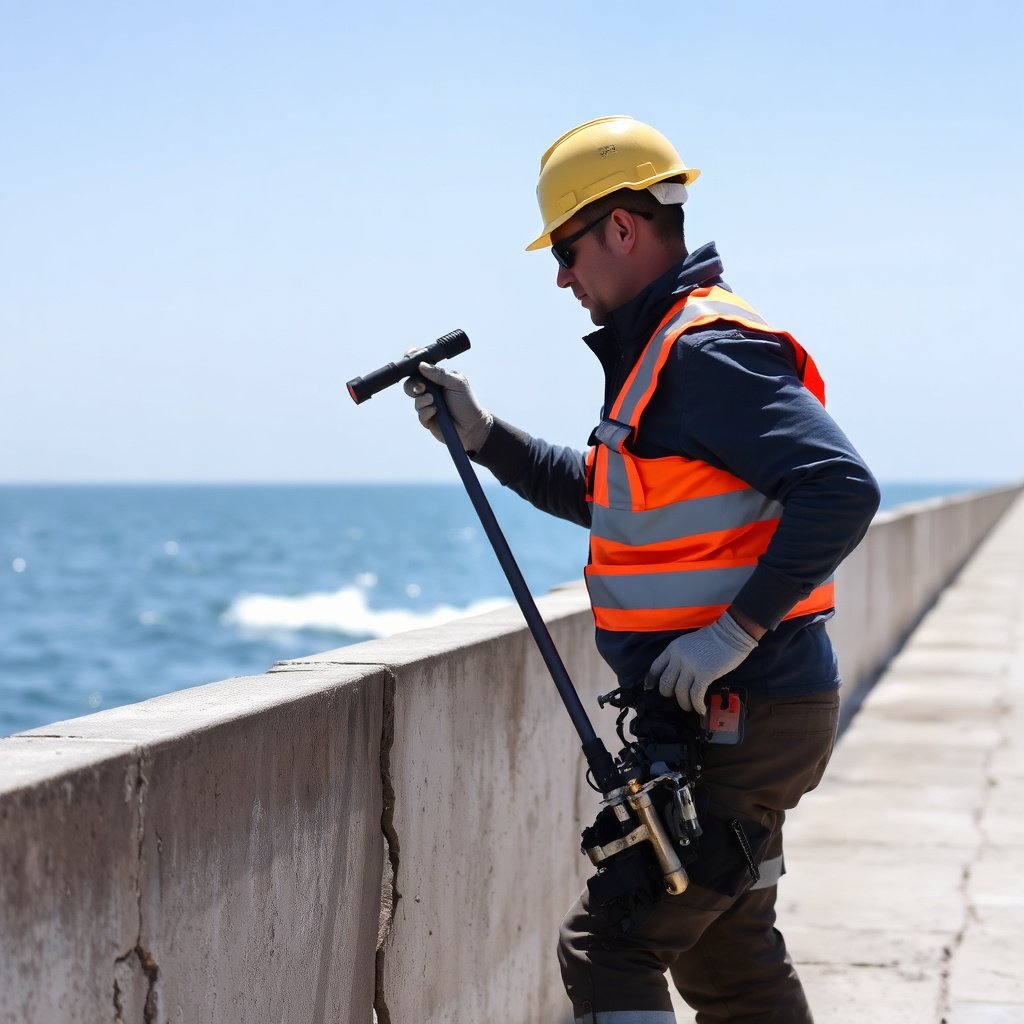
Seawalls require regular inspections for damage like cracks, erosion at the base, or displaced stones. Routine maintenance may include patching concrete, replacing stones, or clearing debris to maintain structural integrity.
Annual maintenance costs generally range from 1% to 3% of the original construction cost but can be higher in areas with aggressive wave action or frequent storms.
- Inspect yearly for structural issues
- Minor repairs may cost a few hundred dollars
For more on this, see our related guide: How Long Does a Seawall Last? Lifespan and Maintenance Insights.
Long-Term Repair and Replacement
Major repairs or partial seawall replacement may be necessary after 20 to 50 years depending on materials and exposure. These interventions can be costly, emphasizing why choosing durable materials and designs is economically wise upfront.
Planning for future expenses and including contingencies in budgets helps avoid unexpected financial burdens related to seawall upkeep.
- Partial rebuilds can cost thousands per linear foot
- Full replacement considered past 50 years
Types of Seawalls and Their Cost Variations
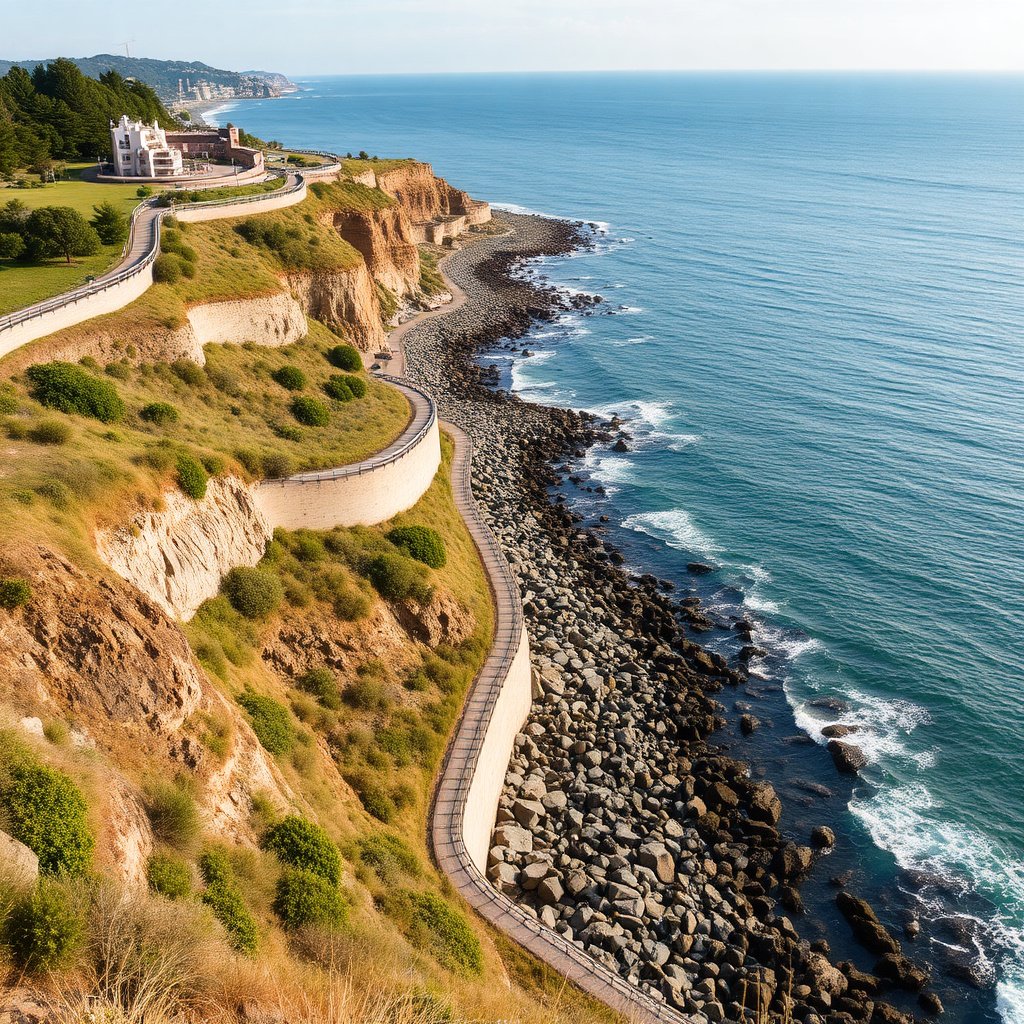
Vertical Seawalls
Vertical seawalls are solid barriers standing at or above the waterline to reflect wave energy. They often require more materials and engineering, leading to higher upfront costs compared to sloped options.
These walls are effective in high-wave environments but may increase erosion at the base, requiring additional protective measures.
- Higher material and installation costs
- Effective in severe wave conditions
For a thorough background on seawall design and history, check the seawalls overview on Wikipedia. Seawalls overview on Wikipedia.
Sloped or Recessed Seawalls
Sloped seawalls or revetments use angled surfaces to dissipate wave energy, minimizing erosion impact. They often use rock or concrete blocks arranged to absorb rather than reflect forces.
Construction costs may be lower because materials like riprap can be sourced locally, but space requirements for sloped profiles are larger.
- Generally lower construction costs
- Require more horizontal space on shoreline
Seawall Construction Cost Comparison
This table compares common seawall types and their associated costs, lifespans, and maintenance requirements to help clarify budget expectations.
| Seawall Type | Cost per Linear Foot | Average Lifespan | Maintenance Level |
|---|---|---|---|
| Concrete Vertical | $2,500 – $4,000 | 30-50 years | Moderate |
| Stone Revetment | $1,500 – $3,500 | 40-70 years | Low |
| Sheet Piling | $3,000 – $4,500 | 30-40 years | High |
| Timber Crib | $1,200 – $2,000 | 15-25 years | High |
| Composite Walls | $3,000 – $4,200 | 40+ years | Moderate |
Frequently Asked Questions
What factors most influence the cost to build a seawall?
The primary factors include material choice, wall length and height, labor rates, site accessibility, permitting, and the complexity of environmental considerations.
How long does a seawall typically last before needing replacement?
Lifespan varies by material but generally ranges from 15 years for timber to 50 or more years for concrete and stone structures.
Are permits always required to build a seawall?
Yes, most localities require permits to ensure compliance with environmental regulations, shoreline zoning, and construction safety standards.
Can I build a seawall myself to save money?
DIY seawall construction is not recommended because of required engineering expertise, heavy equipment, and strict permitting requirements. Improper construction can be dangerous and costly.
How often should a seawall be inspected?
Annual inspections are recommended to catch minor issues early and reduce chances of major failures or costly repairs.
Key Takeaways
- Seawall costs vary widely depending on materials, labor, and site conditions.
- Concrete and stone are common materials with different cost and lifespan profiles.
- Permitting and environmental factors add significant time and expense.
- Regular maintenance extends seawall life and controls repair costs.
Conclusion
Estimating how much it costs to build a seawall requires analyzing specific project details such as material, size, labor, location, and environmental requirements. A balanced view understands that initial expenses reflect not only tangible inputs but also design complexity and regulatory compliance. By weighing these variables, property owners can plan realistic budgets to protect valuable shorelines effectively.
For example, concrete seawalls offer robust durability suitable for high-wave settings but generally come with higher upfront costs, while stone revetments provide a more natural appearance with potentially longer longevity and lower maintenance. Sheet piling and composite walls present alternatives with varied cost and performance trade-offs. Each type suits different coastal conditions and budget ranges, reinforcing the need to match structure and site thoughtfully.
Your next step should be to consult a coastal engineer or contractor familiar with local conditions and permitting paths. Obtaining detailed estimates early helps avoid surprises and ensures you choose materials and methods aligned with your protection goals and financial plan. Planning for maintenance costs alongside initial build expenses will safeguard your investment over time.