How to Choose a Lake House: Essential Tips for Your Perfect Waterfront Retreat
Choosing a lake house means balancing your lifestyle needs with practical factors like location, water access, and property condition. Start by defining how you intend to use the home—whether for seasonal vacations, full-time living, or as a rental investment—and then narrow down regions that match your criteria. Consider proximity to amenities, the lake’s recreational opportunities, and local climate when picking your spot.
Owning a lake house offers unique pleasures: tranquil views, boating, fishing, and time away from urban life, but it also comes with maintenance demands and possibly seasonal challenges like flooding or road access. Understanding these factors helps in making a confident decision that aligns well with your budget and desires.
This guide will walk you through critical aspects such as evaluating lake access types, inspecting property features, budgeting realistically, and understanding environmental or community rules. We’ll also compare common lake house categories to help you match your ideal lifestyle with the right property.
Understanding Lake Access and Waterfront Types
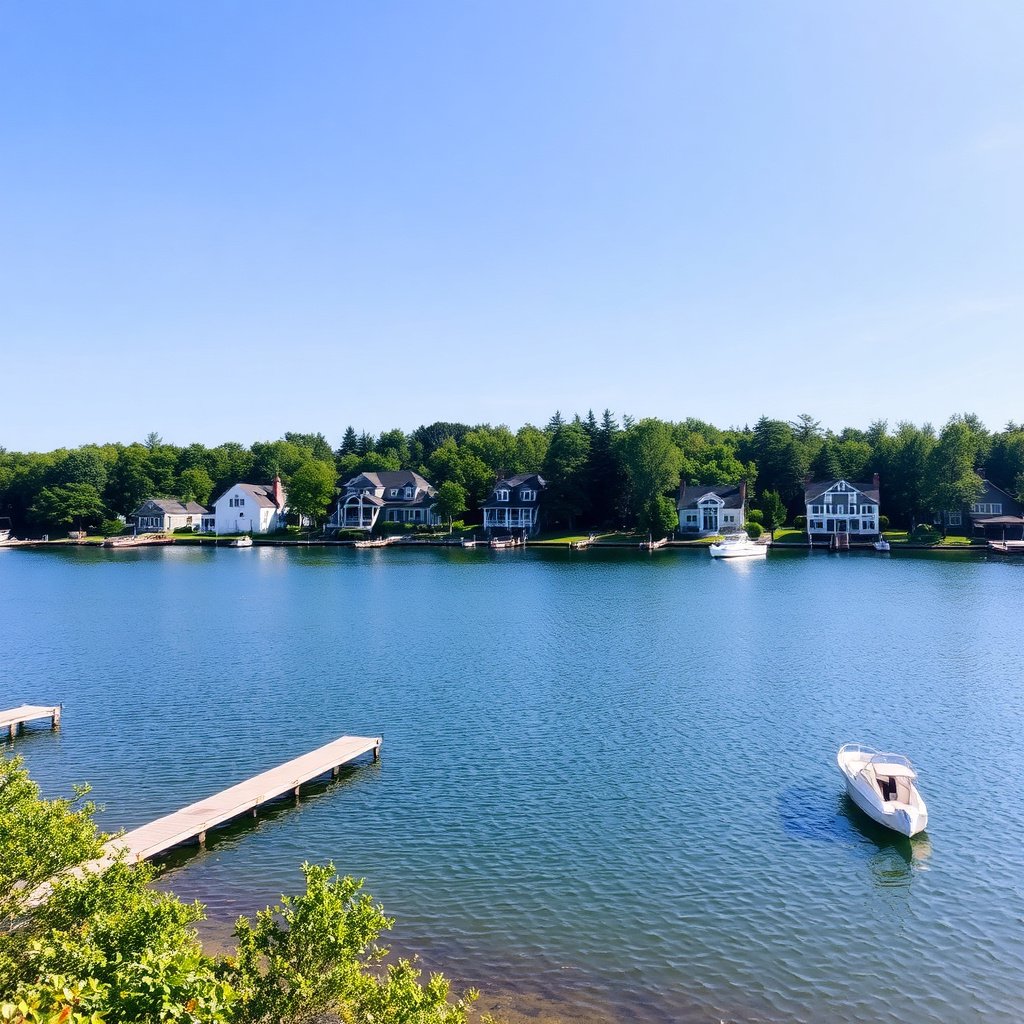
Private vs. Shared Waterfront Access
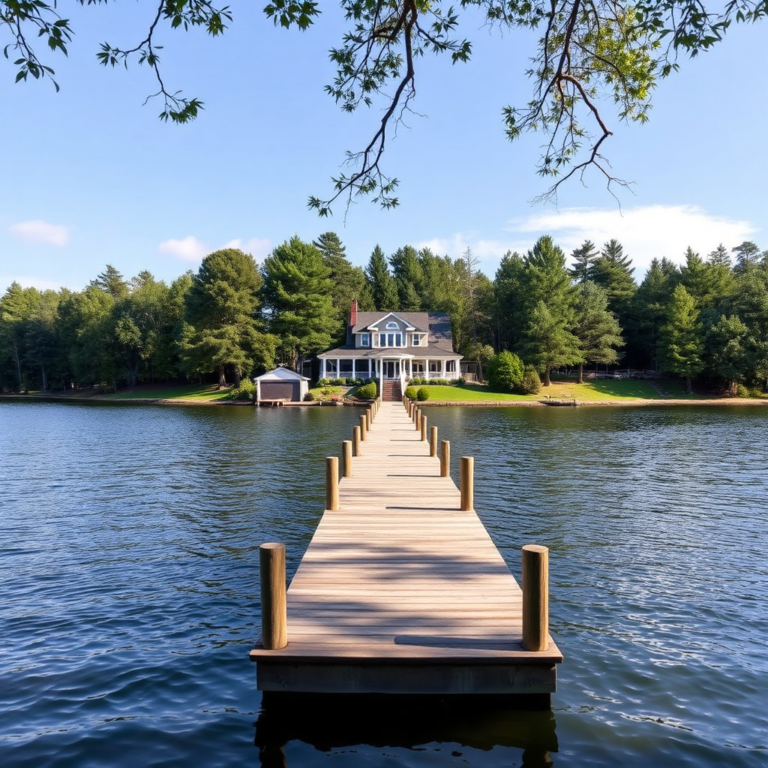
Lake houses may offer private waterfront property, meaning the shoreline and dock belong exclusively to you, or shared access with a community or multiple owners. Private access provides more control over boat storage and water activities but comes at a higher price.
Shared waterfronts, such as those in a homeowners’ association, reduce maintenance responsibilities and costs while offering social opportunities, but come with rules about usage and may limit privacy.
- Private access: full control, higher cost
- Shared access: cost-sharing, restrictions
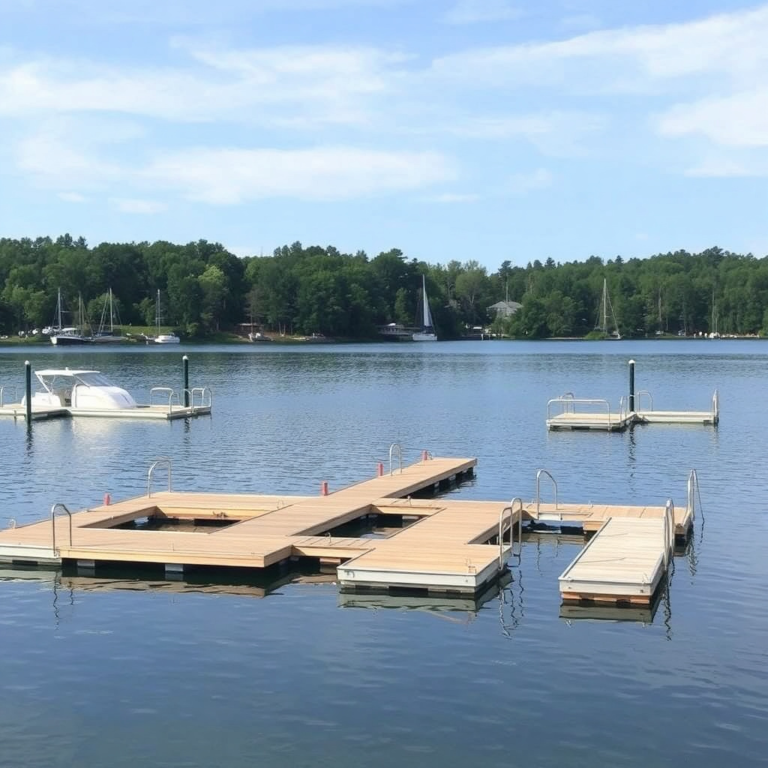
- Community docks vs. individual docks
Navigating Waterfront Features and Restrictions
The shoreline type—rocky, sandy, or marshy—affects swimming and boating preferences. Check for permits and local environmental regulations that govern dock construction, shoreline modifications, and motorized boat use.
Some lakes have rules to protect water quality or wildlife, which could impact your plans for watercraft or water sports. Verify any homeowner association rules for waterfront upkeep and limitations.
- Check local zoning and environmental laws
- Evaluate shoreline composition
- Understand HOA covenants related to waterfront
Evaluating Location and Community Factors
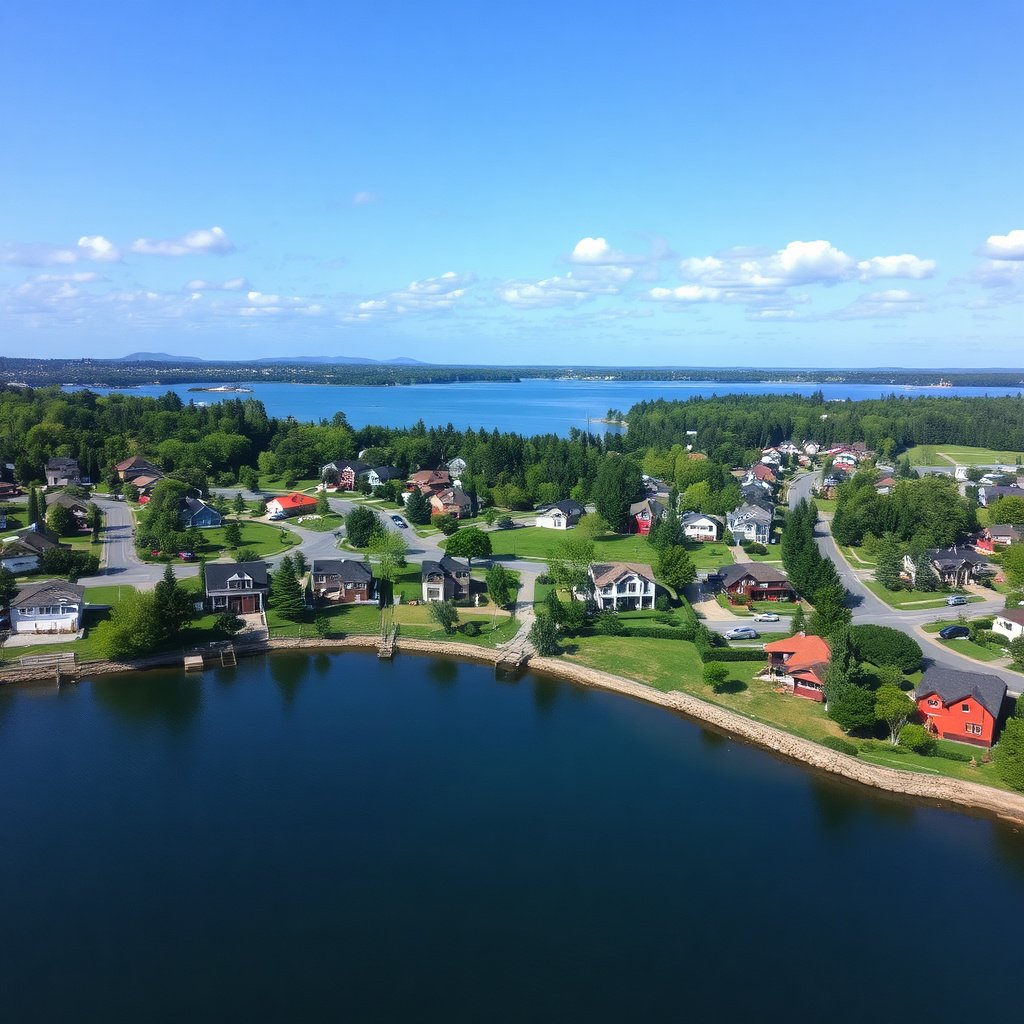
Proximity to Town Amenities and Emergency Services
While a lake house is a getaway, accessibility to grocery stores, medical facilities, and other essential services matters, especially if considering full-time living. Assess emergency response times and road conditions during various seasons.
Some lake communities thrive with vibrant social calendars and local businesses, while others preserve solitude. Determine what community atmosphere fits your intentions for the property.
- Evaluate distance to nearest town
- Research local emergency services
- Weigh community engagement options
Seasonal Considerations and Climate Impact
Lakes in northern climates may freeze in winter, limiting boating but enabling ice fishing or snow sports. Consider how seasonal weather affects property maintenance like road access, heating needs, and dock upkeep.
Warmer climates offer year-round water activities but bring different challenges such as algae blooms or insect management. Plan accordingly for the lifestyle you envision.
- Consider seasonal water accessibility
- Account for maintenance through weather cycles
- Evaluate recreational opportunities by season
Inspecting the Lake House and Land Features
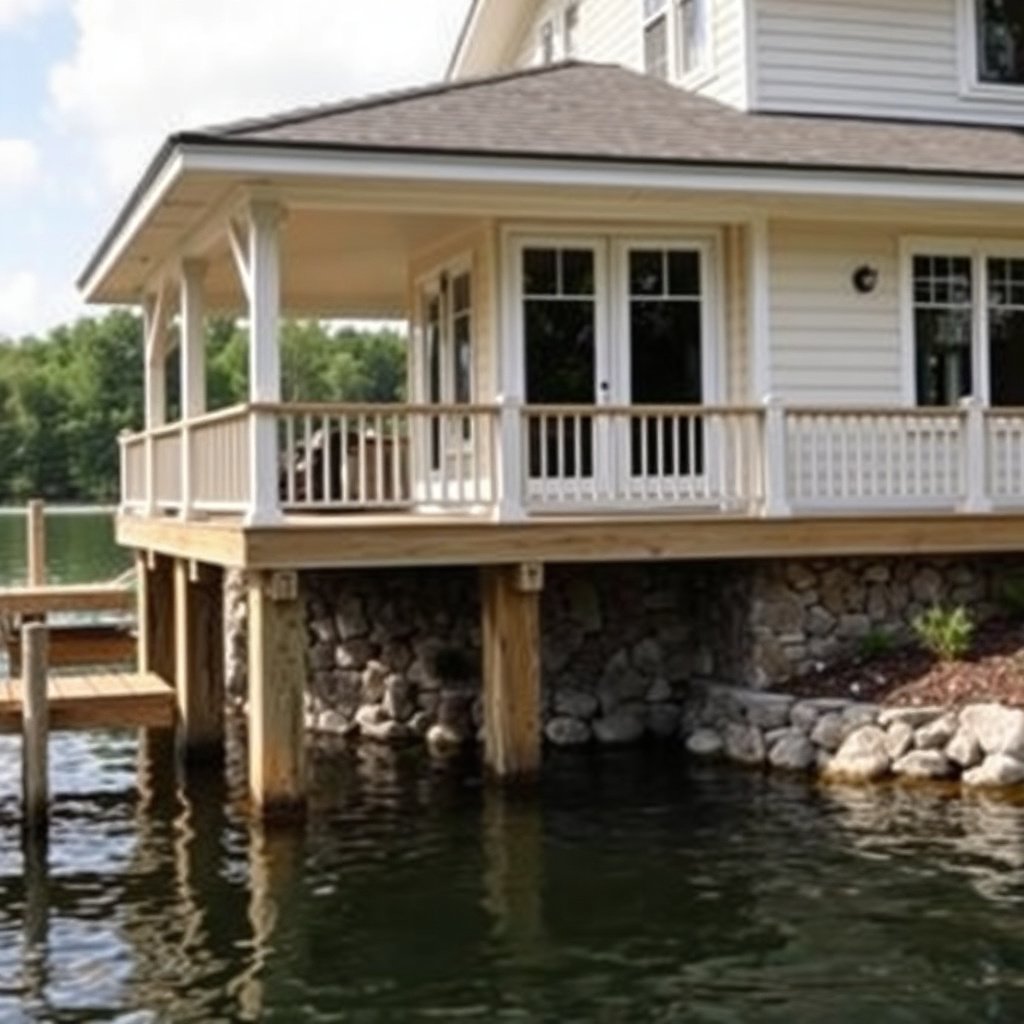
Structural Integrity and Maintenance Needs
Inspect the main structure carefully for foundation issues, water damage, and quality of roofing and siding materials. Lake houses often face higher humidity and flood risks, so check for mold, mildew, or rot.
Consider the condition and legality of docks, seawalls, or boathouses, as repairs can be costly. Hire a professional inspector with lake property experience to uncover hidden problems.
- Look for signs of water damage
- Check dock stability and permits
- Confirm structural compliance with local codes
For more on this, see our related guide: How to Choose Between a Lake House and a Condo: A Practical Guide.
Land Topography and Landscaping
The slope and soil quality can affect drainage and flooding risks. Flat lots with sandy soils are easier to maintain, while steep or clay-heavy land may require special landscaping or erosion control.
Assess trees and natural vegetation for shade, privacy, and wildfire risk. Native plants help retain shoreline health and prevent erosion.
- Evaluate flood risk based on topography
- Consider long-term landscaping costs
- Use native vegetation for environmental balance
Budgeting and Financial Considerations
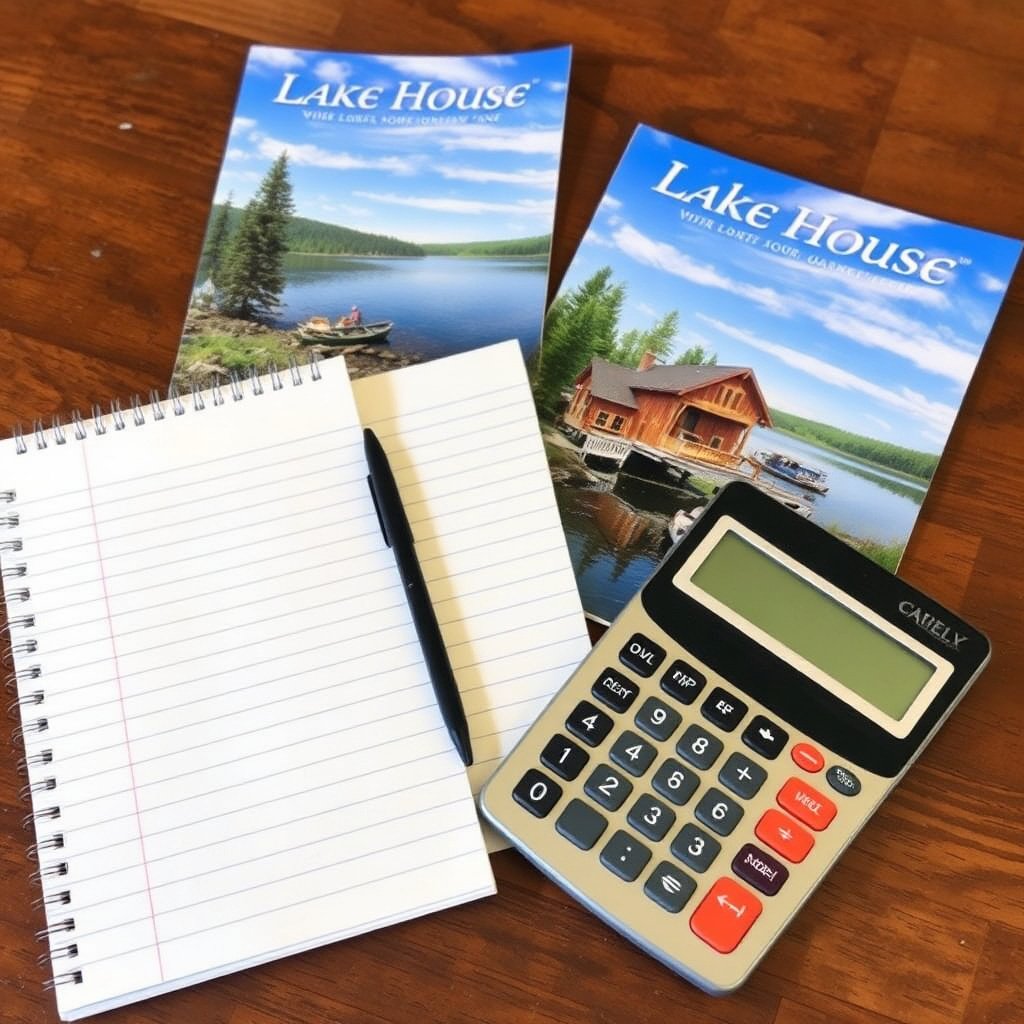
Upfront Costs and Financing Options
Lake house prices vary widely based on location, size, and waterfront quality. Consider down payment requirements, mortgage rates for second homes, and possible higher insurance premiums due to flood risk or property age.
Some buyers may qualify for vacation home loans, but terms differ from primary residences. Align your budget with expectations on renovations, amenities, and taxes.
- Compare loan options and interest rates
- Plan for property taxes and insurance
- Estimate renovation budget carefully
Ongoing Maintenance and Utility Costs
Waterfront properties require upkeep of docks, septic systems, and landscaping. Seasonal maintenance, waste disposal, and utilities—like propane or well water systems—can add to annual expenses.
Factor in community fees if applicable, and potential costs related to environmental regulations or flood prevention.
- Budget for dock and shoreline upkeep
- Calculate utilities and seasonal services
- Include HOA or community maintenance fees
Lifestyle and Recreational Activities at the Lake House
Common Water Activities and Equipment
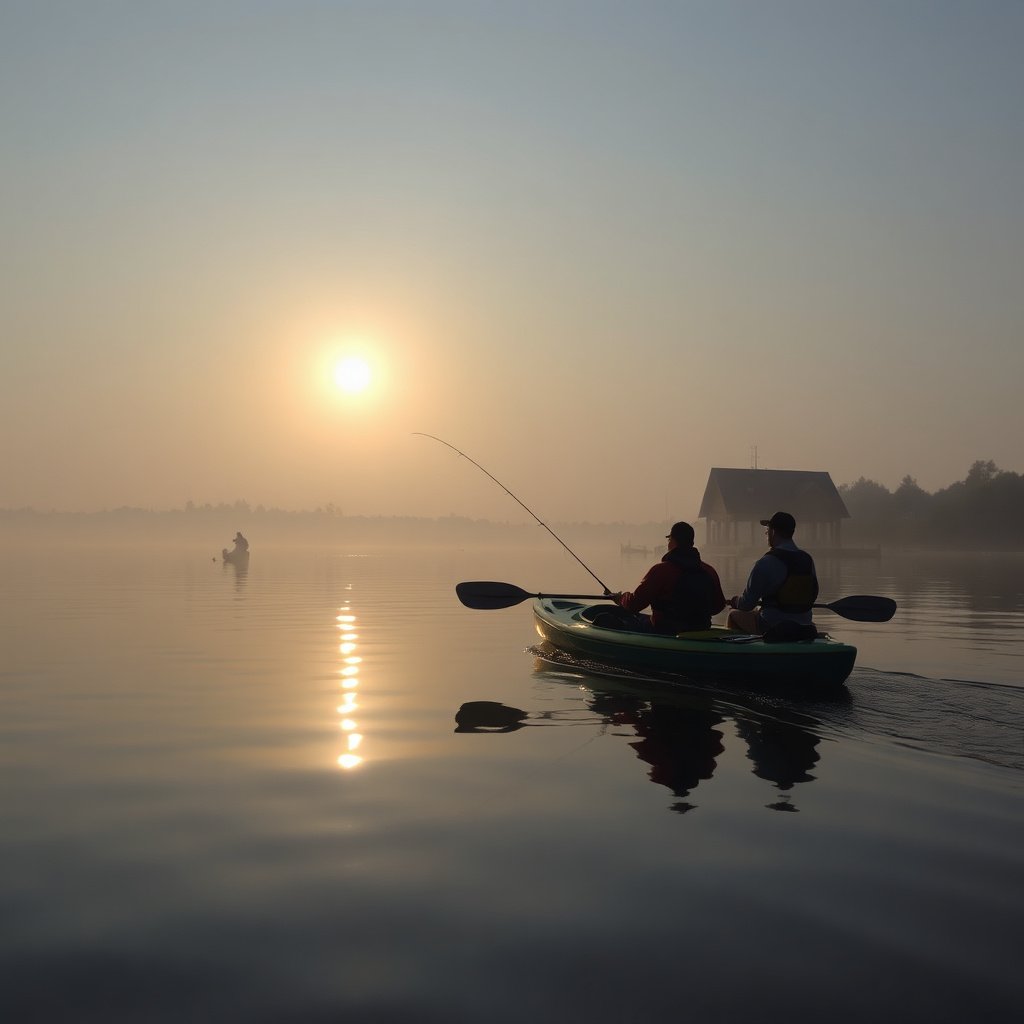
Boating, fishing, swimming, and paddleboarding are popular lake activities. Ensure your chosen property supports your preferred recreation by verifying boat launch availability, water depth, and local fishing regulations.
Storage for watercraft and equipment is another consideration, either onsite or nearby, to protect your investments and maximize convenience.
- Check for boat launch and dock capacity
- Confirm fishing and boating restrictions
- Plan for equipment storage needs
For more on this, see our related guide: Do You Need Flood Insurance for a Lake House? What Homeowners Should Know.
Community and Social Opportunities
Many lake house areas foster social events like fishing tournaments, summer picnics, and holiday gatherings, which can enrich your experience and sense of belonging.
Alternatively, if solitude is a priority, some lakes offer secluded areas with fewer neighbors and quieter surroundings. Matching this to your personality improves long-term satisfaction.
- Research local community events
- Assess privacy levels and neighborhood density
- Consider social participation preferences
Legal, Environmental, and Insurance Issues
Zoning, Permits, and Environmental Restrictions
Lake houses may fall under specific environmental protections or zoning laws limiting construction, shoreline modification, or septic systems. Investigate these before purchase to avoid surprises.
Permits might be required for docks or renovations, and environmental conservation zones may restrict landscaping choices to protect water quality.
- Review zoning maps and regulations
- Confirm permit history of existing structures
- Understand conservation area rules
For further reading on the concept and types of lake houses, see this detailed lake house information on Wikipedia. lake house information on Wikipedia.
Insurance Coverage for Lake Houses
Flood insurance often supplements standard homeowners’ policies for lake properties, sometimes at high premiums. Check for coverage related to storms, water damage, and liability for docks or boathouses.
Insurers might require specific safety features or maintenance records. Shop around for policies designed for waterfront homes to get adequate protection at a fair cost.
- Explore flood insurance options
- Verify liability coverage for water features
- Compare insurance providers specializing in lake properties
Lake House Types and Their Characteristics
Below is a comparison of common lake house categories to help you identify which matches your lifestyle and budget best.
| Category | Typical Price Range | Waterfront Access | Maintenance Level | Ideal For |
|---|---|---|---|---|
| Cottage-Style | $150,000–$300,000 | Often private | Moderate | Seasonal retreats, families |
| Modern Waterfront Home | $400,000–$1,200,000+ | Private, exclusive docks | High | Full-time living, luxury seekers |
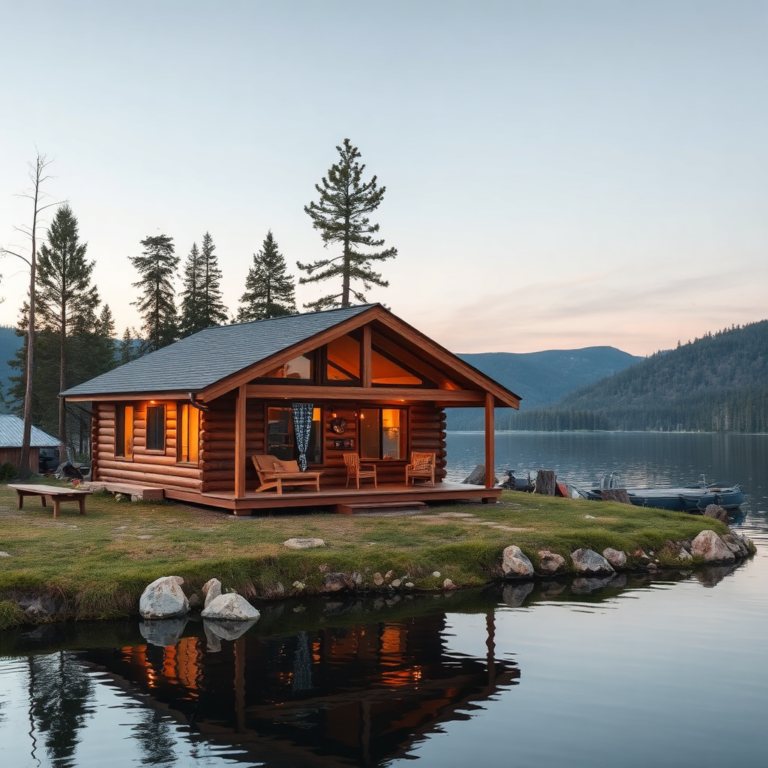
| Cabin in Remote Area | $100,000–$250,000 | Private but limited amenities | Variable | Outdoor enthusiasts, solitude lovers |
| Community Lake House | $200,000–$500,000 | Shared waterfront | Lower due to HOA | Social buyers, first-time lake owners |
| Investment Rental Property | $250,000–$700,000 | Varies | Variable | Income-focused buyers |
Frequently Asked Questions
What is the difference between private and public lake access?
Private lake access means exclusive use of a shoreline and dock, while public or shared access involves community or municipal waterfront areas available to multiple owners or the public.
Are lake houses more expensive to insure?
Yes, lake houses often have higher insurance premiums due to flood risk and water-related hazards, requiring specialized policies beyond standard homeowners' insurance.
What maintenance challenges are typical for lake houses?
Common issues include managing moisture-related damage, dock upkeep, septic systems, landscaping for erosion control, and seasonal access problems depending on the climate.
Can I finance a lake house the same way as a primary residence?
Financing a lake house, especially as a second or vacation home, usually involves stricter requirements, higher down payments, and different loan terms compared to primary residences.
How do environmental regulations affect lake house ownership?
Environmental rules can limit shoreline modifications, dock construction, and landscaping to protect water quality and habitats, potentially influencing property use and improvements.
Key Takeaways
- Define your lake house usage and lifestyle priorities before searching.
- Evaluate waterfront access type and shoreline characteristics carefully.
- Budget for upfront costs and ongoing maintenance unique to lake properties.
- Understand local community, legal, and environmental factors impacting ownership.
Conclusion
When selecting a lake house, the most effective approach is to align your personal lifestyle with the physical and financial realities of waterfront property. By thoroughly understanding your intended use, whether as a seasonal getaway or a full-time residence, you can prioritize features like private lake access, community amenities, or solitude accordingly. Remember that beyond aesthetics, practical factors such as climate, legal restrictions, and maintenance needs often govern long-term satisfaction. Systematic inspection of both the house and land ensures awareness of potential issues before purchase, avoiding costly surprises.
For buyers seeking a family vacation spot with easy social connections, a community lake house with shared waterfront may offer the best balance of convenience and camaraderie. Those aiming for an exclusive retreat with luxury amenities will likely focus on private waterfront homes with stable docks and deeper water access. Outdoor enthusiasts valuing tranquility might opt for rustic cabins in more remote lakes. Understanding how categories differ, from cottage-style seasonal houses to investment rentals, helps clarify which choice fits not just your budget but your desired engagement with lake living.
Once you've narrowed your options, take the next practical step by arranging inspections with professionals experienced in lake properties and getting detailed information on local regulations and insurance. This research-backed approach lets you confidently negotiate and finalize a purchase that meets your expectations and safeguards your investment. Ultimately, choosing your lake house blends thoughtful planning with your personal vision to create a waterfront retreat that offers years of enjoyment and memories.