How to Prevent Mold in a Lake House: Effective Strategies for Moisture Control
Preventing mold in a lake house starts with controlling moisture and improving ventilation to stop mold spores from settling and growing. Regular maintenance, moisture barriers, and proper heating and cooling reduce dampness—key factors in mold prevention. Addressing potential problem areas promptly can keep your lake house mold-free year-round.
Lake houses face unique challenges because of their proximity to water and often higher humidity, which creates ideal conditions for mold growth. Mold not only damages wood, drywall, and furnishings but also poses health risks like allergies and respiratory issues. Protecting your investment requires consistent attention to moisture levels and air quality.
This article covers actionable methods to prevent mold in your lake house, including identifying humidity sources, choosing ventilation techniques, selecting mold-resistant materials, and practical maintenance tips. Understanding these factors will help you maintain a healthy and comfortable lake retreat.
Understanding Moisture Sources in a Lake House

Common Moisture Entry Points
Moisture enters a lake house through leaks in the roof, windows, or foundation; condensation on cold surfaces; and from indoor activities like cooking and showering. Outdoor humidity from the nearby lake also contributes by increasing indoor moisture levels.
Identifying leaks early around doors, attic spaces, plumbing fixtures, and basement cracks prevents water accumulation that encourages mold growth. Routine inspections, especially after heavy rain or storms, help catch hidden water entry points.
- Roof joints and flashing defects
- Cracks in basement walls or foundation
- Poorly sealed windows and doors
- Condensation on pipes and walls
Humidity from the Lake Environment
Lake houses often experience elevated humidity due to the body of water nearby, particularly in summer when warm air holds more moisture. This ambient humidity can penetrate the house structure and saturate materials.
Using dehumidifiers and ventilating frequently reduce indoor humidity levels and discourage mold spores from thriving. Monitoring humidity with hygrometers helps maintain levels below 60%, which is critical to mold prevention.
Effective Ventilation Strategies for Mold Prevention

Natural Ventilation Techniques
Opening windows and doors to create cross-breezes helps replace damp indoor air with dry outdoor air, especially during cooler, less humid times of day. Using ceiling and exhaust fans supports air circulation in kitchens and bathrooms—common mold hotspots.
Natural ventilation must be paired with weather considerations; during high outdoor humidity, it might increase indoor moisture. Balancing open-air ventilation with mechanical options leads to better moisture control.
- Cross-ventilation through opposite windows
- Using screened vents and soffits
- Attic ventilation for heat and moisture escape
Mechanical Ventilation Systems
Mechanical systems like HVAC with dehumidifiers, energy recovery ventilators (ERVs), and dedicated bathroom exhaust fans provide continuous air exchange and moisture control throughout the year.
Properly sized and maintained HVAC systems ensure even temperature distribution and humidity reduction. Installing dehumidifiers in basements or crawl spaces where stagnant moisture collects is especially effective.
- HVAC with humidity control features
- Bathroom and kitchen exhaust fans
- Standalone dehumidifiers for wet areas
Using Mold-Resistant Materials and Treatments
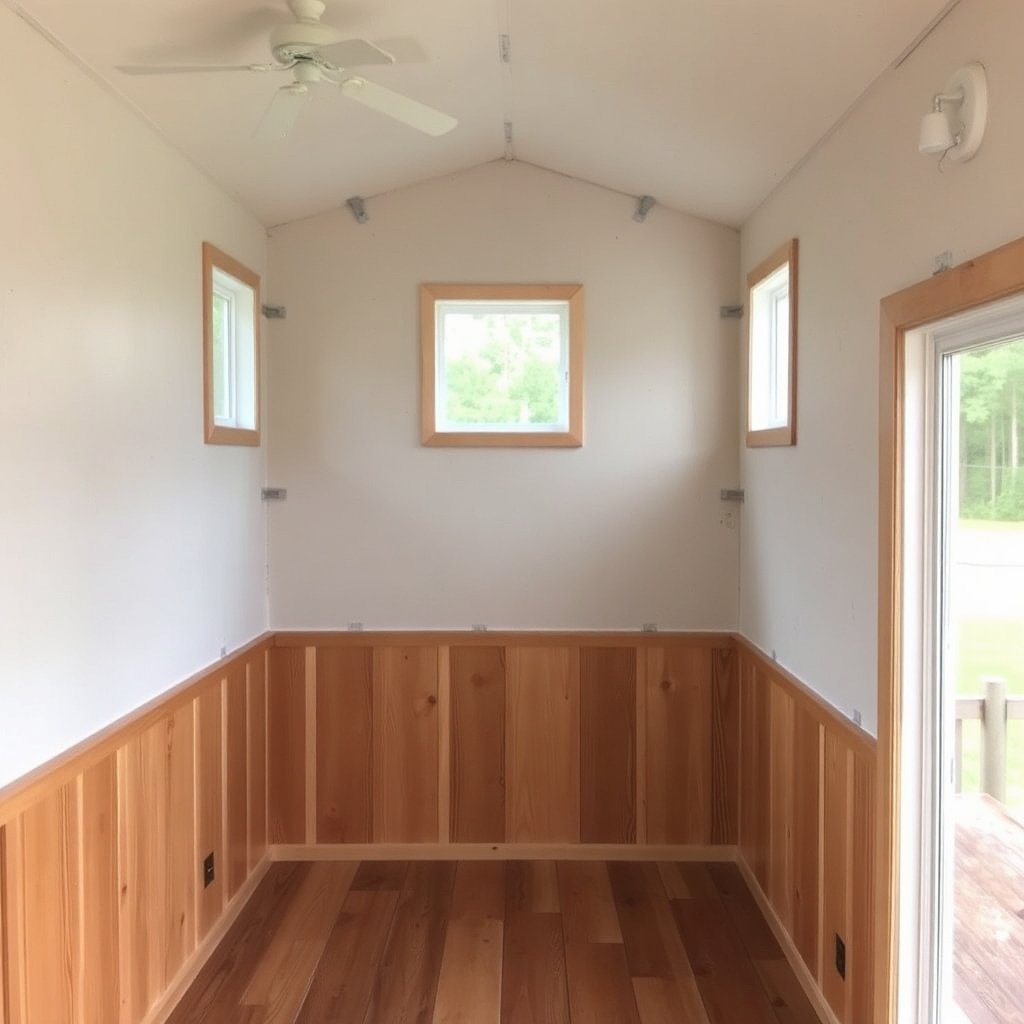
Building Materials Designed to Resist Mold
Selecting mold-resistant drywall, insulation, and paints reduces the chances of mold colonization in vulnerable spaces. These products contain additives that inhibit spore growth even when exposed to moisture.
For exterior surfaces, pressure-treated wood and water-repellent barriers protect framing and siding from moisture intrusion over time.
- Mold-resistant gypsum boards in bathrooms and kitchens
- Closed-cell spray foam insulation
- Exterior water-resistant house wraps and sealants
For more on this, see our related guide: How to Inspect a Lake House Before Buying: A Practical Guide.
Chemical Treatments and Preventatives
Applying mold inhibitors to wood surfaces and applying antimicrobial sprays to existing structures can reduce mold spread. These treatments are especially useful during renovations or after flooding incidents.
Regularly cleaning critical areas with vinegar solutions or commercial mold cleaners also prevents spore buildup on surfaces like window sills and behind cabinets.
Routine Maintenance Practices to Keep Mold at Bay

Regular Inspections and Repairs
Frequent checks for plumbing leaks, gutter clogs, and roof damage prevent water infiltration before mold can develop. Fixing small issues promptly stops mold at the source.
Inspecting the crawlspace and basement for signs of moisture, corrosion, or musty odors helps catch mold early. Using moisture meters can confirm if hidden dampness exists.
- Check for pipe drips and leaks
- Clean gutters and downspouts
- Repair roof shingles and flashing
- Look for water stains and warped wood
Cleaning and Dehumidifying Regularly
Wiping down surfaces prone to dampness and running dehumidifiers during humid seasons maintain a dry indoor environment. Avoid carpeting basements or bathrooms where moisture levels are higher.
Using air purifiers with HEPA filters can also reduce airborne mold spores, minimizing the chance of infestation.
- Wipe condensation-prone windows daily
- Run dehumidifiers during warm months
- Use mold-killing cleaning agents periodically
- Avoid wall-to-wall carpeting in humid areas
Managing Seasonal Changes and Lake House Mold

Preparing for Summer Humidity
Summer months bring high humidity and warm air that can saturate indoor spaces. Keeping HVAC systems tuned and using air conditioning with humidity control lowers moisture content.
Scheduled ventilation during early mornings or late evenings takes advantage of cooler, less humid air to dry interiors.
- Service AC units annually
- Use programmable thermostats
- Ventilate during low humidity times
For more on this, see our related guide: How to Buy a Second Home at the Lake: A Complete Guide.
Winter Considerations for Mold Prevention
In winter, uneven heating and cold surfaces may cause condensation, especially on windows and poorly insulated walls. Using vapor barriers and maintaining steady indoor temperatures reduces this risk.
Ensuring adequate ventilation in attics and crawlspaces prevents trapped moisture buildup during colder months.
- Install vapor barriers under flooring
- Seal windows and doors well
- Monitor indoor humidity with hygrometers
Responding Quickly to Mold Growth

Identifying Early Mold Signs
Visible black or green spots, musty odors, and peeling paint are common early signs of mold growth. Checking behind furniture and inside closets helps detect hidden mold areas.
Small mold patches can often be removed safely with household treatments if addressed early, preventing spread.
- Inspect walls, baseboards, and ceilings regularly
- Watch for lingering damp smells
- Check air conditioning drip pans for algae
For comprehensive regulatory guidance and mold facts, see mold information from the EPA. mold information from the EPA.
Professional Mold Remediation vs. DIY Removal
Small mold outbreaks can be treated with proper cleaning agents and protective gear by homeowners. However, large infestations especially involving porous materials or HVAC systems require professional remediation to avoid health risks and structural damage.
Choosing a certified mold remediation specialist ensures thorough removal and prevention guidance.
- DIY for mold patches under 10 sq. feet
- Hire pros for extensive or hidden mold
- Use mold-resistant materials after cleanup
Lake House Mold Prevention Methods Comparison
The following table summarizes key mold prevention methods for lake houses, highlighting their pros, cons, and best uses.
| Method | Effectiveness | Ease of Implementation | Cost Range | Best Use Case |
|---|---|---|---|---|
| Natural Ventilation | Moderate | Easy | Low | Mild climates during low humidity periods |
| Mechanical Ventilation | High | Moderate | Medium to High | Year-round moisture control |
| Mold-Resistant Materials | High | Moderate | Medium | New construction or renovation projects |
| Chemical Treatments | Moderate | Easy | Low | Maintenance and small mold outbreaks |
| Routine Maintenance | High | Ongoing | Low | Continuous prevention |
| Professional Remediation | Very High | Low (for homeowner) | High | Severe mold infestations |
Frequently Asked Questions
Can I prevent mold in my lake house without expensive equipment?
Yes, regular cleaning, good ventilation, fixing leaks promptly, and using mold-resistant paints can significantly reduce mold risk without costly systems.
How often should I check for mold in a lake house?
Inspect vulnerable areas like basements, bathrooms, and behind furniture at least twice a year, and after extreme weather events.
Is mold removal a DIY project or should I hire a professional?
Small patches (under 10 square feet) can be treated safely by homeowners, but extensive mold should be handled by professionals for thorough removal.
How does the lake’s humidity affect indoor mold growth?
High humidity from the lake increases indoor moisture, making mold more likely unless controlled through ventilation and dehumidification.
What indoor humidity level prevents mold growth effectively?
Maintaining indoor humidity below 60%, ideally between 30-50%, minimizes mold spore germination and growth.
Key Takeaways
- Preventing mold centers on controlling moisture through ventilation and maintenance.
- Using mold-resistant building materials adds an important layer of protection.
- Regular inspections catch moisture and mold early before they spread.
- Seasonal adjustments in ventilation and humidity control help keep mold away.
Conclusion
Deciding how to prevent mold in a lake house involves a practical blend of moisture management, material choice, and ongoing upkeep. Understanding where moisture originates—whether from leaks, condensation, or the lake's humid environment—is the starting point. Efficient ventilation, both natural and mechanical, combined with mold-resistant materials, forms the backbone of protection to ward off mold spores and keep interiors dry and healthy. Establishing a routine inspection and maintenance schedule ensures small issues don’t escalate into costly repairs or health hazards.
For lake house owners in humid regions, integrating mechanical solutions like HVAC systems with dehumidifiers is a worthy investment for year-round control. Meanwhile, those in milder climates will benefit greatly from natural ventilation paired with regular maintenance and mold-resistant paints or drywall during upgrades. Addressing specific seasonal challenges—such as condensation in winter or high summer humidity—by monitoring indoor conditions and adjusting ventilation accordingly preserves a mold-free environment. Swift action on visible mold and using professional remediation when necessary protects both property and wellbeing.
Start your mold prevention plan by inspecting your lake house for leaks and dampness hotspots today. Install humidity monitors and consider upgrading to mold-resistant materials if renovating. Invest in proper ventilation systems, and commit to periodic cleaning and drying of vulnerable spaces. Preventing mold is an ongoing effort that pays off with a healthier, more comfortable lake house to enjoy year after year.