How to Build a Lake House on a Budget: Practical Tips and Strategies
Building a lake house on a budget is achievable by focusing on key cost-saving strategies such as selecting a simple design, choosing affordable materials, and prioritizing essential features. Planning carefully and setting a clear budget early helps you avoid unnecessary expenses while still creating a comfortable, attractive retreat.
Many dream of a serene lake house getaway, but high construction costs often deter prospective builders. However, with the right approach, you can manage expenses without giving up functionality or aesthetic appeal. Understanding where to trim costs and which investments add lasting value is essential to a successful build.
This article will cover important topics including site selection, design choices, material options, construction techniques, and budgeting tips. You will also find a comparison of different construction methods and answers to common questions, helping you confidently build your affordable lake house.
Choosing the Right Location and Site Preparation

Assessing Site Accessibility and Utilities
Selecting a site with easy access and existing utilities can significantly reduce infrastructure costs. Sites farther from roads or lacking septic and water connections require expensive groundwork that can quickly inflate your budget. Look for parcels with electricity and water availability nearby to save on setup fees.
Evaluate the terrain to minimize grading or tree removal. A naturally flat site reduces foundation and landscaping expenses. Also, consider proximity to local services for convenience without requiring long access roads.
- Check for existing utility hookups
- Choose gently sloping or flat land
- Avoid heavily wooded areas needing clearing
Understanding Environmental Regulations and Permitting
Local regulations around lakes often have strict rules on setbacks, septic systems, and environmental impact. Understanding these early helps avoid costly redesigns or fines later. Contact local planning offices for guidelines to design within legal limits and streamline permit approvals.
Obtaining necessary permits before construction is essential. Skipping this step can cause expensive delays and legal problems. Factor permit fees and required inspections into your budget.
- Review setbacks from shoreline
- Investigate septic and waste disposal rules
- Apply for building and environmental permits early
Designing an Affordable Lake House
Prioritizing Simple and Functional Layouts
A straightforward floor plan without complicated angles or multiple levels reduces framing and roofing costs. Rectangular or square shapes are the most cost-effective. Keeping room sizes modest but functional ensures efficient use of space and materials.
Open layouts that combine living, dining, and kitchen areas minimize interior walls and trim. Focus on essential rooms and avoid overbuilding to keep expenses manageable while maintaining livability.
- Choose rectangular or square floor plans
- Limit multi-story designs
- Use open-concept interiors
Incorporating Multi-Use and Modular Spaces
Designing rooms that serve multiple purposes—like a guest bedroom that doubles as an office—helps reduce overall square footage and construction costs. Modular or prefab components can also speed up building and save money while maintaining design flexibility.
Consider built-in storage to decrease the need for additional furniture purchases later, and use adaptable spaces that can evolve with your changing needs.
- Plan rooms for multiple uses
- Explore prefab modules
- Design built-in storage solutions
Selecting Cost-Effective Materials and Finishes

Choosing Durable but Budget-Friendly Exterior Materials
Opting for vinyl siding or engineered wood can replicate the look of pricier materials at a fraction of the cost. These materials require less maintenance and can withstand lakeside weather conditions. Avoid high-end natural stone or exotic wood that inflates prices substantially.
Metal roofing offers longevity and low maintenance while being less expensive than traditional shakes or slate. Assess local climate impacts to pick materials that balance cost and durability.
- Vinyl or engineered wood siding
- Metal roofing instead of cedar shakes
- Stone veneer as an accent, not full cladding
For more on this, see our related guide: How to Build a Seawall: A Practical Guide for Coastal Protection.
Cost-Conscious Interior Finishes and Fixtures
Laminate countertops and vinyl plank flooring imitate premium finishes affordably and hold up well to moisture common in lake houses. Select standard-sized windows and avoid custom designs to lower procurement costs. Simple cabinetry with ready-to-assemble kits saves both material and labor expenses.
Invest in energy-efficient lighting and plumbing fixtures designed to reduce utility bills over time without increasing upfront price significantly.
- Laminate or butcher block countertops
- Vinyl plank flooring
- Standard size windows and kit cabinets
Construction Techniques and Labor Savings
Benefits of Prefabricated and Modular Construction
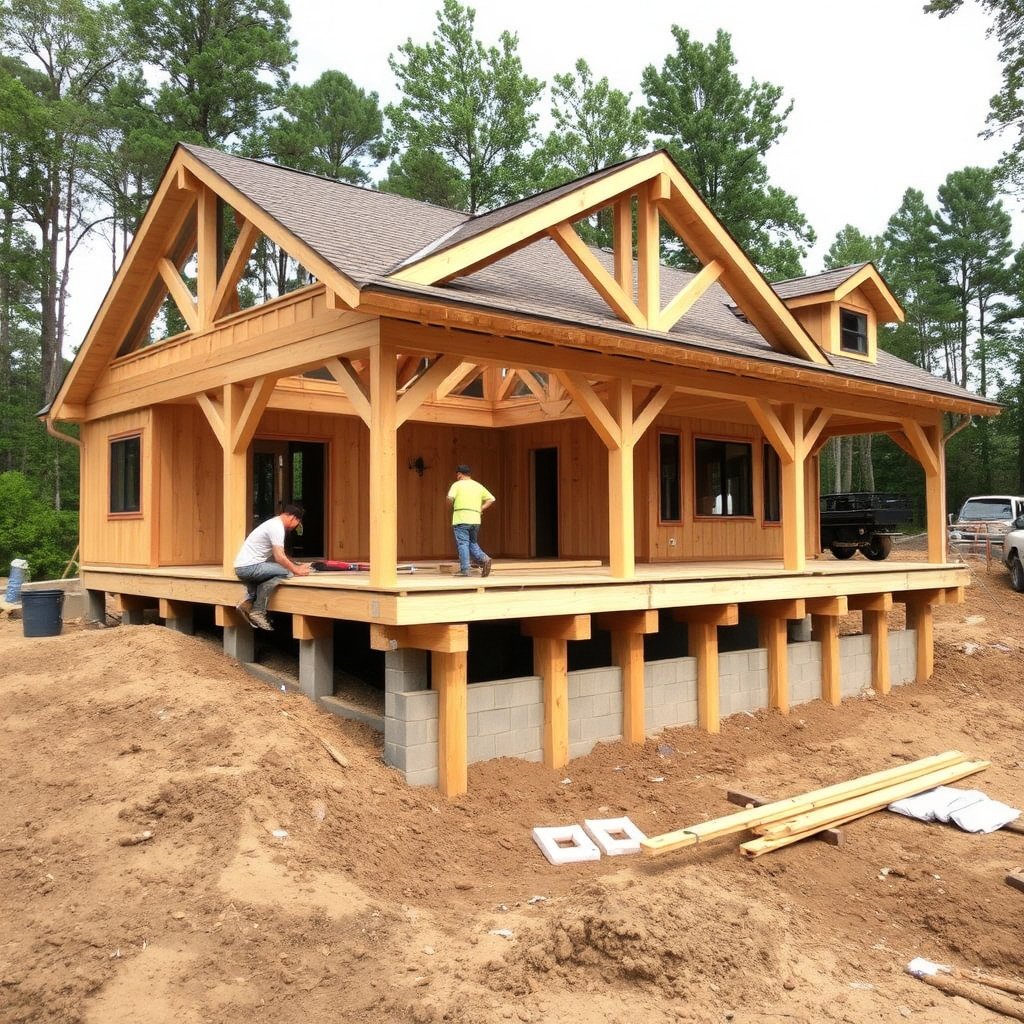
Prefabricated components built offsite allow for faster assembly and minimize labor costs onsite. Modular building reduces waste, speeds up construction in unpredictable weather, and often comes with quality control advantages. These methods can be highly cost-effective for budget-conscious lake house projects.
Consider companies specializing in prefabricated lake house kits as they often optimize designs for material savings and efficient construction.
- Reduced onsite construction time
- Lower labor costs
- Minimized material waste
Doing Some Work Yourself to Reduce Expenses
Taking on manageable tasks such as painting, landscaping, or installing fixtures can save thousands in labor fees. However, complex systems like electrical or plumbing should be left to licensed professionals to avoid code issues and extra costs later.
Realistically gauge your skills and time availability when planning DIY tasks to keep the project on schedule and within budget.
- DIY painting and finishes
- Landscaping and exterior cleanup
- Avoid complex electrical or plumbing work
Budget Planning and Financing Options for Lake Houses
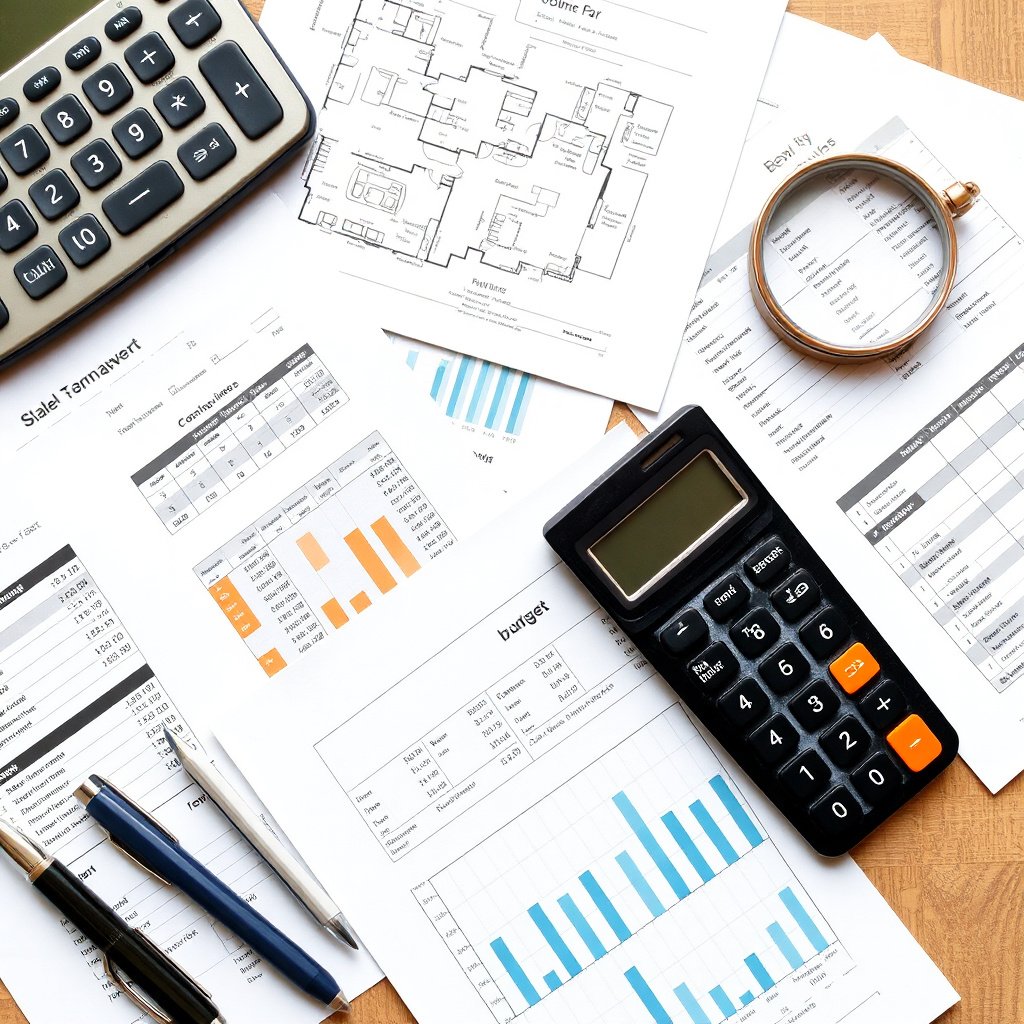
Creating a Detailed, Realistic Construction Budget
Breaking down costs into categories like site prep, materials, labor, permits, and contingencies helps track spending and identify areas to cut back. Include a buffer of at least 10-15% for unexpected expenses, common in remote lakefront builds.
Use quotes from multiple contractors and suppliers to get competitive pricing and avoid surprises. Update the budget regularly as project details evolve.
- Itemize all cost categories
- Add a contingency reserve
- Obtain multiple quotes
For more on this, see our related guide: Can You Buy a Lake House with Cash? A Practical Guide.
Exploring Financing and Incentives for Lake Homes
Traditional mortgages, construction loans, and home equity lines of credit each have different terms suited for building a lake house. Research local government or environmental grants that support low-impact building or energy-efficiency improvements near waterways.
Working with lenders familiar with lake property constructions eases the process and can result in better loan terms.
- Compare mortgage and construction loan options
- Check for local incentives or grants
- Choose lenders experienced with lake properties
Maintaining Your Budget During Construction
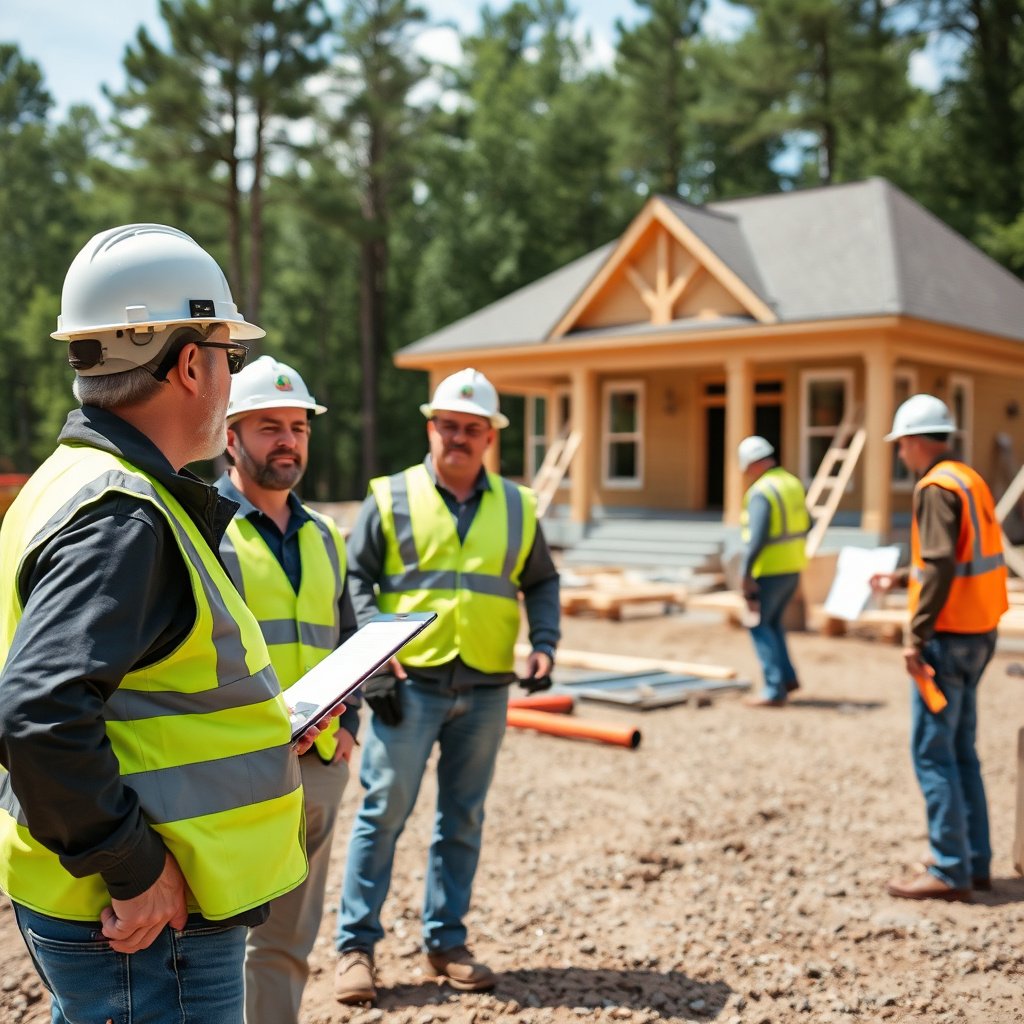
Effective Communication and Project Management
Regularly communicating with your builder and reviewing progress prevents costly misunderstandings or deviations from the plan. Keeping a shared schedule and budget worksheet helps all parties stay focused on agreed priorities and expenses.
Address unexpected issues quickly to avoid cascading delays and rising costs. Clear documentation of changes reduces potential disputes.
- Hold weekly project updates
- Use shared budget and schedule tools
- Document all change orders
For a deeper understanding of lake house characteristics and construction considerations, see these detailed lake house building guidelines. lake house building guidelines.
Prioritizing Upgrades and Add-Ons After Initial Build
Focus first on completing essential elements like a finished foundation, waterproofing, and utilities. Cosmetic upgrades, landscaping, and luxury features can often be deferred until the basic house is functional, spreading costs over time.
This allows you to live in the lake house sooner while building equity and saving for enhancements later.
- Complete essential construction first
- Defer luxury features
- Plan phased upgrades
Lake House Construction Methods Comparison
Explore the differences between popular building methods for lake houses, considering cost, speed, and flexibility to find the best match for your budget.
| Construction Method | Average Cost per Sq Ft | Build Time | Customization Level | Durability |
|---|---|---|---|---|
| Traditional Stick-Built | $150 – $250 | 4-6 months | High | High |
| Modular Construction | $120 – $200 | 2-4 months | Moderate | High |
| Prefab Panelized | $100 – $180 | 3-5 months | Moderate | Moderate |
| Log Home Kits | $130 – $220 | 4-7 months | Moderate | High |
| Tiny House on Foundation | $90 – $150 | 2-3 months | Limited | Moderate |
Frequently Asked Questions
Can I build a lake house myself to save money?
You can save money by doing some non-technical work like painting or landscaping, but complex tasks such as plumbing and electrical should be handled by professionals to ensure safety and code compliance.
What are the most budget-friendly materials for a lake house exterior?
Vinyl siding, engineered wood, and metal roofing are cost-effective exterior options that provide durability and low maintenance for lake houses.
How can I finance the construction of a lake house affordably?
Options include construction loans, home equity lines of credit, and traditional mortgages. Research local grants or incentives that support environmentally friendly building on lakefronts.
What is the best way to reduce construction time for a lake house?
Using modular or prefabricated construction techniques can significantly cut build time compared to traditional stick-built methods.
Are there special permits required for building on a lakefront?
Yes, most areas require permits that address environmental impact, septic systems, and shoreline setbacks. Early consultation with local authorities can clarify requirements.
Key Takeaways
- Site selection and utility access heavily influence overall budget
- Simple, functional designs reduce construction and material costs
- Prefabricated and modular methods offer time and labor savings
- Careful budgeting and project management prevent cost overruns
Conclusion
Building a lake house on a budget demands careful prioritization of design simplicity, material choices, and construction methods. By focusing on a practical layout and selecting cost-effective materials, you can control expenses without sacrificing quality. Early planning around site conditions and local regulations is critical to avoid unexpected costs or delays. Maintaining clear communication with builders and monitoring budget progress also helps keep the project on track.
If you prefer faster construction with moderate customization, modular or prefabricated panelized homes are solid choices fitting an affordable lake house construction plan. Traditional stick-built homes offer more customization but generally increase costs and timelines. For those with DIY skills, tackling some finishing work can yield further savings. Meanwhile, financing options range from construction loans to local grants supporting lakefront building projects, offering resources to fund your vision affordably.
Starting with thorough research into your local site, budgets, and regulations positions you to build confidently within your means. Approach the process step-by-step: secure a suitable lot, design for efficiency, plan expenses carefully, and work with trusted professionals. This pragmatic approach ensures your lake house dream becomes a welcoming reality without financial strain.