How to Maintain a Seawall for Long-Lasting Coastal Protection
Maintaining a seawall involves regular inspection, timely repairs, and preventing water damage to ensure it continues protecting your shoreline effectively. Routine cleaning and addressing early signs of wear like cracks or erosion are essential steps in seawall maintenance.
Seawalls shield coastal properties from waves, storms, and erosion, making their upkeep critical to sustain their structural integrity and prevent costly damage. Without proper maintenance, seawalls can degrade quickly, reducing their effectiveness and putting nearby land at risk.
This article covers key seawall maintenance practices, common problems to watch for, repair methods, and preventive measures. Following these guidelines helps extend the seawall’s lifespan and keeps your waterfront secure.
Inspecting Your Seawall Regularly
Visual Inspection Techniques
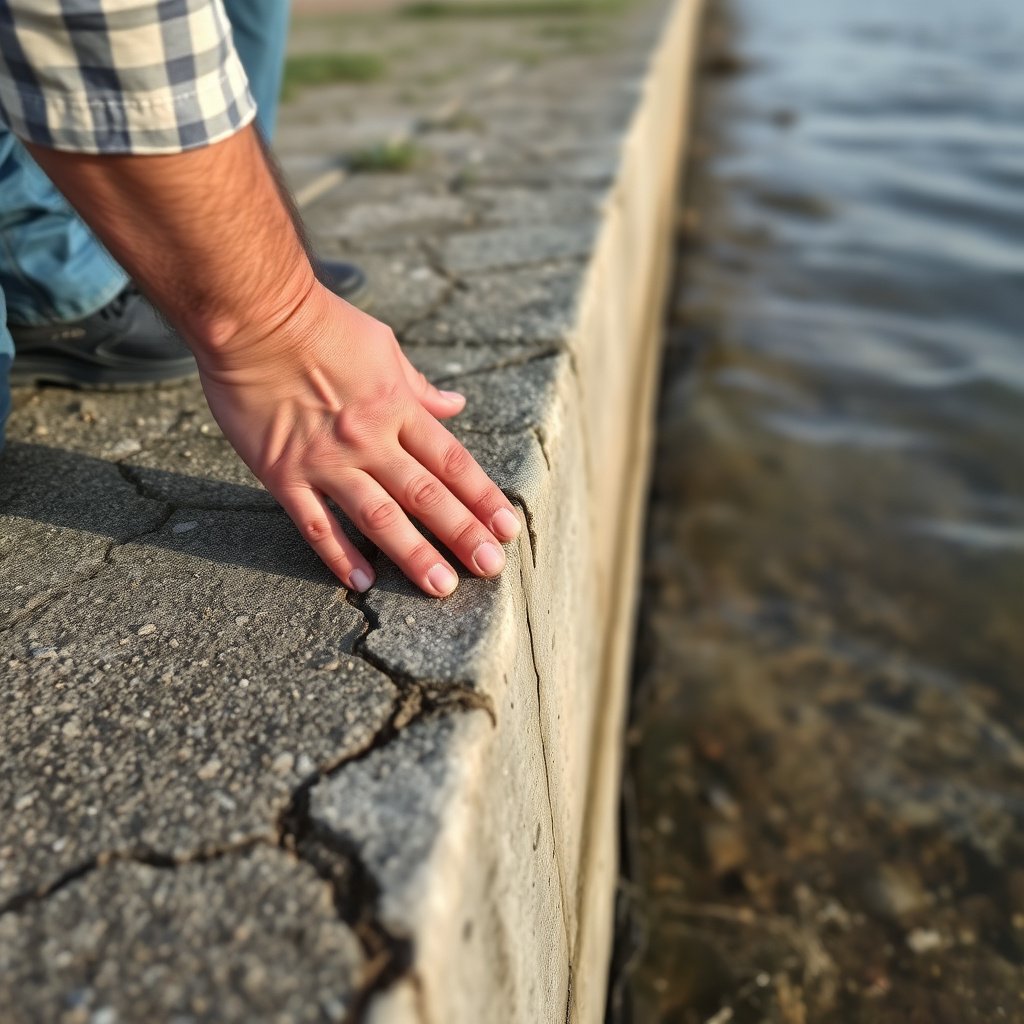
Carry out visual inspections of the seawall at least twice a year and after severe weather events. Look for cracks, chips, leaning sections, and exposed reinforcement steel which may signal weakening.
Use binoculars to check hard-to-reach areas and document any damage with photos to track the progression over time.
- Check for cracks or holes
- Look for displacement or leaning
- Monitor discoloration or rust stains
- Inspect for biological growth or marine organism damage
Using Technology for Assessment
For more detailed evaluations, consider hiring professionals to perform sonar scans or underwater inspections. These methods reveal subsurface damage or erosion hidden beneath the waterline.
Regular monitoring software and cameras can provide real-time data on movement or stress in critical areas, helping to plan maintenance more proactively.
Common Causes of Seawall Damage

Environmental Stressors
Waves, tidal currents, and storms constantly batter seawalls causing wear and eventual damage. Saltwater accelerates corrosion of steel reinforcements.
Freeze-thaw cycles in colder climates can cause cracking, while marine organisms may bore into wooden or composite materials, undermining structural integrity.
- Wave impact and abrasion
- Saltwater corrosion
- Freeze-thaw damage
- Marine organism invasion
Human and Mechanical Impact
Boat wakes and recreational activities near the seawall can erode foundations or cause minor structural impacts. Improper installation of adjacent construction may also compromise the seawall.
Heavy maintenance equipment used incorrectly can cause surface crushing or dislodging of protective layers.
- Boat wake erosion
- Construction vibrations
- Vehicle or equipment damage
Seawall Repair Techniques
Concrete Patch Repairs
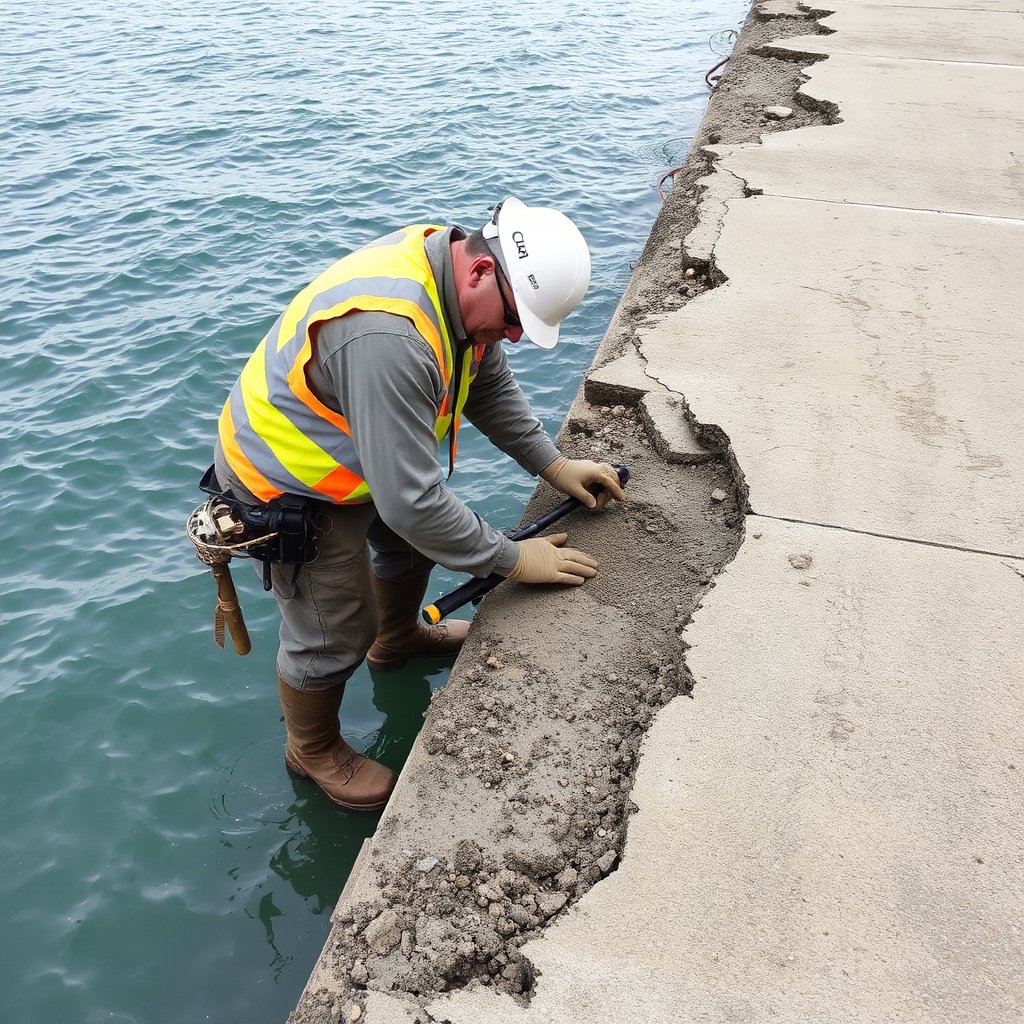
Small cracks and surface spalls can be repaired by removing unstable material and applying marine-grade concrete patching compounds. Proper curing is necessary to maximize durability.
Ensure the surface is clean and dry before patching; otherwise, the repair may fail prematurely.
- Remove loose concrete
- Clean surface thoroughly
- Apply patch material evenly
- Allow sufficient curing time
For more on this, see our related guide: What Is the Average Cost of a Seawall? A Detailed Pricing Guide.
Structural Reinforcement and Replacement
Severe damage like large cracks or leaning sections may require installing steel reinforcement bars or replacing sections of the seawall. Hiring experienced contractors is recommended for these complex repairs.
Rebuilding damaged segments with corrosion-resistant materials can increase longevity.
- Install new rebar supports
- Replace compromised panels
- Use corrosion-resistant materials
Preventive Maintenance Practices

Regular Cleaning and Debris Removal
Keeping the seawall free of algae, barnacles, and debris prevents surface damage and reduces slip hazards. Use gentle pressure washing to clean without damaging the wall.
Avoid harsh chemicals that may degrade concrete or painted surfaces.
- Wash off algae and dirt regularly
- Clear accumulated debris
- Use mild, non-corrosive cleaning agents
Erosion Control Measures
Installing riprap or vegetation near the seawall base can reduce erosion caused by wave energy and stabilize surrounding soil. These measures also lessen pressure on the seawall itself.
Monitor shoreline changes and reinforce weak spots early.
- Apply riprap boulders
- Plant suitable shoreline vegetation
- Regularly check soil stability
Material-Specific Maintenance Tips
Concrete and Masonry Seawalls
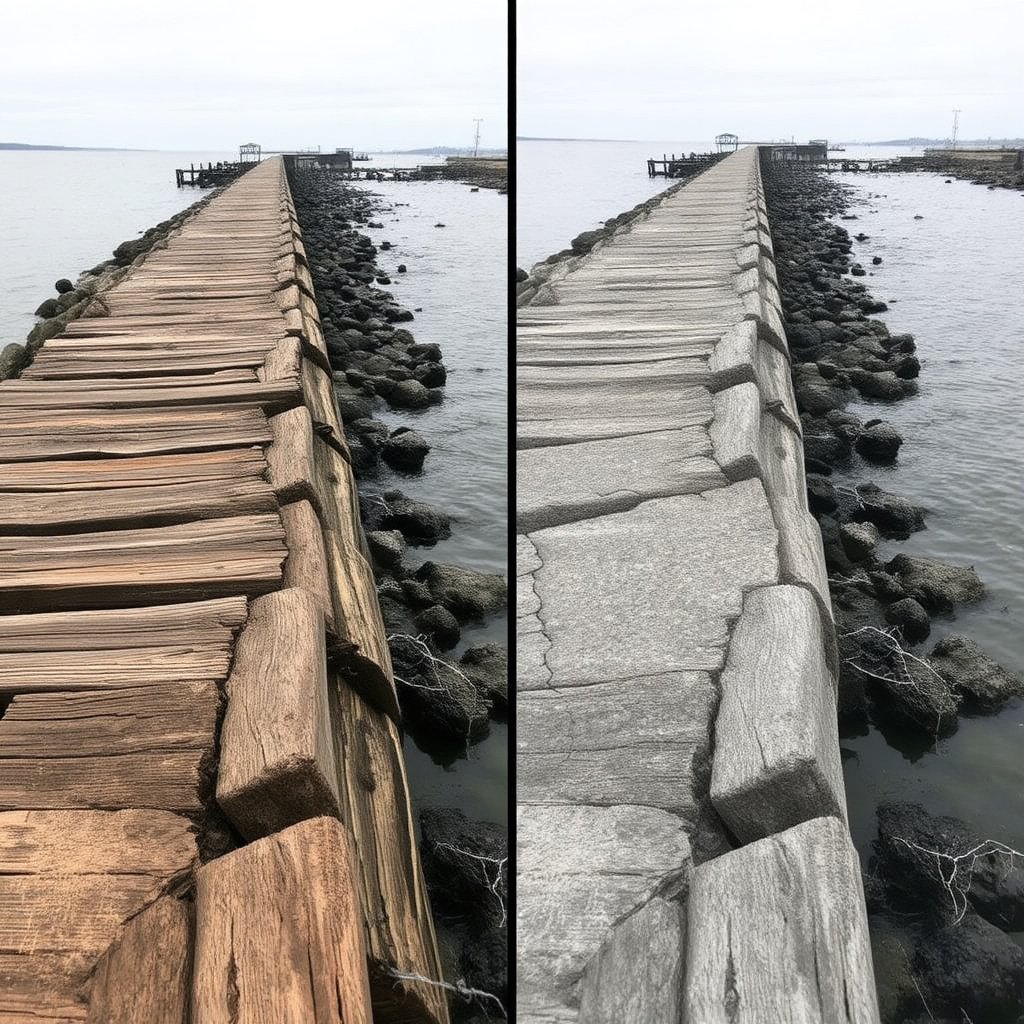
Concrete seawalls require patching cracks promptly and sealing joints to keep out water. Inspect for spalling where the surface flakes off due to freeze-thaw damage or corrosion.
Periodic resurfacing or protective coatings help extend lifespan against harsh saltwater conditions.
- Patch spalls and cracks
- Seal joints and edges
- Apply protective coatings periodically
For more on this, see our related guide: Is a Lake House Hard to Maintain? What You Need to Know.
Wooden and Composite Seawalls
Wooden seawalls should be checked for rot, marine borer damage, and loose fasteners. Treat wood with preservatives and replace damaged planks promptly to prevent failure.
Composite materials need cleansing and inspection for warping or delamination.
- Inspect for rot and insects
- Retighten or replace fasteners
- Apply wood preservatives regularly
Professional Services and When to Hire Them

Choosing Qualified Contractors
Complex repairs or structural assessments should be handled by licensed marine contractors or engineers experienced in coastal structures. They will provide accurate diagnostics and durable solutions.
Verify credentials, insurance, and prior project experience before hiring.
- Check professional licenses
- Review previous projects
- Confirm insurance coverage
For further details on seawall engineering and best practices, consult the authoritative resource from the U.S. Army Corps of Engineers. Seawall information from the U.S. Army Corps of Engineers.
Cost vs. DIY Considerations
Minor repairs like patching and cleaning are feasible for most property owners, helping save costs. However, safety risks and technical challenges in major repairs often justify professional help.
Regular DIY maintenance combined with scheduled professional inspections offers a balanced approach.
Seawall Material Category Comparison
Here is a comparison of common seawall materials, their durability, maintenance needs, and costs to help decide what suits your coastal property best.
| Material | Durability | Maintenance Frequency | Typical Cost per Linear Foot | Environmental Impact |
|---|---|---|---|---|
| Concrete | High | Medium | $150 – $250 | Moderate |
| Wood | Medium | High | $100 – $200 | Low to Moderate |
| Steel | High | Medium to High | $200 – $300 | High due to corrosion risks |
| Vinyl/Composite | Medium | Low | $120 – $220 | Low |
| Riprap Stone | High | Low | $80 – $180 | Low |
Frequently Asked Questions
How often should I inspect my seawall?
Inspect your seawall twice a year and after storms to catch any early damage before it worsens.
Can I repair minor cracks myself?
Yes, small cracks can be patched with marine-grade concrete compounds safely with proper surface preparation.
What causes erosion around seawalls?
Wave action, boat wakes, and poor drainage frequently cause erosion near seawalls, threatening their foundation.
When is professional seawall repair necessary?
Major structural issues like leaning or large cracks need professional expertise for safe and lasting repairs.
Are wooden seawalls durable?
Wooden seawalls require regular maintenance to avoid rot and marine borer damage, which limits their long-term durability.
Key Takeaways
- Regular inspections and timely repairs extend seawall lifespan.
- Environmental and human factors both contribute to seawall damage.
- Material choice affects maintenance frequency and durability.
- Professional help is recommended for structural issues.
Conclusion
Maintaining a seawall involves a consistent routine of inspections, cleaning, and timely repairs that address both surface wear and structural concerns. Understanding the causes of damage and material-specific vulnerabilities guides how best to protect your investment and shoreline. Using both DIY upkeep and professional services balances cost and safety to keep your seawall performing well through all seasons.
For homeowners with concrete seawalls, monitoring for cracks and spalling and applying protective coatings can prevent costly deterioration. Wooden seawalls demand more frequent attention with preservatives and damage checks to avoid rot and marine insect problems. Choosing the appropriate repair technique based on the severity of damage—patching minor cracks versus full section replacement—ensures long-term stability. Adding erosion control features like riprap or vegetation adds an extra layer of protection for any seawall type.
The next step after learning how to maintain a seawall is establishing a maintenance schedule tailored to your seawall’s material and local environmental conditions. Regular professional inspections every few years help spot hidden issues early. Taking these proactive measures not only prolongs the seawall’s life but also safeguards your property against future coastal threats effectively.