How to Buy a Condo on a Lake: A Step-by-Step Guide for Waterfront Living
Buying a condo on a lake is about more than just the property itself—it involves selecting the right location, understanding waterfront access, and evaluating community rules. A solid approach starts with identifying lakeside condos that fit your lifestyle and budget, then carefully examining their legal and physical attributes such as shoreline rights, HOA policies, and flood risks.
Living by the water offers unique recreational and aesthetic benefits, but it also requires an understanding of maintenance specifics and environmental factors unique to lakefront properties. Many condos on lakes come with shared amenities and responsibilities, influencing both daily life and long-term investment value.
This article covers the key factors anyone looking to buy a condo on a lake should consider. You'll find guidance on finding the right location, inspecting properties for waterfront features, reviewing financial and legal details, understanding community regulations, and comparing different types of lakefront condos.
Understanding Lakefront Condo Locations
Evaluating Lake Size and Water Quality
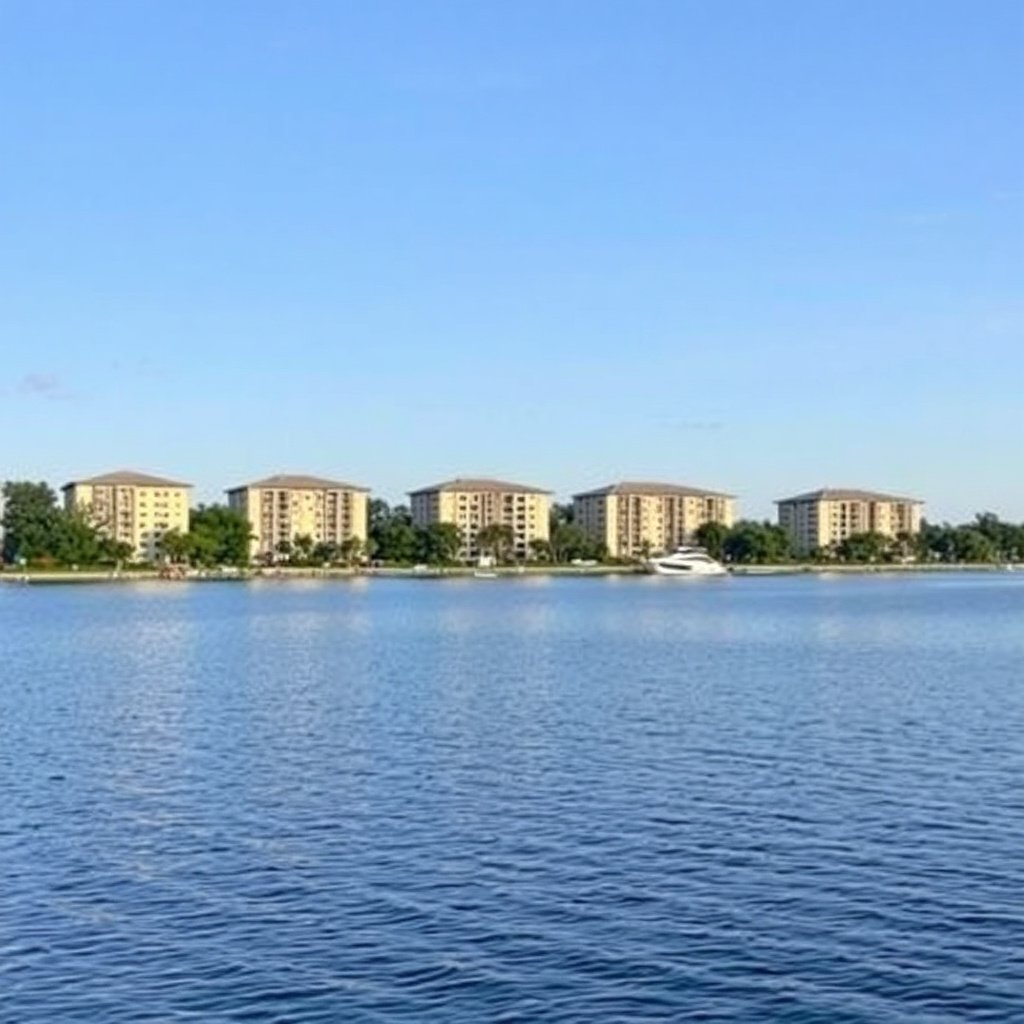
The size and condition of the lake significantly affect the living experience and property value. Larger lakes often provide better boating options and more privacy, while smaller lakes may offer a quieter environment with limited watercraft traffic. Water quality is equally important to confirm through local reports or environmental tests, as it impacts recreation and health.
Prospective buyers should ask about lake maintenance efforts, frequency of algae blooms, and long-term water management plans. A vibrant, clean lake adds appeal and reduces potential nuisance or health risks, making it a priority during your search.
- Check for lake pollution or invasive species alerts
- Understand local environmental protection laws
- Assess accessibility for water activities
Proximity to Amenities and Infrastructure
Living on a lake often means balancing natural beauty with access to daily conveniences. Consider how close the condo is to grocery stores, healthcare, schools, and emergency services. Roads and connectivity also matter; lakeside properties sometimes face challenges with winter access or limited public transit.
Additionally, check for community amenities such as docks, boat ramps, swimming areas, and walking trails that enhance the appeal and lifestyle options offered by the condo development.
- Distance to nearest town or city center
- Availability of utilities and high-speed internet
- Public transportation options near the condo
Inspecting the Waterfront Features of the Condo
Assessing Shoreline Access and Usage Rights
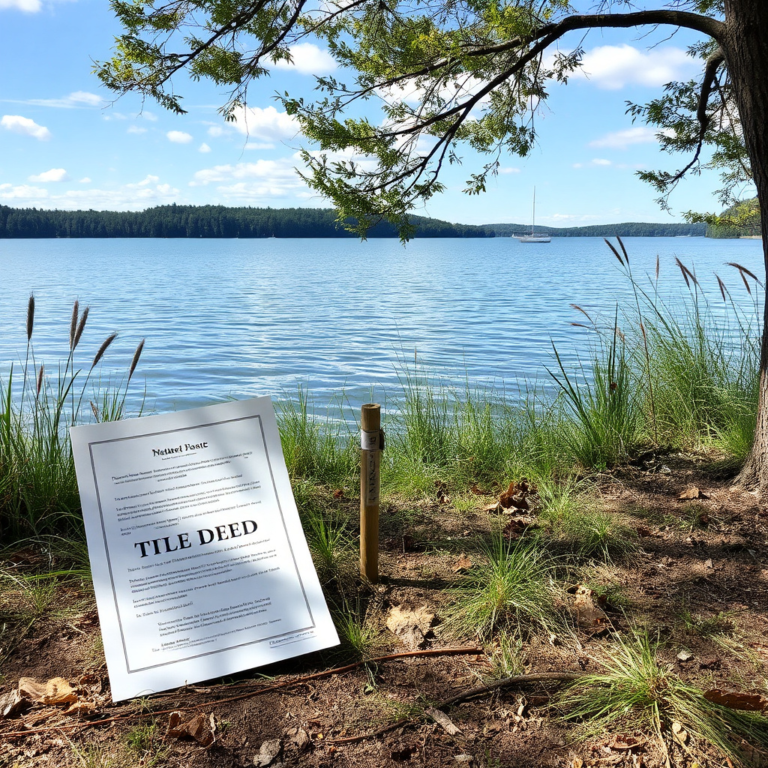
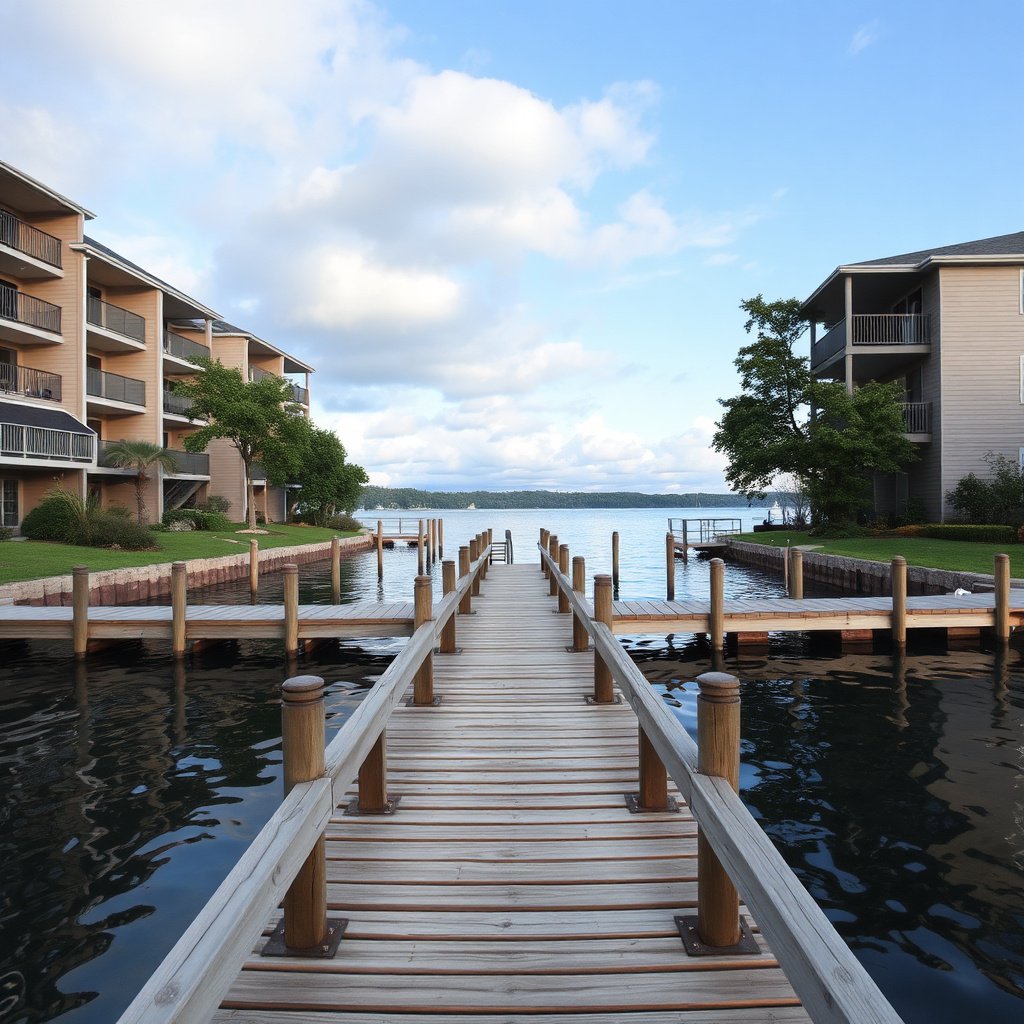
One of the most critical aspects of buying a condo on a lake is understanding the type of shoreline access you will have. Some condos offer private docks or swim areas, while others have shared or limited access. Confirm whether the property deed includes littoral rights and if there are any easements or restrictions.
Clarify what shoreline maintenance responsibilities the condo association holds versus what falls to individual owners. Limited or disputed access can profoundly affect use and enjoyment, so scrutinize these legal details during your due diligence.
- Review property deed for lakefront rights
- Ask about dock or pier ownership
- Understand HOA policies on waterfront use
Evaluating Flood Risk and Shoreline Stability
Lakefront condos face specific environmental challenges like flooding and shoreline erosion. Research the area's flood zone designation and check past history of rising water levels. These factors might influence your insurance costs and safety planning.
Inspect the physical shoreline condition to see if erosion control measures exist, such as retaining walls, and whether they comply with local ordinances. Recognizing these issues helps prevent unforeseen damage and costly repairs later.
- Check FEMA flood maps for the location
- Confirm presence of shoreline stabilization
- Review drainage systems around the condo
Financial Considerations When Buying a Lakefront Condo

Understanding Pricing Trends and Market Value
Lakefront condos generally command a premium due to their desirable locations. Prices can vary widely depending on lake size, amenities, and development quality. Research recent sales to understand market trends and compare similar properties.
Be cautious of overpaying due to emotional attachment to waterfront views. Employ local real estate experts familiar with the area to get accurate valuations and negotiate effectively.
- Review historic price appreciation in the area
- Compare with inland condos for price perspective
- Factor in long-term value retention
For more on this, see our related guide: Is It Better to Buy a Condo or a House at the Lake? A Practical Guide.
Assessing HOA Fees and Additional Costs
Condominiums on lakes often involve homeowners' association (HOA) fees that cover maintenance of common areas, docks, and sometimes insurance. These fees can vary significantly and might increase over time based on the upkeep required for waterfront facilities.
Besides HOA fees, consider costs specific to waterfront living such as flood insurance, property taxes, and potential costs for environmental compliance or mandatory inspections.
- Request detailed HOA fee breakdowns
- Confirm coverage for shoreline maintenance
- Anticipate insurance premiums for flood zones
Legal and Regulatory Factors in Lakefront Condo Purchases

Reviewing Condo Association Rules and Restrictions
Lakefront condos are frequently governed by strict association rules to preserve the natural setting and manage shared resources. These can include restrictions on boat sizes, noise levels, dock modifications, and pet policies.
Buyers should carefully review the association’s covenants, conditions, and restrictions (CC&Rs) before purchasing. Understanding these can prevent unexpected conflicts and ensure your lifestyle preferences align with community standards.
- Examine rules about watercraft and dock usage
- Confirm pet and rental policies
- Investigate community event or noise regulations
Navigating Environmental Regulations and Permits
Waterfront properties are subject to environmental regulations aimed at protecting water quality and ecosystems. Some areas require permits for shoreline modifications or landscaping near the water.
Before finalizing a purchase, get familiar with local, state, and federal regulations that apply to the condo and any potential improvements. This helps avoid legal issues and permits delays in future projects.
- Check for wetland protection laws
- Confirm requirements for shoreline alterations
- Understand penalties for non-compliance
Types of Lakefront Condos and Their Differences
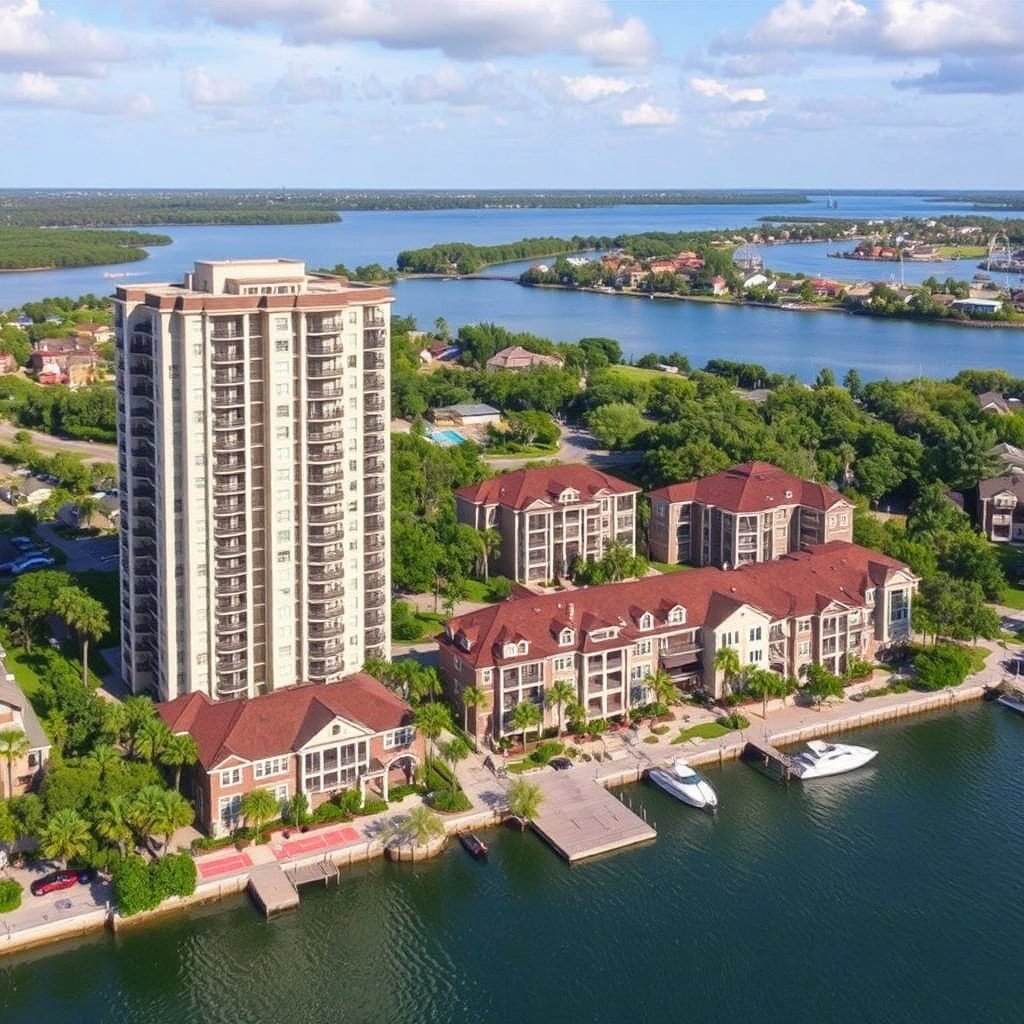
High-Rise vs Low-Rise Lake Condos
High-rise lakefront condos often provide expansive water views from multiple floors and offer extensive amenities, but they may lack direct water access. In contrast, low-rise or townhouse-style condos typically sit closer to the shore with easier access to docks and lake activities but have fewer communal features.
Deciding between these types depends on your priority for privacy, views, access, and lifestyle.
- High-rise: panoramic views, more amenities
- Low-rise: closer to shore, easier water access
For more on this, see our related guide: How to Buy a Lakefront Home: A Practical Guide to Waterfront Living.
New Developments vs Established Communities
Newly built lakefront condos may feature modern designs and updated infrastructure, but often come at a higher price and possible construction delays. Established communities provide immediate move-in readiness and mature landscaping, though they might require more maintenance or renovations.
Consider your timeline and willingness to invest in upgrades when choosing between these options.
- New developments: modern, warranty coverage
- Established condos: character, known community
Waterfront Condo Buying Tips for a Smooth Purchase

Working with Specialists and Inspectors
Given the unique challenges of purchasing a lakefront condo, it helps to hire a real estate agent familiar with waterfront properties. Additionally, specialized inspectors can assess shoreline stability, flood risks, and structural elements influenced by proximity to water.
This professional input reduces surprises during and after the purchase, providing peace of mind and better negotiation leverage.
- Choose agents with waterfront condo experience
- Schedule inspections for lake-related risks
- Consult legal professionals on property rights
For more details on lakeshore property considerations, you can explore additional resources on lakeshore classification and rights. Lakeshore property information.
Negotiating Terms and Finalizing the Deal
Negotiation might involve not just price but also contingencies related to the lake condition, HOA fee adjustments, or required repairs. Being flexible on closing dates and understanding seller motivations can facilitate a successful agreement.
Ensure all promises related to waterfront amenities and access are clearly documented. A thorough review of contracts by a lawyer experienced in lakefront real estate is strongly recommended to safeguard your interests.
- Include contingencies for water quality and access
- Clarify all HOA obligations before closing
- Document any included docks or equipment
Lakefront Condo Types Comparison
Comparing popular types of lakefront condos helps highlight differences in lifestyle, access, and costs.
| Condo Type | Waterfront Access | Typical Price Range | Common Amenities | Maintenance Responsibility |
|---|---|---|---|---|
| High-Rise Condo | Limited direct access, views from height | $300,000 – $1,200,000 | Pools, gyms, secure parking | HOA handles exterior and common areas |
| Low-Rise/Townhouse | Direct access, private or shared docks | $250,000 – $900,000 | Shared docks, boat ramps, walking trails | HOA shares shoreline upkeep, owners manage unit interiors |
| New Development | Usually engineered access included | $350,000 – $1,500,000 | Modern design, smart tech, amenities | HOA fees often higher due to new facilities |
| Established Community | Access varies, often established docks | $200,000 – $800,000 | Mature landscaping, community events | Variable HOA fees, possible renovation needs |
| Luxury Waterfront | Private docks, beachfront access | $900,000 and up | High-end amenities, concierge services | HOA and owners share extensive maintenance |
Frequently Asked Questions
Can I get flood insurance for a condo on a lake?
Yes, flood insurance is available for lakefront condos, though rates depend on flood zone classification. It's important to check FEMA maps early and budget for this potential expense since lake proximity increases flood risk.
What are littoral rights in lakefront properties?
Littoral rights refer to the legal rights of property owners whose land borders a lake to access and use the shoreline and water. These rights can vary and impact dock placement, water use, and shoreline modifications.
How do HOA fees for lakefront condos differ from inland condos?
Lakefront HOA fees tend to be higher due to shared costs for maintaining docks, shoreline landscaping, and water safety measures. These fees cover amenities specific to waterfront living not found in typical inland developments.
Are there restrictions on boats in lakefront condo communities?
Many lakefront condos enforce rules about boat sizes, types, and speeds to protect residents and maintain water quality. Always review HOA policies before buying to ensure they match your boating needs.
What should I look for during an inspection of a lakefront condo?
Focus on shoreline stability, signs of water damage, drainage, flood risk, and structural condition affected by moisture. Specialized inspections for waterfront properties are advisable.
Key Takeaways
- Location and water quality heavily influence lakefront condo value and enjoyment
- Understand property rights and shoreline access before purchase
- Factor in HOA fees and flood insurance costs unique to waterfront living
- Consult specialists familiar with lakefront properties for inspections and legal reviews
Conclusion
When deciding how to buy a condo on a lake, begin by considering what aspects of lakeside living matter most to you—whether it's direct water access, community amenities, or proximity to local infrastructure. A clear understanding of environmental factors, such as lake size and water quality, combined with thorough legal and financial reviews, sets the foundation for a confident purchase decision. Always investigate the specifics of shoreline rights and association rules to avoid surprises and protect your investment.
For buyers prioritizing stunning views and extensive amenities, high-rise lakefront condos or new developments might be the best fit, despite potentially higher costs and limited water access. Those seeking a more hands-on waterfront lifestyle should explore low-rise or townhouse-style condos offering private docks and immediate lake access. Established communities often allow for more character and potentially lower prices but may require renovations. Assessing these options against your budget and lifestyle preferences guides you toward the right choice.
Start your path to lakefront condo ownership by assembling a team of knowledgeable real estate professionals, inspectors, and legal advisors who specialize in waterfront properties. Use their insights to scrutinize listings, negotiate terms that reflect the unique challenges of waterfront living, and secure financing mindful of additional costs like flood insurance. With careful due diligence and planning, you can enjoy the serenity and recreation that come with owning a condo on a lake.