How Long Does a House Stay on the Market? A Real Estate Timeline Explained
The average house stays on the market for about 30 to 60 days, but this period can vary widely depending on location, price, market conditions, and property condition. Understanding this timeline helps sellers set realistic expectations and plan their next moves.
Knowing how long a house remains listed before selling matters because it influences pricing strategies and marketing efforts. A house that lingers too long may signal overpricing or other issues, while a quick sale might reflect strong demand or a well-priced property.
This article breaks down the key factors that affect a house’s time on market, explores regional differences, compares market types, and offers practical tips to reduce selling time. You'll also find a detailed comparison of housing categories and common buyer questions.
Factors Affecting How Long a House Stays on the Market
Pricing and Market Conditions
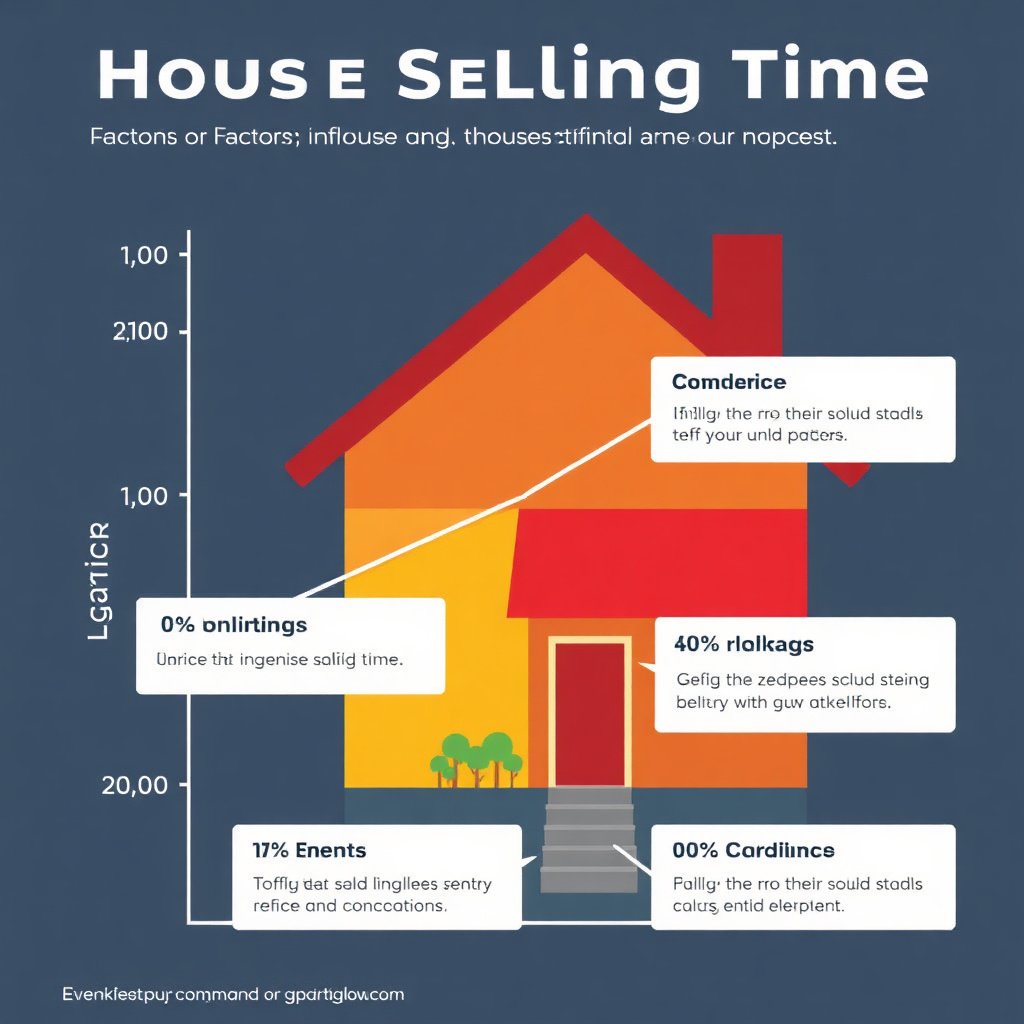
Pricing a home competitively is one of the main drivers of how long it remains on the market. Overpriced homes tend to sit longer because buyers compare multiple options and wait for price reductions.
Market conditions such as a buyer's market or seller's market also impact selling times. In a seller's market with high demand, homes sell faster. Conversely, in a buyer's market, properties take longer due to less competition among buyers.
- Correct pricing matches current market trends
- Seller’s market shortens time on market
- Buyer’s market lengthens time on market
Location and Neighborhood Appeal
The property's location heavily influences its market time. Desirable neighborhoods with good schools, amenities, and low crime rates attract more buyers quickly.
Conversely, properties in less accessible or less popular areas may take longer to sell. Proximity to public transport and community features can also speed up the selling process.
- Highly-ranked school districts sell faster
- Access to amenities boosts buyer interest
- Remote locations might extend market time
House Condition and Presentation

Impact of Renovations and Repairs
Homes that are well-maintained and updated typically sell faster. Buyers prefer move-in ready properties as they minimize additional expense and hassle.
Necessary repairs or outdated features often discourage offers or lower the offer price, increasing the time on market as buyers evaluate renovation costs.
- Fresh paint and updated kitchens attract buyers
- Visible repairs or damages prolong selling time
- Minor improvements can reduce time on market
The Role of Staging and Photography
Staging a home effectively highlights its best features and helps buyers visualize living there. Professional photos online can significantly increase interest and reduce time on market.
Unstaged homes or low-quality photos deters many prospective buyers, leading to fewer showings and extended listing durations.
- Staging creates emotional connection for buyers
- Quality photos improve online listing visibility
- Empty or cluttered spaces decrease buyer appeal
Seasonal and Regional Market Trends
Seasonal Selling Patterns
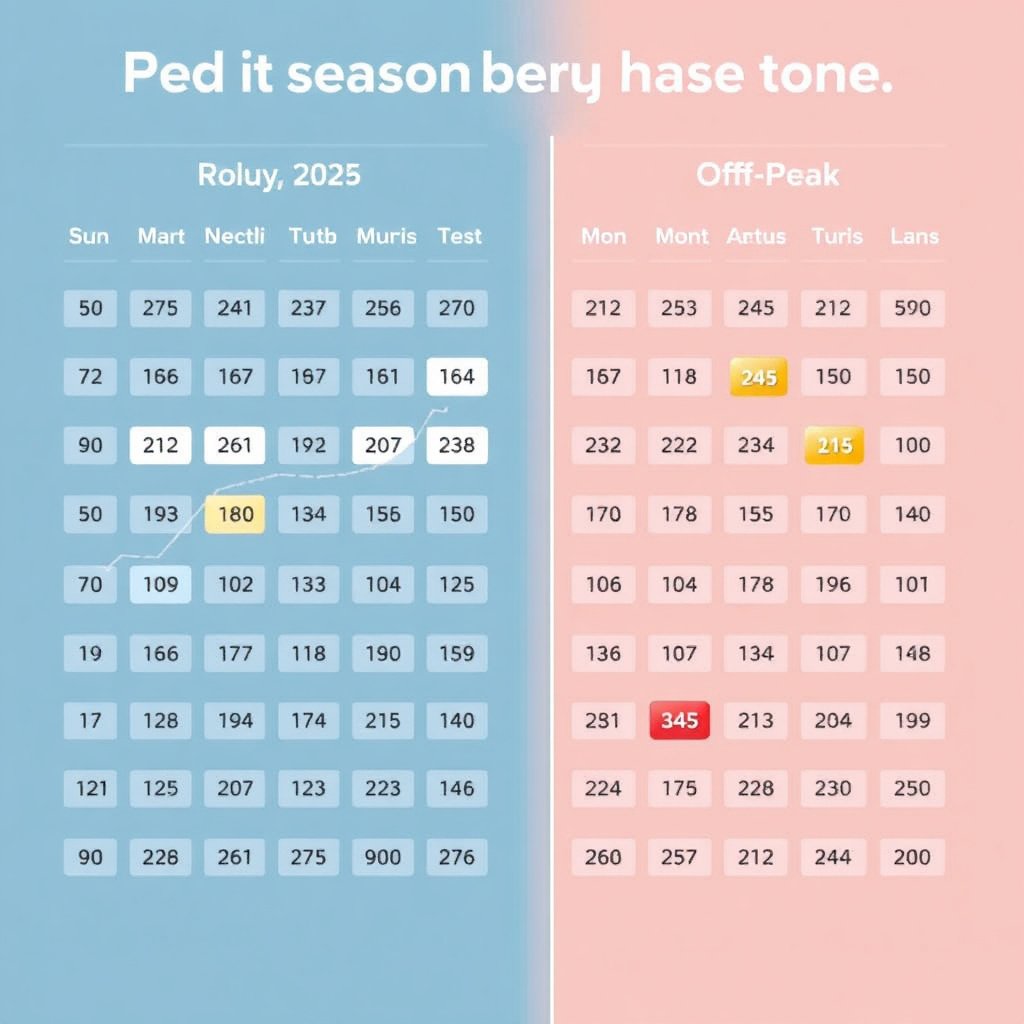
Spring and early summer are traditionally the busiest house-selling seasons, with more buyers active and better curb appeal due to favorable weather.
Off-seasons like winter tend to see slower sales and longer times on market, although sellers willing to list during these periods may face less competition.
- Peak months boost buyer turnout
- Winter months may increase home’s time on market
- Holiday season can reduce listing activity
For more on this, see our related guide: How Long Does It Take to Sell a Lake House? A Detailed Timeline Guide.
Regional Differences in Market Speed
Urban areas and high-demand regions often see brisk sales due to population density and job opportunities, shortening market duration.
Rural or economically challenged regions commonly experience longer selling times, influenced by fewer buyers and less market competition.
- Major cities have faster home turnovers
- Rural markets show slower sales rates
- Economic factors influence regional selling times
How to Reduce Your Home’s Time on Market

Effective Pricing and Marketing Strategies
Setting the right price is the most effective way to attract offers quickly. Working with a knowledgeable agent to analyze comparable sales can prevent overpricing.
Using multiple marketing channels like online platforms, social media, and open houses broadens exposure and accelerates buyer interest.
- Price just below competing listings for attention
- High-quality photos and virtual tours attract buyers
- Consistent marketing maintains listing visibility
Quick Fixes and Staging Tips
Minor repairs such as fixing leaky faucets, trimming landscaping, and cleaning thoroughly can enhance buyer impression without large expenses.
Decluttering and neutral staging help buyers envision themselves in the space, shortening decision times.
- Complete small repairs before listing
- Use neutral colors and remove personal items
- Create inviting, well-lit rooms
Types of Listings and Their Effect on Market Time

Exclusive vs. Multiple Listing Service (MLS)
Listing a house exclusively with one agent can limit buyer reach, often resulting in longer market times unless the agent has exceptional networks.
Using the MLS exposes the listing to many agents and buyers simultaneously, typically reducing time on market through broad visibility.
- Exclusive listings may limit exposure
- MLS listings maximize market visibility
- Broader reach generally means faster sale
For more on this, see our related guide: How to Sell a Lake House Fast: Proven Strategies for a Quick Sale.
For Sale By Owner and Online Marketplaces
Selling without an agent can lower selling costs but often means longer market durations due to limited marketing reach and lower negotiation experience.
Online platforms help homeowners gain exposure, but professional involvement usually speeds transactions and negotiation.
- FSBO often extends market time
- Online marketplaces improve exposure
- Professional agents facilitate quicker sales
Understanding the 'Days on Market' Metric
What Does 'Days on Market' Mean?
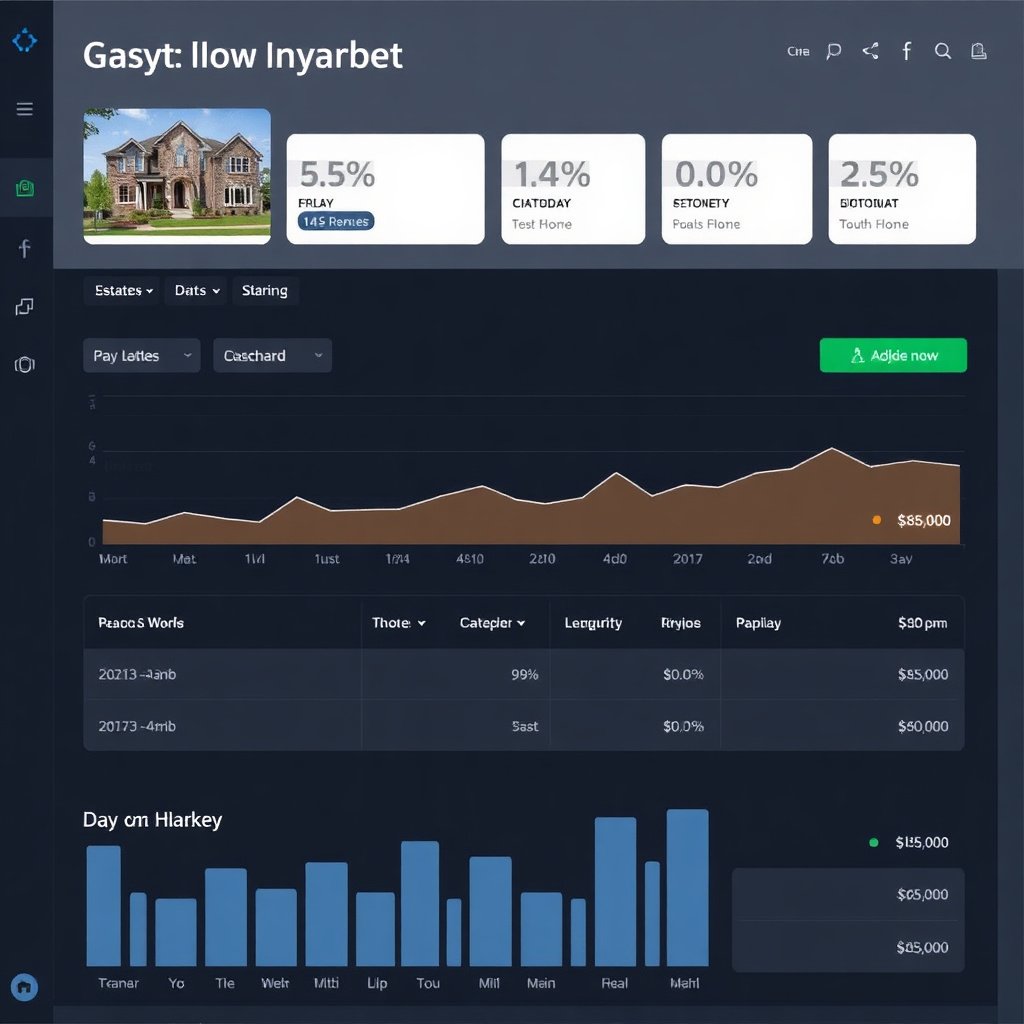
'Days on Market' (DOM) tracks the number of days a property is listed before acceptance of an offer. It reflects buyer interest and market demand.
A low DOM number suggests a fast-selling home, whereas a high DOM might indicate pricing issues or market saturation.
- DOM counts calendar days from listing to sale
- High DOM signals potential marketing concerns
- Lower DOM often correlates with fresher listings
For a deeper understanding of how days on market influences real estate sales, you can explore additional insights from authoritative sources like Wikipedia. Real estate market timeline details.
Using DOM to Gauge Market Health
Trends in average DOM across neighborhoods provide clues about local real estate conditions. Rising DOMs hint at buyer hesitation or market cooling.
Sellers can adjust their strategies by monitoring DOM averages to stay competitive and responsive to buyer behavior.
- Compare DOM with similar properties
- Adjust pricing if DOM exceeds market average
- Track changes seasonally and regionally
House Types and Average Time on Market Comparison
This table compares typical time on market for various house types and sale approaches to help sellers set realistic expectations.
| Category | Average Days on Market | Typical Seller Strategy | Market Demand Level |
|---|---|---|---|
| Single-family detached | 30-50 days | Competitive pricing with staging | High in suburban areas |
| Condominium | 45-70 days | Highlight amenities and location | Moderate, varies by city |
| Townhouse | 40-60 days | Target first-time buyers | Moderate |
| Luxury homes | 90-150 days | Professional marketing and pricing | Lower but specialized |
| For Sale By Owner (FSBO) | 60-120 days | Limited marketing, personal negotiation | Varies widely |
Frequently Asked Questions
Why do some houses stay longer on the market?
Houses may remain longer due to overpricing, poor location, visible repairs needed, or unclear marketing. Market conditions and seasonal factors also influence selling time.
How can pricing affect a house's time on market?
Pricing a home too high can deter buyers and extend its market time. Setting a competitive price aligned with similar properties encourages quicker offers.
Does staging really reduce the time a house spends on the market?
Yes, staging helps buyers visualize living in the home, often leading to faster decisions and shorter market time compared to unstaged properties.
Are certain seasons better for selling a house quickly?
Spring and early summer usually see more buyer activity, resulting in quicker sales. Winter often leads to longer market times due to fewer active buyers.
What is the impact of location on how long a house stays on the market?
Desirable locations with good schools, amenities, and safety attract buyers faster, reducing market time. Less sought-after areas generally have slower sales.
Key Takeaways
- The average house typically sells within 30 to 60 days, influenced by price, condition, and location.
- Proper pricing and marketing directly shorten a home's time on the market.
- Seasonal trends and regional demand cause significant variation in selling timelines.
- Staging and minor repairs improve buyer appeal and speed up sales.
Conclusion
Determining how long a house stays on the market involves balancing several factors including price, condition, location, and the broader economic environment. Sellers who understand these variables can adjust their strategies accordingly to avoid extended listing periods. Monitoring local market trends like average days on market data supports smarter decision-making.
For homeowners looking for a quick sale, pricing realistically based on thorough market analysis is critical. Properties in sought-after neighborhoods with updated features and good staging tend to attract offers sooner. Conversely, agents should caution sellers about listing during slow seasons or without proper marketing, as these can significantly increase market time.
Ultimately, sellers want to minimize the days on market while maximizing sale price. Working with experienced real estate professionals and preparing the home for viewing are practical steps that maintain buyer interest and accelerate the sale process. If your goal is a timely sale, start by researching your local market’s average home selling time to set clear expectations.