Understanding the Average Cost of a Boat Dock: What to Expect
The average cost of a boat dock typically ranges between $6,000 and $15,000, although this varies widely based on materials, size, location, and additional features. Simple floating docks may be on the lower end of the scale, while permanent, custom-built docks with advanced amenities and heavy-duty construction will cost substantially more.
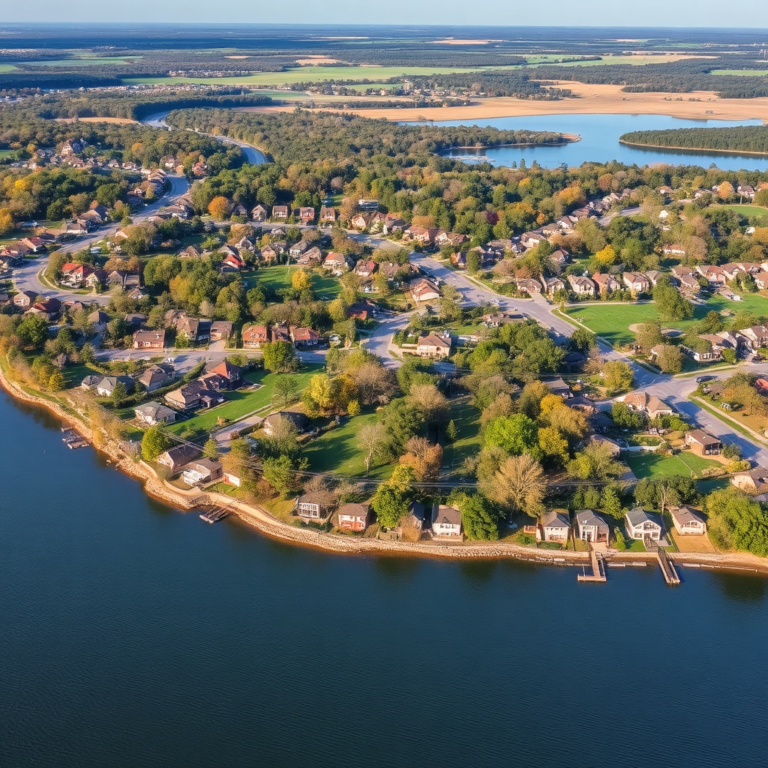
Knowing the average cost of a boat dock is important for waterfront property owners, marinas, and boating enthusiasts who want to maintain or improve their watercraft access. Pricing fluctuates due to factors like local labor rates, permits, environmental regulations, and the type of water body involved.
This guide will explore the different types of boat docks, materials used, installation expenses, ongoing maintenance costs, and regional price variations, helping you get a clearer picture of what your project might entail financially.
Types of Boat Docks and Their Cost Implications

Floating Docks
Floating docks are popular for their adaptability and relative ease of installation. They rest on the water surface supported by flotation devices such as foam-filled or air-filled pontoons. Costs are usually lower due to simpler foundations and flexibility to rise and fall with water levels.
These docks often use materials like aluminum framing and treated wood or composite decking. Pricing generally falls between $6,000 and $12,000 for moderate sizes, making them a budget-friendly option for many waterfront properties.
- Adapt to fluctuating water levels
- Typically less expensive than permanent docks
- Require less invasive installation
Pile and Cantilever Docks
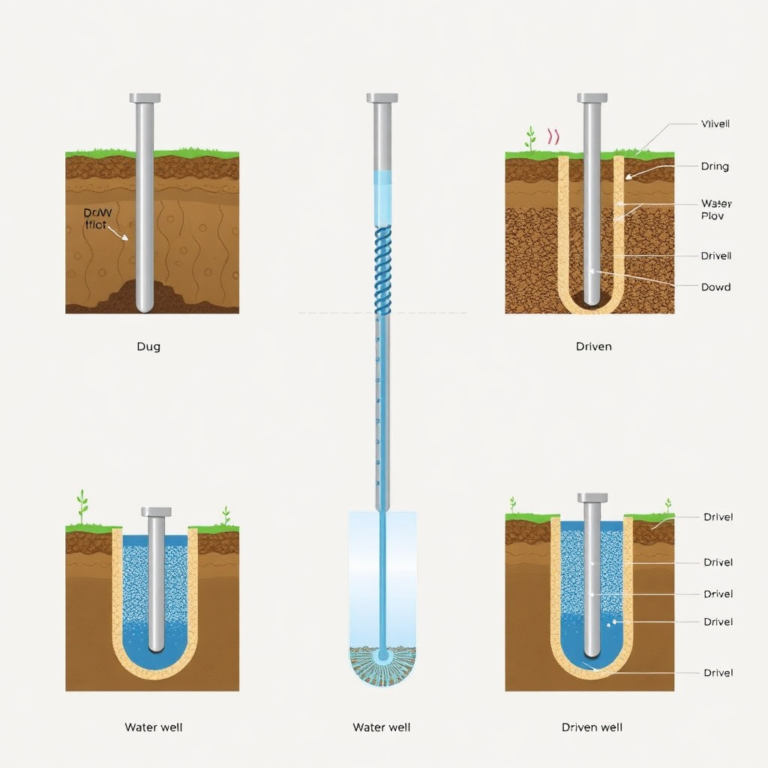
Pile docks involve driven pilings deep into the lake or river bed for sturdy support, suitable for deeper or tidal waters. Cantilever docks are similar but may extend over the water without direct water support. Both types tend to cost more due to complex foundation work and materials.
Depending on materials such as concrete, steel, or heavy timber, and the length and width of the dock, pricing often ranges from $10,000 to $25,000 or more. They provide durability and long-term stability but require heavier investment upfront.
- Strong, durable foundation
- Better for rough or deep water
- Higher installation complexity and cost
Materials Used in Boat Docks and Their Price Effects

Wooden Docks
Pressure-treated wood is a traditional choice for docks due to its availability and natural appearance. Costs for wooden docks can vary but tend to be moderate. Wood requires regular maintenance like sealing and occasional repairs to prevent rot and insect damage.
While the material itself can be economical, maintenance expenses affect the overall cost over time. Wood docks typically cost between $8,000 and $14,000 depending on size and design complexity.
- Aesthetic, natural look
- Requires regular maintenance
- Moderate upfront cost
Composite and Metal Docks
Composite decking materials offer enhanced durability and lower maintenance since they resist rot, warping, and insect damage. Aluminum and steel frames increase structural strength and longevity but come with higher initial prices.
Composite and metal docks can range from $12,000 to $20,000 or more depending on customization, but save money and effort on upkeep over the dock’s lifespan.
- Long-lasting and low maintenance
- Higher upfront cost
- Modern appearance and structural strength
Boat Dock Installation Cost Breakdown

Labor and Equipment Expenses
Labor constitutes a significant portion of boat dock installation cost. Experienced contractors may charge between $50 and $100 per hour, dependent on location and dock complexity. Specialized equipment for pile driving or heavy lifting adds to the expense.
Installation timelines typically range from a few days to several weeks, affecting total labor costs. Planning and coordination with local authorities might also mean additional fees or permit costs.
- Hourly labor rates vary regionally
- Special machinery rental or operation
- Time impacts cost directly
For more on this, see our related guide: Understanding the Average Price of a Lake House at Lake of the Ozarks.
Permitting and Regulatory Fees
Many regions require permits for dock construction to comply with environmental and safety regulations. Permit fees fluctuate widely, from a few hundred to several thousand dollars, influencing overall costs.
Approval processes can delay construction, adding indirect costs. Understanding local rules and engaging with authorities early can prevent costly setbacks during installation.
- Permit costs vary by location
- Environmental impact assessments may be needed
- Can add weeks to project timeline
Maintenance Costs and Longevity of Boat Docks
Routine Maintenance Needs
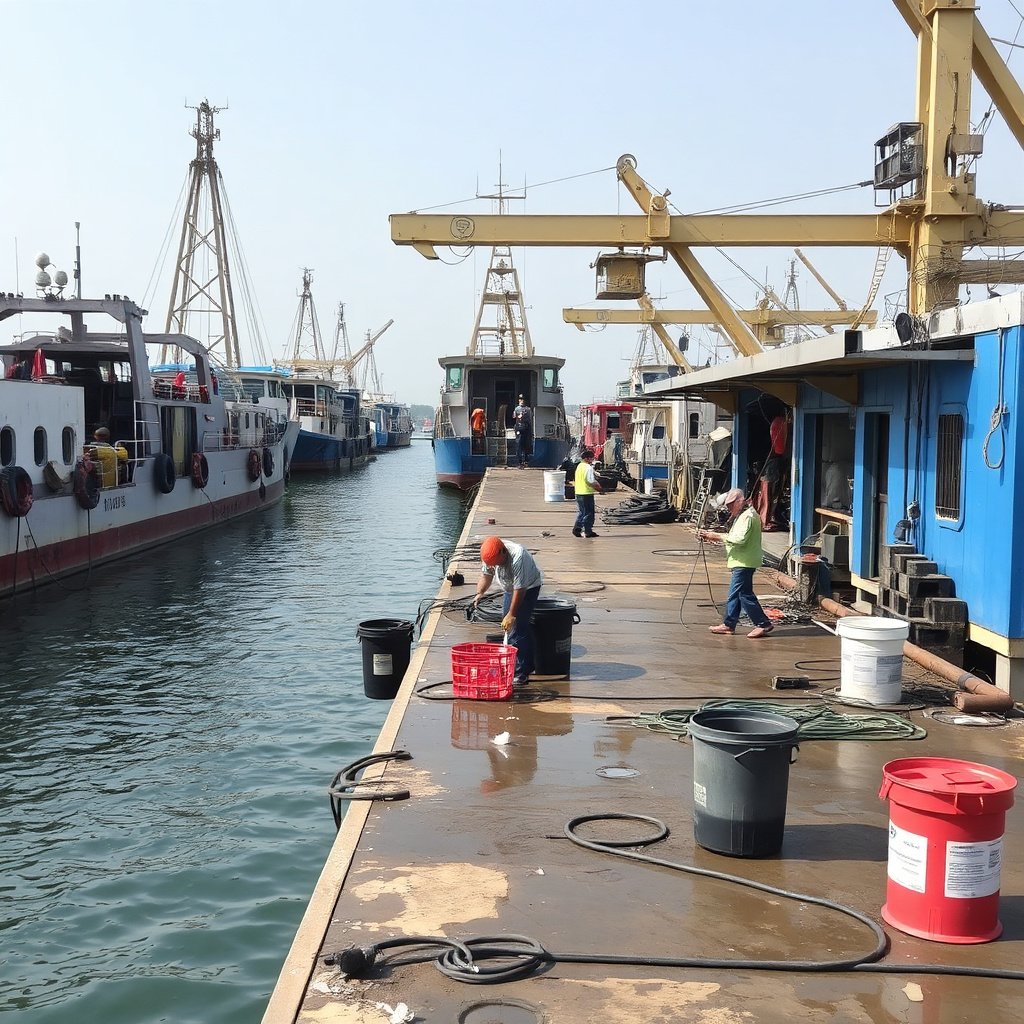
Regular inspections for rot, corrosion, and structural integrity are vital to extend a dock’s life. Wood docks require annual sealing, possible re-nailing, and treatment against pests, while composite and metal docks need less frequent upkeep.
Budgeting for cleaning, hardware replacement, and minor repairs is necessary to avoid costly major overhauls. Typically, annual maintenance may cost between $500 and $1,500 depending on dock type and climate.
- Annual inspections recommended
- Wood docks require more frequent care
- Costs vary by material and location
Expected Lifespan of Different Materials
Wooden docks generally have lifespans of 10 to 20 years with consistent maintenance, while composite and metal docks can last 25 to 40 years. Environmental conditions like saltwater exposure and temperature swings also impact durability.
Choosing more durable materials can reduce replacement frequency and total lifetime costs, making a higher initial investment more sensible for long-term ownership.
- Wood dock: 10-20 years
- Composite/metal dock: 25-40 years
- Environmental factors influence lifespan
Regional Price Variations for Boat Docks
Coastal vs. Inland Dock Costs
Coastal areas often see higher installation and material costs due to saltwater corrosion concerns and stricter building codes. Workers may require specialized training and equipment to handle wave action and tides.
Inland lakes and rivers typically have lower permitting fees and simpler dock requirements, which can reduce overall costs. However, local access and terrain may add unique challenges in some inland areas.
- Saltwater docks require corrosion-resistant materials
- Higher permits and inspections on coasts
- Inland docks may have access challenges
For more on this, see our related guide: Is a Lake House Expensive? Understanding the True Costs.
Impact of Local Labor and Material Prices
Regions with higher average wages and transportation costs see elevated boat dock installation expenses. Material availability also plays a role; some areas have difficulty sourcing specialty dock components locally.
Comparing quotes from multiple contractors and suppliers in your area helps identify realistic budget expectations while balancing quality and price.
- Labor rates vary by region
- Material availability impacts cost
- Comparing local quotes reduces surprises
Additional Features Affecting the Average Cost of a Boat Dock

Boat Lifts and Storage Options
Adding a boat lift can significantly increase the price, with small electric lifts starting around $3,000 and larger capacity lifts costing $10,000 or more. These lifts protect your boat from water damage and ease launching and retrieval.
Storage features such as benches, tackle boxes, and storage lockers also add to upfront costs but improve convenience and dock utility. Including such upgrades depends on your specific boating needs and budget.
- Electric and manual lifts available
- Storage adds convenience
- Upgrades increase overall cost
For a detailed explanation of different boat dock types and construction techniques, visit this comprehensive boat dock construction overview. boat dock construction overview.
Safety and Accessibility Additions
Railings, non-slip surfaces, lighting, and ramps for disabled access improve safety but raise costs between $500 and $5,000 depending on scope. These enhancements are recommended for frequently used or public docks.
In some cases, these features also comply with local safety regulations, turning them from optional extras into required components that influence the total project budget.
- Safety rails prevent falls
- Lighting supports night use
- Compliance with local codes matters
Boat Dock Types and Cost Comparison
This table compares popular boat dock categories for costs, durability, and typical uses to help weigh their differences.
| Dock Type | Average Cost Range | Expected Lifespan | Maintenance Level | Best For |
|---|---|---|---|---|
| Floating Dock | $6,000 – $12,000 | 10-25 years | Low to Medium | Variable water levels, recreational use |
| Pile Dock | $10,000 – $25,000 | 20-40 years | Medium | Deeper water, permanent installation |
| Cantilever Dock | $12,000 – $30,000 | 25-40 years | Medium to High | Tidal areas, heavy boats |
| Wooden Dock | $8,000 – $14,000 | 10-20 years | High | Natural look, budget-conscious |
| Composite/Metal Dock | $12,000 – $20,000+ | 25-40 years | Low | Durability, low maintenance |
Frequently Asked Questions
What is the cheapest type of boat dock?
Floating docks generally offer the most affordable option, starting around $6,000 due to simpler installation and adaptable design.
How long does it take to install a boat dock?
Installation time varies widely but typically ranges from a few days for floating docks to several weeks for complex pile or cantilever docks.
Do I need a permit to build a boat dock?
Most locations require permits to build boat docks, with fees and approval processes varying based on local environmental and zoning regulations.
How much does it cost to maintain a boat dock annually?
Annual maintenance usually costs between $500 and $1,500, depending on dock type, materials, and climate-related wear.
Are composite docks more cost-effective long-term than wooden docks?
Yes, composite docks typically have higher upfront costs but lower maintenance expenses and longer lifespans, often making them more economical over time.
Key Takeaways
- Boat dock costs vary widely based on type, materials, and location.
- Floating docks are often the most affordable and flexible.
- Maintenance and longevity differ significantly by material choice.
- Permits and local labor rates heavily influence total expenses.
Conclusion
Choosing the right boat dock involves balancing initial costs, durability, maintenance needs, and location-specific factors. Understanding the average cost of a boat dock—and the variables that shift that average—helps you plan effectively while avoiding unexpected expenses. Assessing site conditions, dock function, and how frequently it will be used ensures you spend wisely on a structure that fits your lifestyle and waterfront environment.
When considering options, floating docks stand out for flexible budgets and changing water levels, while pile or cantilever docks offer sturdiness for long-term and heavy-duty use. Material selection plays a key role as well—wooden docks have charm but need more upkeep, whereas composite and metal docks demand higher upfront investments yet deliver years of low-maintenance performance. Factoring in features like boat lifts or safety accessories can enhance utility but should fit your overall budget planning.
Ultimately, local permits, labor availability, and site conditions shape true costs, so gather multiple contractor estimates and consult with authorities early. Starting with a clear understanding of the average cost of a boat dock sets a strong foundation to build from, empowering you to create a safe, functional, and attractive water access point that serves you well for years to come.