How to Buy a Lake Lot: A Practical Guide for Your Waterfront Property
Buying a lake lot means securing a slice of waterfront paradise that can serve as a vacation retreat, a future home site, or an investment. To buy a lake lot wisely, you need to focus on factors like location, zoning restrictions, water access rights, and the lot's physical characteristics. Understanding these elements helps you avoid costly mistakes and ensures your purchase fits your lifestyle and budget.
Waterfront land tends to carry a premium, so thorough research matters. Lake lots vary widely in size, terrain, and amenities, with regulations differing by state and local jurisdiction. Some lots offer private docks and direct lake access, while others might have shared use or restrictions on building. Knowing these details before buying helps you select a property that truly matches your vision for lake living.
This guide covers the essential steps to evaluate, choose, and close on a lake lot. From how to analyze the lot's features and legal considerations to financing options and inspection tips, you'll gain insight into the entire buying process. By the end, you’ll be equipped to confidently pick the right lake lot for your needs.
Understanding Lake Lot Locations
Types of Lakefront Properties
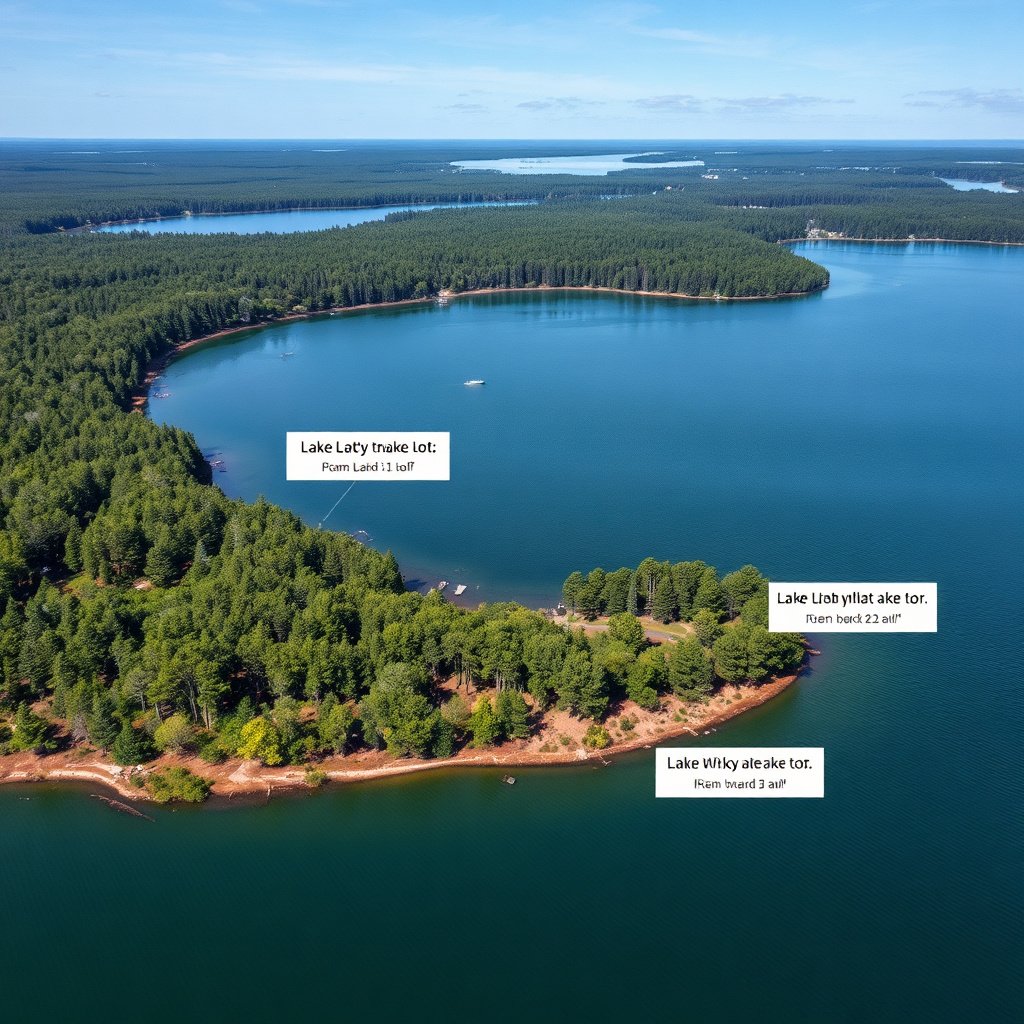
Lakefront properties can range from secluded rural lots on private lakes to lots on large public lakes with shared amenities. Each offers a different experience, so consider how much privacy, community interaction, and recreation you want. Some lake lots come with beachfronts, while others are upland and may require easements for water access.
Recognizing the types of lake lots helps tailor your search. Private lakes generally impose stricter rules and offer exclusivity, while public lakes may provide more boating and fishing opportunities but less privacy. Also, some lots are part of planned communities with additional fees and regulations.
- Private lakefront lots with exclusive ownership
- Public lakefront lots with shared access
- Lots within gated lake communities
- Upland lots with lake easement rights
Evaluating Location Factors
Access to roads, proximity to towns, and local infrastructure like utilities impact convenience and cost. Also evaluate the lake’s water quality, typical seasonal changes, and flood risks. A lake with clear water and recreational activities increases enjoyment and value but may also bring more visitors.
Understanding the local zoning and conservation laws is vital because they dictate what improvements you can make, whether you can build docks, and what kinds of boats are permitted. Visiting the area multiple times, in different seasons, can reveal vital information about noise levels, lake levels, and community atmosphere.
- Road accessibility and seasonal conditions
- Distance to medical facilities and grocery stores
- Water quality and environmental protections
- Restrictions on docks and lake use
Assessing Legal and Zoning Considerations for Lake Lots

Zoning and Land Use Restrictions
Before buying a lake lot, verify its zoning classification as it largely governs permitted uses and building requirements. Some lots are zoned residential with limitations on dwelling size, while others may be recreational or agricultural. These classifications affect whether you can build year-round residences or only seasonal cabins.
Local ordinances may impose setback requirements, limit septic systems, or regulate shoreline modifications. Understanding these constraints can avoid surprises after purchase, such as being unable to build a dock or add a guest house.
- Residential vs. recreational zoning differences
- Building setback and height limits
- Septic and well permitting requirements
- Shoreline and wetland protection laws
Water Rights and Access
Ownership of lake lots does not always guarantee unrestricted access to the water. Some properties have deeded lake access, while others rely on association rules or public access points. Confirm if your lot includes exclusive use of shoreline or dock privileges.
Additionally, understand riparian rights, which are legal entitlements related to the use of water adjacent to your property. Knowing your water rights can influence property value and recreational possibilities.
- Confirm deeded water access or easements
- Review any lake association rules
- Understand state-specific riparian laws
- Check for usage restrictions on docks or boats
Evaluating Physical Characteristics of Lake Lots

Topography and Soil Quality
The shape and slope of your lake lot influence building feasibility, drainage, and usability. A gently sloping lot with good soil makes construction easier and reduces erosion risks. Steep lots may offer better views but could require costly retaining walls or grading.
Soil testing helps determine if the land supports septic systems, which is essential since many lake lots rely on onsite sewage. Poor soil conditions can increase development costs or limit home size.
- Flat vs. sloped lot benefits and challenges
- Soil percolation test importance
- Erosion control considerations
- Impact of terrain on driveway and infrastructure costs
For more on this, see our related guide: How to Finance a Lake Lot: A Practical Guide to Buying Waterfront Property.
Vegetation and Natural Features
Existing trees and vegetation can provide privacy and enhance the setting, but may also restrict views or require clearing for building. Preserving natural features often aligns with local environmental rules and maintains the lot’s natural appeal.
Nearby wetlands or protected areas might limit usable space but contribute to wildlife habitat and water quality. Understanding the environmental complexity of the lot helps in planning development and landscaping.
- Benefits of mature trees for shade and privacy
- Restrictions on tree removal and land clearing
- Wetland identification and buffers
- Wildlife presence and conservation guidelines
Financial Considerations When Buying a Lake Lot

Pricing and Market Trends
Lake lots often command higher prices than inland land due to scarcity and demand for waterfront access. Prices fluctuate with local real estate market conditions, lake popularity, and community amenities. Knowing recent sales and average price per acre helps you gauge a fair offer.
Keep in mind potential additional costs such as property taxes, lake association fees, and maintenance of shared docks or roads. These ongoing fees impact your total investment.
- Analyze comparable lake lot sales
- Check for special assessments and fees
- Understand seasonal price fluctuations
- Factor in insurance costs for lakeside properties
Financing Options for Lakefront Land
Lenders often consider lake lots higher risk due to construction challenges and resale liquidity. Conventional mortgages can be harder to obtain, especially if the lot lacks utilities or has zoning restrictions. Land loans or owner financing may be alternatives but often come with higher interest rates.
Budgeting for site preparation, permits, and utility hookups is critical since lake lots may require well drilling and septic installation. Having a clear financial plan prevents surprises during development.
- Differences between land loans and mortgages
- Importance of a down payment on lake lots
- Consider owner or seller financing options
- Budget for land improvements and permits
Inspection and Due Diligence for Lake Lot Buyers

Conducting Physical Inspections
An on-site visit to the lake lot is essential to assess terrain, access, and any visible issues like erosion or water damage. Hiring a professional surveyor can verify property boundaries and identify encroachments.
Look for signs of flooding or drainage problems and check existing improvements such as docks, roads, or retaining walls for condition and legality.
- Hire a licensed land surveyor
- Inspect shoreline stability
- Check accessibility roads and driveways
- Review condition of any existing structures
For more on this, see our related guide: What Is a Main Channel Lot? Understanding Its Role in Real Estate.
Reviewing Titles and Environmental Reports
Review the property title for liens, easements, or any legal claims that could affect ownership or use. A title insurance policy is recommended to protect against unforeseen issues.
Environmental assessments may be necessary to check for contamination or protected habitats. Some lots may be subject to conservation easements limiting development.
- Obtain a title report and insurance
- Request environmental site assessments
- Check for wetlands or protected lands
- Verify deed restrictions and covenants
Planning Future Development and Use
Building Permits and Approvals
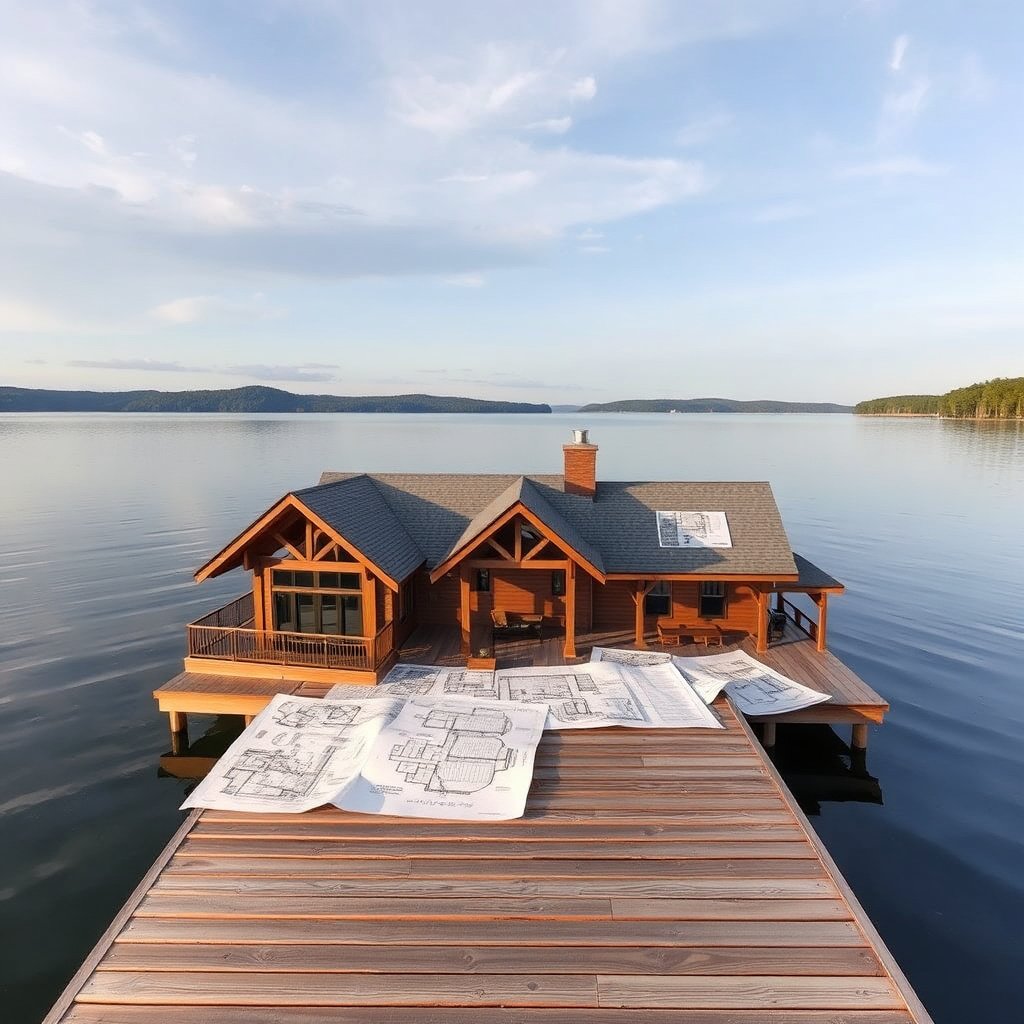
Local governments typically require permits for new construction, septic systems, docks, and shoreline alterations on lake lots. Early engagement with permitting offices helps identify needed approvals and timelines.
Some areas have strict architectural guidelines to preserve lake aesthetics. Understanding these rules upfront avoids costly redesigns or delays.
- Research required building permits
- Consult zoning and environmental agencies
- Prepare for potential plan reviews
- Assess timelines for permit approvals
For a broader understanding of lakefront property types and terminology, see this informative Lakefront property overview on Wikipedia. Lakefront property overview on Wikipedia.
Designing for Lakefront Living
Design choices should maximize lake views, capitalize on natural light, and maintain privacy. Elevated foundations can mitigate flood risk, while decks and patios enhance outdoor living. Landscaping with native plants protects the shoreline and reduces maintenance.
Plan utility hookups carefully since some lake lots lack municipal water or sewer, requiring wells and septic systems. Thoughtful site design helps balance comfort, sustainability, and regulatory compliance.
- Consider elevated or flood-resistant designs
- Incorporate large windows and decks
- Use native vegetation for landscaping
- Plan septic systems and wells early
Lake Lot Categories Comparison
Here is a comparison of popular lake lot types highlighting typical features, access, and costs to help match your preferences.
| Lot Category | Access Type | Typical Size (acres) | Price Range (USD) | Development Complexity |
|---|---|---|---|---|
| Private Lakefront | Deeded water access, private dock | 0.5 – 2 | $100,000 – $500,000 | Moderate to High |
| Public Lake Lakefront | Shared access, public boat launch | 0.3 – 1.5 | $50,000 – $300,000 | Low to Moderate |
| Upland Lot with Easement | Lake access via easement | 1 – 3 | $40,000 – $150,000 | Moderate |
| Planned Community Lot | Association maintained access and amenities | 0.25 – 1 | $80,000 – $350,000 | Low |
| Remote Rustic Lot | Limited access, no dock rights | 1 – 5 | $20,000 – $100,000 | High |
Frequently Asked Questions
Do I always get water access when I buy a lake lot?
Not always. Some lake lots don’t include direct water access. Check if the deed grants lake access or dock rights, and review any association rules or easements that affect usage.
What should I look for in the soil before building on a lake lot?
Testing soil percolation is critical to confirm suitability for septic systems. Also evaluate soil stability and drainage to avoid erosion and foundation issues.
Can I finance the purchase of a lake lot like a regular home?
Financing lake lots is often more challenging, with lenders requiring larger down payments or offering land loans instead of standard mortgages. Exploring seller financing or specialized loans may help.
Are there restrictions on building docks on lake lots?
Yes, many jurisdictions regulate dock construction to protect shorelines and ecosystems. Always verify local zoning and lake association rules before planning docks.
How can I determine if a lake lot is prone to flooding?
Review floodplain maps, consult local planning officials, and observe seasonal water levels during visits. Elevated lots have reduced flood risk.
Key Takeaways
- Location and water access rights decisively affect lake lot value
- Zoning and legal restrictions vary widely and impact property use
- Physical terrain and soil impact construction feasibility
- Financing lake lots can be complex and may require special loans
Conclusion
Buying a lake lot involves balancing many factors, including location, legal access, physical characteristics, and finances. The best choice fits your personal vision of lake living while conforming to local regulations and budget constraints. Careful study and professional advice during the process reduce risks and maximize enjoyment.
If you desire private waterfront access and a ready spot for your dream home, a private lakefront lot or planned community property offers established amenities and development ease. For budget-friendly options, upland lots with easements or public lakefront properties can provide lake proximity with fewer amenities but lower entry costs.
Begin by thoroughly inspecting potential lots, reviewing legal documents, and understanding financing options. Working with a real estate agent familiar with lakefront land and consulting with local officials will guide you toward the right purchase. With patience and informed choices, your lake lot can become a treasured retreat for years to come.