How to Build a Seawall: A Practical Guide for Coastal Protection
Building a seawall involves planning, selecting the right materials, and executing a structure that can protect shorelines from erosion and wave damage. The process begins with assessing the site’s needs and choosing a seawall design that suits both environmental conditions and your budget, ensuring long-term coastal protection.
Seawalls are critical for defending coastal properties against rising tides, storm surges, and ongoing erosion. Constructing a seawall enhances shoreline stability and can preserve land value while reducing damage from harsh sea conditions. Without a properly built seawall, coastal areas become vulnerable to flooding and land loss.
This guide will walk you through the stages of seawall construction including site assessment, choosing seawall construction materials, design options, preparation, and the actual building process. Additionally, it covers maintenance tips and legal considerations to help you create a durable seawall tailored to your shoreline.
Understanding Seawall Types and Their Uses
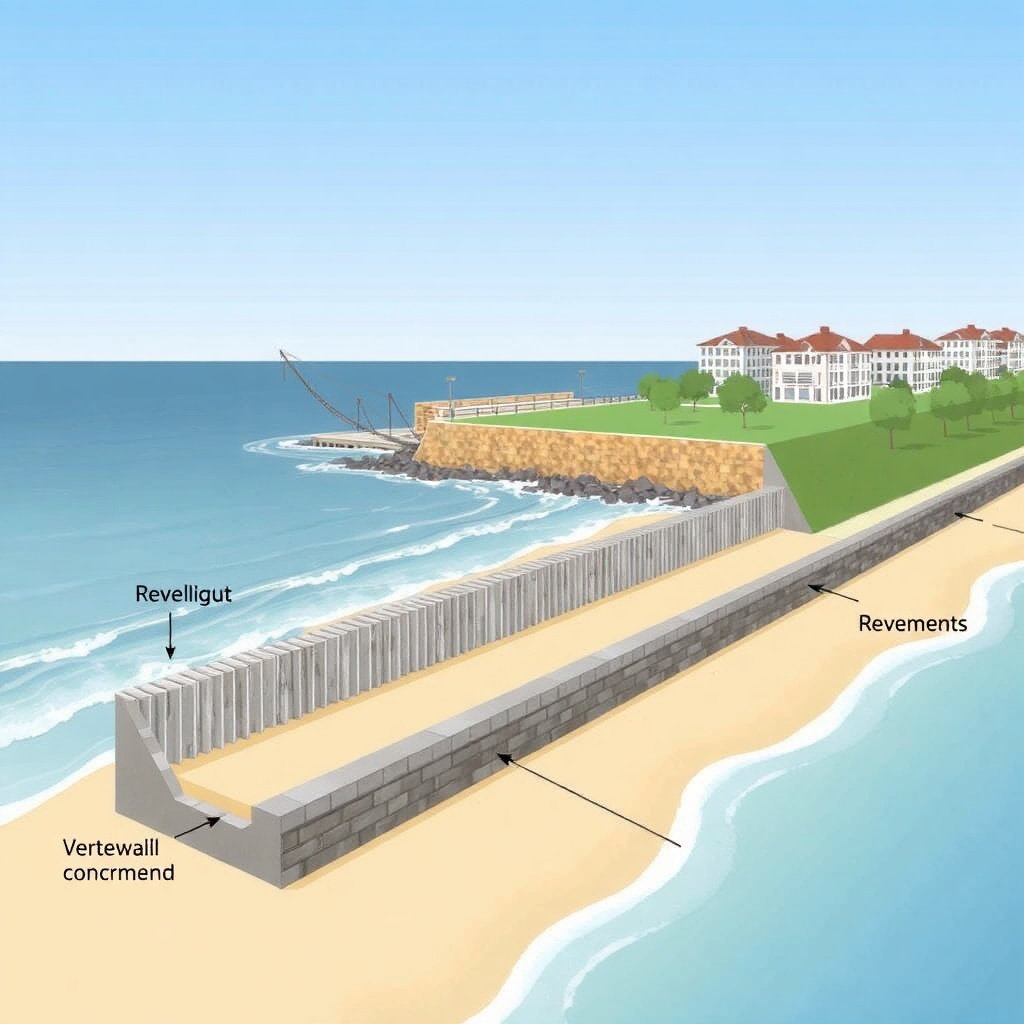
Vertical Seawalls
Vertical seawalls are made from concrete slabs or steel sheets placed upright to block wave energy directly. They are effective in urban or developed coastal areas where space is limited and height is necessary to prevent wave overtopping.
These seawalls reflect wave energy back into the sea, which can sometimes increase erosion at the base, so foundation design must address scour protection.
- Ideal for high-water-level areas
- Requires strong foundation to prevent undermining
- Best for limited space shorelines
Revetments and Riprap Walls
Revetments are sloping structures composed of layered rocks or concrete units designed to absorb and dissipate wave energy peacefully. Riprap walls use large stones arranged loosely to protect softer shoreline soils from erosion.
They are easier to construct than vertical seawalls and provide a natural appearance, often preferred in less developed or ecologically sensitive coastal settings.
- Gradual sloped design to reduce wave force
- Allows water penetration, reduces reflection
- Material choice depends on wave intensity
Site Assessment and Planning Before Construction

Evaluating Coastal Conditions
Start by examining erosion rates, wave height, tidal ranges, and storm frequency at your location. Understanding soil composition and drainage patterns is essential for designing a seawall that will endure local environmental forces.
Collect historical data and consult with coastal engineers when possible, aiming to predict how the shoreline may change in coming years to build a seawall that remains effective long-term.
- Measure shoreline retreat over time
- Analyze local wave activity and tides
- Assess soil strength and permeability
Design Considerations and Permitting
Your seawall design must comply with local regulations and obtain necessary permits. Designs vary from simple stone revetments to complex reinforced concrete walls depending on protection needs and budget constraints.
Consider aesthetics, environmental impact, and maintenance requirements in your plan to balance functionality with community and ecological considerations.
- Check local seawall codes and restrictions
- Include erosion control and drainage plans
- Plan for long-term maintenance access
Choosing Seawall Construction Materials

Concrete and Steel Seawalls
Concrete is durable and can be precast or poured in place for vertical seawalls, often reinforced with steel rebar for strength. Steel sheet pile walls interlock to form a continuous barrier with high resistance to wave impact.
While these materials require higher initial investment, their longevity and robustness make them common for urban or high-risk coastal areas.
- High structural strength and durability
- Resistant to water and salt damage
- Requires skilled labor and equipment
For more on this, see our related guide: How Much Does a Seawall Cost? A Complete Guide to Pricing and Factors.
Stone and Timber Options
Riprap uses naturally sourced stone boulders, providing a cost-effective, flexible solution that blends with natural landscapes. Timber, typically treated wood pilings, is suitable for smaller projects requiring moderate wave protection.
These materials are easier to install but may require more frequent maintenance and replacement, especially timber which can degrade in marine environments.
- More affordable material costs
- Natural look complements shoreline
- Lower lifespan, more maintenance
Construction Process for Building a Seawall

Foundation Preparation
A strong foundation is the backbone of any seawall. This involves removing unstable soil, compacting the base, and using geotextile fabrics or gravel layers to prevent scour and erosion beneath the wall.
Proper drainage behind the seawall reduces hydrostatic pressure which can cause failure. Installing weep holes or drainage pipes is common to allow water to escape.
- Clear and stabilize existing shoreline
- Use geotextiles for soil reinforcement
- Install drainage to manage water pressure
Wall Assembly and Finishing
For concrete walls, forms are set, rebar positioned, and concrete poured or precast segments placed. Stone or riprap walls require careful placement to interlock rocks with minimal gaps.
Finishing touches may include capping stones, sealing joints, and adding protective coatings to extend the seawall’s life and improve appearance.
- Follow specifications for concrete curing
- Layer stones properly for stability
- Apply sealants or protective finishes
Maintenance and Longevity of Seawalls
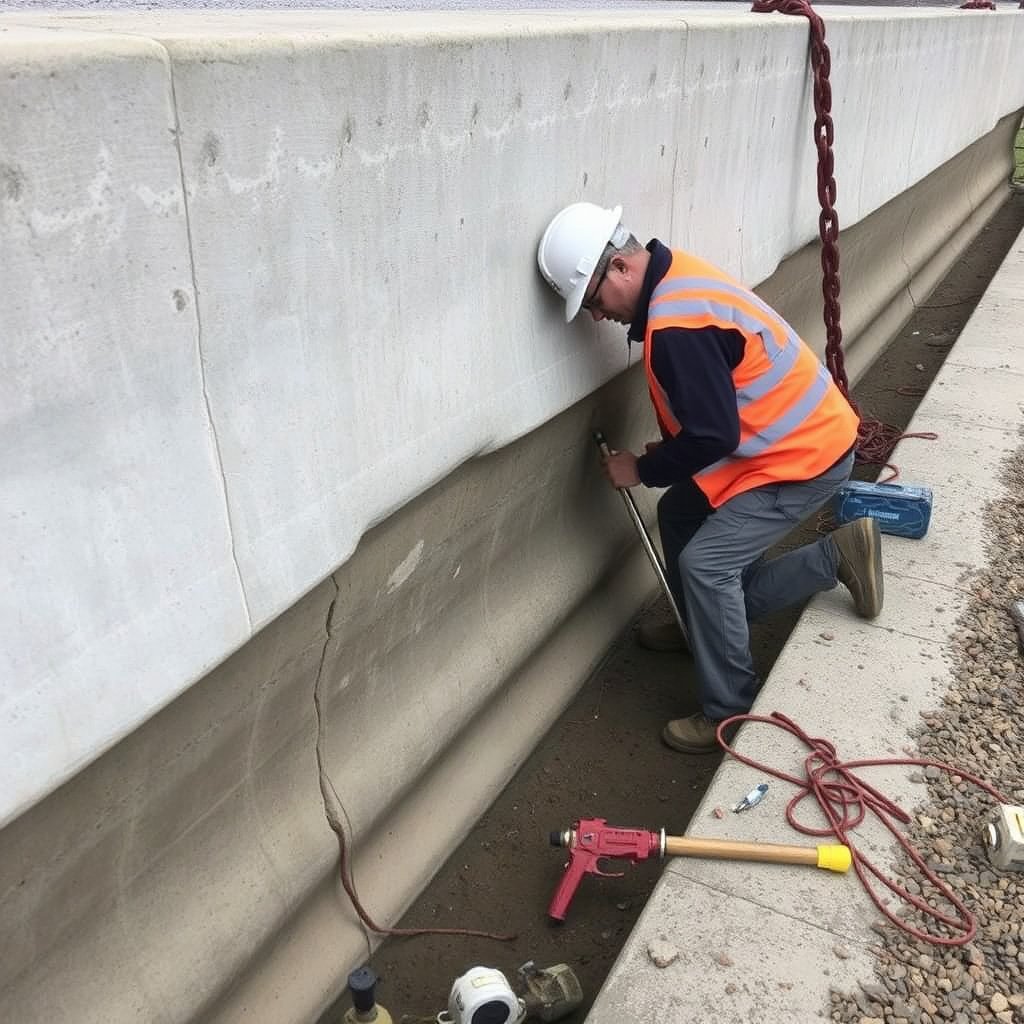
Regular Inspection and Repairs
Periodic checks for signs of cracking, displacement, or erosion allow early detection of issues. Minor repairs like filling cracks or replacing displaced stones can prevent costly structural failures.
Winter freeze-thaw cycles and saltwater exposure accelerate wear, so inspections should follow seasonal changes and after storms.
- Inspect at least twice annually and after storms
- Promptly seal cracks and gaps
- Replace any damaged or missing materials
For more on this, see our related guide: Is a Lake House a Good Investment? Pros and Cons Explained.
Environmental and Safety Considerations
Maintaining environmental balances by preserving natural habitats and minimizing disruption during repairs helps protect coastal ecosystems. Safety measures include managing debris and stabilizing surrounding areas for safe public access.
Properly maintained seawalls reduce injury risks and environmental hazards linked to wall failure or collapse.
- Avoid blocking marine organism pathways
- Manage debris during maintenance
- Follow safety protocols with heavy equipment
Legal and Environmental Issues Related to Seawalls

Permitting and Regulations
Building a seawall usually requires permits from coastal management authorities to ensure compliance with environmental laws and community planning. Failing to acquire proper permission can lead to fines or mandated removal.
Consult local agencies early in the project to understand restrictions, zoning, and allowed materials or designs.
- Apply for coastal construction permits
- Review zoning and environmental regulations
- Include environmental impact assessments
For detailed specifications and guidelines, consult seawall information from the US Army Corps of Engineers. Seawall information from the US Army Corps of Engineers.
Environmental Impact Concerns
Seawalls can alter natural sediment transport, affecting beaches and marine habitats nearby. Designing seawalls that minimize adverse impacts, such as incorporating vegetated buffers or permeable materials, helps reduce ecological disruption.
Engagement with environmental experts and stakeholders can guide more sustainable seawall solutions.
- Consider effects on adjacent shorelines
- Minimize habitat fragmentation
- Use environmentally friendly construction practices
Seawall Types and Material Comparison
The table below compares common seawall types by cost, durability, environmental impact, and suitability for different coastal conditions.
| Category | Cost | Durability | Environmental Impact | Best Use Cases |
|---|---|---|---|---|
| Vertical Concrete | High | Very High (50+ years) | Moderate (reflects waves, possible scour) | Urban shorelines, high wave energy areas |
| Steel Sheet Pile | High | High (40+ years) | Moderate (solid barrier, scalloped impact) | Industrial sites, tight spaces |
| Riprap Revetment | Medium | Medium (20-40 years) | Low (permeable, natural appearance) | Gentle slopes, light to moderate waves |
| Timber Piles | Low | Low to Medium (10-25 years) | Low (natural materials, biodegradable) | Small properties, low wave energy |
| Geotextile Sandbags | Low | Low (5-10 years) | Low (temporary or emergency use) | Temporary protection or erosion control |
Frequently Asked Questions
How deep should a seawall foundation be?
A seawall foundation typically extends below the frost line and beneath the expected scour depth, often 3 to 8 feet deep, depending on soil conditions and wave action, to provide stable support.
Can I build a seawall myself?
Small seawalls with simple designs may be undertaken by experienced DIY builders, but larger or more complex seawalls require professional engineering and contractors to ensure safety and compliance.
How much does seawall construction usually cost?
Costs vary widely, generally ranging from $1,500 to over $7,000 per linear foot depending on materials, design, and site conditions, with concrete walls on the higher end.
How long does a seawall last?
Durability depends on materials and maintenance, but well-built concrete or steel seawalls can last 40-50 years, while timber and riprap may last 20-40 years.
What environmental effects do seawalls have?
Seawalls can disrupt natural sediment flow, potentially causing beach narrowing and habitat loss, so designs often include ecological considerations to reduce negative impacts.
Key Takeaways
- Seawall type and material choice should match site conditions and protection needs.
- Proper site assessment and permitting are critical first steps in seawall building.
- Maintenance extends seawall lifespan and prevents costly repairs.
- Environmental and legal factors influence seawall design and construction.
Conclusion
Deciding how to build a seawall involves balancing coastal protection goals with environmental and regulatory demands. By carefully assessing shoreline conditions, selecting a seawall type suited to local wave energy and soil profiles, and factoring in long-term maintenance, property owners can create a durable barrier against erosion and flooding. Thoughtful planning combined with proper construction techniques ensures the seawall contributes positively to shoreline stability rather than causing unintended harm.
Concrete vertical seawalls work well in high-energy coastal zones where space is limited, while riprap revetments suit gentler slopes and offer a more natural look. Timber seawalls or geotextile sandbags provide cost-effective solutions for small or temporary needs but come with shorter lifespans. Choosing seawall construction materials strategically according to site conditions allows optimization of durability and environmental sensitivity.
The next step after assessment and planning is consulting local authorities for permits and engaging qualified engineers or contractors as needed. Building a seawall is a significant investment that enhances coastal resilience, and taking a methodical, informed approach pays off through reliable shoreline protection for years to come.





2 Comments