How to Inspect a Seawall: A Step-by-Step Guide for Coastal Property Owners
Inspecting a seawall involves checking for cracks, erosion, displacement, and signs of wear that could threaten its stability and the shoreline it protects. A thorough inspection means visually examining all visible parts of the seawall, noting any structural damage, and identifying early warning signs of failure to prevent costly repairs.
Seawalls face constant exposure to waves, weather, and tides which can gradually degrade their strength. Regular inspections are vital for spotting problems before they worsen, preserving waterfront property value, and ensuring safety against flooding and erosion.
This article outlines key steps to inspect your seawall like a pro, covering what to look for, tools you might need, common damage types, and how inspection frequency should vary based on environmental conditions.
Gathering Tools and Preparing for Seawall Inspection

Essential Tools for an Effective Inspection
Effective seawall inspection requires basic tools: a strong flashlight for checking cracks in shaded areas, a measuring tape or ruler for gauging crack width or displacement, and a camera to document damage for expert assessment. Safety gear like gloves and sturdy boots improve comfort and protection.
Additionally, binoculars can help inspect hard-to-reach spots, especially if parts of the seawall extend above water. Bring notepad or a mobile app to record observations systematically.
- Flashlight
- Measuring tape or ruler
- Camera or smartphone
- Gloves and boots
- Binoculars
- Notetaking device
Preparing the Site and Timing Your Inspection
Inspect your seawall during low tide when most of the structure is exposed for a more thorough view. Check the weather forecast to avoid hazardous conditions like storms or heavy rain, which reduce visibility and safety.
Clear debris or algae on the surface before examining the wall to see cracks or erosion clearly. Coordinate inspections seasonally or after severe weather to catch damage early.
- Inspect at low tide
- Avoid stormy weather
- Clear debris beforehand
- Schedule regular intervals
Visual and Structural Inspection of the Seawall

Identifying Surface Cracks and Erosion
Look for hairline to wide cracks in concrete or rock joints, a common sign of stress or foundation movement. Check for areas where surface material has crumbled, exposing reinforcement bars or substrate to saltwater, accelerating corrosion.
Erosion can appear as undercut sections at the seawall base or within backfill soil behind the wall. These can cause instability if left untreated.
- Check crack width and length
- Note exposed reinforcement
- Observe soil recession at base
- Look for loose or missing concrete
For more on this, see our related guide: What Is a Seawall? Understanding Coastal Protection Structures.
Assessing Displacement and Alignment Issues
Examine if sections of the seawall have shifted horizontally or vertically, which usually indicates pressure from soil or water has overcome structural resistance. Such displacement can lead to wall bulging or bowing.
Use a straightedge or laser level if available to detect unevenness. Displacement may require professional evaluation as it threatens the seawall’s ability to prevent flooding.
- Check for bulges or leaning
- Measure misalignment with tools
- Look for gaps between wall sections
- Note changes in wall height
Evaluating Seawall Drainage and Backfill Conditions

Inspecting Drainage Systems in the Seawall
Seawalls often incorporate drainage holes to relieve water pressure behind them. Verify these holes are clear, unblocked, and not eroding surrounding material. Blocked drainage increases hydrostatic pressure, raising collapse risk.
Check for water pooling behind the wall or damp spots indicating seepage through unintended cracks.
- Clear debris from drainage holes
- Look for signs of seepage or leaks
- Monitor water pooling areas
- Inspect adjacent soil moisture
Backfill Soil Stability and Vegetation Effects
Inspect the soil behind the seawall for signs of erosion, sinkholes, or excessive settling which can undermine support. Vegetation roots may help stabilize or sometimes damage hydraulics.
Remove invasive species that increase soil disruption, but maintain coastal plants that reinforce sediment. Proper backfill condition is critical to seawall longevity.
- Check for soil erosion or gaps
- Assess stability of backfill soil
- Identify harmful versus helpful vegetation
- Consider reinforcements if needed
Documenting and Reporting Seawall Damage

Creating a Detailed Seawall Maintenance Checklist
Maintain a systematic checklist to record issues such as crack size, location, erosion spots, drainage condition, and displacement. Organized notes help track damage progression and prioritize repairs.
Include date, tide condition, numeric measurements, and photo references for each observation to support professional evaluations or insurance claims.
- Record date and conditions
- Note exact damage locations
- Measure and describe each issue
- Attach photos for reference
For more on this, see our related guide: How Much Does It Cost to Build a Seawall? A Detailed Cost Breakdown.
When to Consult Professionals for Seawall Repairs
Minor surface cracks and small erosions may require routine repair, but large displacements, severe erosion, or exposed reinforcement signal potential failure needing expert intervention.
Consult marine engineers or coastal contractors promptly when any part of the seawall appears out of alignment or visibly weakened to prevent further damage.
- Call experts for large cracks
- Seek assessment if wall shifts
- Schedule repairs for erosion damage
- Prioritize safety concerns
Establishing a Seawall Inspection Routine
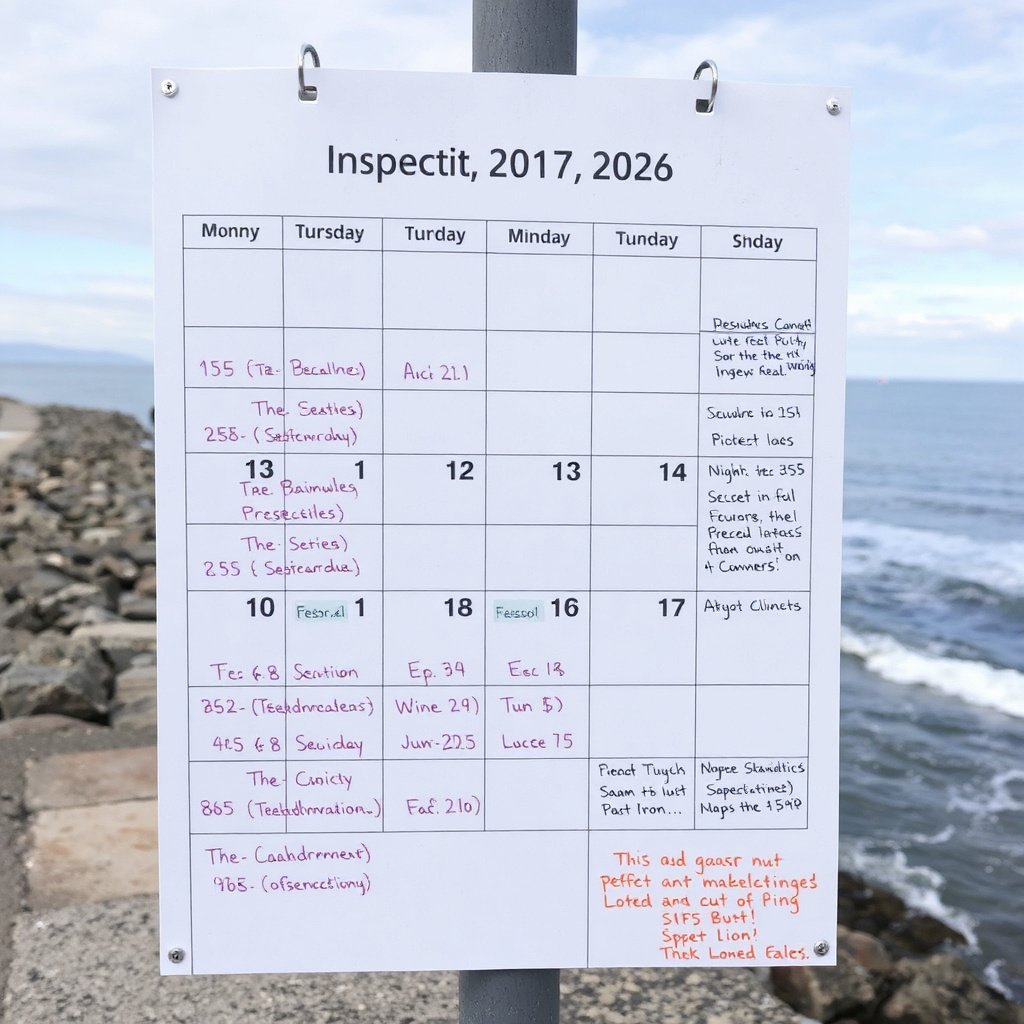
Recommended Inspection Frequency Based on Environment
For seawalls in high wave energy or changing shorelines, inspect two to three times annually, including before and after storm seasons. In calmer settings, an annual check often suffices.
Adjust frequency if previous damage was reported or if construction nearby could impact wall integrity.
- Twice yearly in active coastal areas
- Annually in stable zones
- After severe storms
- Following nearby construction
For in-depth knowledge on seawall design and history, the Seawall article on Wikipedia provides reliable information. Seawall information on Wikipedia.
Maintaining a Long-Term Maintenance Plan
Regular inspections feed into a seawall maintenance checklist and schedule for cleaning, repairing small cracks, and vegetation control. This practice extends the wall’s lifespan and lowers sudden repair costs.
Keeping detailed records helps anticipate when major repairs or replacement may become necessary, supporting budgeting and coastal management.
- Keep inspection records
- Schedule routine cleaning
- Address minor repairs quickly
- Plan for big repairs early
Seawall Types Category Comparison
This table compares common seawall types by material, durability, maintenance needs, and cost to help identify which suits your property best.
| Seawall Type | Material | Expected Lifespan | Maintenance Frequency | Average Installation Cost |
|---|---|---|---|---|
| Concrete Gravity Wall | Reinforced concrete | 30-50 years | Annual | $40-60 per sq ft |
| Sheet Pile Wall | Steel or vinyl sheets | 25-40 years | Every 1-2 years | $35-55 per sq ft |
| Timber Wall | Pressure-treated wood | 10-25 years | Biannual | $25-45 per sq ft |
| Riprap/Stone Wall | Large stones or boulders | 30-60 years | Every 2-3 years | $30-50 per sq ft |
| Modular Block Wall | Precast concrete blocks | 20-40 years | Annual | $45-65 per sq ft |
Frequently Asked Questions
How often should I inspect my seawall?
Inspections should be done at least once a year in stable conditions and two to three times annually if your seawall faces high wave energy or after severe storms.
What signs indicate a seawall needs urgent repair?
Look for large cracks, bulging sections, exposed reinforcement, severe erosion near the base, and water pooling behind the wall as indicators of urgent repair needs.
Can I inspect my seawall on my own?
Yes, basic visual inspections can be done by property owners using simple tools, but professional evaluations are advised if significant damage or displacement is found.
Why is seawall maintenance important?
Regular maintenance slows deterioration, prevents costly repairs, preserves property protection, and helps extend the seawall's lifespan.
What environmental factors affect seawall inspections?
Tides, wave intensity, storms, nearby construction, and vegetation growth all influence seawall condition and should guide inspection timing and frequency.
Key Takeaways
- Inspect seawalls visually at low tide to spot cracks and erosion early.
- Use a seawall maintenance checklist to document all damage systematically.
- Drainage holes and soil behind the wall must remain stable and clear.
- Schedule inspections regularly, adjusting for weather and environmental stressors.
Conclusion
Understanding how to inspect a seawall thoroughly equips coastal property owners to recognize damaging signs and common vulnerabilities. This ongoing vigilance protects the structural integrity of the seawall, helping defend against erosion and flooding risks. Prioritizing inspections after storms or seasonal changes will catch emerging problems before they worsen.
Choosing inspection frequency depends on factors like location, seawall type, and environmental exposure. For example, concrete gravity walls demand annual checks for cracking, while timber seawalls require more frequent reviews given their shorter lifespan. Maintaining a seawall maintenance checklist ensures you don't overlook minor defects that could escalate.
Taking practical steps such as clearing drainage holes, monitoring displacement, and consulting marine engineers for significant damage will prolong your seawall’s service life. Begin by assembling simple inspection tools and setting reminders tied to tidal cycles. This proactive approach saves money, safeguards your property, and supports sustainable coastal stewardship.