What Is a Cove Lot? Understanding This Unique Property Type
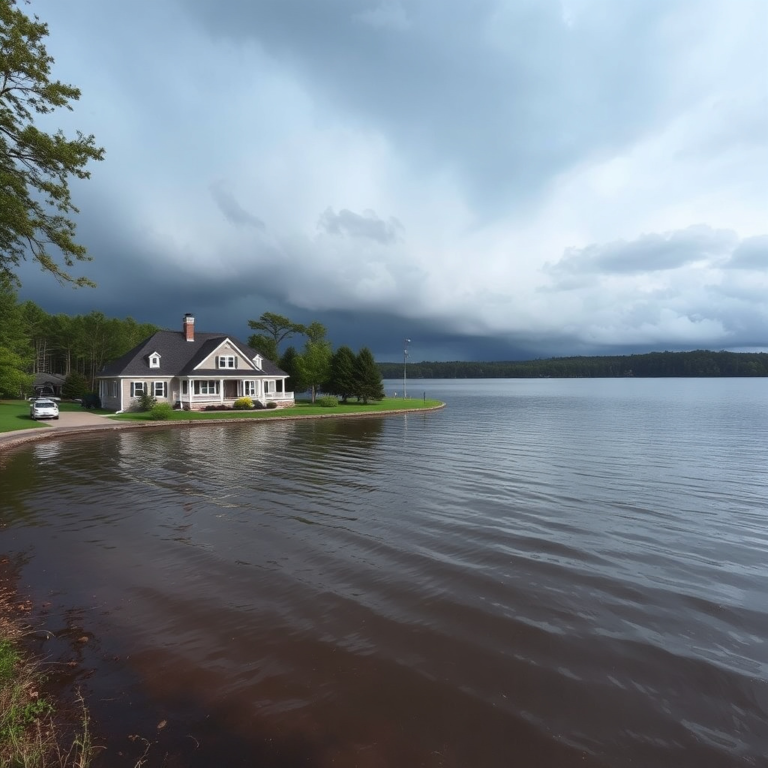
A cove lot is a specific type of waterfront property that features a private, sheltered inlet or bay, often providing calm water access and scenic views. It typically offers homeowners natural protection from strong waves and currents, creating ideal conditions for docks, boats, and recreational water activities. Unlike standard waterfront lots, cove lots usually have an irregular shoreline that adds to their charm and exclusivity.
These lots matter for buyers interested in waterfront living because they combine privacy with practical benefits like gentle water conditions and often increased wildlife presence. They are highly sought after for their peaceful ambiance and potential for outdoor enjoyment. Understanding what a cove lot is can help you make an informed decision when exploring various waterfront property types.
This article will explain the defining features of a cove lot, common advantages and disadvantages, tips for evaluating these properties, how they compare to other waterfront lots, and practical advice for buyers considering a purchase.
Defining Features of a Cove Lot

What Makes a Lot a Cove Lot?
A cove lot is characterized by its location along a small, sheltered cove or inlet leading off from a larger body of water such as a lake, river, or ocean. This natural indentation creates a more enclosed and protected area, shielding the water from larger waves and rough conditions. The shoreline of a cove lot is often irregular and curved, providing unique shapes and more waterfront frontage than typical linear lots.
These lots often have gentler water currents, making them safer for swimming, boating, and fishing. The surrounding geography—like hills or trees—may further enhance privacy and reduce noise, contributing to a tranquil setting that many buyers appreciate.
Types of Water Bodies Featuring Cove Lots
Cove lots can be found on a variety of water bodies, including lakes, coastal areas, bays, and rivers. Each setting affects the cove's size, water behavior, and ecosystem. For example, a lake cove lot might offer flat, calm waters year-round, while a seaside cove lot often has tidal influences with occasional marine wildlife nearby.
Knowing the type of water body that hosts a cove lot helps buyers anticipate maintenance needs, property value trends, and recreational possibilities. Saltwater coves and freshwater coves each have distinct characteristics that impact ownership experience.
Advantages of Owning a Cove Lot

Privacy and Seclusion Benefits
Cove lots often offer more privacy compared to open waterfront lots because the natural land formations limit direct visibility and reduce through traffic. This is valuable for owners seeking a quiet retreat or a more exclusive living environment. Homes on cove lots can be sited to maximize privacy from neighbors and public waterways.
In addition, the gently curving shoreline can create multiple vantage points for scenic views while maintaining a buffer from larger water traffic. This natural seclusion appeals to buyers who prioritize peace and natural surroundings.
Enhanced Water Activities and Safety
The sheltered nature of a cove means calmer waters, which makes launching boats, swimming, and kayaking safer and more enjoyable. This reduces risks associated with strong waves or currents seen on more exposed waterfront properties.
Furthermore, cove lots often allow for private docking facilities that experience less wear due to mild water conditions, potentially lowering maintenance costs and extending dock lifespan.
Potential Drawbacks of Cove Lots

Limited Sunlight and Water Circulation Issues
Some cove lots, especially those deeply recessed, may experience restricted sunlight due to surrounding landforms and vegetation. This can affect outdoor living spaces and lead to cooler microclimates. Poor water circulation in enclosed coves might also contribute to algae buildup or stagnant water conditions that require more upkeep.
Buyers should inspect water quality and sun exposure during different seasons and inquire about local maintenance practices for cove waters to understand long-term implications.
For more on this, see our related guide: How to Finance a Lake Lot: A Practical Guide to Buying Waterfront Property.
Access and Navigation Limitations
Depending on the cove's size and depth, access for larger boats could be restricted. Shallow or narrow entrances may limit navigation, affecting how easily watercraft can enter or exit. In some cases, sediment buildup might require dredging to maintain suitable depths for boating.
Before purchasing, prospective buyers should verify water depth charts, navigational access, and any local regulations that impact water usage in the cove.
How to Evaluate a Cove Lot Before Buying

Inspecting Property and Water Conditions
Thoroughly exploring the physical characteristics of the cove lot is essential. This includes examining shore stability, water depth near the dock, and any signs of erosion or flooding. Testing water quality and consulting local environmental data can reveal concerns such as pollution or wildlife restrictions.
Additionally, potential buyers should assess access roads, utilities, and zoning laws specific to waterfront properties. Understanding these factors can prevent surprises after purchase and guide better utilization of the lot.
- Check erosion and flood history
- Measure dock depth and water clarity
- Review local zoning and environmental regulations
Understanding Local Market and Resale Potential
Cove lots tend to retain value given their desirable water access and privacy, but markets vary depending on location, demand for waterfront properties, and community amenities. Buyers should research comparable sales and consult real estate experts experienced with waterfront property types.
Appreciation potential can be affected by access limitations or upkeep costs related to the cove’s maintenance. Realistic expectations will help buyers make informed financial decisions.
Cove Lots Versus Other Waterfront Property Types
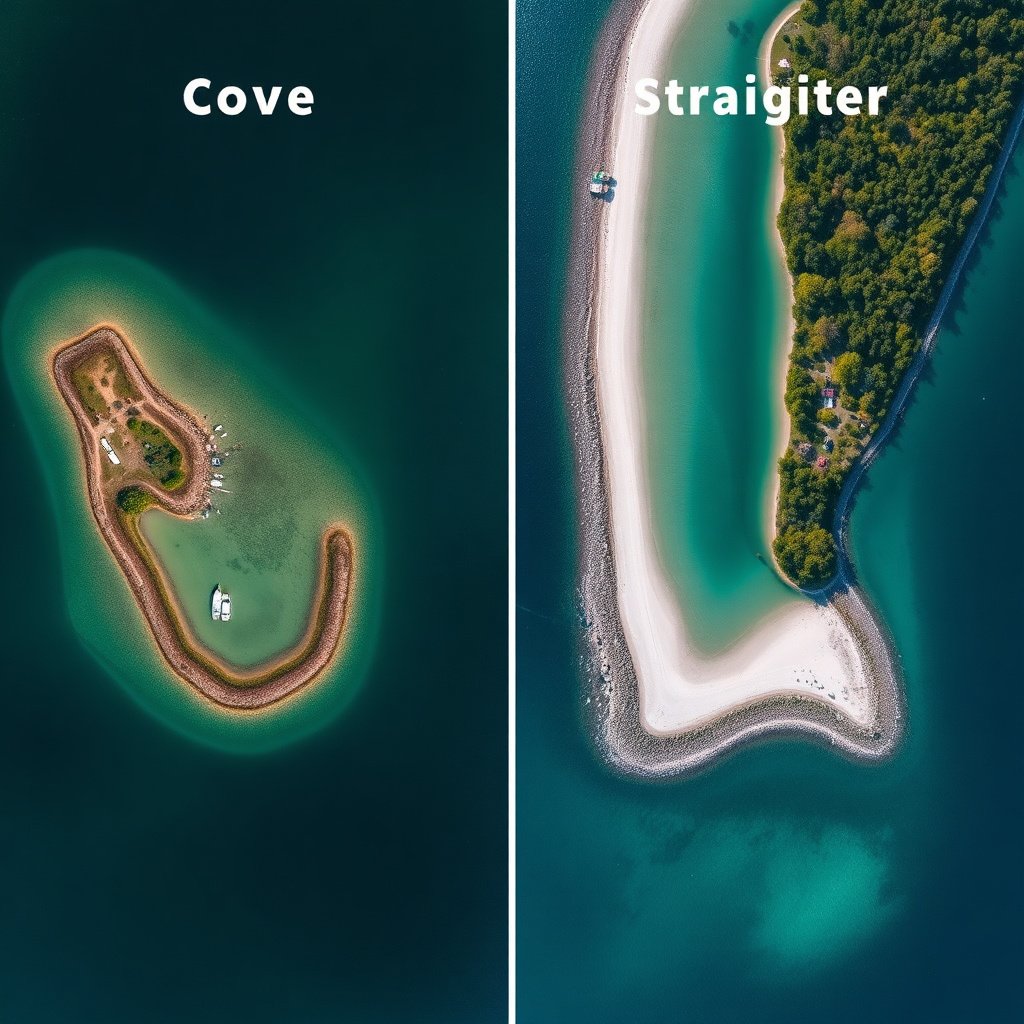
Comparing Cove Lots to Open Waterfront Lots
Open waterfront lots feature a more linear shoreline exposed directly to the main water body. They often provide faster access and unobstructed views but lack the intimacy and protection found in cove lots. Exposure to waves and winds can be greater on open lots, requiring sturdier waterfront structures.
For buyers prioritizing broad vistas and direct water entry, open lots may be preferred. However, those seeking calmer waters and privacy often favor cove lots despite some access constraints.
For more on this, see our related guide: Discover the Best Area of Lake of the Ozarks to Live: A Detailed Guide.
Differences from Point or Peninsula Lots
Point or peninsula lots extend into the water, surrounded by water on multiple sides. While they offer panoramic views and more water frontage, they typically experience higher exposure to wind and waves compared to cove lots. These lots may also have fewer sheltered docking options.
Cove lots sacrifice some views for protected water and privacy, whereas point lots emphasize expansive visual and water access. Buyers must weigh these factors based on lifestyle priorities.
Maintaining and Improving a Cove Lot
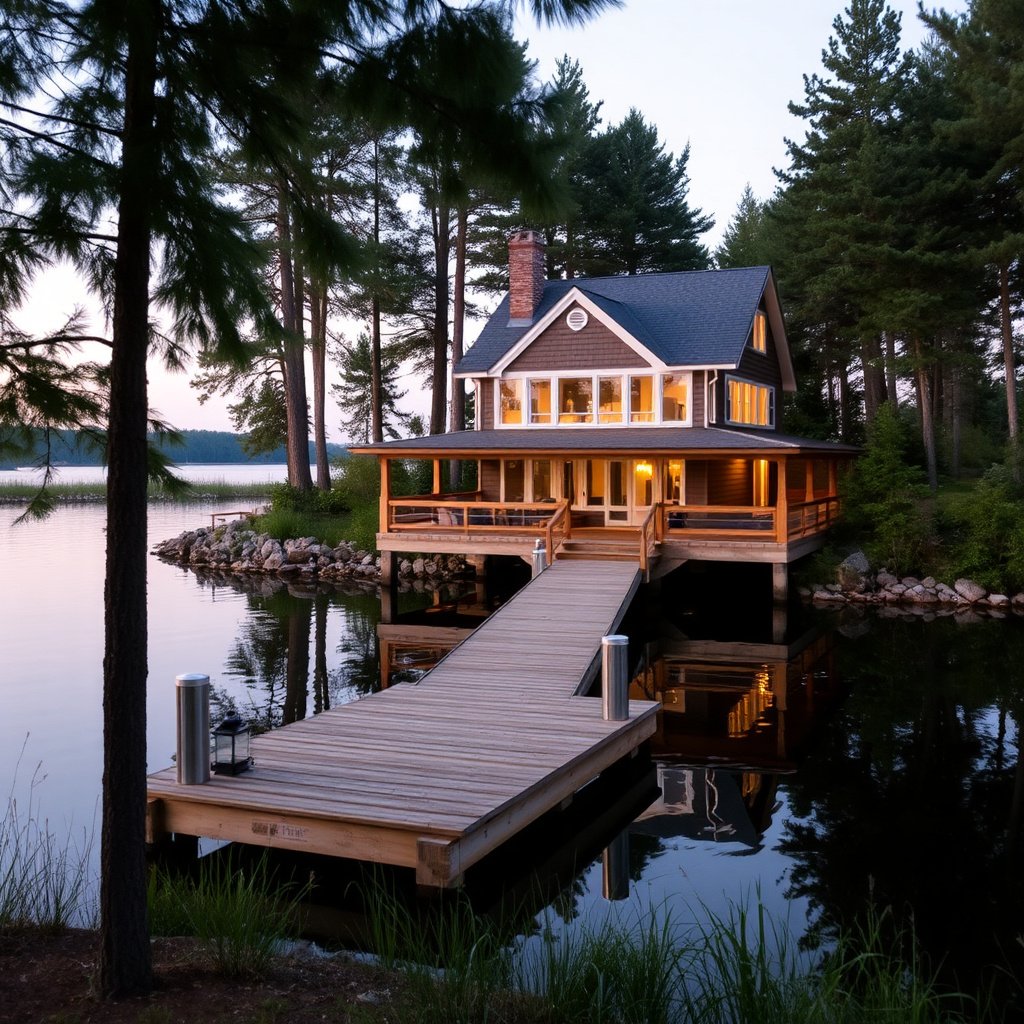
Dock Installation and Waterfront Landscaping
Installing a dock on a cove lot requires consideration of water depth, tidal changes, and shoreline erosion. Because cove waters are typically calmer, dock construction is often simpler and less costly compared to exposed lots. Native plants along the shoreline help reduce erosion and blend landscaping naturally into the environment.
Landscaping to enhance privacy, such as planting trees or shrubs, can improve the property's enjoyment without interfering with water views. Maintenance plans should balance aesthetics with environmental stewardship.
- Use native vegetation for shoreline stabilization
- Consider floating docks for variable water levels
- Regularly check for sediment and debris buildup
For more technical definitions and examples, see the detailed Wikipedia entry on coves. Cove lot details on Wikipedia.
Water Quality and Environmental Concerns
Because cove lots may have limited water circulation, owners should monitor algae growth, sedimentation, and water clarity frequently. Treatments, manual cleaning, or aeration systems may be needed to maintain a healthy waterfront environment.
Being mindful of local wildlife protection laws and limiting chemical runoff from lawns or septic systems promotes sustainable waterfront living and protects property value.
Cove Lots Compared to Other Waterfront Property Types
This table highlights key differences between cove lots and other common waterfront property types based on privacy, water conditions, views, and maintenance needs.
| Property Type | Privacy Level | Water Conditions | View Quality | Maintenance Complexity |
|---|---|---|---|---|
| Cove Lot | High | Sheltered, calm | Moderate to high | Moderate |
| Open Waterfront Lot | Low | Exposed, rougher | High | Higher |
| Point/Peninsula Lot | Moderate | Exposed | Panoramic | High |
| Bayfront Lot | Moderate to high | Sheltered | Wide | Moderate |
| Riverfront Lot | Variable | Flowing water | Variable | Moderate |
Frequently Asked Questions
Is a cove lot always better than other waterfront lots?
Not necessarily. Cove lots offer privacy and calm water but may have limited sunlight or access issues. The best choice depends on your priorities like boating needs, view preferences, and maintenance tolerance.
Can I build a dock on any cove lot?
Most cove lots permit dock construction, but you should verify local regulations, water depth, and environmental restrictions before building to avoid legal or practical problems.
Do cove lots have higher resale value?
Generally, cove lots can hold value well due to their desirable features, but resale depends on location, market conditions, and lot-specific factors like access and maintenance.
Are cove lots good for swimming and water sports?
Yes, their sheltered waters often provide safer and calmer conditions ideal for swimming, kayaking, and fishing compared to more exposed waterfront properties.
How do I assess water quality on a cove lot?
Testing kits, local environmental reports, and on-site inspections can help evaluate water clarity, presence of algae, and pollutant levels before purchasing.
Key Takeaways
- Cove lots are waterfront properties located on sheltered inlets or bays with calm water and privacy.
- They offer advantages like safe boating conditions and seclusion but may have drawbacks like limited sunlight or restricted access.
- Evaluating water quality, shoreline stability, and local regulations is crucial before buying a cove lot.
- Cove lots differ from open waterfront and point lots primarily in water exposure and privacy levels.
Conclusion
Choosing the right waterfront property involves balancing your lifestyle needs with the specific features of the lot. A cove lot offers a blend of privacy, calm water, and natural beauty, making it appealing for owners valuing tranquility and safe water activities. Careful evaluation of the shoreline, water conditions, and access limitations will help ensure the lot matches your expectations and avoids surprises after purchase.
If serene water views, shelter from waves, and a secluded setting are priorities, a cove lot might be an ideal choice. For active boating enthusiasts needing open water access, other waterfront types like open waterfront or point lots could be better. Consider your preferences for privacy, maintenance willingness, and typical activities to guide your decision. Consulting with local real estate professionals familiar with waterfront property types will provide valuable insights tailored to your region.
To move forward, visit prospective cove lots in person to assess their environmental qualities and neighborhood context. Request water quality reports and zoning information, and explore financing and insurance options for waterfront properties. By combining thorough research with personal visits, you will be well-prepared to decide if a cove lot fits your vision for waterfront living.