Do Lake Houses Appreciate in Value? Understanding Lake House Investment Potential
Lake houses often appreciate in value, but it depends on many factors like location, market demand, and property condition. Rather than guaranteed rapid appreciation, lake houses typically see steady long-term value growth influenced by natural beauty and recreational appeal.
Understanding how lake houses appreciate matters for buyers and investors aiming to make smart property decisions. Unlike standard homes, a lake house's value can be closely tied to waterfront access, environmental conditions, and local economic health, which makes their market behavior unique.
This article explores the main drivers behind lake house appreciation, compares lake houses to other real estate investments, and provides practical tips for evaluating potential lake house purchases with long-term value in mind.
Factors Affecting Whether Lake Houses Appreciate

Location and Accessibility
Location is a critical factor influencing lake house appreciation. Properties near popular lakes with good accessibility to urban centers or major highways tend to increase in value more consistently. Proximity to amenities like shops, restaurants, and recreational facilities also boosts property desirability.
Remote lake houses with difficult access might appreciate slower or fluctuate more with market changes. A well-connected lake house near a thriving community generally attracts steady demand, driving its value upward over time.
- Nearby urban development
- Road and transportation access
- Local amenities and attractions
- Popularity of the lake or region
Environmental and Seasonal Factors
The health of the lake ecosystem plays a big role in value trends. Water clarity, pollution levels, and climate conditions affect how attractive the property remains. Seasonal variations also impact usability and appeal, influencing price patterns across the year.
Issues like algae blooms or erosion can decrease a lake house's value or slow appreciation. Conversely, well-maintained lakes and stable shorelines tend to support consistent property appreciation as buyers seek out clean, scenic waterfront living.
- Water quality and clarity
- Climate impacts
- Seasonal accessibility
- Erosion and lake health
How Lake Houses Compare to Other Real Estate Investments
Value Stability vs. Volatility
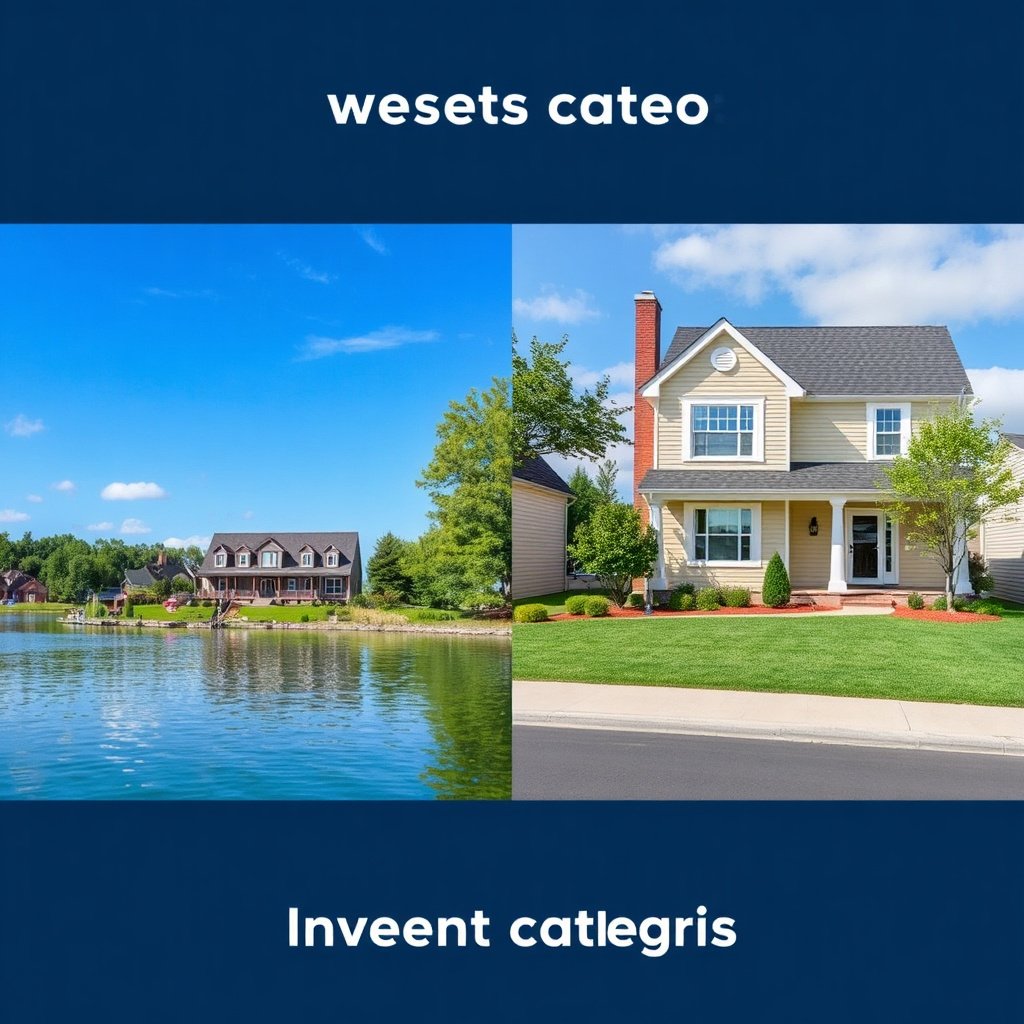
Compared to urban residential properties, lake houses can experience more volatility due to seasonal demand and environmental sensitivity. While some urban properties show steady year-round growth, lake houses often have seasonal fluctuations that can impact short-term price stability.
However, lake houses often outperform in terms of lifestyle value and can command premium prices during peak seasons, reflecting their unique appeal. Over the long haul, value grows at a rate similar to or sometimes faster than general real estate markets, especially in sought-after regions.
Rental Income and Investment Returns
Many lake houses generate strong rental income during vacation seasons, boosting overall investment returns beyond just appreciation. This potential income can help offset holding costs and enhance the total financial benefit of owning a lakefront property.
However, rental demand can fluctuate with economic conditions and environmental factors. Responsible owners who maintain their property and adapt pricing tend to see better financial outcomes, reinforcing lake houses as attractive investment alternatives.
- Seasonal rental potential
- Income variability
- Maintenance and management costs
- Tax implications
Design and Condition Impact on Lake House Appreciation
Architectural Appeal and Updates
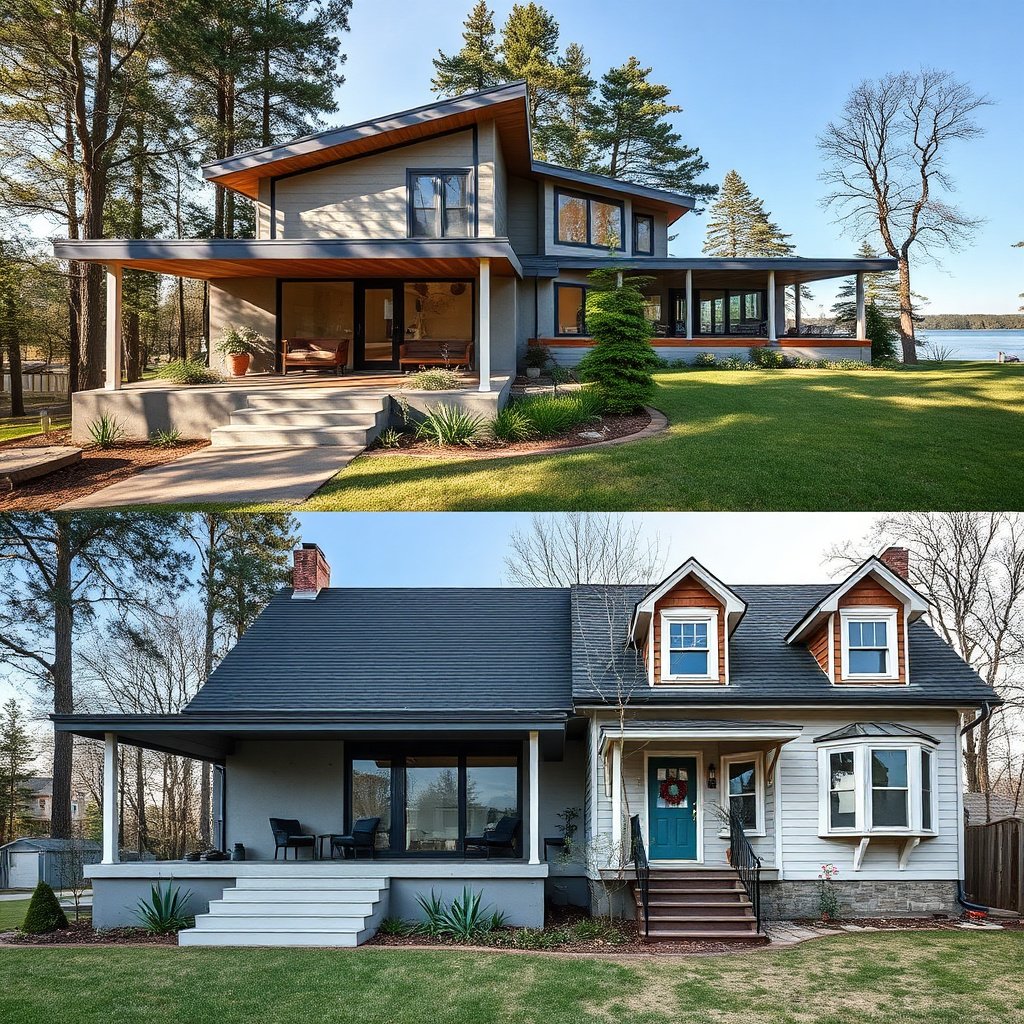
Lake houses with modern architecture, open layouts, and large windows maximize lake views and tend to appreciate better. Thoughtful renovations and energy-efficient upgrades increase desirability and market value.
Conversely, outdated or poorly maintained lake houses may lose value or experience slower appreciation. Buyers often look for homes that blend functional design with natural beauty to secure a premium.
- Modern vs. outdated design
- Energy efficiency upgrades
- Outdoor living spaces
- Waterfront accessibility features
For more on this, see our related guide: How to Rent Out a Lake House: A Complete Guide for Owners.
Maintenance Challenges Unique to Lakefront Homes
Lake houses face unique maintenance issues such as moisture damage, pest control, and docking repairs that influence long-term value. Regular upkeep preserves structural integrity and appearance, protecting appreciation potential.
Neglecting these can lead to costly repairs and reduce market appeal. Understanding these challenges is vital before purchase to avoid unexpected depreciation caused by environmental wear and tear.
Legal and Regulatory Factors Influencing Lake House Value
Zoning and Land Use Restrictions
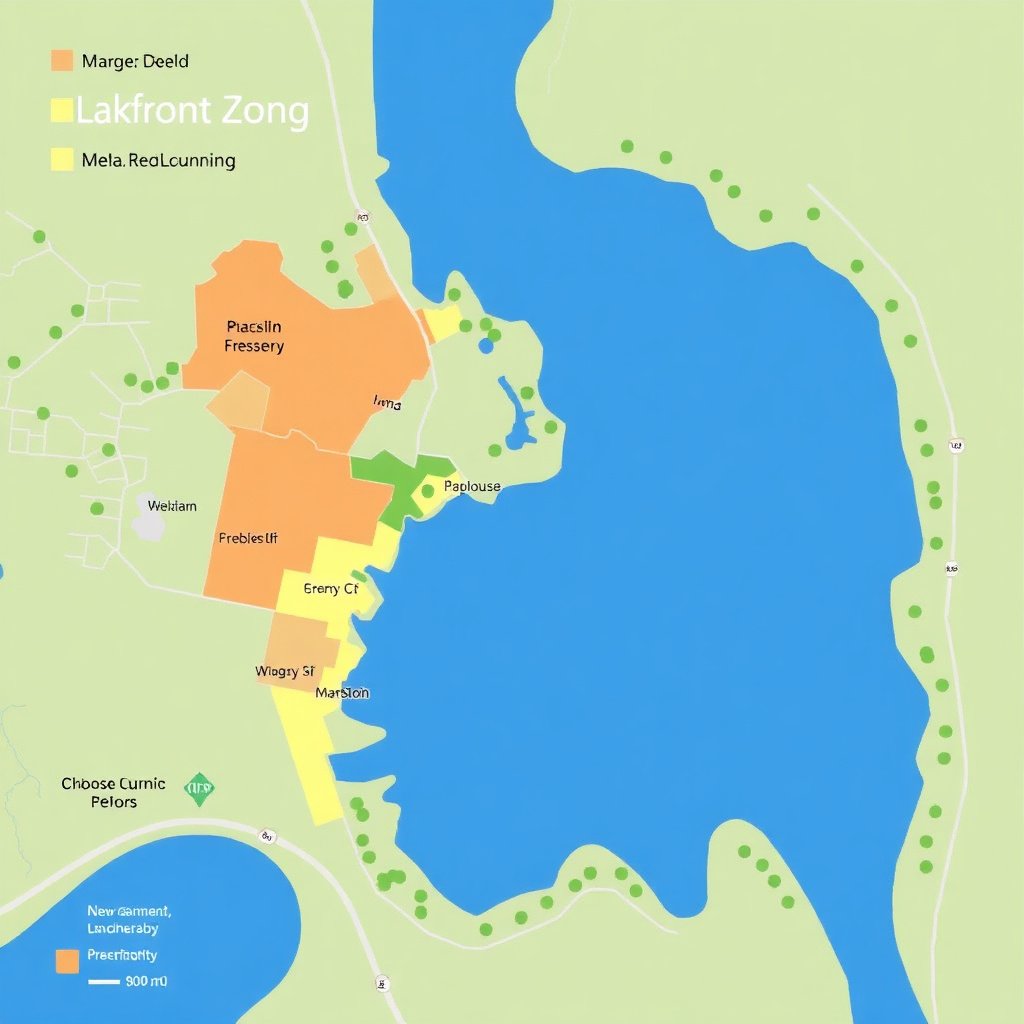
Zoning laws regulating land use around lakes affect lake house appreciation by controlling development density, construction types, and permitted activities. Stricter zoning can protect view corridors and maintain tranquility, lifting property values.
Buyers should research local zoning to understand potential for future development nearby or limitations that could impact property use and attractiveness.
- Shoreline preservation zones
- Building height limits
- Permitted recreational activities
- Future development plans
Water Rights and Access Issues
Securing water rights and legal access to the lakefront is crucial for value retention. Properties with private docks and guaranteed water access typically appreciate more than those with restricted or shared access.
Complicated water rights or limited access can deter buyers and reduce resale prices. Clarifying these before purchase helps protect against unexpected legal or valuation problems.
Environmental Risks That Affect Lake House Appreciation

Flooding and Water Level Changes
Flood risk is a major factor influencing lake house value and appreciation. Properties prone to flooding or fluctuating water levels may see devaluation or require expensive flood-proofing measures.
Insurance costs also rise in flood-prone areas, which impacts overall ownership expense and resale appeal. Understanding historical water level patterns helps predict long-term viability.
- Flood history data
- Flood insurance premiums
- Elevation and shoreline features
- Mitigation measures
For more on this, see our related guide: Is a Lake House a Second Home? Understanding the Classification and Implications.
Impact of Climate Change on Lakefront Properties
Climate change introduces uncertainties like increased storm intensity, droughts, and temperature shifts that threaten lake ecosystems and property stability. These risks might suppress appreciation potential or necessitate costly adaptation.
Monitoring climate data and choosing resilient locations can safeguard investments. Buyers increasingly consider climate models when predicting how lake houses will fare over decades.
Market Trends and Economic Influences on Lake House Appreciation
Seasonal and Economic Cycles
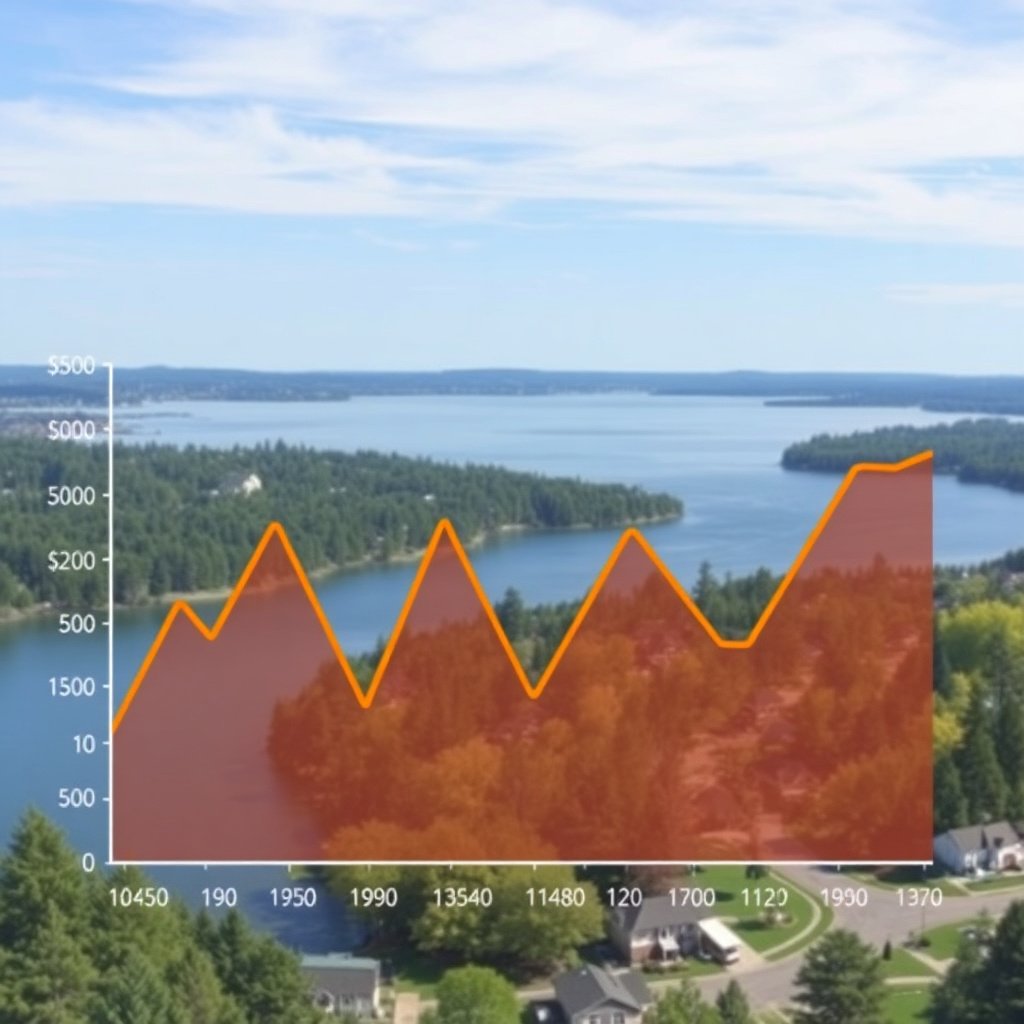
Lake house markets often experience boom-and-bust cycles tied to broader economic conditions and tourism trends. Economic downturns or travel restrictions can soften demand temporarily, affecting short-term appreciation.
Conversely, economic growth and rising outdoor recreation interest can fuel accelerated price gains. Tracking these cycles helps buyers time their purchase for better value retention.
For more detailed background on lake houses and their characteristics, see this comprehensive resource on lake house appreciation factors. lake house appreciation factors.
Demographic Shifts and Lifestyle Preferences
Trends like remote work and retirement migration increasingly drive demand for lakefront living, positively impacting appreciation. Younger generations valuing outdoor experiences also contribute to growth in lake house markets.
Understanding who is buying and why unveils future appreciation patterns, making demographic analysis a useful tool when evaluating lake houses.
- Retirement population growth
- Remote worker migration
- Vacation rental market expansion
- Changing recreational preferences
Lake Houses vs. Other Waterfront Properties Value Comparison
This table compares key characteristics and appreciation traits of various waterfront property types to help identify differences and investment suitability.
| Property Type | Typical Appreciation Rate | Maintenance Complexity | Rental Income Potential | Market Demand Stability |
|---|---|---|---|---|
| Lake Houses | 3-6% annually | Moderate to high | High in peak seasons | Moderate seasonal fluctuations |
| Oceanfront Homes | 4-7% annually | High | Very high | Stable but weather risk affecting |
| Riverfront Properties | 2-5% annually | Moderate | Moderate | Variable based on location |
| Urban Waterfront Condos | 3-5% annually | Low | Moderate to high | High |
| Pondfront Cabins | 1-3% annually | Moderate | Low to moderate | Low |
Frequently Asked Questions
Do lake houses retain their value during economic downturns?
Lake houses may experience slower sales or price dips during downturns, but those in prime locations often retain value better than non-waterfront homes due to their lifestyle appeal.
How does lake water quality affect property appreciation?
Good water quality enhances lake house desirability and supports value growth, while pollution or poor water conditions can depress prices and deter buyers.
Is it more expensive to maintain a lake house compared to regular homes?
Yes, lake houses typically incur higher maintenance costs related to moisture, dock upkeep, and environmental preservation compared to standard homes.
Can renting out a lake house improve its investment returns?
Seasonal rentals can substantially boost returns by offsetting ownership costs, but rental demand can vary based on location, economic conditions, and lake popularity.
What legal issues should buyers watch for when buying a lake house?
Buyers should verify water rights, shore access, and local regulations to avoid legal disputes that can affect enjoyment and property value.
Key Takeaways
- Lake houses typically appreciate steadily but are influenced by location, environment, and market trends.
- Water quality, legal access, and maintenance significantly affect lake house value over time.
- Compared to other waterfront properties, lake houses offer unique seasonal rental income opportunities.
- Economic cycles and shifting lifestyle preferences shape the demand and appreciation of lakefront homes.
Conclusion
Evaluating whether lake houses appreciate requires balancing environmental, legal, and market factors. While they do offer potential for steady value growth, appreciation depends significantly on individual property characteristics such as location accessibility, water quality, and maintenance. Prospective buyers should conduct thorough research on these aspects along with local market conditions to make informed decisions. Unlike some real estate sectors, lake houses blend investment value with lifestyle appeal, which adds complexity to valuation but also creates unique long-term opportunities.
For buyers seeking strong appreciation and good rental returns, lake houses near popular lakes with well-maintained waterfronts and strong zoning protections are ideal. Locations with growing retirement communities and remote worker influx offer additional promise for future value gains. Conversely, properties facing environmental risks like flooding, poor water quality, or restricted access might struggle to appreciate or require costly upkeep. Comparing lake houses to other waterfront options like oceanfront or riverfront homes can clarify the fit with personal investment goals and risk tolerance.
If you are seriously considering a lake house purchase, start by prioritizing lakefront properties with healthy ecosystems and strong legal water access. Consulting local experts about market trends and regulations will further safeguard your investment. Whether for vacation use, rental income, or eventual resale, understanding these factors will help you buy a lake house that appreciates in value and delivers personal enjoyment over time.




One Comment