Is It a Good Time to Buy Land? Expert Insights for 2024
Yes, buying land can be a good move right now, but it depends on several factors including location, market trends, financing, and your long-term goals. If you plan to build, invest, or hold land for appreciation, timing the market carefully can make a big difference in value and utility.
Land purchasing decisions have gained complexity after recent shifts in real estate and economic conditions, like inflation adjustments, changing interest rates, and evolving zoning laws. These forces impact both the potential costs and benefits of owning raw land today, making it vital to analyze current market trends closely.
This article will explore key considerations such as current land market behavior, types of land available, financial aspects like loans and taxes, and how broader economic indicators influence whether buying land now suits your objectives. You’ll gain detailed insights to make a well-informed choice.
Understanding the Current Land Market
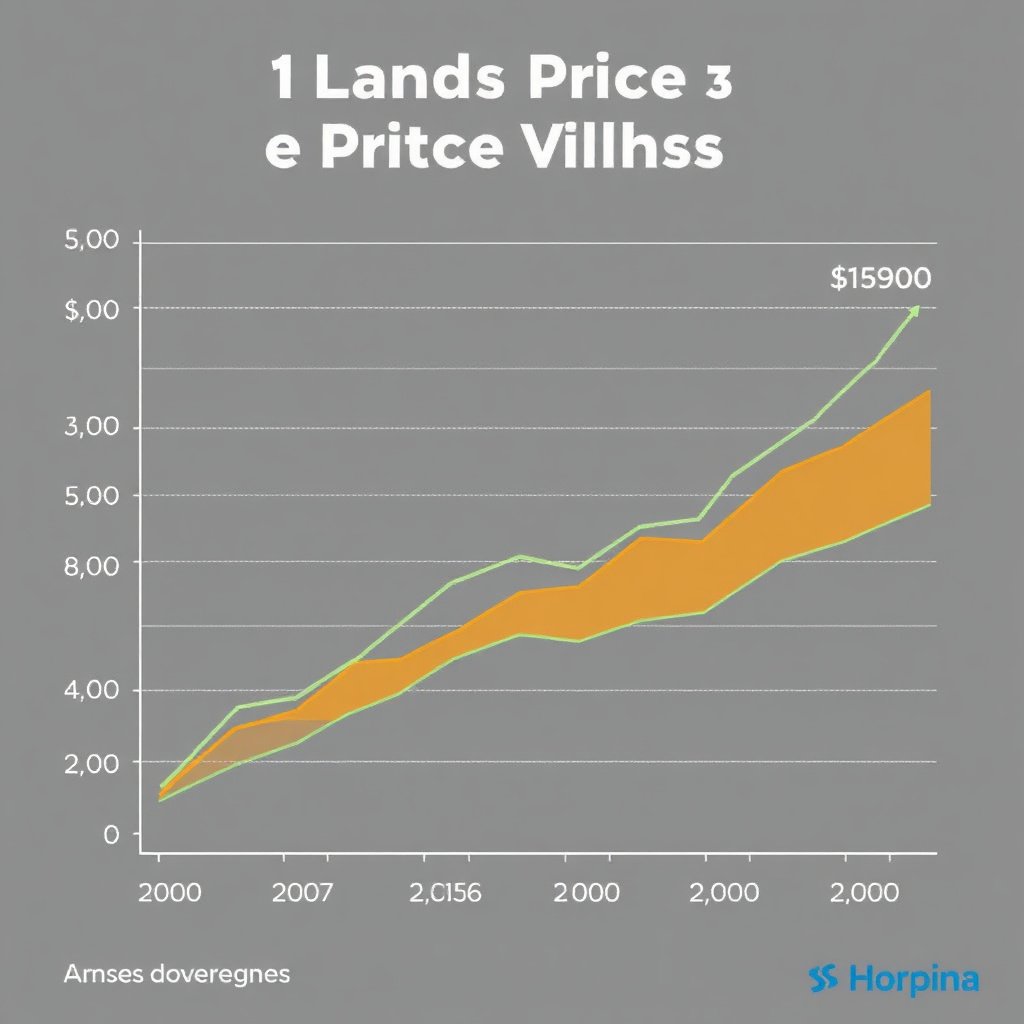
Recent Land Price Trends
Land prices have generally risen over the past decade, with some regions seeing double-digit annual growth due to urban expansion and inflation. However, in 2023 and early 2024, price growth has slowed in many areas due to rising interest rates and tightening lending standards.
Certain rural and underdeveloped areas may still offer affordable land with growth potential, while prime locations near booming metro areas continue to command premium prices. Evaluating regional trends helps identify areas with favorable entry points.
- Urban vs. rural price dynamics
- Impact of inflation on land values
- Geographic hotspots for growth
Land Investment Trends
Investors increasingly view land as a diversification tactic amid volatile stock markets and unpredictable real estate. The secondary keyword, land investment trends, indicates a rising interest in land parcels that can be held long term or developed for income.
Moreover, buyer preferences are shifting toward land parcels with utility hookups and easy zoning approval. Monitoring these investment trends helps buyers align their purchases with markets showing strong demand.
- Growing interest in recreational and agricultural land
- Demand for land near infrastructure improvements
- Trends in land development and subdivisions
Types of Land You Can Buy
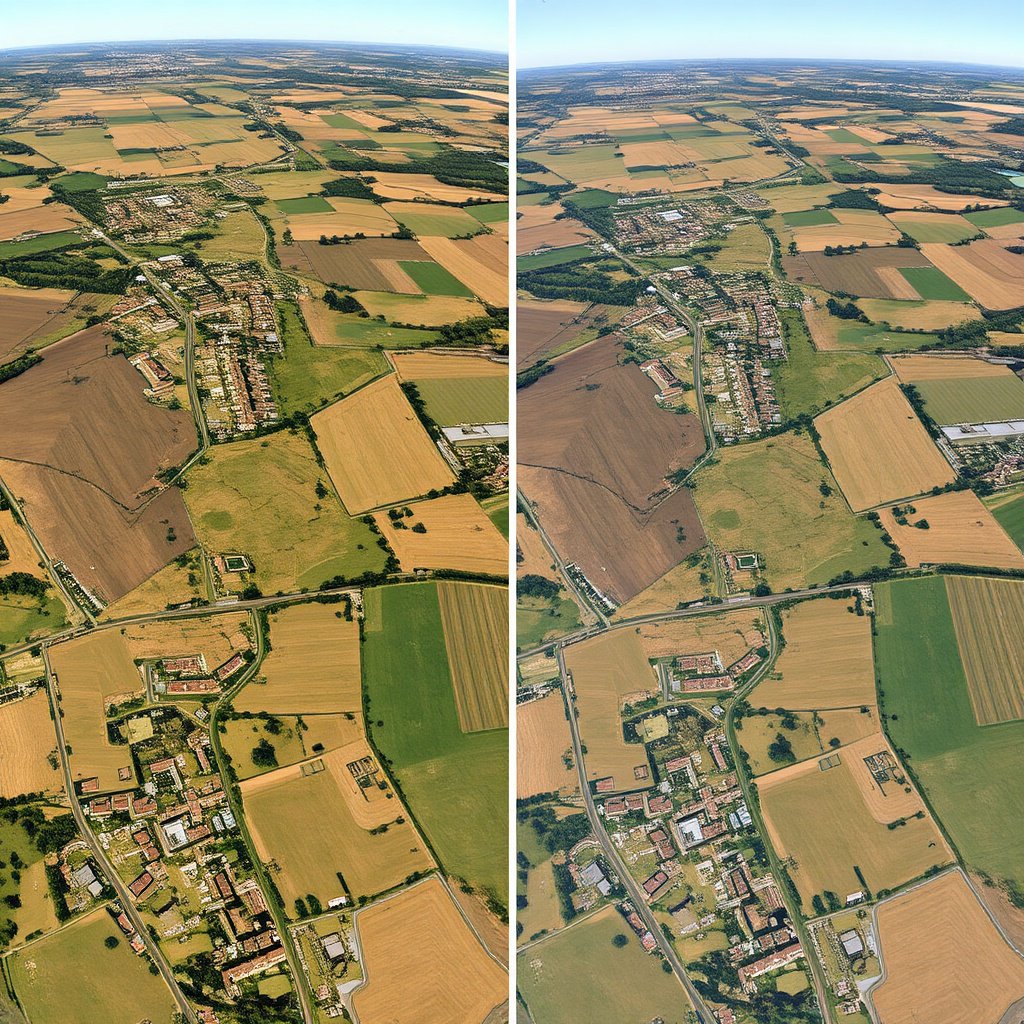
Agricultural and Recreational Land
Agricultural land is often priced lower than residential plots but may come with restrictions on use. It’s suitable for farming, ranching, or recreational activities like hunting and fishing, which attract buyers wanting a mix of utility and investment potential.
Recreational land appeals to hobbyists or those seeking a private getaway. This type often requires fewer permits but may lack immediate income potential compared to other land types.
- Common restrictions on agricultural land
- Popular recreational land features
- Typical buyer profiles for these land types
Residential and Commercial Land
Residential land typically means lots suitable for building homes and is highly sought after near urban areas. Commercial land involves parcels set aside for business purposes, which usually demand more upfront capital but can provide substantial returns through leasing or resale.
Both types require understanding local zoning laws, utility access, and environmental assessments to avoid costly surprises after purchase.
- Factors influencing residential land value
- Examples of commercial land uses
- Due diligence needed before buying
Financial Considerations When Buying Land
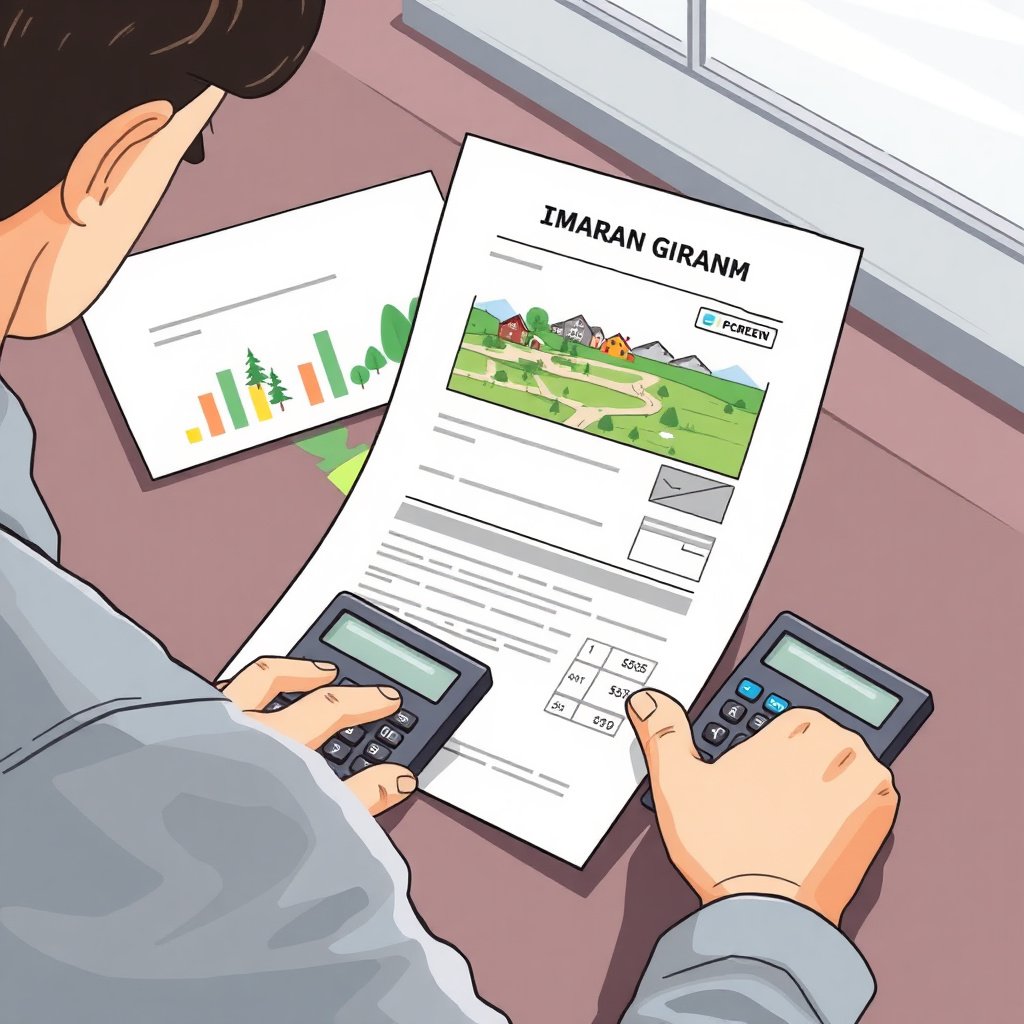
Financing Options for Land Purchases
Unlike traditional home loans, land purchase financing often involves shorter terms, higher interest rates, and larger down payments — sometimes 20–50%. Banks consider land riskier, especially if it lacks utilities or access, affecting loan approval.
Some buyers opt for seller financing or cash to sidestep these challenges. Knowing your options and preparing financially helps smooth the buying process.
- Conventional land loans vs. seller financing
- Typical down payment percentages
- Impact of land characteristics on loan terms
For more on this, see our related guide: How Much Down Payment for Land Is Typically Required?.
Taxes and Ongoing Costs
Owning land comes with property tax responsibilities, which vary by state and land use. Tax rates can impact your carrying costs significantly, especially if you plan to hold the land long term without development.
Additional expenses include insurance, maintenance, and possibly fees for water, sewer, or road access, all of which should factor into your budget before purchase.
- Understanding property tax assessments
- Insurance options for landowners
- Common maintenance and utility costs
Legal and Regulatory Factors

Zoning and Land Use Restrictions
Local zoning laws dictate what can be built or done on your land. Residential, commercial, agricultural, and conservation zones each have their own rules. Failure to comply can lead to fines or forced removal of structures.
Conducting a zoning review early helps you avoid incompatible purchases or unpleasant surprises after buying land.
- Types of zoning classifications
- How to check zoning for a parcel
- Common restrictions for undeveloped land
Environmental and Survey Requirements
Environmental assessments identify issues like wetlands, endangered species habitats, or contamination, which may restrict development or add remediation costs.
Surveys establish exact boundaries and easements. Investing in thorough environmental and land surveys protects you from legal disputes and fines.
- Purpose of environmental impact studies
- Importance of boundary and topographic surveys
- How to find qualified land surveyors and consultants
Timing Your Land Purchase

Seasonal and Market Timing
Land sales often slow in winter months but pick up in spring and summer. Sellers may be more motivated during off-peak periods, possibly creating negotiation opportunities.
Timing purchases with interest rate trends and economic conditions can save money or increase future gains.
- When to expect more listings
- How economic cycles affect land prices
- Signs that the market is favorable for buyers
For more on this, see our related guide: Do You Need a Survey to Buy a House? Essential Homebuyer Insights.
Long-Term Perspective on Land Value
Land should generally be viewed as a long-term asset; its appreciation depends on factors like population growth, infrastructure development, and zoning changes over years or decades.
Evaluating your timeline and risk tolerance helps decide if immediate purchase makes sense, or if waiting for a better market aligns with your goals.
- Factors influencing long-term land appreciation
- Risks of holding undeveloped land
- Strategies for land investment planning
Working with Professionals

Choosing the Right Real Estate Agent
Agents specializing in land can provide access to off-market deals and expertise about local land values and zoning. Their insight is invaluable when navigating complex land purchases.
A good agent will help you understand financing hurdles and negotiate price and terms tailored to land transactions.
- Questions to ask land-focused agents
- Benefits of local experts
- How agents assist with due diligence
For additional insights about investing in land, this comprehensive guide covers key considerations and practical tips. Land investing details on Investopedia.
Legal and Survey Assistance
Hiring an attorney experienced in land law safeguards your interests and clarifies contract terms, easements, and title issues.
Certified land surveyors provide essential boundary verification and site condition information critical before finalizing any purchase.
- Legal services needed for land deals
- Role of surveys in land acquisition
- Where to find reputable professionals
Comparing Land Types for Buyers in 2024
This table highlights distinct characteristics, typical costs, and ideal uses for major land categories to help you decide what fits your needs.
| Land Type | Average Price per Acre | Common Uses | Financing Accessibility | Typical Holding Costs |
|---|---|---|---|---|
| Agricultural | $2,000 – $5,000 | Farming, Ranching, Recreation | Moderate | Low property taxes, maintenance |
| Residential | $20,000 – $100,000+ | Homebuilding, Subdivisions | Easier than other types | Higher taxes and utility fees |
| Commercial | $50,000 – $200,000+ | Businesses, Retail, Offices | Harder, strict conditions | Variable taxes, insurance costs |
| Recreational | $1,000 – $10,000 | Hunting, Camping, Getaways | Often cash or seller financing | Low taxes, occasional upkeep |
Frequently Asked Questions
How do interest rates affect buying land?
Rising interest rates typically increase borrowing costs, making land loans more expensive. This can slow demand and affect land prices, so factoring current and projected rates helps in timing your purchase.
What should I check before buying land?
Always review zoning rules, physical access, environmental restrictions, utility availability, and perform a land survey. These checks prevent future legal and development issues.
Is it better to buy land with cash or financing?
Cash purchases simplify and speed up transactions without loan costs, but financing may allow flexibility. Consider your financial situation and the cost of borrowing before deciding.
Can land appreciate like residential real estate?
Land can appreciate, often driven by development or infrastructure growth nearby. However, appreciation usually happens over a longer period and can be less predictable than homes.
Are there risks in owning undeveloped land?
Yes, risks include limited liquidity, maintenance costs, taxes, and zoning or environmental limitations that restrict use or future development.
Key Takeaways
- Evaluate local market trends before deciding to buy land
- Understand land types and their specific uses and costs
- Prepare financially with knowledge of financing and taxes
- Use professional advice for legal, zoning, and survey matters
Conclusion
Making a decision about whether it is a good time to buy land requires weighing many factors: your financial readiness, understanding of local market conditions, the type of land you want, and your long-term goals. Careful research on zoning, taxes, and financing options can reveal the true costs and potential benefits beyond the initial purchase price. The fluctuating economic landscape, including interest rates and land investment trends, also plays a pivotal role in timing your acquisition effectively.
Specific scenarios illustrate when buying land now could make sense: if you are targeting affordable agricultural land in growing rural regions, or if you seek residential lots near expanding metropolitan areas where future development is expected. Conversely, waiting might be wise if the market shows high prices or restrictive lending conditions, especially for commercial or highly zoned parcels. Each land type comes with unique pros and cons, and knowing your investment horizon and risk tolerance will help determine if immediate purchase is a smart move.
To move forward, start by narrowing down your location and land type choices, then engage knowledgeable real estate agents and legal professionals to assist in due diligence. Explore current market data and financing options relevant to your situation. Taking these concrete steps will guide you toward a land purchase decision supported by grounded insights and tailored to your personal or investment needs.





One Comment