Do You Need a Survey to Buy a House? Essential Homebuyer Insights
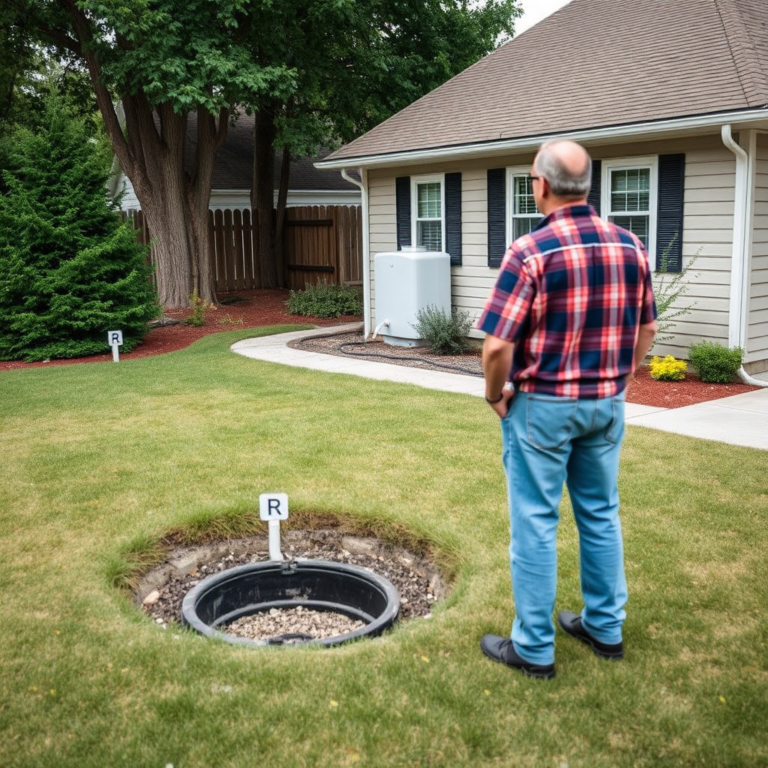
A property survey is not legally required to buy a house, but getting one is highly recommended because it reveals important details about the condition and boundaries of the property. It helps identify risks such as structural flaws or boundary disputes that can affect your future ownership experience.
Many buyers skip surveys to save money, but this can lead to costly surprises down the line. Lenders sometimes require a basic valuation survey for mortgage approval, but this doesn't replace a comprehensive home survey that assesses issues beyond value. Understanding if a survey suits your situation depends on property age, location, and condition.
This article explores whether you need a survey when buying a house, the main types of property surveys available, when each is appropriate, and how to choose the right one to protect your investment and negotiate better purchase terms.
Why a Survey Matters When You Buy a House
The Role of a Property Survey in Home Buying
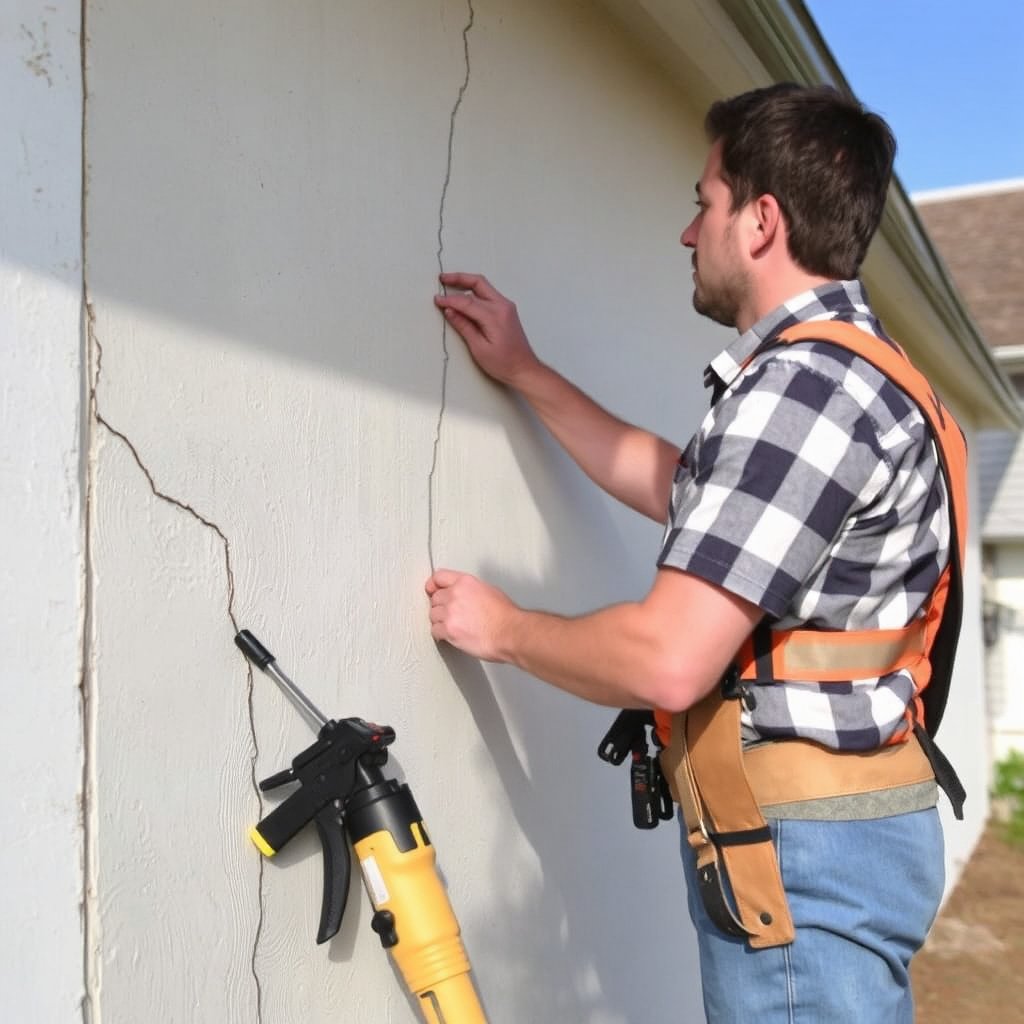
A property survey provides an in-depth examination of a home's condition and boundaries. It identifies structural issues, drainage problems, and potential disputes about where your property starts and ends, which might not be obvious during a viewing.
Having this knowledge before committing can steer you away from expensive repairs or legal conflicts, giving you leverage to negotiate price or request repairs from the seller.
Surveys vs. Mortgage Valuations: What’s the Difference?
Mortgage lenders often conduct a valuation survey to confirm the property's market value for lending purposes. This valuation is not a detailed structural survey and typically doesn’t reveal underlying defects or boundary issues.
Buyers need to understand that relying solely on mortgage valuations leaves gaps in knowledge about the property’s true condition, which comprehensive property surveys address.
Types of Property Surveys Explained

RICS HomeBuyer Report
This report suits newer properties in reasonable condition and flags problems needing attention like damp or defective windows. It covers the building's general state, highlights risks, and includes a valuation summary but doesn’t provide detailed technical insights.
The HomeBuyer Report is a popular choice for most buyers as it balances cost and detail, but it’s not suitable for very old or significantly altered homes requiring specialist surveys.
Building Survey (Full Structural Survey)
Also known as a full structural survey, it’s the most thorough option, recommended for older or unusual properties with potential unknown defects. It offers detailed analysis of structural integrity, materials, services, and maintenance requirements.
Although more expensive, this survey provides comprehensive insight to avoid hidden costs later—ideal if you’re buying a historic building or one in poor condition.
When to Skip or Get a Survey

Situations Where You Might Not Need a Survey
If the property is new and covered by a builder’s warranty, or if you are buying at auction with time-sensitive conditions, skipping surveys might be considered. Also, if extensive inspections have been recently conducted and reports are provided, you may opt out.
However, skipping surveys carries risk, so thorough understanding of the property is necessary before waiving this safeguard.
For more on this, see our related guide: What Is a Covered Dock? Understanding Its Purpose and Benefits.
When a Survey is Essential
A survey is essential if you’re buying an older property, one with visible defects, or if the property history is unclear. Also, if you plan major renovations, the insights from a survey help budget and plan accurately.
Properties on challenging land, near borders, or with complicated ownership benefit from surveys to prevent boundary disputes or unexpected hazards.
Cost Factors and Choosing Surveyors

Typical Survey Costs and What Affects Them
The cost of surveys varies depending on property size, age, and survey complexity. A RICS HomeBuyer Report may cost between £400 and £1,000, while a full building survey can exceed £1,000, especially for large or complex homes.
Location and surveyor experience also influence price. Budgeting ahead helps integrate survey costs into your overall home purchase expenses.
- Property size and complexity
- Survey type and detail level
- Local market rates for surveyors
- Additional specialist inspections
How to Select a Qualified Surveyor
Choose a surveyor registered with the Royal Institution of Chartered Surveyors (RICS) for professional standards and accurate reporting. Verify reviews and request detailed quotes listing what’s included.
Clear communication about your concerns ensures the survey covers your priority areas, and professional advice aids in interpreting reports to guide your decision.
Using Survey Results in Your Buying Process

Interpreting Survey Findings
Survey reports highlight defects, urgent repairs, and maintenance needs. Understanding the severity and cost implications helps put the property value in perspective.
Some findings might not require immediate action but affect long-term budgeting. Seeking expert advice clarifies which issues are deal-breakers.
For more on this, see our related guide: How to Finance a Lake Lot: A Practical Guide to Buying Waterfront Property.
Negotiating Price and Terms Based on Surveys
Detailed survey reports provide leverage to negotiate price reductions or seller-funded repairs. They support requests for warranties or adjustments before finalizing the sale.
In some cases, buyers may decide to walk away based on significant issues uncovered, avoiding future financial pitfalls.
Legal and Insurance Considerations of Surveys

Survey Reports and Property Title Issues
Surveys often uncover boundary discrepancies or easements affecting legal ownership. Identifying these early prevents costly disputes post-purchase.
Some surveyors provide title reports or flag issues requiring legal advice, which complements the conveyancing process to safeguard your rights.
For more details on property surveys when buying a house, official government guidance provides clear, practical advice. property survey information.
Impact of Surveys on Home Insurance
Insurance companies may ask for survey details, especially when insuring older or unusual properties. A survey that documents condition helps in obtaining accurate coverage and avoiding claim surprises.
If issues are found, insurers might require remedial work or offer tailored policies based on risks identified.
Property Survey Category Comparison
Below is a comparison of common property survey types, highlighting their features, costs, and typical uses to aid your decision-making.
| Survey Type | Detail Level | Typical Cost Range | Best For | Limitations |
|---|---|---|---|---|
| Mortgage Valuation | Low | £150-£300 | Mortgage Lenders | Not a structural survey, limited defect detection |
| RICS HomeBuyer Report | Medium | £400-£1,000 | Modern Homes in Good Condition | Not suitable for old or altered properties |
| Building Survey (Full Structural) | High | £1,000-£2,000+ | Older or Complex Properties | More expensive, longer report time |
| Condition Report | Low to Medium | £300-£600 | Basic Overview, Buyers on Budget | Does not include valuation, limited detail |
| Specialist Surveys | Variable | Variable | Specific Issues (e.g. asbestos, damp) | Narrow focus, additional cost |
Frequently Asked Questions
Is a survey mandatory when purchasing a house in the UK?
No, a survey is not legally required, but it is strongly recommended to identify potential issues before buying and protect your investment.
Can a surveyant guarantee the home is free from defects?
No survey can guarantee a property is completely free of defects, but surveys significantly reduce the risk by thoroughly assessing visible and structural conditions.
How long does a typical property survey take?
Most surveys can be completed within a day or two depending on property size, but the full report may take one to two weeks to deliver.
Does the seller have to fix survey issues?
Buyers can request repairs or price adjustments based on survey findings, but sellers are not obligated to fix issues unless agreed in negotiations.
Will a survey impact my mortgage application?
Lenders require valuations to approve mortgages, but the buyer’s property survey is separate and does not impact mortgage approval directly.
Key Takeaways
- A survey is not legally required but advisable to uncover property defects and boundary issues.
- Choose the appropriate survey type based on property age, condition, and your concerns.
- Survey reports provide critical negotiation tools when buying a house.
- Qualified RICS surveyors offer reliable, professional assessments.
Conclusion
Deciding whether you need a survey to buy a house depends on the property's specifics and your risk tolerance. Although it is not mandatory, surveys provide valuable insights you won't get from viewing alone or lender valuations. They help identify hidden defects and boundary concerns that could lead to unexpected expenses or legal headaches after purchase. Prioritizing a survey reduces uncertainty, helping you make an informed investment decision with confidence.
If you're purchasing a modern home in good condition, a RICS HomeBuyer Report generally balances cost and detail suitably. For older or unique properties, a full building survey is worth the extra expense to avoid costly surprises. Auctions or new build homes may sometimes allow for skipping surveys, but this carries increased risk. Make your decision based on property type, age, and your financial readiness to address potential issues.
Next, contact trusted RICS-registered surveyors to discuss your property, budget, and concerns. Request clear quotes and what each survey covers so you can pick the right service. Remember, a detailed survey is both a safeguard and a negotiating asset, shaping your home buying into a confident, well-informed experience.