How to Inspect a Septic System: A Step-by-Step Guide
Inspecting a septic system involves checking the tank, pipes, and drain field for signs of damage, blockage, or failure. This usually means locating the tank, removing the access lids, measuring sludge and scum layers, and observing the distribution box and drain field condition.
Knowing how to inspect a septic system matters because untreated problems can lead to sewage backups, expensive repairs, and environmental contamination. Regular inspections help catch issues early before they worsen, saving homeowners both money and inconvenience.
This article will cover the main steps involved in a septic system inspection, highlight key warning signs to watch for, describe tools and methods to use, and discuss when to call a professional. You'll also find tips on maintaining your system to extend its lifespan.
Locating and Accessing Your Septic System
Finding the Septic Tank and Drain Field
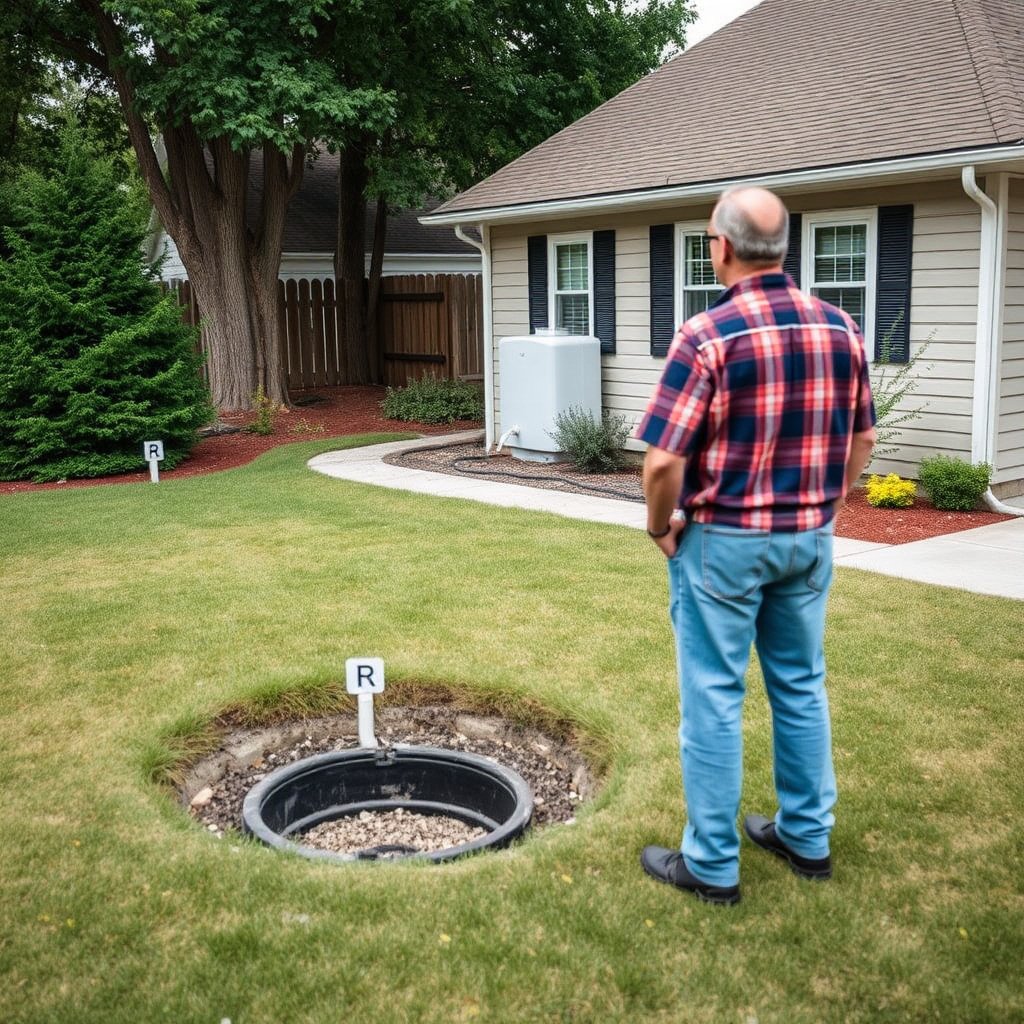
Most septic tanks are buried 4 to 6 feet underground, generally located 10 to 25 feet from the house. Look for inspection covers, vents, or previous property records to pinpoint the tank. The drain field typically sits downhill or away from the house and tank.
Using a soil probe or metal detector can help confirm the tank's location. Knowing the exact spot prevents random digging and damage during inspection or pumping.
- Check property blueprints or septic permits
- Use markers like septic vents or inspection pipes
- Consider hiring a professional locator if unsure
Gaining Safe Access to Inspection Ports
Septic tanks have access ports or lids that allow for visual inspection and pumping. Sometimes these lids are buried beneath a few inches of soil or grass, requiring careful excavation with a shovel.
Always exercise caution while uncovering lids; avoid damaging wiring or pipes. Use rubber gloves and keep lids nearby for easy resealing.
- Clear vegetation gently around the area
- Use proper tools for soil removal
- Wear protective gear to avoid contamination
Assessing Septic Tank Condition
Measuring Sludge and Scum Layers
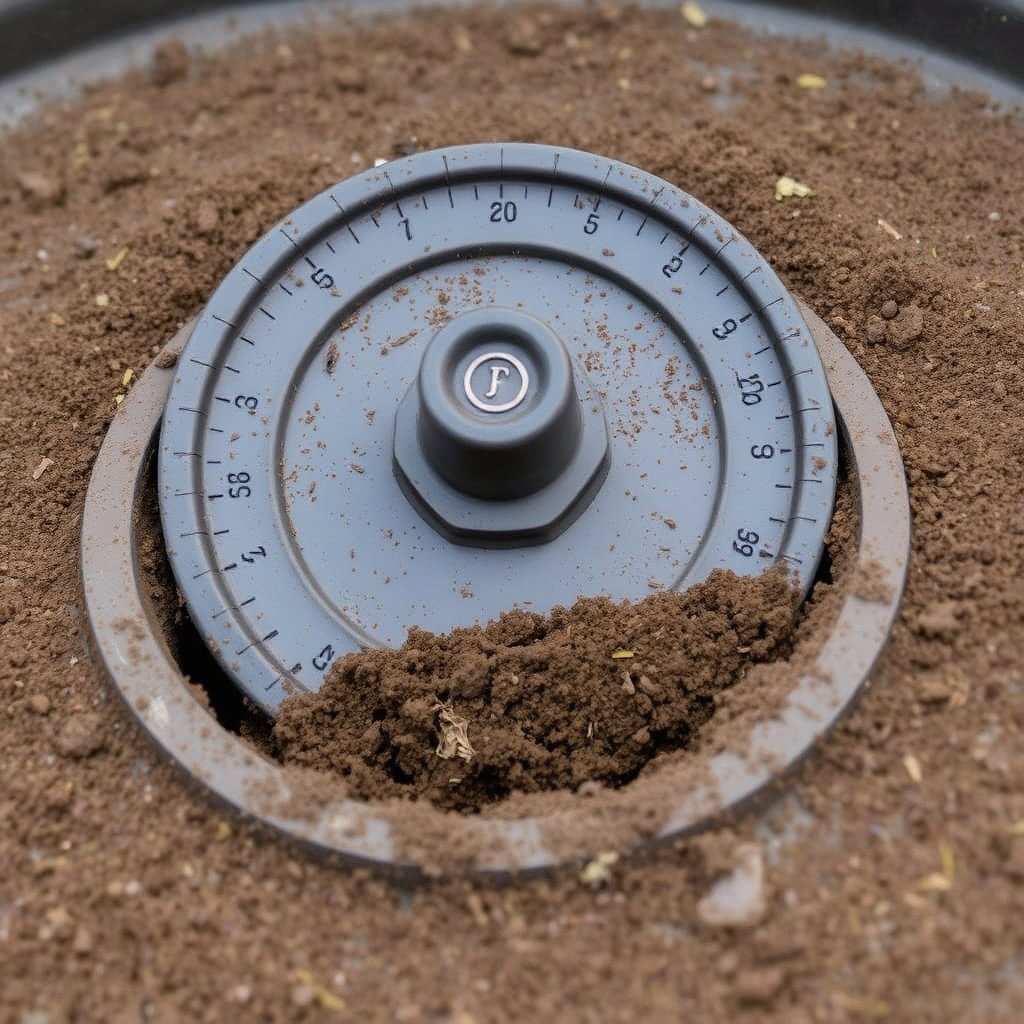
Inside the tank, inspect the sludge (solid waste) and scum (floating solids) layers. Use a septic tank ruler or a long stick to measure depths to determine if pumping is needed. Excessive sludge or scum reduces tank volume and clogs pipes.
If sludge occupies more than one-third of the tank's volume or scum layer approaches the outlet baffle, cleaning is necessary to prevent system failure.
- Insert measured stick vertically to bottom
- Mark depth of sludge and scum separately
- Compare measurements with tank capacity
Inspecting Tank Walls and Baffles for Damage
Use a flashlight to examine the condition of the tank’s interior walls and inlet/outlet baffles. Look for cracks, corrosion, or broken parts that could compromise the tank's function or allow solids to pass into the drain field.
Damaged baffles can let solids escape prematurely, clogging the drain field and causing backups outside the system.
- Check for gaps or holes near tank walls
- Identify corroded or missing baffle components
- Note any unpleasant odors indicating leaks
Evaluating the Drain Field and Distribution Box

Observing Drain Field Signs
Healthy drain fields show no puddling or foul smells. Inspect for soggy or overly green areas, which suggest leach field saturation or failure. Vegetation growing aggressively over the field can indicate excess moisture or nutrient leakage.
Regular inspection helps identify drainage inefficiencies before they cause environmental or property damage.
- Look for standing water over drain pipes
- Note unusual plant growth or odors
- Test soil absorbency if possible
For more on this, see our related guide: How Long Does a Septic System Last? Lifespan and Maintenance Tips.
Checking the Distribution Box Functionality
The distribution box evenly divides effluent to the drain lines. Examine it by lifting its lid to check for clogs, cracks, or shifting that could block flow. A malfunctioning box causes uneven system loading and can damage sections of the drain field.
Ensure proper alignment and that the box is clear of debris or roots.
- Lift the distribution box lid carefully
- Inspect for sediment buildup or damage
- Verify that all outlet pipes are intact
Tools and Techniques for Septic System Inspection
Essential Inspection Tools
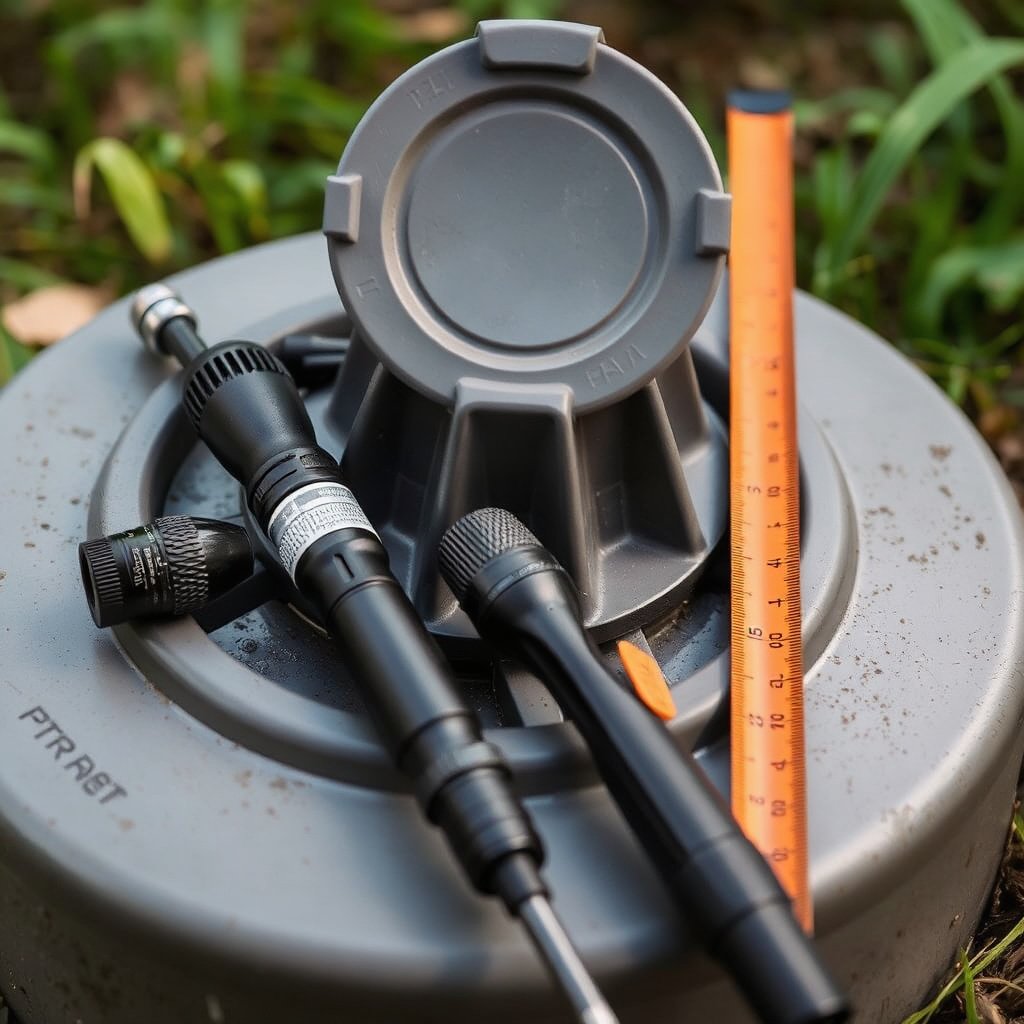
To inspect a septic system effectively, gather tools like a soil probe to locate the tank, a flashlight for internal visibility, a septic tank ruler or a long stick for measuring sludge, and gloves for hygiene. A mirror can help view hard-to-see spots.
Having the right equipment prevents guesswork and helps detect issues precisely.
- Soil probe or metal detector
- Flashlight with high lumen output
- Septic tank inspection stick or ruler
- Protective gloves and eye protection
Safe and Efficient Inspection Practices
Approach inspections methodically: locate and clear the tank, remove lids safely, measure sludge and scum, check baffles and box conditions, and finally inspect drain field signs. Take notes and photos to track changes over time.
Avoid standing directly over the tank opening and wash hands thoroughly afterward to reduce contamination risk.
- Work with a partner if possible
- Record measurements and observations
- Restore lids and cover soil properly after
Warning Signs That Indicate Septic System Problems
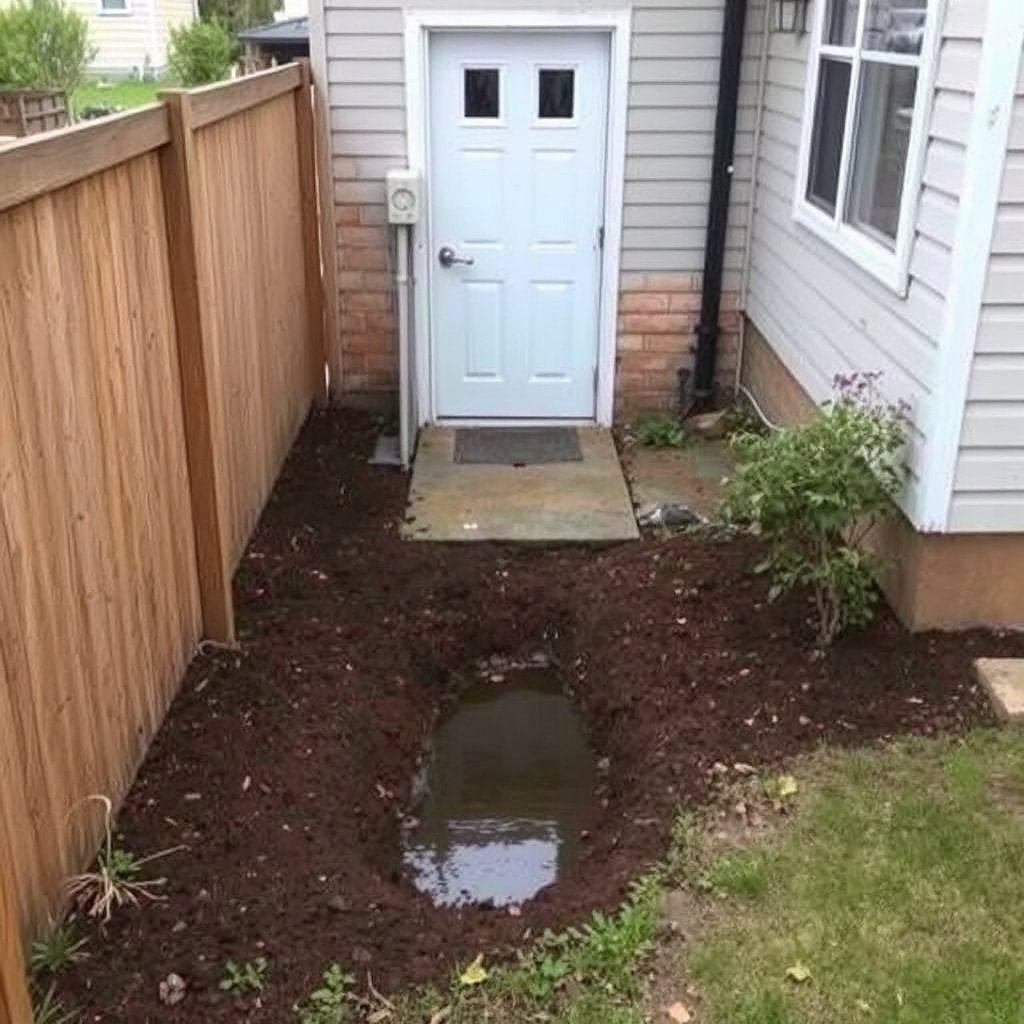
Common Symptoms of System Failure
Foul odors around the tank or drain field, slow drains inside the house, patches of soggy ground, and sewage backups are clear indicators your septic system needs attention. Identifying these early can prevent widespread damage.
Ignoring these symptoms usually escalates repair costs and health hazards.
- Persistent unpleasant smells outdoors
- Slow or clogged drains indoors
- Pooling water or muddy soil near system
For more on this, see our related guide: How Much Does It Cost to Install a Septic System? Complete Pricing Guide.
Steps to Take Upon Finding Problems
When you detect any warning signs, avoid using excessive water to reduce strain. Schedule a professional inspection and pumping soon. Do not attempt major repairs yourself as septic systems require specialized knowledge.
Prompt action limits environmental contamination and protects your property value.
- Contact a licensed septic professional
- Limit water use until fixed
- Document issues for reference
Septic Tank Maintenance Tips to Extend System Life

Routine Pumping and Inspection Schedule
Most systems require pumping every 3 to 5 years depending on tank size and household use. Regular inspections combined with pumping remove solids before they clog the drain field, preventing system failure and costly replacements.
Keep a maintenance record and consult local guidelines as pumping frequency may vary.
- Schedule pumping based on sludge levels
- Inspect annually or after heavy rainfall
- Use professional septic service providers
For more detailed technical information, see the authoritative septic system information on Wikipedia. Septic system information.
Preventive Habits to Protect Your Septic System
Avoid flushing non-biodegradable items, grease, or harsh chemicals into the system. Limit water use during peak times, fix leaks promptly, and plant only shallow-rooted vegetation near the drain field to avoid damage.
Following these habits reduces strain and helps maintain the system's balance and function.
- Dispose of fats and oils separately
- Avoid chemical drain cleaners
- Manage water usage wisely
Septic System Inspection Methods Compared
Here’s a comparison of different approaches to inspecting your septic system, highlighting pros and cons to find the best fit for your needs.
| Inspection Method | Tools Needed | Skill Level Required | Typical Cost | Inspection Depth |
|---|---|---|---|---|
| Visual Manual Inspection | Flashlight, probe, ruler | Moderate | $50–$150 if professional | Basic tank and box |
| Professional Septic Inspection | Specialized equipment | High | $200–$400 | Full system including drain field |
| Camera Pipe Inspection | Inline camera | High | $300–$600 | Detailed pipe condition |
| DIY Soil Probe and Observation | Soil probe, observation | Low | Minimal | Surface and tank vicinity |
Frequently Asked Questions
How often should I inspect my septic system?
It’s best to have your septic system inspected annually and pumped every 3 to 5 years, depending on usage and tank size, to avoid problems before they occur.
Can I inspect my septic system myself?
Basic inspections like checking the tank lids, measuring sludge levels, and observing drain field conditions can be done by homeowners, but detailed inspections are recommended to be done by professionals.
What signs mean my septic system needs repair?
Slow drains, sewage odors, soggy lawn areas, and backups in toilets or sinks are clear warning signs indicating septic system issues requiring prompt attention.
What tools are needed for a septic system inspection?
Key tools include a soil probe, flashlight, measuring stick for sludge, gloves for safety, and sometimes a small mirror to inspect hard-to-see parts inside the tank.
How much does a professional septic inspection cost?
Professional septic system inspections typically cost between $200 and $400, depending on system complexity and location.
Key Takeaways
- Regular septic inspections help prevent costly failures and backups.
- Proper location identification and safe access are crucial first steps.
- Measuring sludge and scum accurately determines when pumping is needed.
- Watch for warning signs like odors and soggy drain fields as early alerts.
Conclusion
Choosing to inspect your septic system yourself or through a professional hinges on your comfort level and system complexity. Starting with basic visual checks and sludge measurement gives key insights, while professional inspections provide thorough assessments, including cameras for pipe conditions. Regular inspections help uncover issues like damaged baffles or clogged drain fields before they grow into major problems, guiding timely maintenance efforts and extending system lifespan.
Homeowners with small to medium-sized septic tanks might perform routine inspections and pumping every few years, following septic tank maintenance tips such as avoiding flushing harmful substances. Larger or older systems may benefit from professional evaluations for accurate diagnosis and repairs, especially if symptoms like slow drains or foul smells arise. Addressing issues early by monitoring sludge and scum levels can prevent drain field contamination and expensive replacements, protecting property value and health.
The next practical step is to locate your septic tank and drain field if unknown, assemble the basic inspection tools, and begin a careful manual inspection. Document your findings and schedule pumping if sludge or scum levels are high. For signs of system stress or uncertainty about your assessment, contacting a licensed septic professional is recommended to ensure safety and thorough evaluation. Regular maintenance combined with vigilant inspection keeps your septic system functioning smoothly for years.