What Is a Covered Dock? Understanding Its Purpose and Benefits
A covered dock is a type of waterfront structure designed with a roof or overhead shelter to protect boats and other watercraft from sun, rain, and debris. Unlike open docks, the covered dock provides shade and prevents direct exposure to weather elements, helping to preserve the boat’s condition over time.
This kind of dock is valuable for boat owners because it shields vessels from damaging UV rays, reduces water accumulation, and can minimize maintenance needs due to less exposure to environmental wear and tear. Covered docks also offer a more comfortable space for boarding and unloading, especially in harsher weather.
In this article, we’ll explore what makes a covered dock different from other dock types, the common materials and designs used, important features to look for when considering one, and how it can benefit different boat sizes and waterfront settings.
Types of Covered Docks: Design Variations
Metal Roof Covered Docks
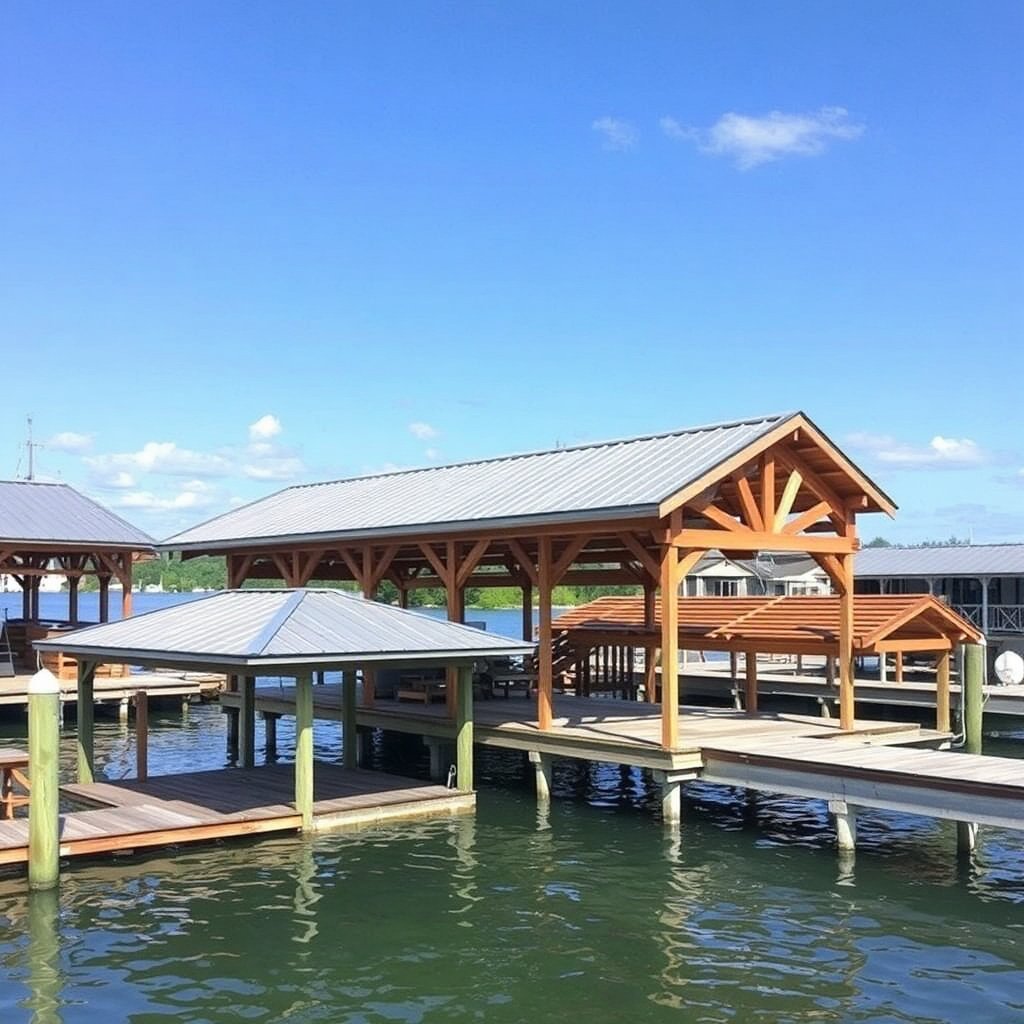
Metal roof covered docks are popular for their durability and longevity. Materials like aluminum or galvanized steel resist corrosion, making them ideal in marine environments. The metal roofs can be designed with sloped angles to facilitate rain runoff, preventing water pooling.
These docks are often prefabricated for easier installation and can support additional accessories like solar lighting or fans. Their sleek appearance suits modern waterfront properties while providing strong protection against sun damage.
- High resistance to rust and rot
- Reflects sunlight to reduce heat
- Low maintenance requirements
Wooden Canopy Covered Docks
Wood-covered docks offer a more traditional, rustic aesthetic favored in lakeside or natural settings. The canopy is usually made from treated wood or cedar to withstand moisture and insect damage. Wood allows customization in design, integrating well with wooden decks or natural landscaping.
Proper sealing and regular staining are required to extend lifespan. While wooden canopies can be more susceptible to weathering than metal, their natural look is preferred for creating cozy, inviting spaces on the water.
- Customizable with varied designs
- Matches natural waterfront environments
- Requires periodic maintenance
Benefits of Using a Covered Dock

Protection Against Sun and Weather
Covered docks shield boats from harsh sunlight, reducing faded paint and upholstery wear caused by UV exposure. In regions with intense sun, this protection preserves the boat’s exterior and interior, maintaining its value.
They also guard against rain and snow accumulation, minimizing water damage risks. In windy areas, the roof reduces debris buildup around the docked vessel, aiding cleanliness and safety.
Improved Docking Experience
A covered dock offers a shaded area that makes loading and unloading more comfortable during hot or rainy weather, enhancing convenience for boat owners and passengers. It creates a cooler, safer environment when handling equipment or gear on the dock.
Additionally, covered docks can be outfitted with lighting, seating, or storage, further improving functionality and encouraging use as a social or relaxing space beside the water.
Materials and Construction Considerations for Covered Docks
Structural Supports and Framing
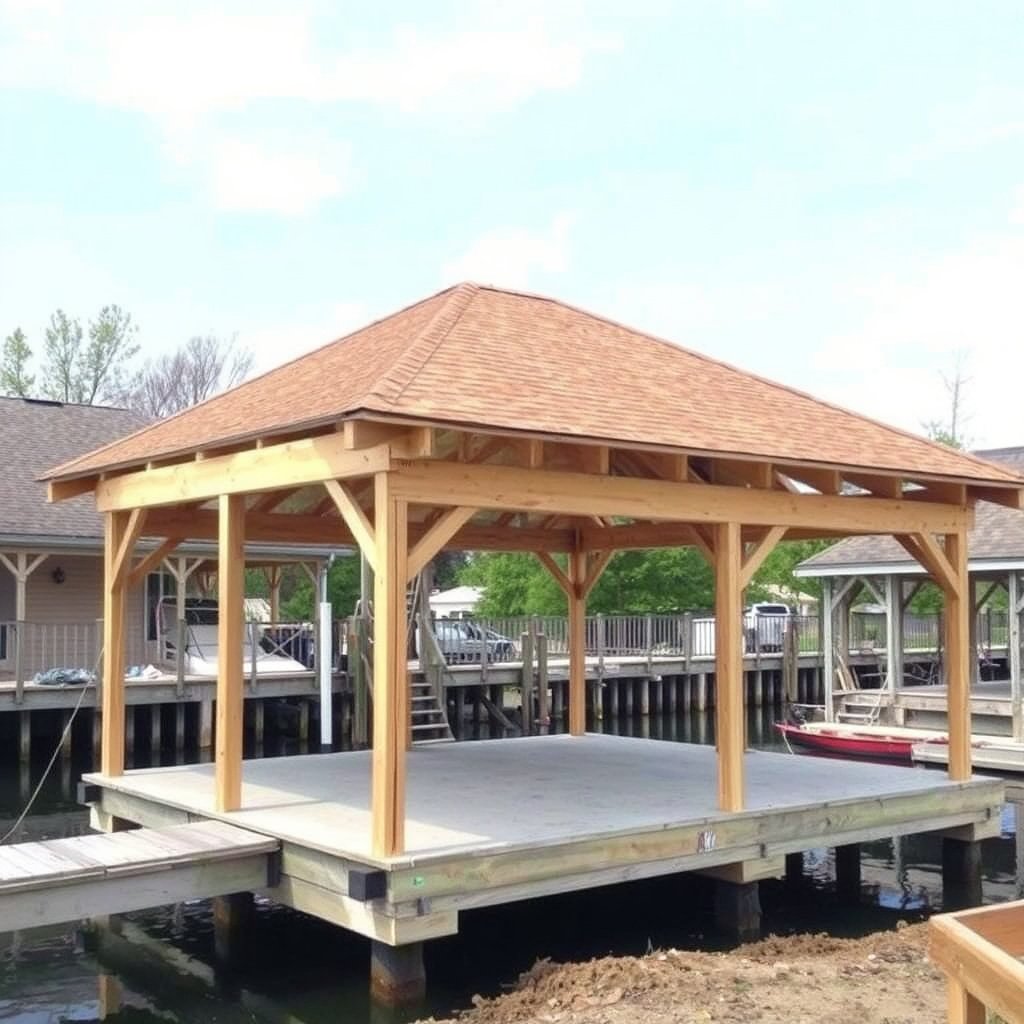
The frames of covered docks are typically constructed from pressure-treated lumber, steel beams, or aluminum extrusions. These supports need to be robust enough to hold roofing material and withstand environmental stresses like wind or snow loads.
Proper anchoring into the waterbed or shoreline is crucial to ensure stability. Floating docks require specialized connections that allow movement but maintain the cover’s intact position during water level changes.
- Use corrosion-resistant metals for long life
- Choose pressure-treated wood to prevent rot
- Engineer supports to local weather standards
For more on this, see our related guide: How to Winterize a Boat Dock: Essential Steps for Cold Weather Protection.
Roofing Materials
Roof material choices range from metal panels and shingles to fabric canopies. Metal panels provide durability and minimal maintenance, while shingles offer visual variety but need more upkeep. Fabric options can offer quick installation but have shorter lifespans and less robustness.
Selecting a roofing type involves balancing weather resistance, aesthetics, and budget. Proper installation with water drainage systems ensures effective protection over time.
- Metal: durable, reflective, long-lasting
- Shingles: traditional look, moderate upkeep
- Fabric: lightweight, temporary or seasonal use
Covered Dock Sizes and Compatibility

Small and Medium Boat Docks
Covered docks for small to medium boats typically range from 12 to 30 feet wide, fitting single or double vessel setups. They offer enough coverage to protect most recreational boats, such as fishing boats, ski boats, or small cruisers.
Customization options include adjustable roof height or modular panels to adapt to different boat shapes and sizes. This flexibility helps owners optimize space without overspending.
Large Vessel Covered Docks
Docks designed for larger vessels, like yachts or houseboats, require wider spans and often reinforced framing to carry heavier roofs. Sizes can exceed 40 feet wide, allowing multiple large boats or additional deck amenities beneath the cover.
Extra features such as electric lifts, telescoping covers, or enclosed walls may be incorporated to further protect high-value craft while improving usability.
- Heavier framing for bigger docks
- More space for gear and shelter
- Optional enclosures for weatherproofing
Installation and Maintenance Tips for Covered Docks
Installation Process Overview
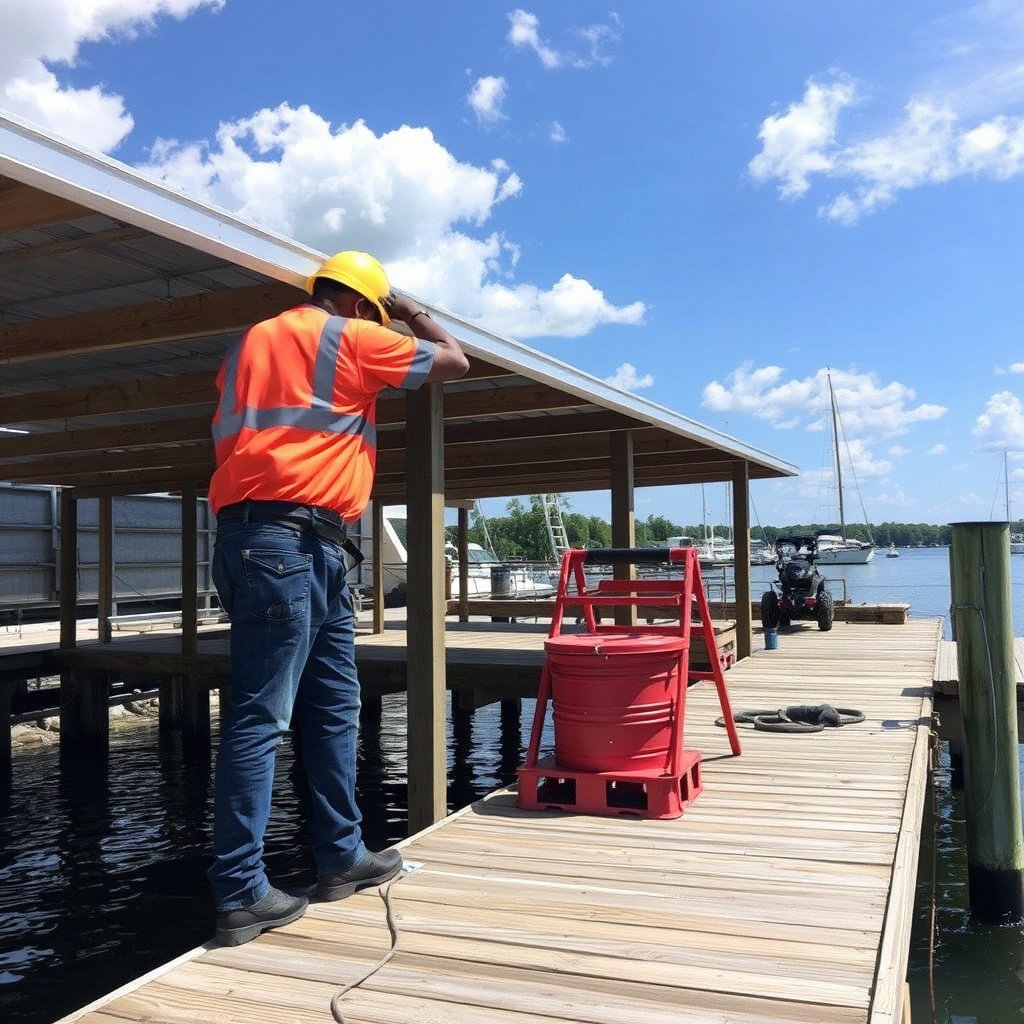
Installing a covered dock involves site surveying, foundation setting, assembling framing, and attaching roofing materials. It is generally recommended to use professional services to meet safety guidelines and local regulations.
Preparation includes assessing water depth, soil stability, and any needed permits. A modular or prefabricated covered dock kit can speed up the process but must be assembled correctly for maximum durability.
- Obtain all necessary permissions before starting
- Check site conditions thoroughly
- Follow manufacturer instructions meticulously
For more on this, see our related guide: How to Find a Good Realtor at the Lake for Your Ideal Waterfront Home.
Maintenance Practices
Routine inspection is essential to catch issues like rust, wood rot, or loose fasteners early. Cleaning the roof and framing with appropriate products reduces buildup and prolongs life.
Seasonal tasks include resealing or painting wood, tightening bolts, and clearing gutters or drainage channels. These steps keep the covered dock safe and effective year-round.
Cost Factors and Budgeting for Covered Docks

Material and Size Costs
The price of a covered dock largely depends on size, roofing material, and structural components. Metal roof docks often cost more upfront but require less maintenance, balancing long-term expenses.
Smaller docks with simpler designs may cost several thousand dollars, while large customized covered docks with additional features can reach into tens of thousands.
- Metal roofs generally pricier but durable
- Wood frameworks offer various price points
- Larger sizes increase total cost exponentially
Additional Expenses and Considerations
Installation fees, permits, and site preparation may add significantly to the budget. Ongoing maintenance, including treatments and repairs, should be factored into yearly costs.
Some owners invest in optional equipment like lighting, security systems, or boat lifts under the cover, increasing functionality but also the overall expense.
Covered Dock vs. Open Dock: Comparing Options

Advantages of Covered Docks
Covered docks provide superior protection against sun and precipitation, helping extend the life of boats and their finishes. They improve comfort for users with shaded space and reduce maintenance frequency.
This makes covered docks a worthwhile investment in harsher climates or locations with strong sun and frequent storms.
For more comprehensive background on docks and their various types, including covered docks, you can visit the Covered dock information on Wikipedia. Covered dock information on Wikipedia.
Advantages of Open Docks
Open docks cost less initially and allow easier access from all sides of a boat, which some owners prefer. They also permit unobstructed views and are simpler to build with fewer material requirements.
For regions with mild weather or for temporary use, open docks may suffice without the additional expense of covering.
Covered Dock Types Comparison
Here is a comparison of different covered dock types, helping clarify which might suit your waterfront needs best.
| Category | Material | Durability | Maintenance Needs | Approximate Cost Range |
|---|---|---|---|---|
| Metal Roof Covered Dock | Aluminum or Steel | High | Low | $8,000 – $20,000 |
| Wooden Canopy Covered Dock | Treated Wood or Cedar | Moderate | Medium | $6,000 – $18,000 |
| Fabric Canopy Covered Dock | Heavy-duty Fabric | Low | High | $3,000 – $10,000 |
| Floating Covered Dock | Various + Buoyant Materials | Moderate | Medium | $10,000 – $25,000 |
Frequently Asked Questions
What is the primary advantage of a covered dock over an open dock?
Covered docks mainly protect boats from sun, rain, and debris, which reduces wear and tear and helps maintain the vessel’s condition longer than an open dock.
Can covered docks be installed on floating platforms?
Yes, many covered docks are designed as floating structures with roofs securely attached, allowing the dock to rise and fall with water levels.
How often does a wooden covered dock need maintenance?
Wooden covered docks generally require yearly inspections, cleaning, and resealing or staining every few years to prevent damage from moisture and insects.
Is a metal roof better than wood for a covered dock?
Metal roofs usually last longer and demand less maintenance than wood canopies, making them a more durable and cost-effective choice in the long run.
Do covered docks increase the value of a waterfront property?
Adding a covered dock can enhance property value by improving boat protection and usability, which appeals to waterfront buyers seeking durability and convenience.
Key Takeaways
- Covered docks shield boats from harmful sun and weather, extending vessel lifespan.
- Choice of roofing and framing materials impacts durability and maintenance needs.
- Sizes and designs vary to fit different boat types and waterfront environments.
- Installation should account for local conditions, permits, and ongoing upkeep.
Conclusion
Deciding whether to install a covered dock revolves around understanding the value of protecting your boat from environmental damage and improving your waterfront space’s comfort. The main keyword, covered dock, centers on this concept because it offers a sheltered area that safeguards vessels far better than open docks in most conditions, especially under strong sun or frequent precipitation. Evaluating your local climate, boat size, and budget will help pinpoint which type, materials, and size meet your needs while balancing initial costs with maintenance and durability.
For boat owners with small to medium vessels, metal roof covered docks present a strong blend of durability and low upkeep, often delivering the best value over time. Those seeking a classic look in natural settings might prefer wooden canopies despite higher maintenance needs. Larger yachts benefit from reinforced covered docks with optional enclosures or lifts for enhanced protection and convenience. Remember the benefits of covered docks aren’t just protective; they also improve comfort and functionality at the water’s edge. Even fabric canopy options serve seasonal or temporary purposes affordably.
Before proceeding, gather local information on permit requirements and consider professional installation to ensure safety and longevity. Upkeep is vital, so plan for regular maintenance to extend your covered dock’s life. By weighing all these factors thoughtfully, you’ll find a covered dock solution that safeguards your investment, enhances your enjoyment on the water, and complements your waterfront property’s style.