How to Protect a Lake House from Flooding: Essential Strategies and Tips
To protect a lake house from flooding, prioritize both structural modifications and landscaping solutions that redirect or absorb water. Installing barriers such as flood vents, elevating utilities, and securing the foundation helps minimize flood damage. Additionally, proper drainage systems and the use of water-resistant materials are key components of effective flood protection.
Flooding poses a major risk to properties near bodies of water like lakes because heavy rains, rising water levels, and storm surges can overwhelm natural and man-made defenses. Lake houses often face unique challenges due to fluctuating water levels and limited space for water diversion, making tailored flood protection measures critical to avoid costly damage and ensure safety.
This article covers proven methods to reduce flood risks at lake houses, including landscaping adjustments, building reinforcements, and emergency preparedness steps. Readers will gain insights on how to create a flood-resistant property that balances protection with preserving the lakefront’s natural beauty.
Understanding Flood Risks for Lake Houses

Common Causes of Flooding Near Lakes
Lake houses face flooding mainly due to heavy rainfall, upstream water runoff, and seasonal changes in lake water levels. Storm surges during severe weather can also push lake water inland. Understanding these causes can guide which flood protection measures to apply.
Snowmelt and ice jams in cold climates further contribute to sudden water level spikes by restricting normal lake drainage. Additionally, erosion and loss of natural vegetation may worsen flooding by reducing the ground’s ability to absorb excess water.
Evaluating Your Property's Flood Risk
Assessing your lake house flood risk involves researching local flood maps, historical flood data, and elevation relative to the lake. Lower elevation properties typically experience greater flood risk. Consulting with local authorities or floodplain managers can provide accurate risk assessments.
On-site inspections reveal vulnerabilities like weak foundation areas, drainage problems, and nearby terrain slopes that direct water toward the house. These insights help prioritize protective approaches tailored to your specific location.
Structural Measures to Protect a Lake House from Flooding
Elevating Vulnerable Systems and the Foundation
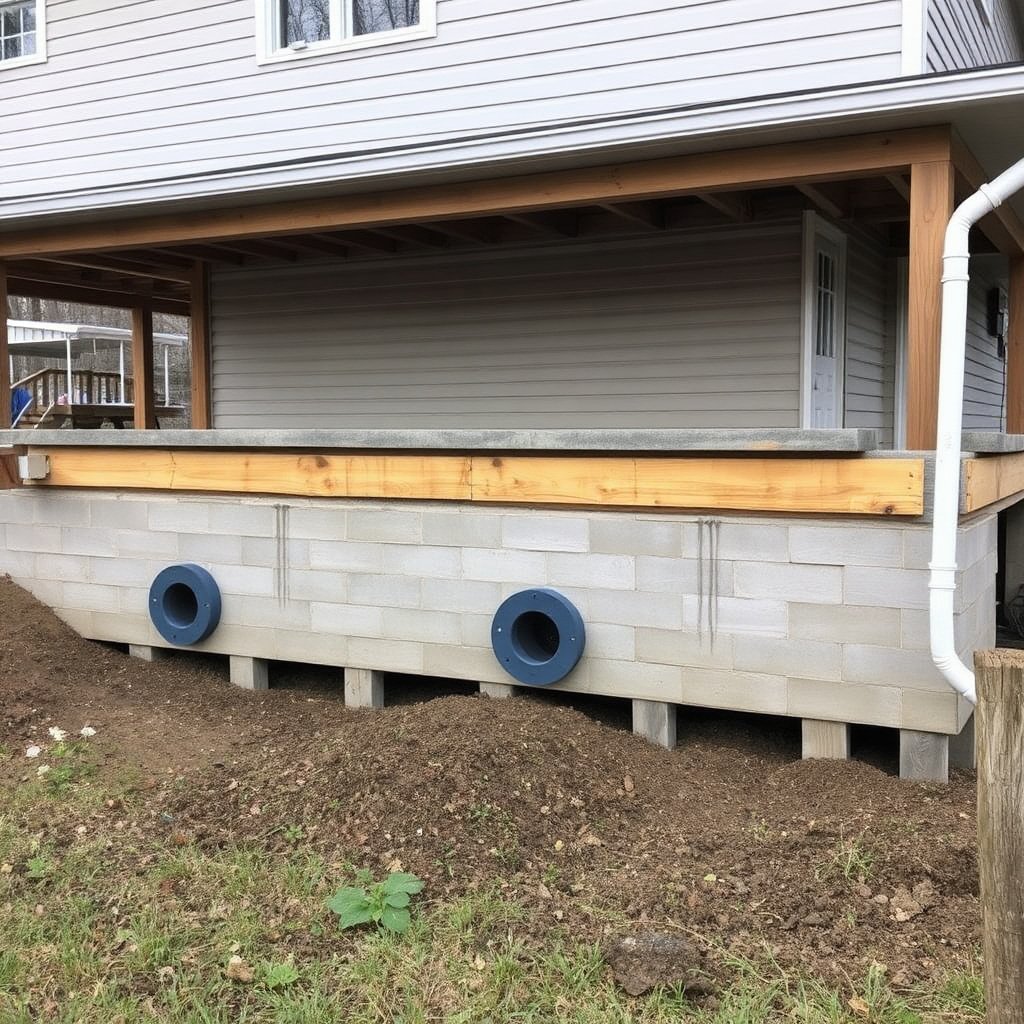
Raising the house’s foundation or essential systems, such as electrical panels and HVAC units, above expected flood levels significantly reduces risk. Elevation can be achieved by using stilts, piers, or reinforced raised platforms below the house.
This approach protects mechanical and electrical components from water damage, which can be costly to repair or replace after flooding. It also limits the volume of water entering living spaces when water rises.
- Elevate electrical outlets and circuit breakers
- Raise heating and cooling units above floodplain level
- Use piers or pilings for house foundation
For more on this, see our related guide: How Much Does It Cost to Insure a Lake House? A Detailed Guide.
Installing Flood Vents and Waterproof Barriers
Flood vents installed in foundations allow water to flow through enclosed areas during flooding, reducing water pressure that could cause structural damage. These vents open automatically and close when water recedes.
Waterproofing sealants and barriers applied to basement walls, foundation joints, and entrances help prevent water penetration. Using flood-resistant doors and windows further improves defenses against water intrusion.
- Automatic flood vents for pressure relief
- Waterproof coatings on exterior walls
- Flood-resistant doors and window barriers
Landscaping and Site Strategies for Flood Prevention

Creating Natural Water Barriers
Planting native trees, shrubs, and grasses near the shoreline stabilizes the soil and absorbs rainwater, reducing runoff into the lake house area. Vegetated buffer zones act as natural barriers that slow water flow and filter sediments.
Rain gardens designed to capture and hold stormwater runoff temporarily help prevent pooling around the house. These low-lying, planted areas promote infiltration rather than allowing excess water to rush unchecked toward the structure.
- Native vegetation buffers
- Rain gardens to absorb runoff
- Mulched beds for soil stabilization
Implementing Drainage Solutions
Swales—shallow, sloped channels—can redirect water away from the house to designated drainage areas or retention ponds. Properly graded driveways and pathways also prevent water accumulation near building foundations.
Installing French drains or perforated pipes underground collects and transports water away from vulnerable points, helping lower flood risk significantly.
- Swales directing water downhill
- French drains around foundation
- Graded surfaces for runoff management
Protecting Utilities and Interior Contents

Securing Electrical and Plumbing Systems
Moving electrical systems above potential flood levels avoids hazards and reduces repair costs after flooding. Plumbing systems should have backflow prevention devices to stop sewage backups during high water events.
Regular inspection and maintenance of these systems help identify vulnerabilities early and ensure that installed flood-prevention upgrades remain functional.
- Elevate electrical panels and wiring
- Install sewer backflow valves
- Routine system inspections for leaks
For more on this, see our related guide: How to Get Flood Insurance for a Lake House: Essential Steps and Tips.
Protecting Furniture and Valuables
Using waterproof storage containers or elevating furniture on blocks can prevent damage if water enters the home. Removable or waterproof rugs and sealed storage for documents reduce loss and simplify cleanup.
Preparing an emergency plan with important items stored safely off-site or in a high location can save treasured belongings if flooding occurs.
- Elevate furniture and appliances
- Use waterproof bins for valuables
- Create an emergency grab-and-go kit
Emergency Preparation and Long-Term Maintenance

Preparing for Flood Events
Keeping sandbags and temporary flood barriers on hand allows quick deployment to block water entry. Developing a detailed evacuation plan with family or guests ensures safety during floods.
Having contact information for local emergency services and flood alerts helps you stay informed and respond promptly.
- Store sandbags or inflatable barriers
- Plan evacuation routes and meeting points
- Register for local flood warning systems
For detailed flood zone maps and official risk information, consult resources provided by FEMA. flooding information from FEMA.
Maintaining Flood Protection Measures
Regularly inspect all flood defenses such as vents, seals, drainage systems, and sump pumps for damage or clogging. Seasonal maintenance before heavy rain seasons can prevent failures during critical times.
Keep landscaping healthy and clear debris from drainage paths to maintain water flow. Updating risk assessments over time helps adjust protections as lake conditions and climate patterns change.
- Clean drains and gutters frequently
- Check flood vents and seals annually
- Trim vegetation around drainage areas
Flood Protection Methods for Lake Houses: Category Comparison
This table compares common flood protection methods based on cost, effectiveness, installation complexity, and maintenance needs.
| Method | Estimated Cost | Effectiveness | Installation Complexity | Maintenance Level |
|---|---|---|---|---|
| Elevation of Structure | High ($10,000+) | Very High | Complex | Low |
| Flood Vents | Moderate ($500-$2,000) | High | Moderate | Moderate |
| Landscaping & Drainage | Low to Moderate | Moderate | Moderate | Moderate |
| Waterproof Barriers & Sealants | Low ($300-$1,000) | Moderate | Easy | Moderate |
| Emergency Sandbags & Barriers | Low | Low to Moderate | Easy | High |
Frequently Asked Questions
Can I rely on sandbags alone to protect my lake house from flooding?
Sandbags provide temporary flood barriers but are not reliable for long-term lake house flood protection. They require frequent replacement and cannot handle large, prolonged flooding effectively.
How often should I inspect flood prevention systems at my lake house?
Inspect flood prevention features at least twice a year, preferably before and after heavy rain seasons, to ensure vents, seals, and drainage are functional and free of debris.
Is elevating my lake house always necessary?
Elevating is highly recommended if your lake house is in a low-lying floodplain or experiences recurrent flooding. It provides the most durable protection but involves higher upfront costs.
What plants are best for landscaping to reduce lake house flooding?
Native plants with deep root systems like willows, sedges, and rushes stabilize soil and absorb water effectively, reducing runoff near the lake house.
Do insurance policies cover flood damage for lake houses?
Flood insurance is usually separate from standard homeowner policies and may be necessary for lake houses in flood-prone areas. Consult your insurer for specific coverage details.
Key Takeaways
- Elevating structures and utilities greatly reduces flood damage risk.
- Landscaping can absorb and redirect water away from the house.
- Regular maintenance and inspections preserve flood protections.
- Emergency preparedness helps minimize loss during unexpected floods.
Conclusion
Approaching flood protection for a lake house calls for a combination of practical structural changes, thoughtful landscaping, and preparedness planning. Understanding the site's specific flood risks informs which measures will best reduce water intrusion and damage. By evaluating property elevation, drainage patterns, and the vulnerability of home systems, homeowners can tailor solutions that balance safety with maintaining the natural charm of their lakeside setting.
For lake houses in highly flood-prone zones, elevating critical systems and even the entire structure provides the most comprehensive safeguard against rising waters. Alongside this, flood vents and waterproof barriers act as secondary defenses to minimize structural damage when water encroaches. Landscaping strategies like rain gardens and swales complement structural efforts by controlling runoff and soil erosion, two factors that exacerbate flooding impacts on lakefront properties.
With flood prevention measures in place, maintaining these protections through regular checks and adjusting to changes in weather patterns or local conditions ensures ongoing reliability. Homeowners should also prepare for emergency situations with accessible sandbags, evacuation plans, and flood insurance when applicable. Taking these steps helps protect your lake house investment and gives peace of mind to enjoy lakeside living regardless of changing water conditions.