How to Sell a Second Home: A Practical Guide to Maximizing Your Property’s Value
Selling a second home successfully involves understanding your local market, setting an appropriate price, preparing the property for shows, and working with a knowledgeable real estate agent. Market conditions often differ for secondary properties compared to primary residences, so applying targeted strategies is critical.
Knowing how to sell a second home matters because these properties often appeal to a specific pool of buyers, such as vacationers or investors. The process can involve additional tax and financing considerations that affect timing and decisions. A well-planned approach helps minimize holding costs and accelerates the sale process.
This article will cover essential stages of selling a second home, including pricing tactics, staging tips, marketing channels specific to vacation or investment buyers, legal and tax implications, negotiation strategies, and how to select the right agent for a second property sale.
Understanding the Market for Selling a Second Home

Evaluating Local Market Conditions
Second home markets fluctuate based on location, seasonality, and economic factors. Coastal or mountain areas often see peak demand during vacation seasons, which can limit the window for optimal sales. Checking recent sales of similar second homes and current inventory provides insight into competition and pricing trends.
Awareness of the demographic profile of typical buyers, whether retirees, vacation renters, or remote workers, helps tailor marketing efforts. Understanding whether the area is growing, stable, or declining can inform timing decisions for your sale.
Pricing Strategies Specific to Second Homes
Pricing a second home must reflect its unique appeal and limitations. Unlike primary residences, buyers may expect seasonal use or renting potential, which influences perceived value. Setting a price too high can prolong time on market, whereas going too low leaves money on the table.
Using a comparative market analysis (CMA) targeted at vacation or investment properties is essential. Some sellers adjust prices based on rental income data or upcoming local events that may increase demand.
- Price competitively against nearby vacation rentals
- Factor in property condition and amenities
- Consider seasonal demand fluctuations
Preparing and Staging Your Second Home for Sale

Enhancing Curb Appeal and Interior Presentation
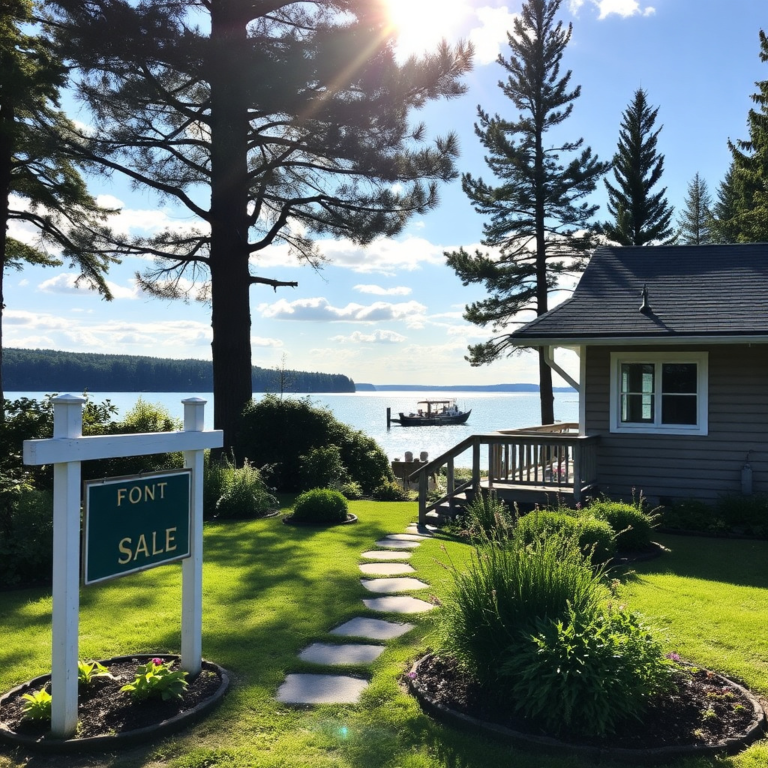
First impressions count, especially for second homes that buyers often purchase sight unseen or on short visits. Simple landscaping, exterior cleaning, and fresh paint can boost attractiveness. Interior staging should emphasize spaces for relaxation and entertaining, matching the property's role as a getaway.
Highlighting unique features like decks, hot tubs, or scenic views supports justification of price. Professional photography and virtual tours are vital for marketing, particularly if the property is distant from many potential buyers.
- Trim and water landscaping
- Add seasonal flowers or plants
- Update lighting fixtures
- Clear clutter and depersonalize rooms
For more on this, see our related guide: Understanding a Homestead Exemption: What It Means for Your Property Taxes.
Maintenance and Repairs Before Selling
Addressing deferred maintenance issues before listing avoids surprises during inspections, which can deter buyers or reduce offers. Common areas include HVAC servicing, roof inspections, and checking plumbing systems.
Upgrading appliances or fixtures to current standards can increase appeal, especially in the vacation rental market segment. Budgeting for these improvements can pay off with faster sales and higher bids.
- Fix leaking faucets and toilets
- Service heating and cooling systems
- Repair roof or gutter damage
- Replace outdated appliances
Marketing Techniques for Selling a Second Home
Using Online Platforms and Vacation Rental Networks
Listing your second home on popular real estate websites enhances visibility. Additionally, vacation rental networks like VRBO or Airbnb serve dual purposes, allowing you to advertise potential rental income which attracts investor buyers.
Social media campaigns targeting specific groups, such as retirees or regional vacationers, can generate qualified inquiries. High-quality photos and engaging descriptions emphasize lifestyle benefits over just property features.
- Post on major real estate portals
- Use vacation rental sites for exposure
- Leverage Facebook and Instagram ads
- Create a dedicated property website
Working with Real Estate Agents Experienced in Second Homes
Agents specializing in second homes understand the nuances of this market, including which buyers to target and the best times to list. Their networks often include relocation experts, rental managers, and vacation home investors.
A knowledgeable agent can advise on pricing, staging, and legal documents while managing showings and negotiations remotely, which is important if you are not local to the property.
Navigating Legal and Tax Considerations

Tax Implications of Selling a Second Home
Profits from the sale of a second home may be subject to capital gains tax without the exclusions applicable to primary residences. Keeping detailed records of purchase price, improvements, and expenses will help accurately calculate taxable gains.
If the property was rented out, depreciation recapture rules might apply. Consulting a tax professional familiar with real estate transactions can clarify potential liabilities and filing obligations.
For more on this, see our related guide: How Long Does It Take to Sell a Lake House? A Detailed Timeline Guide.
Legal Documents and Disclosures
State and local laws often require sellers to provide specific property condition disclosures, especially if the home has been used as a rental. Disclosing past repairs, environmental hazards, or zoning restrictions helps prevent legal complications after the sale.
A clear title and proper documentation of ownership, liens, and easements are necessary. Utilizing a real estate attorney or title company streamlines closing and ensures compliance.
- Property condition disclosure forms
- Copy of title and deed
- Rental agreements if applicable
- Any HOA rules or community regulations
Effective Negotiation and Closing Strategies

Handling Offers and Counteroffers
Second home sales often involve buyer contingencies like financing or inspections tied to vacation use. Being prepared to respond promptly to offers and counteroffers increases chances of a smooth deal.
Flexibility on closing dates or including furnishings can sometimes tip negotiations in your favor. Your agent’s experience with similar sales will guide timing and reasonable concessions.
- Review all offers carefully
- Consider buyer’s financing status
- Negotiate based on market feedback
- Be ready to compromise on terms
For more detailed background about the home selling process, see the page on Selling a home on Wikipedia. Selling a home on Wikipedia.
Completing the Sale and Transfer Process
Once terms are agreed, coordinating inspections, appraisals, and escrow procedures ensures no last-minute surprises. Clear communication between all parties prevents delays.
Confirm that all required funds are transferred and ownership documents recorded promptly. Staying organized during closing protects your interests and leads to a successful sale.
Comparison of Selling Methods for Second Homes
Below is a comparison of common approaches to selling a second home, highlighting pros and cons to guide your decision.
| Method | Cost | Timeframe | Control Over Sale | Typical Buyer Reach |
|---|---|---|---|---|
| Traditional Real Estate Agent | Medium commission fees | 1-6 months | Moderate | Broad local and out-of-area buyers |
| For Sale By Owner (FSBO) | Lower fees but own marketing costs | Varies widely | High | Limited unless aggressively marketed |
| Vacation Home Specialist Agent | Higher commission, specialized service | 1-4 months | Moderate | Targeted vacation and investor buyers |
| Online Listing Platforms Only | Listing fees only | Longer usually | High | Wide but less personalized |
| Auction Sale | Auction house fees | 1-2 months | Low | Investors seeking quick purchase |
Frequently Asked Questions
Do I have to pay capital gains tax when selling a second home?
Yes, capital gains tax typically applies to second homes since they do not qualify for the primary residence exclusion. The amount depends on your profit, how long you owned the property, and your tax bracket.
Can I rent out my second home while trying to sell it?
You can rent it out to generate income, but be mindful that rental use affects tax treatment and may complicate showings. Inform buyers of existing rental agreements during the sale process.
Should I use a real estate agent or sell the second home myself?
Working with an experienced agent can simplify the process and access a broader buyer pool, especially for second homes. However, selling yourself might save commission fees if you have the time and marketing skills.
How can I make my second home more attractive to buyers?
Focus on curb appeal, fresh and neutral staging, highlighting amenities like pools or views, and professional photos. Also, emphasize potential rental income or lifestyle benefits in your marketing.
Do seasonal market trends affect the sale of second homes?
Yes, many second home markets are seasonal. Listing during peak vacation seasons or just before can reduce time on market and attract buyers planning trips to the area.
Key Takeaways
- Price your second home based on local market and vacation demand trends.
- Prepare the property with targeted staging highlighting leisure features.
- Market aggressively on both traditional real estate and vacation rental platforms.
- Consider tax and legal factors unique to second home sales.
Conclusion
Deciding how to sell a second home involves weighing local market conditions, your timeline, and financial goals. Taking the time to research comparable sales and understanding seasonal buyer behaviors helps you set a realistic price and choose the right selling method. Preparation and strategic marketing tailored to vacation or investment buyers enhance your chances of a successful, timely sale.
For many sellers, partnering with a real estate agent specializing in second homes offers valuable expertise in reaching qualified buyers and navigating complex closing details. If speed or cost is your main concern, online listings or auctions might be suitable alternatives but usually come with trade-offs in price or control. Sellers looking to maximize value should focus on enhancing curb appeal, staging for lifestyle appeal, and highlighting rental income potential to attract investor buyers.
Ultimately, starting the sales process by getting a professional property valuation and consulting a tax advisor sets a strong foundation. From there, create a tailored marketing plan leveraging both traditional and vacation-oriented channels. Whether you choose a full-service agent or a DIY approach, staying organized and responsive to inquiries will help you close your second home sale efficiently and with confidence.