How to Close Up a Lake House for Winter: A Step-by-Step Guide
Closing up a lake house for winter involves a series of careful steps to protect your property from freezing temperatures, moisture damage, and wildlife intrusion. Key actions include draining water lines, cleaning and securing the interior, and insulating vulnerable areas. This ensures your lake house stays safe and in good condition until spring.
Winterizing a lake house matters because the combination of cold weather and high humidity by a lake can accelerate wear and cause issues like frozen pipes, mold growth, and structural damage. Properly closing up your lake house prevents costly repairs and preserves the value of your vacation home over the cold months.
This article will walk you through essential tasks such as plumbing preparation, securing windows and doors, managing the outdoor areas, and creating a winterizing checklist specific to lake houses. You’ll gain practical advice to make the process efficient and thorough.
Preparing the Plumbing System for Winter

Draining Water Lines and Shutting Off the Main Supply
One of the first and most critical steps in lake house winterizing is to shut off the main water supply to prevent pipes from freezing and bursting. After turning off the supply, drain all water lines, including outdoor faucets, irrigation systems, and interior pipes. Use compressed air if needed to clear any remaining water.
Failing to drain pipes can lead to severe damage because water expands when it freezes, cracking pipes and causing leaks. Some lake houses also have well systems or pumps that require specific draining procedures to protect their components.
- Locate and shut off the main water valve
- Open all faucets to drain water
- Use air compressor for pipes if applicable
- Flush toilets and drain tanks
Installing Pipe Insulation and Heating Options
Once the plumbing is drained, insulating exposed pipes adds another protective layer that reduces the risk of freezing. Foam sleeves or heat tape designed for plumbing lines work well for this purpose. Pay special attention to pipes in unheated areas such as basements, crawl spaces, or exterior walls.
For extremely cold climates, some lake house owners install small electric heaters or thermostatically controlled heat cables around vulnerable pipes. These devices maintain a minimum temperature and prevent freezing, but they require careful monitoring and safe installation.
- Use foam insulation sleeves on exposed pipes
- Apply heat tape where necessary
- Check insulation regularly during winter
- Avoid overloading electrical circuits with heaters
Securing Windows, Doors, and Exterior Openings

Installing Weatherstripping and Storm Windows
To minimize drafts and moisture infiltration, install weatherstripping around windows and doors. This simple step also helps retain heat if you visit during colder days. For added protection, consider installing storm windows or boarding up windows that won’t be used until spring.
Proper sealing reduces your heating costs if you heat during visits and prevents water or ice from penetrating walls and causing rot or mold. It’s also a deterrent against pests seeking shelter indoors during the cold months.
- Check for gaps and cracks around frames
- Use adhesive weatherstripping for sealing
- Install removable storm windows if possible
- Cover or board windows not in use
For more on this, see our related guide: What Is the Average Cost of a Lake House? A Detailed Pricing Guide.
Locking and Securing Doors and Vents
Secure all exterior doors with sturdy locks to prevent unauthorized access during unoccupied months. This includes garage and shed doors which often contain tools or equipment. Seal any vents or openings that allow animals or cold drafts to enter, but leave some ventilation for moisture balance.
Garage door seals, chimney caps, and crawl space vent covers contribute to a controlled interior environment. Inspect these areas carefully before closing up to avoid surprises come spring.
- Replace or reinforce door locks
- Seal gaps around doors with foam or caulk
- Install vent covers with mesh screens
- Use chimney caps to keep out debris and animals
Managing Outdoor Areas and Lakefront Preparation

Removing or Protecting Docks, Boats, and Equipment
Removing docks and boats from the water prevents damage from ice and winter storms. If removal isn’t possible, secure docks with ice breakers or flexible attachments designed to absorb ice pressure. Store boats indoors or use quality boat covers to shield them against snow and freezing conditions.
Lawn furniture, grills, and other outdoor items should also be stored in sheds or covered with waterproof tarps to prolong their lifespan and maintain the lake house’s tidiness.
- Take docks out of the water before freezing
- Use boat covers and store boats properly
- Store lawn and patio furniture indoors
- Secure outdoor equipment against wind
Trimming Trees and Landscaping Maintenance
Trimming back tree branches that hang over the house or near the lakefront reduces the risk of limb damage from heavy snow or ice. Clearing gutters and downspouts helps prevent blockages that cause water damage or ice dams. Keeping landscaping tidy also prevents animal nests near your foundation.
Proper yard maintenance is less visible but crucial for avoiding costly repairs or attracting pests during winter. Mulching flower beds and cutting back perennials prepare your garden for dormancy effectively.
- Trim overhanging tree limbs
- Clean gutters and downspouts thoroughly
- Remove debris from around the house foundation
- Apply mulch to protect plants
Interior Maintenance and Final Cleaning Steps
Thorough Cleaning and Pest Prevention
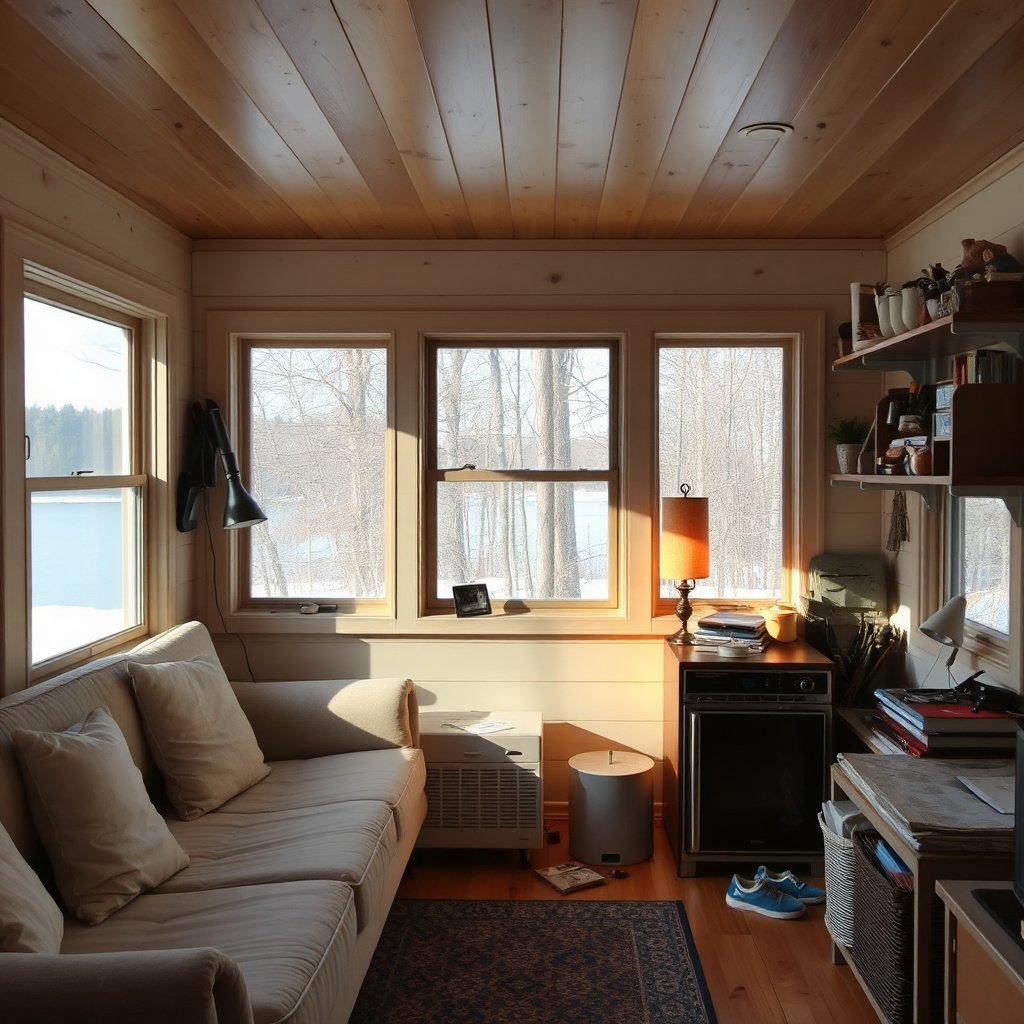
Before shutting down for winter, clean the entire house to remove food scraps and dampness that attract pests like rodents or insects. Vacuum carpets, wipe down surfaces, and empty the refrigerator. Store leftover food in sealed containers or bring it home.
Applying pest repellents or traps in attics, basements, and storage areas can prevent unwelcome guests. This also helps avoid damage to furniture, wiring, or stored belongings during your absence.
- Clean kitchen and fridge thoroughly
- Seal food in airtight containers
- Set traps or deterrents for rodents
- Check hidden spaces for pest entry points
For more on this, see our related guide: How Long Does It Take to Buy a Lake House? A Practical Timeline Explained.
Adjusting Heating and Electrical Systems
If your lake house has a heating system, lower the thermostat to a consistent, low temperature (around 50°F) to prevent freezing without excessive energy use. Unplug unnecessary electrical appliances to reduce fire risks. Inspect smoke and carbon monoxide detectors with fresh batteries for safety in colder months.
Turning off water heaters and unplugging non-essential devices can save energy and prevent potential electrical issues caused by power surges or storms during the off-season.
- Set thermostat to low but above freezing
- Unplug non-essential appliances
- Test smoke and CO detectors
- Turn off water heater if preferred
Creating a Lake House Winterizing Checklist
Key Tasks to Include on Your Checklist
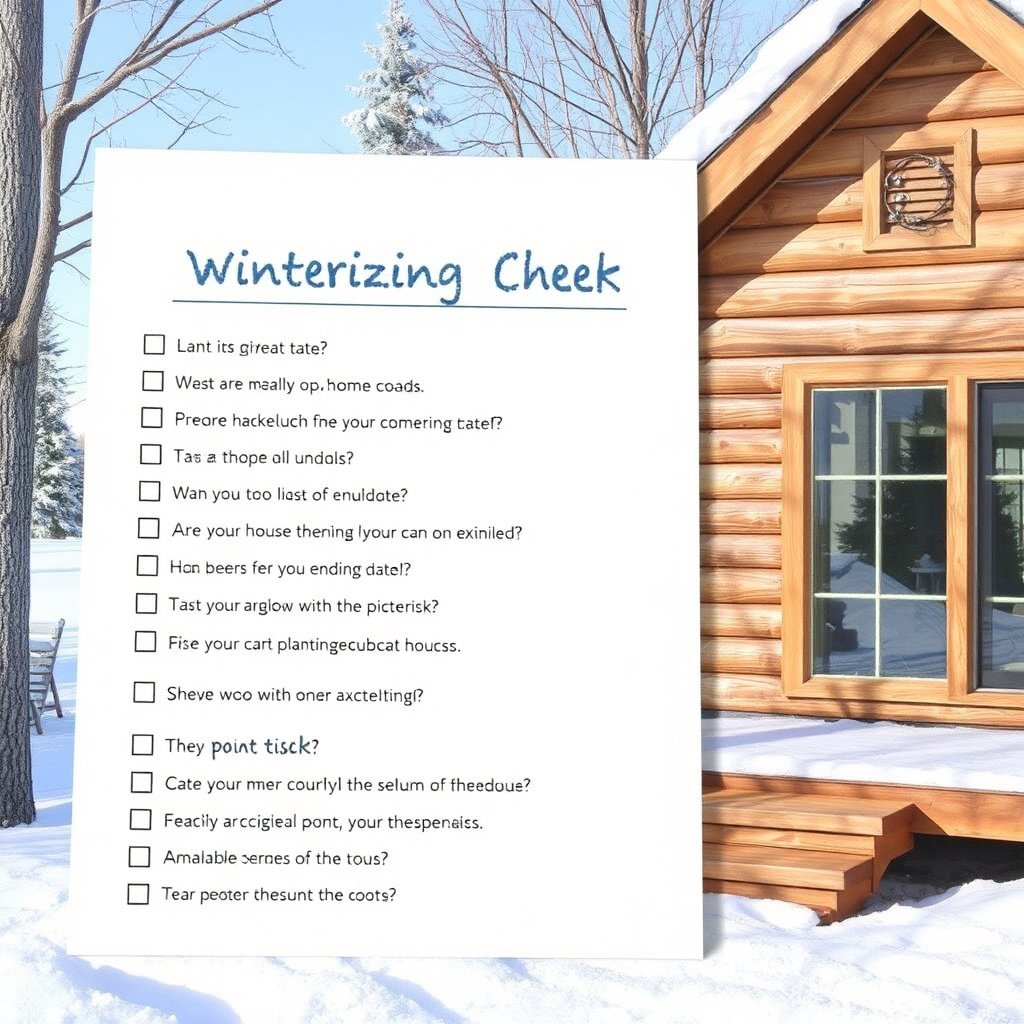
Developing a detailed lake house winterizing checklist organizes the process and prevents missed steps. Include plumbing shutdown, sealing openings, securing outdoor equipment, cleaning, and adjustments to heating systems. Tailor it seasonally based on local weather and the specific features of your lake house.
Keep your checklist stored digitally or physically so you can update it each year. A reliable list reduces stress and saves time across winters ahead.
- Drain plumbing and shut off water
- Seal windows and doors
- Store docks and boats safely
- Clean interior and prevent pests
- Adjust heating and unplug devices
For more information on general winterizing techniques, see this detailed resource on winterizing a vacation home. winterizing a vacation home.
Using Technology and Reminders for Efficiency
Modern homeowners benefit from reminders and apps to prompt winterizing activities. Calendar alerts, smartphone apps, or smart home devices can track your checklist progress. Some remote sensors monitor temperature and water leaks, alerting you to potential problems during winter.
Leveraging technology adds convenience and peace of mind, especially if you don’t visit the lake house frequently during cold months.
- Set reminder alarms for key dates
- Use smart sensors for temperature and leaks
- Track tasks with checklist apps
- Communicate with local services if needed
Lake House Winterizing Methods Comparison
Here’s a comparison of common winterizing approaches tailored for lake houses, highlighting their benefits and typical uses.
| Method | Best For | Cost Level | Durability | Ease of Use |
|---|---|---|---|---|
| Complete Plumbing Drainage | Full seasonal shutdown | Low | High | Moderate |
| Pipe Insulation & Heat Tape | Cold climates with occasional visits | Medium | Medium | High |
| Storm Windows & Weatherstripping | Energy efficiency and moisture control | Low to Medium | High | High |
| Dock and Boat Removal | Properties with heavy ice or storms | Variable | High | Moderate |
| Using Smart Home Monitoring | Remote lake houses with irregular visits | High | High | High |
Frequently Asked Questions
How early should I close up my lake house for winter?
You should start closing up your lake house before the first freeze, typically in late fall. This timing allows you to drain pipes and secure outdoor items before cold weather begins.
Can I leave the water heater on during winter closure?
It's safer to turn off the water heater when closing your lake house for winter to avoid damage and save energy, unless you keep the house heated year-round.
What is the best way to prevent rodents in my lake house over winter?
Seal all gaps and cracks around your home, store food in airtight containers, and use traps or repellents to deter rodents during winter closure.
Should I keep the heat on in my lake house during winter months?
Maintaining a low, consistent heat setting (around 50°F) helps prevent frozen pipes and moisture issues without excessive energy costs.
Do I need to remove my dock every winter?
Depending on local conditions, removing docks is often recommended to avoid ice damage. If removal isn't possible, secure the dock with ice mitigation systems.
Key Takeaways
- Drain and shut off water to protect plumbing from freezing
- Seal windows and doors with weatherstripping or storm panels
- Remove or protect outdoor equipment like docks and boats
- Clean thoroughly and prevent pests before closing up
Conclusion
Closing up a lake house for winter requires a careful, multi-faceted approach that prioritizes plumbing protection, sealing against cold drafts, and securing both the interior and exterior. This preparation avoids costly damages linked to freezing temperatures and moisture exposure, keeping the property safe through months of inactivity. Developing a routine winterizing checklist helps ensure no critical task is overlooked as you prepare for colder weather.
Those with lake houses in regions prone to harsh winters should focus heavily on plumbing drainage and insulation, combined with efficient weatherstripping to maintain a dry interior environment. Properties near water often benefit most from timely removal or protection of docks and watercraft to guard against ice and storms. Incorporating modern tools like smart sensors can provide added peace of mind for remote monitoring during winter months.
For lake house owners gearing up for seasonal closure, start by tackling plumbing and exterior sealing early, followed by detailed cleaning and outdoor preparation. Implementing these steps systematically gives you confidence that your lake house remains intact and ready to welcome you back when spring arrives.