Can You Buy a Lake House with a VA Loan? What Veterans Need to Know
Yes, veterans can buy a lake house with a VA loan, but the property must meet specific VA requirements to qualify. The VA loan program primarily supports purchasing a primary residence, so the home on the lake must be intended as your main dwelling. This ensures that you benefit from the loan’s advantageous terms, including no down payment and competitive interest rates.
Understanding the VA loan’s guidelines is important because the VA wants to protect veterans from overpaying or buying unsuitable properties. The lake house must pass a VA appraisal confirming it meets minimum property requirements for safety, sanitation, and structural integrity, which means fixer-uppers or recreational-only properties might not qualify.
This article will cover how the VA loan applies to lake houses, what types of properties qualify, the appraisal process, loan limits, and alternative financing options for veterans seeking a waterfront home. Whether you want a cozy cabin or a spacious lakefront property, you will find detailed guidance here.
Understanding VA Loan Eligibility for Lake Houses
Primary Residence Requirement
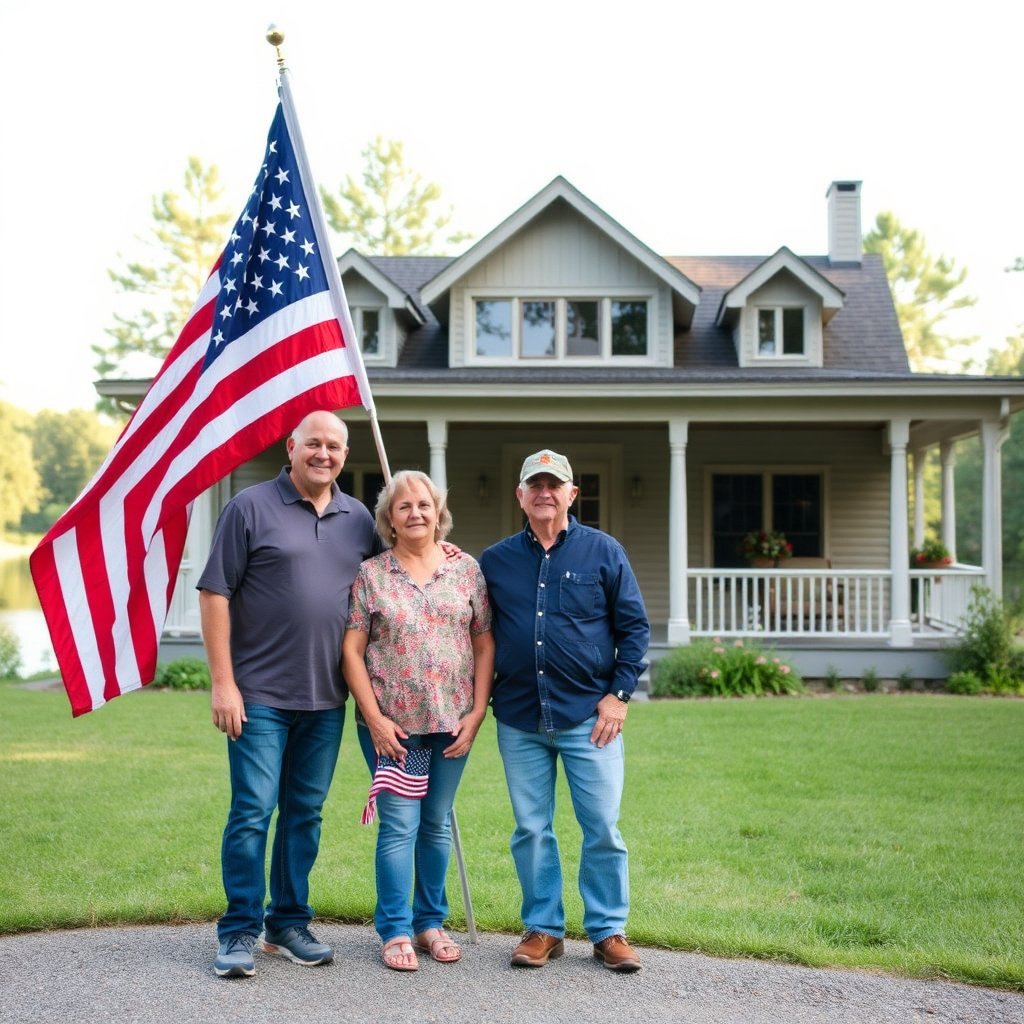
One of the key VA loan eligibility requirements is that the property must be used as the borrower's primary residence. This means the lake house must be where you plan to live most of the year, not just a vacation or investment property. The VA loan program is designed to help veterans secure stable, affordable homes rather than recreational retreats.
If you intend to buy a lake house but continue living elsewhere for most of the year, the VA will likely deny the loan. However, if the lake house serves as your main home or you plan to move there full-time, you can apply for VA financing.
Veteran Service and Credit Criteria
To qualify for a VA loan, you must meet service eligibility, which varies depending on your military branch, length of service, and discharge status. Lenders also evaluate your credit score and financial stability to ensure loan repayment capability, even though VA loans tend to be more forgiving on credit requirements than conventional mortgages.
Meeting these criteria doesn’t differ whether you buy a typical suburban property or a lake house. However, lenders will consider factors like property insurance, taxes, and any unique costs related to waterfront homes.
VA Loan Property Requirements for Lakefront Homes
Minimum Property Standards
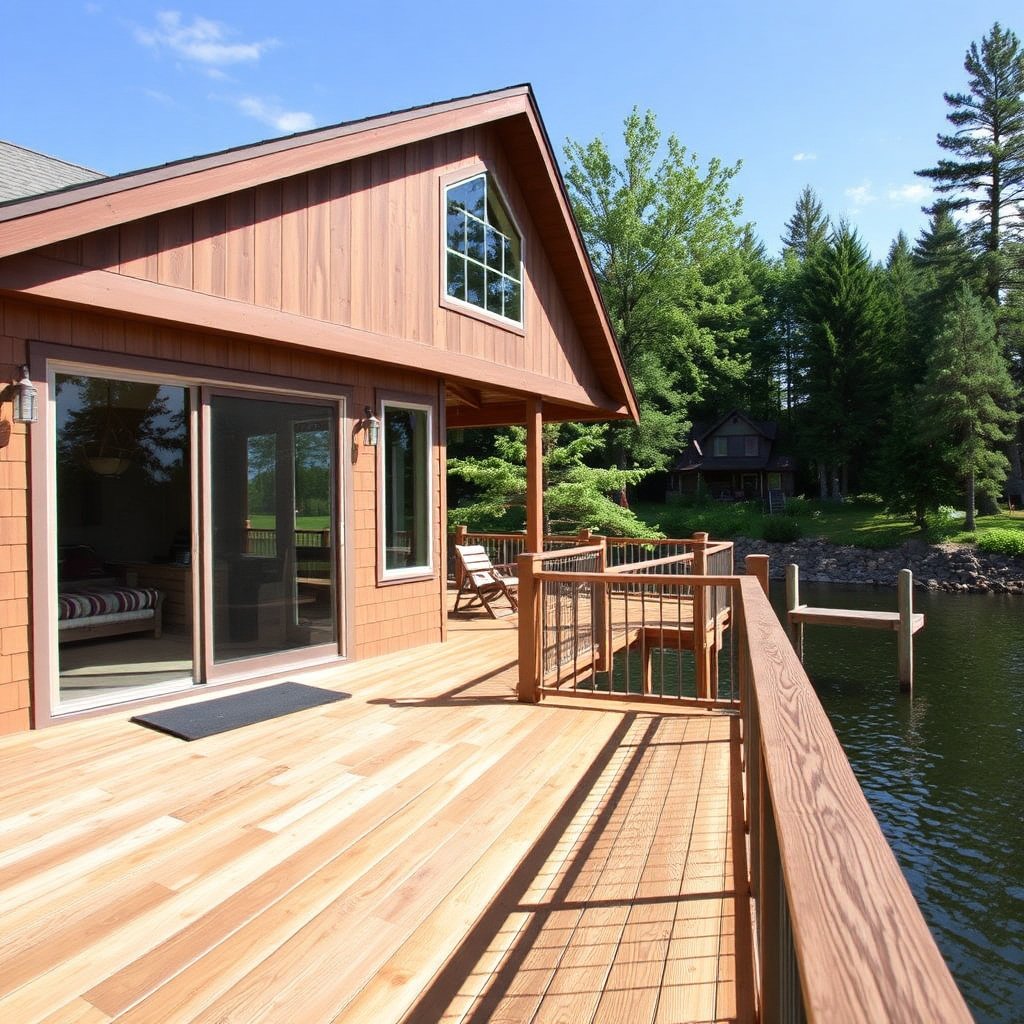
The VA requires that all financed homes, including lake houses, meet its Minimum Property Requirements (MPRs). These standards ensure the home is safe, structurally sound, and sanitary. For lake houses, this means the foundation must be stable despite proximity to water, there should be no exposure to flooding risks that the property cannot withstand, and essential utilities like water and sewage must be functional.
If the lake house has significant issues like poor drainage, severe wood damage from moisture, or inadequate septic systems, the VA appraisal may result in repairs being ordered before the loan closes or a denial of VA loan eligibility.
Appraisal and Inspection Process
A VA-approved appraiser inspects the property to confirm it meets all standards and determines its reasonable value. Properties on waterfronts sometimes face extra scrutiny because of environmental factors like erosion, flood zones, or access concerns. The appraisal is critical to the loan approval process because if the property doesn’t meet VA standards, you may need to negotiate repairs or reconsider the purchase.
Veterans should plan for this inspection by gathering relevant documents like flood zone determinations and being ready to address any VA-requested repairs to keep the loan process moving.
Financial Considerations When Using a VA Loan for a Lake House
Loan Limits and Down Payment
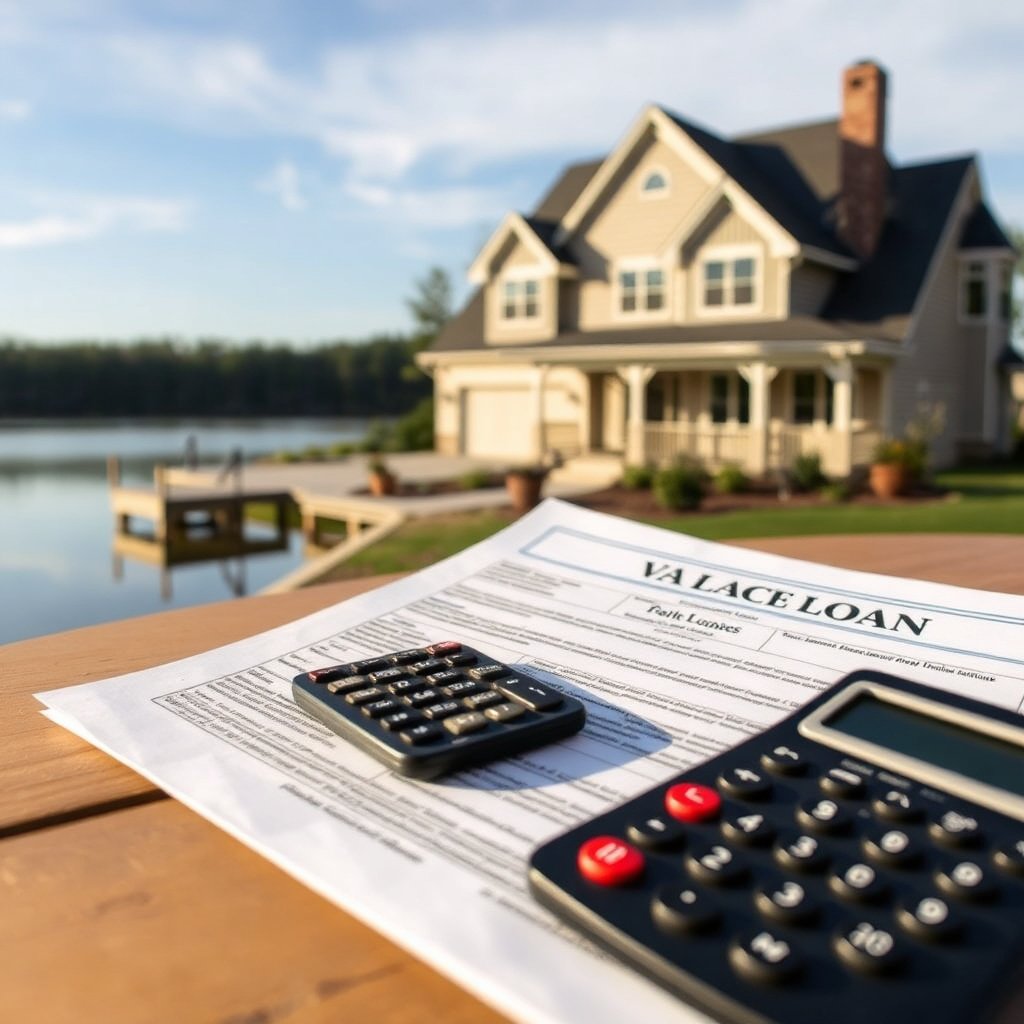
While VA loans generally do not require a down payment, loan limits vary by county and property type. In higher-cost lakefront areas, loan limits may be higher, which can benefit buyers. If the lake house price exceeds VA loan limits, veterans might need a down payment or consider a combination of VA and conventional financing.
Checking county-specific VA loan limits is essential to understand what your borrowing capacity will be for a lakefront home.
- VA loan limits depend on location
- No down payment typically required unless exceeding limits
- Higher loan limits in some waterfront areas
For more on this, see our related guide: Understanding the Average Price of a Lake Lot: What Buyers Should Know.
Insurance and Maintenance Costs
Waterfront homes often have higher homeowners insurance premiums due to flood risks, weather exposure, and specialized structures like docks or boathouses. When buying a lake house with a VA loan, these increased ongoing costs need to be factored into your overall budget.
It’s wise to get insurance quotes early and consider setting aside extra funds for routine maintenance unique to lakeside properties, such as erosion control and dock upkeep.
Alternative Financing Options for Lake Houses

Conventional Mortgages for Vacation Properties
If the lake house is not your primary residence or does not meet VA requirements, a conventional mortgage might be necessary. These loans usually require higher credit scores, larger down payments, and have higher interest rates, but they allow investment or second homes on waterfronts.
Veterans who do not qualify for a VA loan on a lake house under primary residence rules may still consider conventional loans as a viable option to own their recreational property.
USDA and FHA Loans for Rural Lakefront Areas
Depending on the property location, USDA Rural Development loans and FHA loans may be alternatives for veterans. USDA loans target rural areas but require income limits and property eligibility, while FHA loans allow smaller down payments but come with mortgage insurance fees.
These options can sometimes accommodate lake houses that do not fit VA rules, but careful comparison of terms and costs is essential.
Steps to Applying for a VA Loan on a Lake House

Gathering Documentation and Preapproval
Start with obtaining your Certificate of Eligibility from the VA and gather income, credit, and personal identification documents. Next, approach a VA-approved lender for a preapproval that considers the lake house purchase price. Preapproval lets you know what loan amount you qualify for and strengthens your offer with sellers.
Because lake houses can have unique appraisal challenges, discuss the property type upfront with lenders to understand any additional requirements.
For more on this, see our related guide: How Much Down Payment for a Vacation Home Should You Budget?.
Navigating the Closing Process
After your offer is accepted, the VA appraisal and inspection process begins. You may need to negotiate repairs or price adjustments based on the appraisal results. Once the home passes VA standards and all loan paperwork is in place, closing proceeds similarly to other mortgages.
Be prepared for potential delays if the lake house has unusual features or environmental concerns, and maintain close communication with your lender.
Pros and Cons of Using a VA Loan to Buy a Lake House
Advantages of VA Loans for Veterans’ Lake Houses
VA loans offer no down payment, competitive interest rates, and limited closing costs, which make homeownership more affordable for veterans. For a lake house, these benefits can lower financial barriers to owning waterfront property, allowing veterans to enjoy lakefront living while maintaining financial flexibility.
Additionally, VA loans do not require private mortgage insurance, unlike many conventional or FHA loans, which reduces monthly costs.
- No down payment
- Competitive interest rates
- No private mortgage insurance
Veterans looking for official information can review VA home loan program details at the Department of Veterans Affairs. VA home loan program details.
Potential Drawbacks and Limitations
The primary limitation is the requirement that the lake house must serve as your primary residence, restricting use for vacation homes or rentals. The necessity for the property to meet VA minimum property standards can also limit choices among older or less-maintained lakefront homes.
Moreover, VA loan limits and appraisal hurdles in certain lakefront areas might require additional down payment or alternative financing.
Comparison of Lake House Financing Options for Veterans
This table compares features of VA loans and other common financing choices for buying a lake house.
| Loan Type | Primary Residence Requirement | Down Payment | Interest Rates | Property Restrictions | Mortgage Insurance |
|---|---|---|---|---|---|
| VA Loan | Yes | Usually none | Low and competitive | Must meet VA standards | None |
| Conventional Loan | No (allowed for second homes) | Typically 5-20% | Varies based on credit | Fewer restrictions | Required unless 20% down |
| FHA Loan | Yes | 3.5% | Higher than VA | Mortgage must meet FHA standards | Required |
| USDA Loan | Yes, rural areas only | None | Competitive | Property in USDA eligible area | Required |
| Cash Purchase | No | N/A | N/A | No restrictions | N/A |
Frequently Asked Questions
Can I use a VA loan to buy a lake house as a second home?
No, VA loans require the property to be your primary residence, so using one to buy a lake house purely as a vacation home or second property is not allowed.
What if the lake house needs repairs before I can buy it with a VA loan?
The VA appraisal may require certain repairs to meet minimum property standards. You can negotiate for the seller to complete repairs or pay for concessions, but the home must meet VA standards before closing.
Are VA loan limits different for lake houses?
VA loan limits depend on the county and mortgage limits set by the VA. Some lakefront areas have higher limits, but it's important to verify your local loan limits as they can vary significantly.
Can I use a VA loan to finance a lake house with a dock or boathouse?
Yes, but the dock or boathouse must be considered part of the property and meet safety standards. Any structures posing safety risks may cause the VA loan to be denied or require repairs.
How do insurance costs for a lake house affect VA loan qualification?
Higher insurance premiums typical for waterfront properties impact your monthly housing expenses. Lenders factor these costs into your debt-to-income ratio when approving the VA loan.
Key Takeaways
- VA loans can finance lake houses if used as a primary residence.
- Lake houses must meet VA minimum property requirements to qualify.
- Loan limits and insurance costs vary for waterfront properties.
- Alternative financing may be needed for vacation or investment lake homes.
Conclusion
Buying a lake house with a VA loan is possible but hinges on the property serving as the veteran’s primary residence and meeting specific VA requirements. This includes passing the VA appraisal that checks for safety, structural soundness, and basic living standards. Understanding these criteria helps veterans approach lakefront home purchases realistically and prepare for any repairs or paperwork needed to secure financing.
For veterans looking for affordable waterfront living, VA loans offer significant benefits including no down payment and competitive interest rates. These advantages make them an attractive choice for eligible veterans who want to own and live in lake houses full-time. In contrast, those seeking vacation or secondary lake homes might explore conventional or FHA loans. Knowing your eligibility and loan limits early allows you to tailor your search and financing approach accordingly.
If you are considering a lake house purchase under a VA loan, start by confirming your eligibility, reviewing local loan limits, and discussing with VA-approved lenders familiar with waterfront property requirements. Taking these practical steps enhances your ability to tackle appraisal inspections, insurance planning, and closing smoothly, ultimately helping you enjoy lakefront living backed by one of the most veteran-friendly loan programs available.