How Much Does It Cost to Sell a House? A Detailed Cost Breakdown
Selling a house typically costs between 6% to 10% of the home's sale price when all fees are included, but exact expenses depend on factors like your location, agent commissions, and additional selling costs. The biggest chunk of this is usually the real estate agent's commission, which often ranges from 5% to 6% split between the buyer’s and seller’s agents. Beyond that, sellers often pay for closing costs, staging, repairs, and sometimes home inspection fees.
Understanding how much it costs to sell a house matters because these expenses can significantly affect your net proceeds. Many sellers underestimate the total costs involved, which can lead to surprises at closing and affect budgeting plans.
This article covers all the primary costs when selling a home, such as agent fees, closing costs, repairs, and optional expenses like staging or marketing. We will also compare typical fee categories to help you anticipate where your money will go.
Agent Commissions and Their Impact on How Much It Costs to Sell a House

Typical Agent Commission Rates
Agent commissions are usually a percentage of the final sale price, commonly totaling 5% to 6%. This fee is split between the listing agent who represents the seller and the buyer's agent. In some cases, the commission structure may be negotiable, but most agents stick to this range as their standard.
Because commissions depend directly on sale price, higher priced homes involve larger absolute fees. Sellers should factor this into their budget from the start since it's usually the most significant cost when selling a house.
- Standard commission: 5%-6%
- Fee split between listing and buyer agent
- Potential for negotiation but often fixed
How Commission Structure Affects Your Net Proceeds
Commissions reduce the amount you receive from the sale, so it’s vital to understand how they work. In some areas, flat fees or discounted commissions exist but are less common. Also, if you sell directly to a buyer without agents, you might avoid commission fees altogether but usually at the cost of extra effort or lower sale price.
When planning costs, remember commissions may cover not only agent services but also marketing efforts like online listings, open houses, and advertising.
Closing Costs: Fees That Add Up When Selling Your Home

Common Closing Fees Sellers Pay
Closing costs for sellers typically range from 1% to 3% of the sale price and include fees such as title insurance, escrow fees, transfer taxes, and recording fees. These fees vary widely by state and local jurisdiction, sometimes making them a substantial expense.
Some fees like title insurance protect the buyer but are paid by the seller in many markets, while others cover administrative tasks related to transferring ownership.
- Title insurance
- Escrow fees
- Transfer taxes
- Recording fees
For more on this, see our related guide: How Long Does It Take to Build a Lake House? A Complete Timeline Guide.
How to Estimate and Manage Closing Costs
Request a seller’s net sheet or estimated closing disclosure early in the selling process to get an idea of what your closing costs will be. You can also negotiate with the buyer to cover some closing expenses or include them in the sale price, although this depends on local customs and the market.
Being prepared for closing costs helps avoid last-minute financial surprises and smoothens the transaction process.
Repair and Renovation Expenses Before Selling
Common Repairs to Boost Sale Price
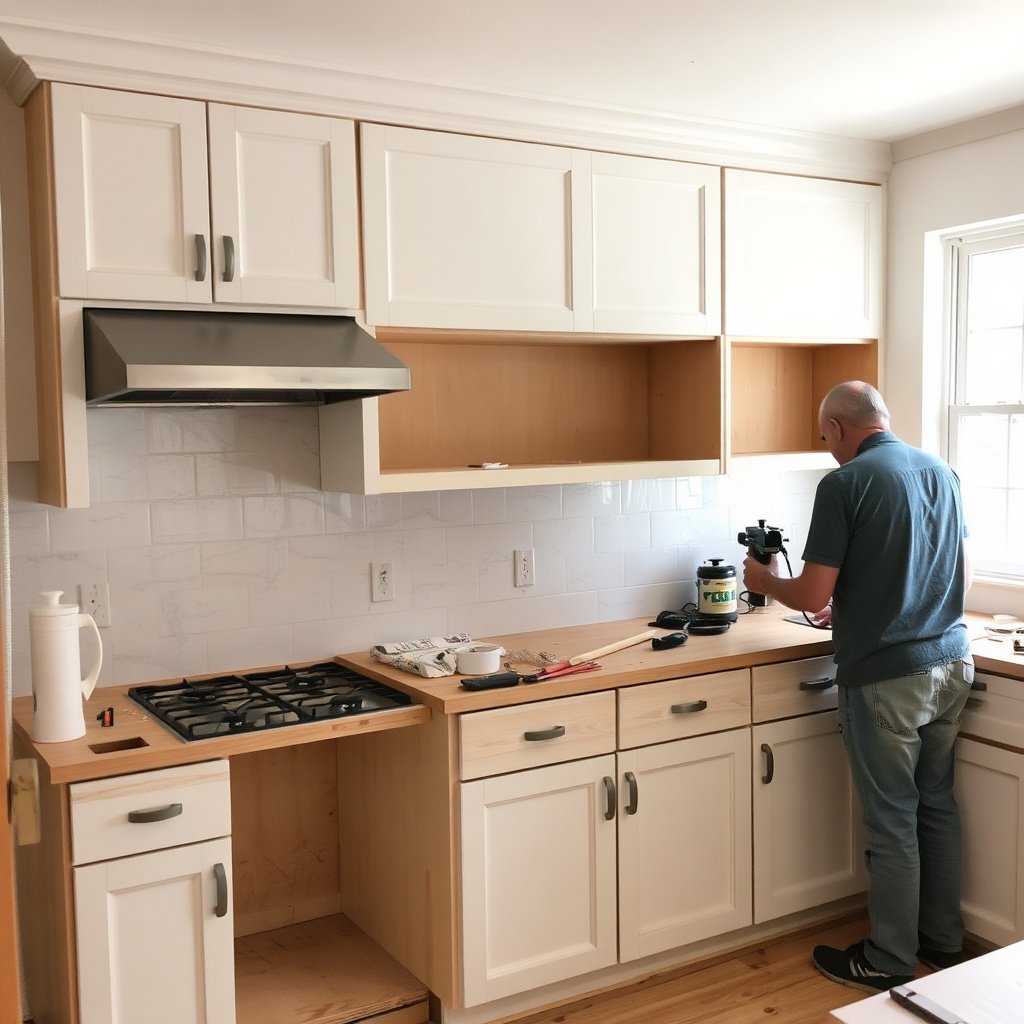
Many sellers choose to make repairs or improvements before listing their home to attract buyers and increase the sale price. Typical fixes include addressing plumbing leaks, repainting walls, updating outdated fixtures, and repairing flooring.
While some repairs are minor and inexpensive, others like roof replacements or HVAC repairs can be costly but may be necessary to pass inspections or appraisals.
- Plumbing and electrical fixes
- Painting and cosmetic updates
- Roof and HVAC repairs
- Flooring fixes
Balancing Repair Costs Against Potential Gains
It's important to evaluate whether the cost of repairs will yield a higher return in sale price. Some sellers opt for a pre-listing inspection to identify needed repairs, while others sell as-is, negotiating price reductions instead.
Choosing which repairs to complete depends on the local market, the home's condition, and how much you want to invest before selling.
Home Staging and Marketing Fees

Costs of Staging Your Home to Sell
Home staging can cost anywhere from a few hundred to several thousand dollars depending on the extent of services, such as furniture rental and professional decorating. Sellers use staging to make a property more appealing, potentially reducing time on market and increasing final sale price.
Some agents include staging as part of their marketing, while others provide it as an optional service you pay for separately.
For more on this, see our related guide: How to Sell a Lake House Fast: Proven Strategies for a Quick Sale.
Marketing Expenses Beyond Commissions
Marketing costs may include professional photography, virtual tours, online listings, print ads, and open houses. Although sometimes covered by agent commissions, sellers occasionally pay for premium marketing packages to improve exposure.
Effective marketing can be a decisive factor in how quickly and at what price your home sells.
Other Miscellaneous Selling Costs
Inspection and Appraisal Fees
Sellers might pay for pre-sale home inspections to identify issues beforehand or for an appraisal if required by the buyer or lender. Inspection fees average between $300 and $500, while appraisals can range from $300 to $700 depending on location and home size.
These costs are smaller but still add up and should be considered when determining the total cost of selling a house.
For further detailed insights on selling a home costs, the Consumer Financial Protection Bureau offers clear guidance and resources. selling a home costs information.
Potential Costs for Moving and Utilities
Moving expenses can vary widely, depending on distance and the amount of belongings. Besides moving, sellers may pay for utilities during the marketing period and final repairs after inspections. Budgeting for these ensures no unexpected expenses linger post-sale.
Some sellers also offer concessions to buyers to close the deal, which can impact overall costs.
Comparison of Cost Categories When Selling a House
Here’s a side-by-side look at the major categories of expenses sellers face, showing their typical ranges and impact.
| Cost Category | Typical Percentage/Cost | Notes |
|---|---|---|
| Agent Commissions | 5% – 6% of sale price | Largest single cost, split between agents |
| Closing Costs | 1% – 3% of sale price | Varies by location, includes taxes and fees |
| Repairs and Renovations | $500 – $10,000+ | Depends on home condition and market |
| Staging and Marketing | $500 – $3,000 | Optional but can speed sale |
| Inspections and Appraisals | $300 – $1,200 | Smaller fees but necessary |
| Moving and Miscellaneous | Varies widely | Dependent on personal circumstances |
Frequently Asked Questions
Who typically pays the real estate agent commission?
The seller generally pays the real estate agent's commission, which is split between the seller's and buyer's agents, as part of the sales transaction costs.
Are closing costs negotiable when selling a home?
Some closing costs may be negotiable, and in certain markets, sellers may ask buyers to cover a portion of these fees or include them in the home's purchase price.
Is staging worth the cost when selling a house?
Staging can help your home sell faster and possibly at a higher price by making it more appealing to buyers, but its value depends on your local market and property condition.
What repairs should I make before listing my house?
Focus on repairs that affect safety, functionality, and buyer impressions, such as fixing leaks, addressing electrical issues, and improving curb appeal with painting or landscaping.
Can selling a house without an agent save money?
Selling without an agent can save on commission fees, but it may result in extra work, lower sale price, or missed marketing opportunities for the seller.
Key Takeaways
- Agent commissions are the largest selling cost, often 5%-6% of sale price.
- Closing costs add 1%-3% and vary by location and fees.
- Repairs and staging costs can improve sale price but vary widely.
- Additional fees like inspections and moving should be included in budgeting.
Conclusion
Determining how much it costs to sell a house requires adding together several categories of expenses, with real estate commissions and closing costs generally making up the bulk. Repair and staging costs depend heavily on your home’s condition and local market expectations. Approaching these costs practically with realistic estimates will give you a clearer picture of your net sale proceeds and avoid surprises as you finalize your sale.
If you want to minimize expenses, consider negotiating agent commissions or selling directly, though this approach requires extra effort. Budget to repair major issues that might scare buyers but avoid over-improving for your neighborhood. Including home staging and marketing services can help achieve a faster sale at a potentially higher price, beneficial if time is a factor. For more predictable costs, make use of seller net sheets and detailed closing estimates early in the process.
In the end, planning your budget carefully aids in smooth selling without unexpected bills. Start by calculating agent commissions and expected closing costs, then evaluate repair and marketing expenses based on your property's condition. Taking these steps will help you sell your home comfortably within your financial goals and achieve the best possible outcome.