Can You Rent Out a Lake House? A Complete Guide for Owners and Renters
You absolutely can rent out a lake house, whether it's a vacation home or investment property. Renting presents an opportunity to generate income and share the unique experience of lakefront living with others. However, there are important factors to consider before listing your property.
Owning a lake house comes with special considerations—like local rules on short-term rentals, insurance adjustments, and maintenance needs—that can impact whether and how you rent it out. Understanding these details early helps protect your investment and ensures a smooth rental experience for you and your guests.
This guide covers what you need to know to rent out a lake house, including legal requirements, safety measures, marketing tips, and how to handle guest relationships. Whether you're renting occasionally or frequently, this information will prepare you to maximize your home's potential legally and responsibly.
Understanding Legal Requirements for Renting a Lake House
Local Zoning and Rental Regulations
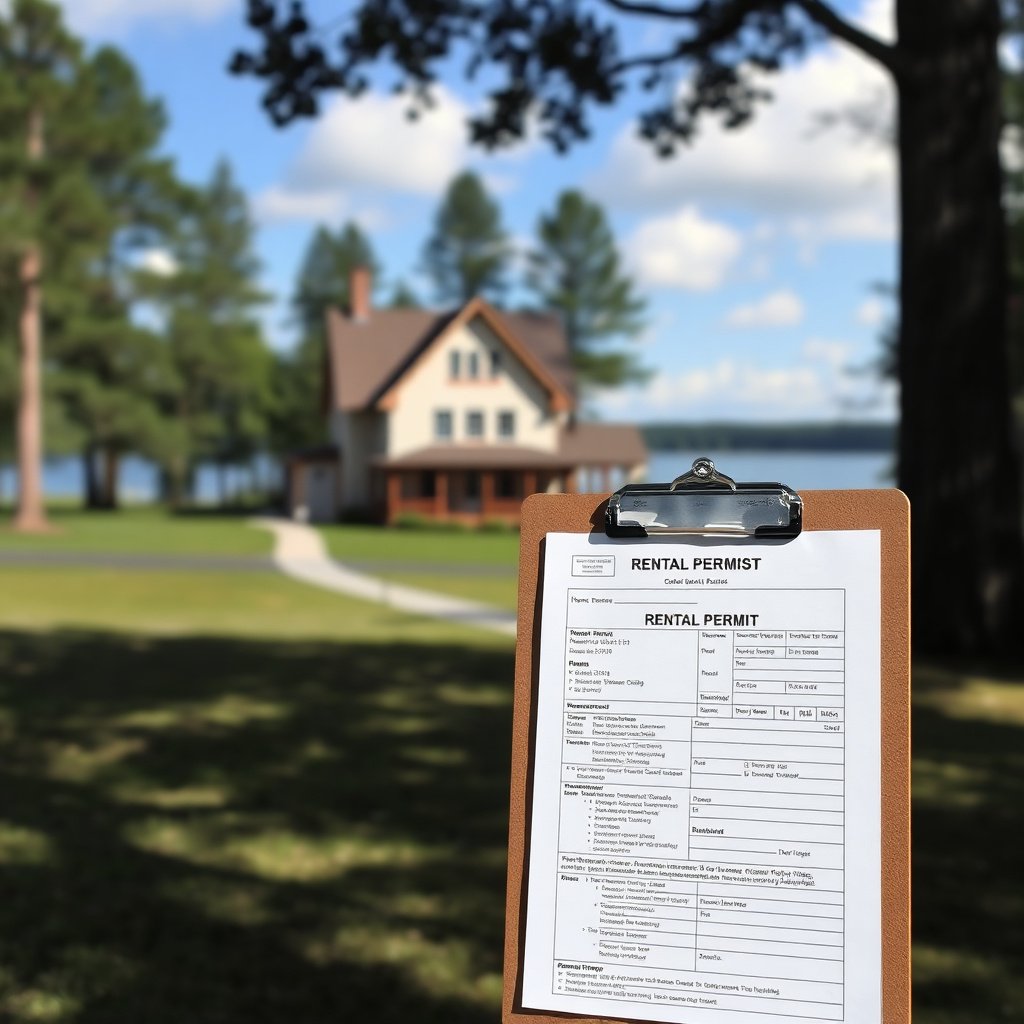
Before listing your lake house for rent, check local zoning laws and lake house rental regulations. Many municipalities have specific restrictions on short-term rentals, including limits on rental days per year or requiring a special permit.
Some lake communities have homeowner association rules that might prohibit or restrict rentals to preserve neighborhood tranquility and natural surroundings. Avoid fines and legal trouble by verifying these regulations early.
- Check city or county government websites
- Review homeowner association covenants
- Speak with local zoning or planning offices
Licensing, Taxes, and Insurance Considerations
You may need a rental license, and collecting lodging or occupancy taxes might be mandatory. Each location varies, so consult tax authorities about requirements for short-term lake house rentals.
Insurance policies designed for primary residences often exclude coverage for renters, so update your policy accordingly. Liability protection is critical given water safety risks associated with lakefront properties.
- Obtain necessary rental business licenses
- Register and remit local lodging taxes
- Upgrade insurance to cover rental and liability
Preparing Your Lake House for Rent
Safety Equipment and Property Maintenance
Lake houses demand special safety features like life jackets, boat safety signage, and properly maintained docks. Inspect and certify that equipment meets safety standards to protect your renters and reduce liability.
Routine maintenance of plumbing, heating, and electrical systems, as well as pest control and landscaping, enhances guest comfort and minimizes rental disruptions.
- Install smoke and carbon monoxide detectors
- Provide life jackets for water activities
- Regularly inspect dock and boat facilities
Essential Amenities and Guest Comfort
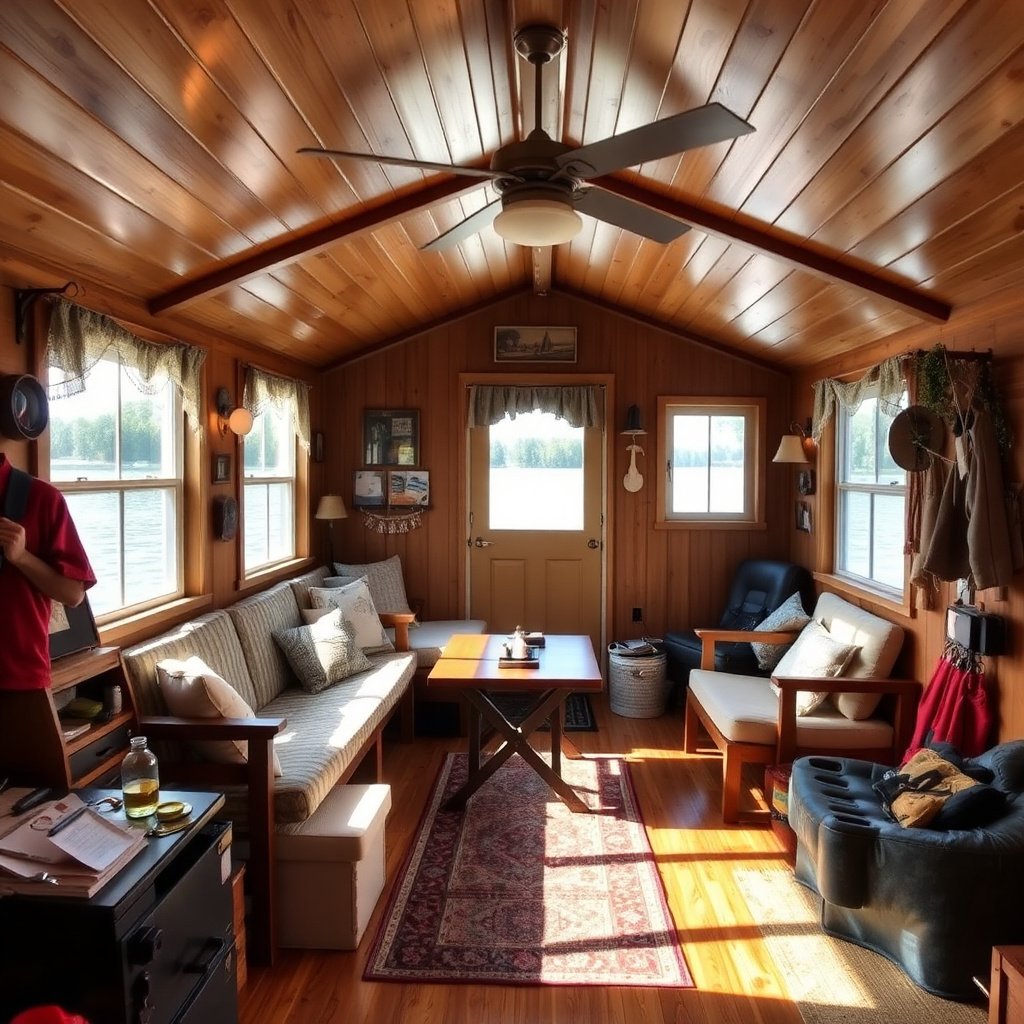
Amenities like Wi-Fi, a fully equipped kitchen, clean linens, and outdoor seating areas boost appeal and encourage repeat bookings. Consider adding recreational equipment such as canoes, paddleboards, or fishing gear.
Clear instructions on house rules, emergency contacts, and how to operate appliances contribute to a positive guest experience and reduce inquiries.
- High-speed internet access
- Watercraft or fishing gear
- Guest welcome guide and house manual
Marketing Your Lake House Rental

Choosing the Right Rental Platforms
Listing your lake house on popular vacation rental sites boosts visibility to a large audience. Platforms like Airbnb, Vrbo, and Booking.com specialize in short-term rentals and offer tools to manage bookings and payments.
Some specialized sites focus on lakefront properties, drawing renters specifically seeking water-based vacations. Research platform fees and policies to find what fits your needs best.
- Airbnb and Vrbo for broad reach
- Niche lakehouse rental websites
- Local classifieds or community boards
For more on this, see our related guide: How to Choose Between a Lake House and a Condo: A Practical Guide.
Creating an Effective Rental Listing
High-quality photos emphasizing lake views, dock access, and interior comfort are critical. Write a descriptive, honest summary highlighting unique features, nearby attractions, and any special rules to set guest expectations.
Respond promptly to inquiries and maintain an updated calendar to show availability clearly. Positive reviews build credibility, so encourage satisfied guests to leave feedback.
- Professional-quality photos
- Clear and honest property description
- Prompt communication with renters
Managing Guests and Bookings Smoothly

Screening and Communication Best Practices
Vet potential renters through platform tools or direct communication to confirm identity and rental purpose. Clear communication about house rules, check-in times, and amenities prevents misunderstandings.
Providing an electronic rental agreement outlining responsibilities and liabilities protects both parties and sets clear expectations.
- Require verified guest profiles
- Send detailed check-in instructions
- Use rental agreements and waivers
Handling Payments and Deposits
Utilize secure payment methods via reputable rental platforms to avoid scams. Setting a security deposit can cover damages but communicate how and when deposits are refunded transparently.
Consider flexible cancellation policies that balance renter needs with your income protection, especially around weather-related lake conditions.
- Accept payments through trusted platforms
- Collect refundable damage deposits
- Clear policies on cancellations and refunds
Dealing with Environmental and Seasonal Challenges

Seasonal Maintenance and Weather Impact
Lake houses are vulnerable to seasonal weather extremes, from winter freezing to summer storms. Prepare the property with seasonal cleanup, dock removal or reinforcement, and winterizing plumbing to avoid costly damage.
Adjust availability or pricing based on peak lake seasons and weather patterns, managing guest expectations about possible inconveniences.
- Winterize plumbing and heating systems
- Inspect docks before and after season
- Inform guests about seasonal lake conditions
For more on this, see our related guide: Can You Write Off a Lake House? Understanding Tax Deductions for Vacation Properties.
Protecting the Natural Environment
Preserving the lake ecosystem is essential for your property’s long-term appeal. Implement environmentally friendly landscaping, avoid harmful chemicals, and educate renters on waste disposal and respecting wildlife.
Collaboration with local conservation groups can also enhance your property’s reputation among eco-conscious renters.
- Use native plants in landscaping
- Provide recycling and waste bins
- Share info on local wildlife protection
Financial Planning and Profit Optimization

Calculating Rental Income and Expenses
Track all costs including mortgage, insurance, maintenance, taxes, and platform fees to understand true profitability. Factor in downtime between bookings and seasonal income variations for accurate financial planning.
Establish a competitive pricing strategy by researching comparable lake house rentals nearby and adjusting rates with demand fluctuations.
- Include all ongoing property expenses
- Analyze competitor rental pricing
- Adjust rates seasonally based on demand
For an overview of lake house characteristics and insights, see this detailed article on lake houses. lake house rental regulations.
Maximizing Long-Term Rental Success
Invest in quality furnishings and keep the property well-maintained to attract better-paying renters and garner strong reviews. Consider offering longer stays at discounted rates during off-peak times to reduce vacancy.
Periodic updates to marketing materials and guest amenities keep your lake house attractive against newer listings.
- Maintain and upgrade property regularly
- Offer discounts for extended stays
- Refresh listings with updated photos annually
Lake House Rental Options Comparison
Here's a comparison of different lake house rental approaches to help you decide which fits your goals best.
| Rental Type | Suitable For | Management Effort | Income Potential | Typical Rental Duration |
|---|---|---|---|---|
| Occasional Private Rentals | Homeowners wanting supplementary income | Moderate | Medium | Weekends to short vacations |
| Full-Time Vacation Rental | Investors focused on rental income | High | High | Weekly stays during peak season |
| Long-Term Seasonal Rental | Renters seeking extended stays | Low | Stable but lower | 3-6 months |
| Shared Ownership or Timeshare | Multiple owners sharing costs | Low | Varies | Allocated annual periods |
Frequently Asked Questions
Do I need special insurance to rent out a lake house?
Yes, standard homeowner’s insurance generally won’t cover renters. You need a specific rental policy that includes liability for guests, particularly considering water-related risks.
Are short-term rentals allowed on all lakes?
Rental rules vary by location and lake. Some areas ban short-term rentals to protect communities, so check local lake house rental regulations before listing.
How can I keep renters safe around water?
Provide life jackets, safety signage, and clear rules about swimming or boating. Ensuring docks and watercraft are well maintained also reduces risks.
What amenities do renters value most in a lake house?
Renters appreciate internet access, clean linens, watercraft or fishing gear, and comfortable outdoor spaces to enjoy the lake setting.
Can I manage rentals myself, or should I hire a property manager?
Managing yourself saves money but requires more time and effort. A property manager can handle bookings and maintenance, ideal if you live far away or prefer a hands-off approach.
Key Takeaways
- Check local laws and homeowner association rules before renting your lake house.
- Safety equipment and clear guest communication are essential for liability protection.
- Use popular rental platforms and provide appealing amenities to attract renters.
- Consider seasonal challenges and environmental preservation when managing your property.
Conclusion
Deciding to rent out a lake house involves weighing legal, financial, and practical factors carefully. The main keyword captures the core inquiry: can you rent out a lake house? The answer is yes, but only after understanding local regulations, updating insurance, and preparing your property to offer a safe and enjoyable experience. Renters will appreciate thoughtful amenities and good communication, and addressing environmental factors will sustain your investment’s value over time.
For those looking to generate income intermittently, occasional private rentals can suit homeowners who want control with moderate effort. Full-time vacation rentals offer maximum income potential but require dedicated management and adherence to complex regulations. Meanwhile, long-term seasonal rentals provide stability with less oversight, and shared ownership models share the burden while offering family or friend vacation time. Each rental approach has its benefits depending on your goals.
As a practical next step, research your local lake house rental regulations and insurance requirements thoroughly. Then, assess your property’s readiness for renters and decide what rental strategy aligns with your schedule and income targets. With thoughtful planning and attention to detail, renting out a lake house can become a rewarding way to monetize your waterfront asset.