How to Buy a Lake House: A Practical Guide for First-Time Buyers
Buying a lake house involves more than just choosing a scenic spot; it requires careful evaluation of location, property condition, legal aspects, and financing options. This guide helps you understand the key steps you need to take to make a confident purchase of your dream lakefront property.
Lake houses offer unique recreational opportunities and a relaxing lifestyle, but they also come with specific challenges like water-related maintenance and zoning rules. Knowing what to expect and what factors to prioritize can help you avoid costly mistakes and find a retreat that truly fits your needs.
This article covers everything from selecting the right lake and neighborhood to handling inspections, securing financing, and understanding the lifestyle realities of lakefront living. By following these steps, you can approach buying a lake house with clarity and confidence.
Choosing the Ideal Location for Your Lake House

Evaluating Lakes and Surrounding Communities
Not all lakes are the same. Assess factors like water quality, accessibility, community amenities, and lake size before deciding. A smaller lake might offer privacy, while a larger one could support more recreational activities like boating and fishing.
Understand the local community vibe and services such as nearby schools, healthcare, and shopping. The neighborhood’s character will significantly impact your enjoyment and future resale value.
- Water clarity and cleanliness
- Public access and boating infrastructure
- Local events and community engagement
- Proximity to emergency services
Site Characteristics and Environmental Considerations
Look for property features such as shoreline type (sandy, rocky, or muddy), elevation to avoid flooding, and tree coverage for shade and privacy. Environmental restrictions, like protected wetlands or conservation zones, might limit development options.
Review local zoning laws and lakefront property regulations to understand permissible uses and potential requirements for shoreline maintenance or erosion control.
- Flood risk and setback requirements
- Shoreline condition and erosion patterns
- Native vegetation and wildlife habitats
- Local environmental protection rules
Understanding Financing Options for a Lakefront Property

Mortgage Choices and Challenges for Lake Houses
Lake houses may not qualify as primary residences, impacting loan terms and interest rates. Be prepared for potentially higher down payments and stricter lending criteria compared to traditional homes.
Explore conventional loans, jumbo loans for expensive lakefront homes, and specialized financing tailored for recreational properties. A clear understanding of your credit and financial position will streamline the process.
- Higher interest rates for vacation properties
- Larger required down payments (often 20% or more)
- Loan options specific to second homes
- Working with lenders experienced in lakefront properties
Budgeting for Hidden and Recurring Costs
Aside from purchase price, lake houses come with added expenses like dock maintenance, septic system upkeep, flood insurance, and HOA fees if part of a managed community.
Plan your budget to include these ongoing costs to avoid financial surprises post-purchase. Factor in seasonal maintenance such as winterizing the property or controlling invasive species in the water.
- Flood and homeowners insurance premiums
- Shoreline and dock repairs
- Utility costs and seasonal upkeep
- Property taxes and possible special assessments
Inspecting a Lake House Before Purchase

Structural and Environmental Inspections
Conduct thorough inspections focusing on foundations vulnerable to moisture, roofs exposed to harsher weather, and possible water damage inside the home. Check for mold, wood rot, and pest infestations common to lakeside properties.
Environmental assessments should look at water quality impacts on the property and potential contamination. Seawalls or retaining walls may need professional evaluation for stability.
- Foundation and basement dampness
- Roof integrity and drainage
- Presence of mold or mildew
- Condition of seawalls and docks
For more on this, see our related guide: How to Buy a Lake House with No Money Down: Practical Strategies for Aspiring Buyers.
Boat Access and Water Use Inspections
If your lifestyle includes boating or swimming, inspect boat lifts, docks, and water access points. Confirm local water use rights and any restrictions on watercraft types or motor sizes on the lake.
Understanding water levels throughout the seasons will help you evaluate access consistency and safety for your planned activities.
- Dock safety and durability
- Boat lift operation and condition
- Local boating regulations
- Seasonal water level variations
Lifestyle Factors When Buying a Lake House
Seasonal Use and Accessibility
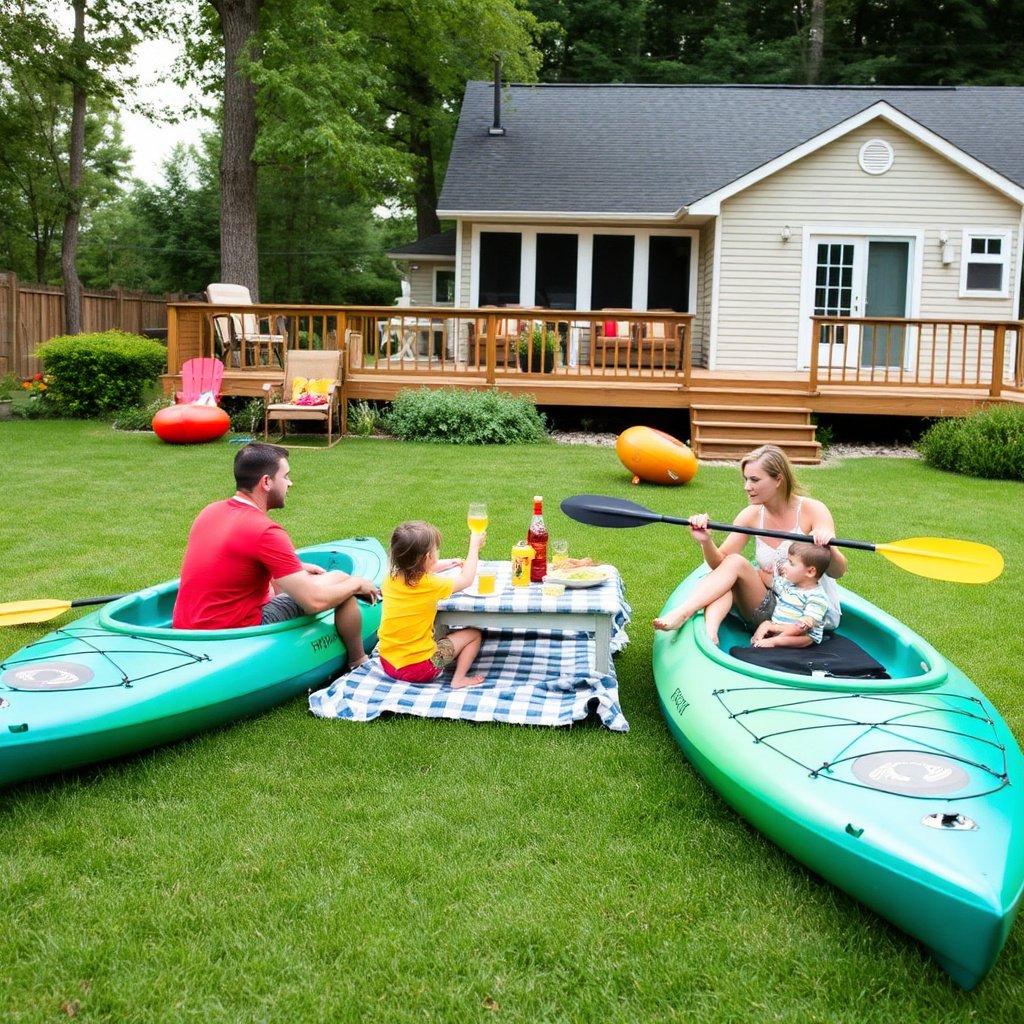
Consider how often you plan to use the lake house and whether year-round access is feasible. Some lake properties may become difficult to reach during winter months or heavy rains.
Check road conditions and if they are maintained throughout the year. Seasonal isolation can affect emergency services and supply deliveries.
- Road maintenance and snow removal
- Distance to nearest town
- Availability of utilities year-round
- Internet and cell phone coverage
Community and Recreational Activities
Living by a lake often means involvement in community clubs, fishing tournaments, or boating events. Understanding local culture and available amenities can enhance your experience.
Assess neighborhood rules regarding noise, fire pits, and water use, which might affect how you and your guests enjoy the property.
- Local social clubs and events
- Restrictions on recreational vehicles
- Community maintenance and services
- Noise and fire regulations
Legal and Documentation Considerations in Lake House Purchases

Title and Easements for Lakefront Properties
Ensure the property has clear title with no disputes, and check for any easements that might affect your use of the lakefront. Some properties share docks or have public access rights that limit privacy.
Hire a real estate attorney knowledgeable in waterfront properties to review these documents to avoid surprises later.
- Verification of property boundaries
- Rights to access lake and shoreline
- Shared ownership of docks or piers
- Restrictions from local government or associations
For more on this, see our related guide: How to Find a Good Realtor at the Lake for Your Ideal Waterfront Home.
Permits and Compliance with Regulations
Before making improvements, know which permits you'll need for docks, boathouses, or shoreline modifications. Environmental agencies often regulate changes to lakeshores to protect water quality and habitats.
Staying compliant avoids costly fines and ensures you can make planned enhancements safely.
- Local building permits for waterfront structures
- Environmental impact assessments
- Zoning compliance checks
- Permit application procedures
Negotiating and Closing the Lake House Deal

Making an Offer and Negotiation Tips
Use your inspection findings and market research to propose a fair offer. Show awareness of the unique factors impacting lakefront property values such as seasonal demand and maintenance needs.
Be prepared to negotiate repairs, closing costs, or contingencies related to water access and property condition.
- Include inspection contingency clauses
- Request repairs for safety concerns
- Factor in seasonal market fluctuations
- Negotiate dock and accessory inclusions
For a general overview of what defines a lake house and related terms, the article on Lake House provides useful background information. Lake house buying considerations on Wikipedia.
Finalizing Closing and Ownership Transfer
Closing on a lake house includes title insurance, signing agreements, and transferring funds. Double-check that all water use rights and access agreements are properly documented.
Once closed, register your property with local authorities and set up ongoing accounts for utilities and community fees.
- Review closing documents carefully
- Confirm insurance requirements
- File deeds with county recorder
- Schedule initial property maintenance
Comparison of Lake House Types
Here’s a breakdown of common lake house types to help you decide which suits your priorities and budget.
| Lake House Type | Typical Price Range | Maintenance Level | Privacy | Recreational Access |
|---|---|---|---|---|
| Cottage Style | $200K – $400K | Moderate | Medium | Good for boating and fishing |
| Luxury Waterfront Home | $800K – $3M+ | High | High | Private dock, extensive amenities |
| Cabin or Rustic Retreat | $150K – $300K | Low to Moderate | High | Usually more secluded, limited facilities |
| Condominium on Lake | $250K – $600K | Low | Low | Shared access, community amenities |
| Island Property | $500K – $2M | High | Very High | Unique privacy, transportation challenges |
Frequently Asked Questions
Do I need a special type of insurance for a lake house?
Yes, lake houses often require additional insurance such as flood insurance or watercraft liability coverage specific to waterfront properties.
Can I build a dock on any lake property?
Building a dock usually requires permits and must comply with local regulations designed to protect the environment and ensure safe water use.
Are lake houses good investments?
Lake houses can be good investments if you research the location and consider maintenance costs, but they can also have variable resale values depending on demand and environmental factors.
What should I check during a lake house inspection?
Inspect the foundation, roof, water damage signs, septic system, shoreline erosion, dock safety, and access rights to ensure the property is sound and legally accessible.
How much does maintenance typically cost for a lake house?
Maintenance costs vary widely but you should budget for dock repairs, shoreline upkeep, pest control, and possibly higher insurance premiums.
Key Takeaways
- Location and community amenities greatly influence lake house enjoyment and value.
- Financing a lakefront property often involves higher down payments and distinct loan options.
- Thorough inspections focusing on water-related risks are essential.
- Understanding legal rights and local regulations will safeguard your investment.
Conclusion
Buying a lake house requires carefully balancing your lifestyle goals with practical concerns such as location, financing, and maintenance. Approach the process methodically by selecting an appropriate lake and community, factoring in lakefront property unique challenges, and seeking expert opinions for inspections and legal matters. With mindful preparation, you can identify a retreat that brings years of enjoyment and value.
For buyers seeking ease and community, condominium lakefront properties offer lower maintenance and shared amenities. Those prioritizing privacy and recreation might lean toward cabin retreats or luxury waterfront homes with private docks. Planning financial commitments beyond the purchase price and respecting environmental regulations is critical across all options.
Start by visiting lakes you are interested in and consulting local real estate agents who specialize in waterfront properties. Prioritize inspections early and don't hesitate to hire legal counsel familiar with lakefront issues. With deliberate steps, the dream of owning a lake house can become a rewarding reality.




4 Comments