What Is an Off Water Home? Understanding Off-Grid Living Near Water Sources
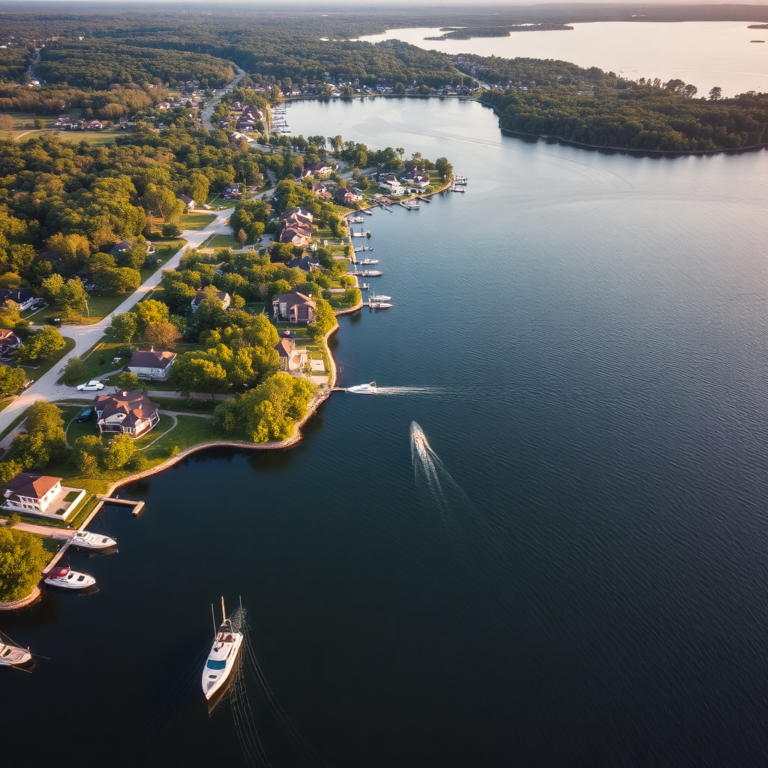
An off water home is a residence designed to operate independently without reliance on municipal water systems, yet it is located near natural water sources like rivers, lakes, or wells. These homes typically use alternative water collection and management techniques such as rainwater harvesting, well pumping, or natural filtration systems to meet their water needs.
Living in an off water home matters for those seeking autonomy from public utilities and a closer connection to their natural environment. This setup can reduce reliance on centralized infrastructure, lower water bills, and provide water security where traditional municipal networks are unavailable or unreliable. Off water homes also appeal to eco-conscious homeowners who prioritize sustainable and self-reliant living.
This article explores the essential aspects of off water homes including typical water sourcing methods, plumbing and filtration systems, legal considerations, and lifestyle adjustments. We'll cover how to maintain water quality and balance comfort with independence, helping you decide if an off water home could be the right choice.
Water Sources for Off Water Homes

Natural Surface Water Utilization
Homes located near lakes, rivers, or streams can draw water directly from these sources. Extraction often involves pumps or gravity-fed systems that channel water into holding tanks. Since surface water can carry contaminants and sediments, filtration and treatment are necessary before household use.
Surface water use varies by season and weather, impacting availability. Homeowners must design systems with storage capacity and backup supply strategies to handle dry periods or freezes that may interrupt water access.
- Uses local river, lake, or stream
- Requires pumps or gravity feed
- Needs filtration and treatment
- Seasonal variability affects supply
Groundwater Wells
Drilled wells tapping into underground aquifers offer a more stable water supply than surface sources. Pumps lift water for distribution throughout the home. Well water often has fewer biological contaminants but may need testing and specific mineral balancing.
Maintaining wellheads, checking for contamination risks such as nearby septic systems, and regular water testing are vital practices for off water home owners depending on groundwater.
- Consistent supply from aquifers
- Pump-based water delivery
- Regular testing and maintenance required
Water Treatment and Filtration Systems

Filtration Techniques
Common filtration methods include sediment filters to remove particles, activated carbon to reduce chemicals and odors, and UV sterilizers to kill bacteria and viruses. Combining these creates a robust multi-stage system suited for varying water qualities.
Selecting appropriate filters depends on source water analysis. Many off water homes use portable or modular systems to adapt filtration depending on source changes over time.
- Sediment filtration for debris
- Activated carbon for chemicals
- UV light for sterilization
- Modular setups for flexibility
For more on this, see our related guide: How to Finance a Vacation Home: A Practical Guide for Buyers.
Water Softening and Mineral Adjustment
Some groundwater contains high mineral content, making water hard and less desirable for daily use. Water softeners or reverse osmosis systems reduce hardness, improving taste and protecting plumbing.
Balancing mineral levels can also ensure water's nutritional qualities remain intact while preventing scale buildup in appliances and water pipes.
- Softening to remove hardness
- Reverse osmosis for thorough purification
- Protects plumbing and appliances
Legal and Regulatory Considerations

Water Rights and Permits
Off water homeowners must be aware of local water laws governing surface water extraction and groundwater use. Securing permits or water rights is often mandatory to legally harvest water from natural sources.
Because regulations vary widely by region, consulting local authorities before installation ensures compliance and avoids penalties.
- Check local water rights
- Obtain necessary permits
- Understand regional regulations
Environmental Impact and Conservation
Responsible water use includes managing draw-down rates to avoid depleting resources and minimizing ecological disturbance. Sustainable practices such as rainwater harvesting and water recycling complement off water living by reducing pressure on natural sources.
Conservation also helps maintain the home’s long-term water supply viability, balancing autonomy with environmental stewardship.
- Monitor water source levels
- Use sustainable harvesting methods
- Practice water recycling and conservation
Off Water Home Plumbing and Storage Solutions
Storage Tank Options and Sizing
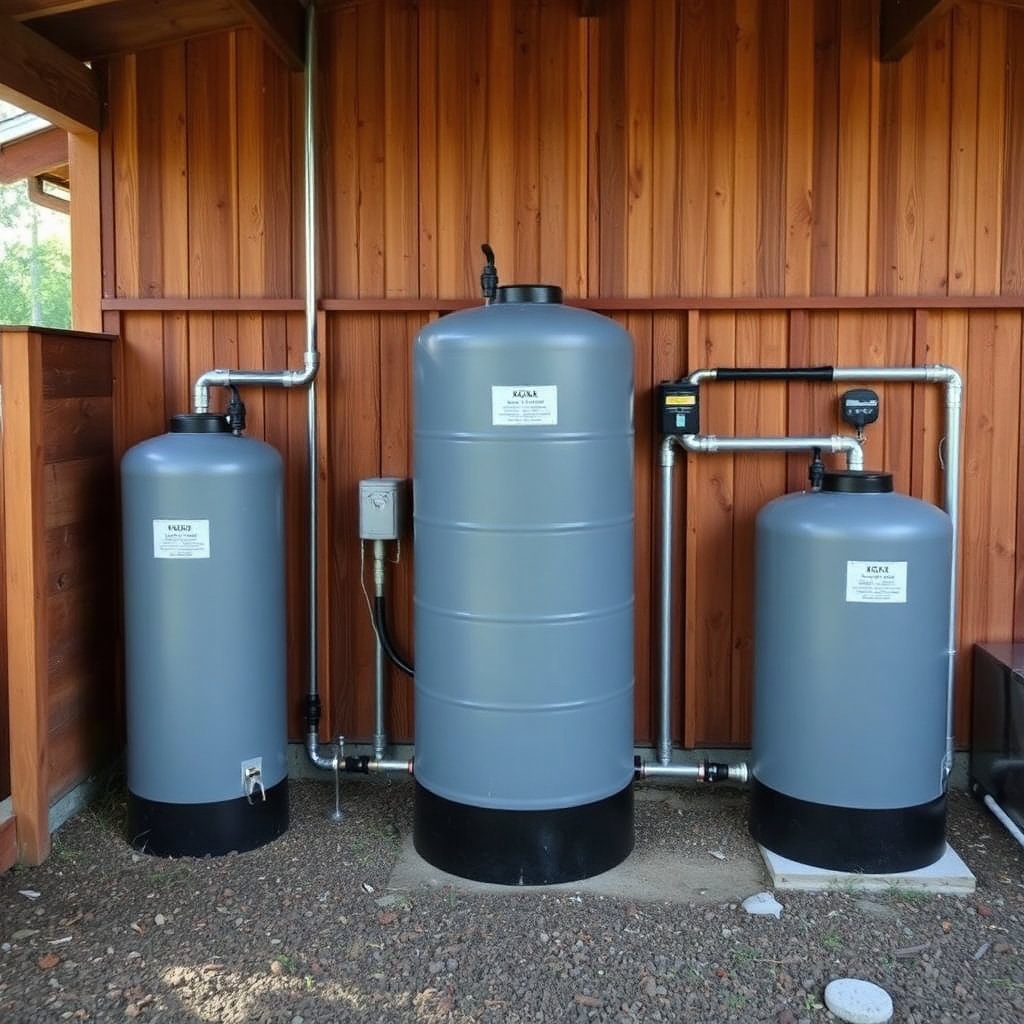
Water is typically stored in large tanks made of polyethylene, fiberglass, or metal to provide a reserve during supply interruptions. The tank size depends on home water demand, local weather patterns, and source reliability.
Proper tank placement and insulation prevent freezing and contamination, while access points simplify maintenance and cleaning.
- Polyethylene, fiberglass, or metal tanks
- Sizing based on consumption and supply
- Insulated and strategically placed
For more on this, see our related guide: Can You Write Off a Lake House? Understanding Tax Deductions for Vacation Properties.
Off-Grid Plumbing Considerations
Plumbing in off water homes often includes pressure pumps, backup gravity systems, and valves to control flow from multiple sources. Pipe material choice is important to resist corrosion and freezing.
A well-designed system maintains consistent water pressure and allows easy switching between water sources without disruption.
- Pressure pumps and gravity-feed options
- Corrosion and freeze-resistant piping
- Valves and controls for source switching
Lifestyle Adjustments When Living Off Water

Water Conservation Techniques
Living off water encourages habits that reduce water waste such as shorter showers, reusing greywater for landscaping, and fixing leaks promptly. These behaviors extend the available supply and reduce the frequency of sourcing issues.
Installing low-flow fixtures and rainwater collection systems further aid conservation, aligning with the off-grid lifestyle's self-sufficiency goals.
- Short showers and leak monitoring
- Greywater reuse for irrigation
- Low-flow appliances and fixtures
For further insights on off-grid living and water systems, the Off-Grid Water Systems overview offers valuable background and technical information. Off-Grid Water Systems overview.
Maintenance and Monitoring Responsibilities
Off water homeowners take on ongoing tasks like water quality testing, filter replacement, and system inspections. Early detection of problems is key to avoiding disruptions.
Technology such as remote sensors and automated alerts can simplify monitoring while manual checks maintain hands-on system knowledge.
- Regular water testing and filter changes
- System inspections and upkeep
- Use of sensors and alerts
Comparison of Off Water Home Water Supply Options
Here is a comparison of common water supply categories for off water homes, focusing on cost, reliability, and maintenance needs.
| Water Supply Type | Installation Cost | Reliability | Maintenance Frequency | Water Quality Control |
|---|---|---|---|---|
| Surface Water (Lake/River) | Medium | Variable – Seasonal | High | High (requires filtration) |
| Groundwater Well | High | High | Medium | Medium (regular testing) |
| Rainwater Harvesting | Low to Medium | Dependent on weather | Medium | High (filtration needed) |
| Combination Systems | High | High | High | High (multiple controls) |
Frequently Asked Questions
Can an off water home completely rely on rainwater?
Rainwater can supply an off water home but its availability varies by climate and season. A backup source or storage tank is usually necessary for consistent water supply.
Is off water living legal everywhere?
Legal restrictions on water usage vary significantly. Homeowners must check local regulations for water rights and permits before establishing an off water home.
How often should water systems in off water homes be tested?
Water quality testing is recommended at least twice a year, or more frequently if source conditions change or after repairs to ensure safe drinking water.
What are common contaminants in off water home sources?
Typical contaminants include sediment, bacteria, viruses, chemicals, and minerals depending on the source. Proper filtration and treatment systems address these effectively.
Do off water homes require special plumbing?
Yes, plumbing must accommodate pumps, pressure regulation, and multiple water sources. Durable, freeze-resistant materials help prevent issues in off-grid setups.
Key Takeaways
- An off water home uses natural water sources independently from municipal supplies.
- Water sourcing methods include surface water, groundwater wells, and rainwater harvesting.
- Filtration and treatment are essential to ensure water quality and safety.
- Understanding local water laws and conserving water are critical to successful off water living.
Conclusion
Choosing to live in an off water home means embracing a lifestyle that values independence, resourcefulness, and close interaction with the environment. Decision-making involves evaluating local water sources, infrastructure costs, and regulatory factors, alongside personal comfort and sustainability priorities. Balancing adequate water supply with effective treatment and storage strategies is key to a reliable off water living setup.
For those near reliable wells or surface water, investing in robust filtration and thoughtful plumbing provides dependable water access. Rainwater harvesting suits areas with frequent rainfall but often needs supplementary backup. Combining multiple sources enhances resilience and adapts better to seasonal changes or emergencies, offering a practical path for off water home living.
Prospective off water homeowners should start by testing local water sources and consulting authorities on legal requirements. Planning with attention to system design, maintenance needs, and conservation habits ensures long-term success. Moving toward an off water home represents a rewarding step toward water autonomy and sustainable living.