What Is a Main Channel Lot? Understanding Its Role in Real Estate
A main channel lot refers to a specific parcel of land that is located adjacent to or includes a primary water channel, such as a river or a major drainage way. This type of lot usually holds particular importance in real estate because its proximity to the main channel affects land use regulations, flood risk management, and development opportunities.
The main channel lot plays a vital role in urban planning and environmental management. Since it borders a waterway that carries significant water flow, authorities often impose special zoning rules or building restrictions to protect the channel's integrity and prevent flood damage. Buyers and developers must understand these factors, as they influence the lot's value and usability.
This article will explore what distinguishes a main channel lot from other land parcels, the regulations surrounding such properties, the benefits and challenges of owning one, and practical tips for purchasing or developing on these lots. By the end, you will have a clear grasp of what a main channel lot entails and its implications in land development.
Defining the Characteristics of a Main Channel Lot
Understanding Main Channel Boundaries and Geography
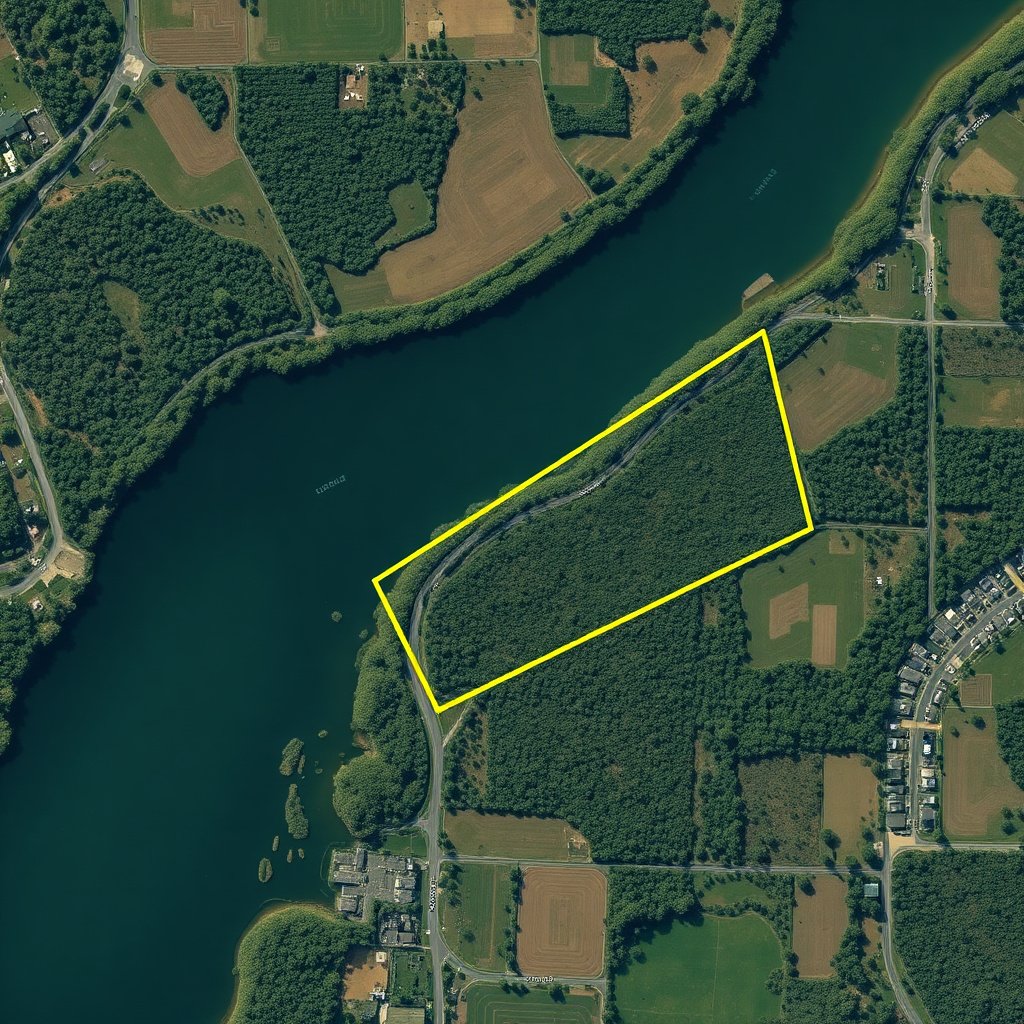
A main channel lot is characterized by its direct adjacency to a river, stream, or drainage channel considered primary for water flow in an area. The boundary typically follows the defined edge of the main channel, marking where the waterway begins to influence land conditions significantly.
Geographically, these lots may include floodplains or buffer zones, which dictate how the land can be used. The lot often requires evaluations like hydrological studies to ensure construction or land use complies with environmental standards.
Differentiating Main Channel Lots from Infill or Secondary Lots
Unlike infill lots located within established urban areas away from major watercourses, main channel lots are specifically tied to natural or engineered waterways. They typically face stronger development constraints due to flood risk and environmental preservation efforts.
Secondary lots adjacent to smaller drainage ditches or minor streams do not usually carry the designation of main channel lots and are subject to less stringent controls, making them easier to develop but potentially less environmentally sensitive.
Regulatory and Environmental Factors Affecting Main Channel Lots

Zoning and Floodplain Management Responsibilities
Local governments impose special zoning regulations on main channel lots to limit construction in flood-prone areas. These include setback requirements from the water’s edge and restrictions on building elevations to reduce flood damage risks.
Environmental agencies often require permits before any development to ensure water quality and habitat protection. Compliance with regional floodplain management plans is mandatory to preserve the function of the main channel.
- Setback distances mandated by municipal codes
- Elevated foundation requirements
- Permit requirements for grading or filling
Impact on Land Use and Development Potential
The presence of a main channel on a lot means that certain land uses, such as industrial or dense residential, might be prohibited or modified. Owners might need to incorporate green infrastructure or open space elements to meet environmental standards.
This can affect property values positively or negatively depending on the balance between the scenic and ecological benefits of water access versus restrictions on development density.
Benefits of Owning a Main Channel Lot

Scenic and Recreational Advantages
A main channel lot offers natural water views which can increase the aesthetic appeal and recreational use, such as fishing, boating, or bird watching. This can be a unique selling point for residential or commercial developments targeting lifestyle amenities.
Properties near main channels may attract buyers who value natural settings and water access, potentially enhancing market demand and long-term investment returns.
For more on this, see our related guide: How to Sell a Lake Lot: A Practical Guide for Property Owners.
Ecological and Environmental Value
Main channel lots often serve as critical zones for wildlife habitat and natural water filtration. Owning such land contributes to preserving biodiversity and maintaining water quality in the broader ecosystem.
Some landowners can benefit from conservation incentives, tax breaks, or grants aimed at protecting riparian zones along main channels.
Challenges and Risks Associated with Main Channel Lots
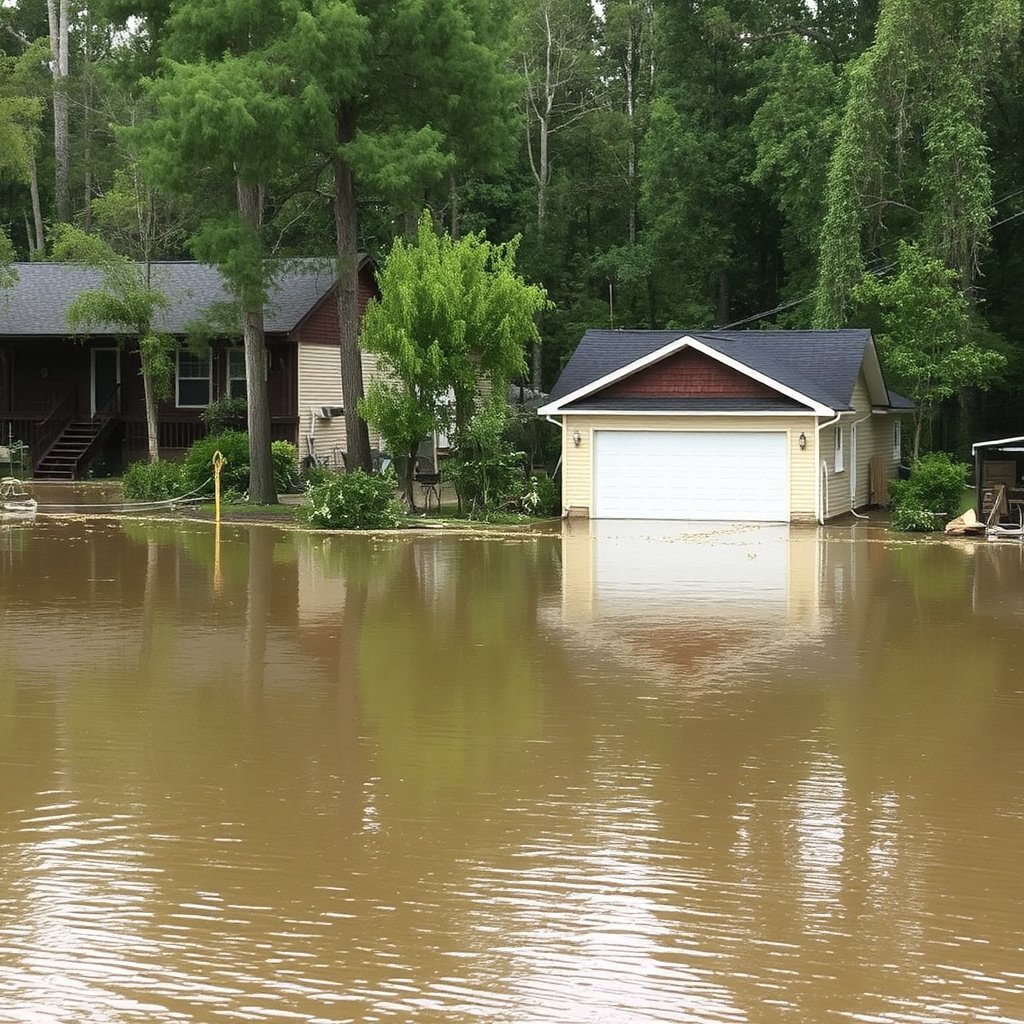
Flood Risk and Insurance Requirements
Main channel lots are at higher risk for flooding, especially during heavy rain or snowmelt events. This exposure requires owners to carry specific flood insurance, which can be costly and affect property affordability.
Mitigation measures such as elevating structures or installing flood barriers are often needed, increasing upfront expenses and maintenance costs.
- Higher insurance premiums
- Mandatory flood-proofing construction methods
- Possible restrictions on basement or underground structures
Development Limitations and Increased Permitting
Building on main channel lots demands navigating more complex permitting processes involving environmental impact assessments and coordination with multiple agencies.
The restrictions may delay projects, raise costs, and require compromise on design or land use plans to protect the main channel’s health and stability.
Evaluating a Main Channel Lot for Purchase or Development

Key Factors to Inspect and Research
Prospective buyers should assess flood history, topography, soil stability, and existing zoning regulations related to the main channel lot. Consulting hydrologists or environmental engineers can clarify risks and allowable uses.
Reviewing local planning documents and floodplain maps is critical to understanding development constraints and potential future changes in regulations.
- Flood zone classification
- Soil quality and drainage capacity
- Ownership history and easements
For more on this, see our related guide: Lake of the Ozarks Depth: What You Need to Know.
Working with Professionals for Due Diligence
Engaging land surveyors, environmental consultants, and legal experts helps ensure all technical and regulatory aspects are addressed before finalizing a deal on a main channel lot.
Professional assessments can identify hidden risks or opportunities, such as eligible grants for conservation or necessary mitigation investments.
Maintaining and Enhancing a Main Channel Lot
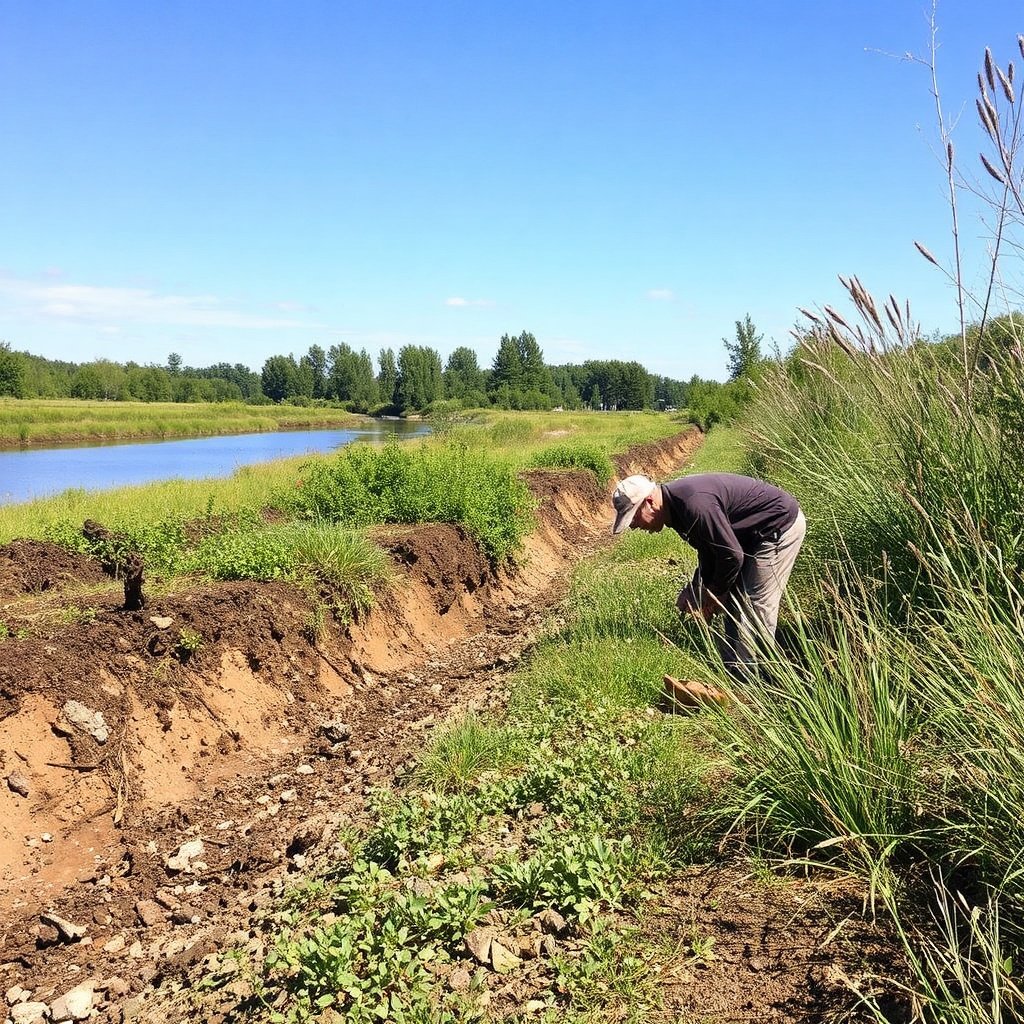
Best Practices in Erosion Control and Vegetation
Maintaining native vegetation buffers along the water channel helps stabilize soil, reduce erosion, and filter pollutants entering the waterway.
Landowners might implement rip-rap or bioengineering techniques to protect vulnerable banks while complying with environmental standards.
- Planting deep-rooted native plants
- Using natural materials for bank reinforcement
- Avoiding excessive land disturbance near the channel
For additional information about land areas adjacent to water channels, consult the detailed Riparian zone article. Riparian zone on Wikipedia.
Balancing Land Use With Environmental Protection
Adopting sustainable land management practices includes limiting impervious surfaces, managing stormwater onsite, and preserving open space to balance property use with main channel health.
Land stewardship plans can help meet regulatory demands and improve the lot’s long-term viability and community value.
Main Channel Lot Types and Development Suitability Comparison
This table compares common categories of main channel lots based on typical flood risk, development constraints, recreational value, and price range.
| Type | Flood Risk Level | Development Restrictions | Recreational Potential | Typical Price Range |
|---|---|---|---|---|
| Urban Riverfront Lot | Moderate to High | Strict zoning and building codes | High – walking trails, boating access | $150,000 – $500,000 |
| Rural Floodplain Lot | High | Limited to low-density or open space uses | Moderate – fishing, wildlife watching | $50,000 – $200,000 |
| Engineered Drainage Channel Lot | Low to Moderate | Moderate restrictions; stormwater management required | Low to Moderate | $80,000 – $300,000 |
| Protected Wetland-adjacent Lot | High | Very limited development; conservation easements common | Low – primarily ecological value | $30,000 – $150,000 |
Frequently Asked Questions
How does the main channel lot affect flood insurance requirements?
Main channel lots often lie within flood zones requiring specialized flood insurance, which can be more expensive than standard policies due to higher risk of flooding.
Can I build any type of structure on a main channel lot?
Construction on main channel lots is subject to regulations that may limit structure types, elevation, and placement to minimize flood damage and environmental impact.
Are main channel lots more valuable than other parcels?
Value depends on factors like location, restrictions, and water access; while water proximity can raise appeal, development limits may reduce overall value.
What are common environmental concerns with main channel lots?
Key concerns include erosion, habitat disruption, water pollution, and maintaining natural floodplain functions to protect downstream areas.
Who should I consult before buying a main channel lot?
Hire professionals such as environmental consultants, land use planners, and surveyors to evaluate the lot’s risks, restrictions, and potential.
Key Takeaways
- A main channel lot borders a primary waterway impacting land use and development.
- Zoning and flood regulations heavily influence construction and property value.
- Owning such a lot offers scenic benefits but comes with flood risk and limitations.
- Professional assessment is essential before purchasing or developing these lots.
Conclusion
When evaluating a main channel lot, prospective owners should weigh the balance between its natural advantages and regulatory challenges. The core decision involves understanding how proximity to a significant water channel influences flood risk, environmental restrictions, and the long-term viability of development or land use. Gathering precise information about zoning, floodplain classifications, and environmental protections sets a solid foundation for making an informed choice about such a property.
Different categories of main channel lots cater to various needs: urban riverfront parcels often combine high recreational and market appeal but carry strict building controls; rural floodplain lots emphasize conservation with limited development potential but lower costs; and engineered drainage lots strike a middle ground with moderate restrictions aimed at stormwater management. Buyers seeking a blend of aesthetic and practical use might focus on urban lots with manageable setbacks and floodproofing, while conservation-minded purchasers may prefer protected wetland-adjacent parcels.
Ultimately, the best step before acquiring or developing a main channel lot is consulting experienced professionals who can evaluate site-specific risks and regulations. From hydrologists to land planners, these experts provide clarity that can prevent costly mistakes and help owners optimize their property's value without compromising environmental responsibilities. Research, due diligence, and tailored planning remain crucial to successfully owning and utilizing a main channel lot.