How Much Do You Need to Buy a Lake House? A Detailed Financial Guide
The amount you need to buy a lake house depends on several factors including location, size, condition, and amenities, but generally, prices can range from $200,000 to over $1 million. Knowing your budget upfront is essential to confidently move forward without surprises. Lakefront properties often command a premium price compared to inland homes because of their scenic views and recreational access.
Owning a lake house can be a rewarding investment both for personal enjoyment and potential rental income. However, understanding the full scope of costs—including purchase price, taxes, maintenance, and insurance—is vital to avoid financial strain. Local market conditions also significantly sway pricing, with popular recreational areas tending to have the highest price tags.
This guide will break down what it typically costs to buy a lake house, what ongoing expenses you should expect, how financing options affect your total budget, and tips for evaluating properties to make a sound purchase. By the end, you’ll have a clear picture of the financial commitment involved in buying a lake house.
Understanding Lake House Prices and Market Variability
Factors That Influence Lake House Prices
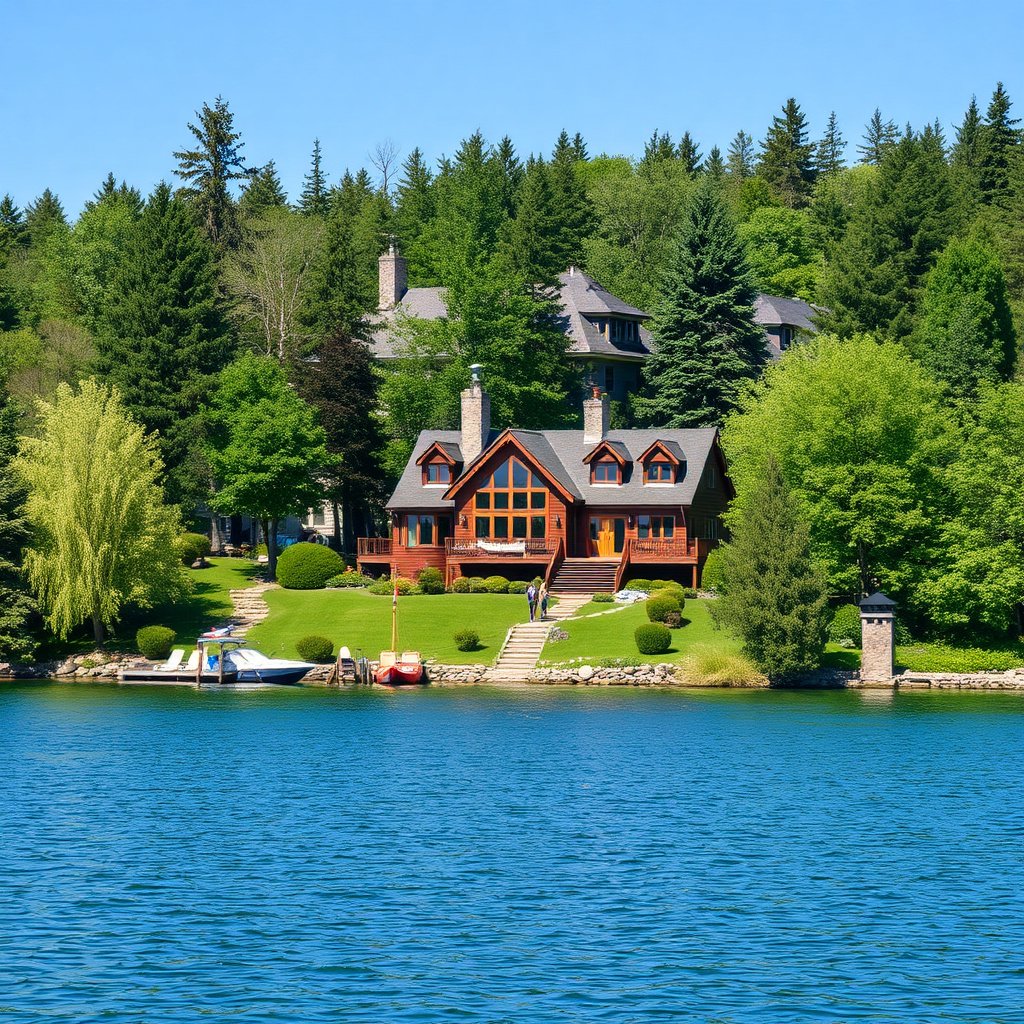
Lake house prices fluctuate based on location, size, and accessibility. Proximity to major cities, water quality, and community amenities can raise prices. Properties on popular lakes with boating and fishing access will generally cost more. Additionally, state and county regulations and property scarcity also shape market values.
Older properties with less maintenance or fewer modern features tend to be priced lower but may require significant repairs. Newer builds or houses with amenities such as docks, private beaches, or panoramic views will come with a higher price tag that reflects lifestyle convenience.
- Location and lake popularity
- Property size and waterfront access
- Condition and age of the house
- Local real estate market trends
Price Range Examples Across Different Regions
In affordable regions like parts of the Midwest or South, lake houses may be found starting around $200,000 to $350,000 for moderate-sized, older cottages. Conversely, desirable areas like the Northeast, Pacific Northwest, or parts of Florida often see prices exceeding $700,000, sometimes reaching well over $1 million for luxury builds.
Knowing regional price ranges is important when setting your budget, as costs can vary widely by state and local demand. Suburban or rural lakes tend to be more affordable, while those closer to metropolitan areas typically come with premium pricing.
Financing a Lake House: What to Expect

Loan Options for Buying a Lake House
Lake houses often qualify as second homes or vacation properties, which means financing terms differ from primary residence mortgages. Down payments usually range from 10% to 25%, and interest rates might be higher. Conventional loans, jumbo loans, and sometimes specialized vacation property loans are common options.
Your credit score, debt-to-income ratio, and the property's appraisal value will influence loan approval and terms. It's crucial to consult with lenders familiar with vacation property financing to get preapproved and compare offers.
- Conventional mortgages
- Jumbo loans for high-priced homes
- Vacation home loans
- Down payment requirements
Additional Costs Beyond the Property Price
Closing costs on lake houses typically include appraisal fees, title insurance, legal fees, and possibly higher homeowner’s insurance, especially in flood-prone areas. Annual property taxes may also be elevated due to premium values and local tax rates.
Ongoing maintenance and repair expenses are significant on waterfront properties due to weather exposure, dock upkeep, and landscaping. Budgeting for these recurring costs is essential alongside mortgage payments.
- Closing and appraisal fees
- Homeowners and flood insurance
- Property taxes
- Maintenance and utilities
Evaluating Lake Houses: What Impacts Value and Cost

Condition and Renovation Needs
The structural integrity and interior condition heavily influence purchase price and future expenses. Older lake houses may require updates to plumbing, electrical systems, and HVAC, which add to total investment. Water damage and mold risk are common in waterfront homes and should be professionally inspected.
A thorough home inspection is vital to uncover hidden issues. Renovations like kitchen upgrades or dock construction can increase both enjoyment and property value but often require substantial capital.
For more on this, see our related guide: Can You Buy a Lake House with an FHA Loan? What You Need to Know.
Location and Accessibility Factors
Easier access to amenities such as roads, shopping, and medical facilities increases a lake house’s appeal and market value. Public versus private lake access can also affect cost, with private or gated communities usually pricing higher due to exclusivity.
Environmental factors like flood zones, shoreline erosion, and noise restrictions can impact usability and insurance costs, making location analysis a key step before purchase.
Ongoing Expenses and Long-Term Ownership Costs
Routine Maintenance and Repairs
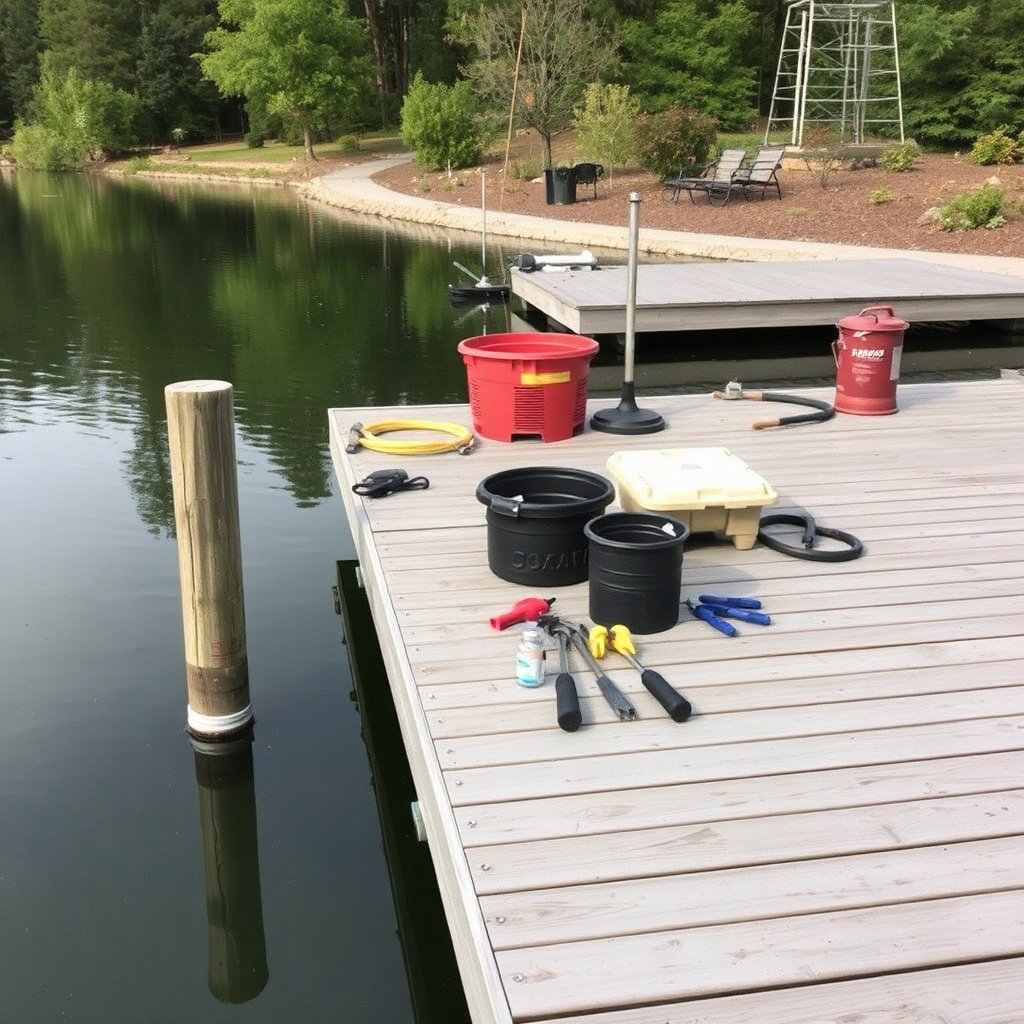
Waterfront homes face unique wear from moisture, pests, and weather changes requiring regular upkeep. Tasks include dock repairs, lawn care, and roof inspections. Water treatment and septic system management might be necessary depending on location.
Setting aside a maintenance budget of 1-3% of the home’s value annually can help cover unexpected expenses and preserve property condition.
- Dock and shoreline upkeep
- Seasonal landscaping
- Pest control
- Roof and exterior maintenance
Insurance and Property Tax Considerations
Insurance premiums for lake houses generally exceed typical home rates, especially in flood-prone or hurricane zones. Flood insurance is often required and can be costly. Property taxes on waterfront land reflect premium valuations and can substantially add to annual costs.
Working with a knowledgeable insurance agent ensures proper coverage for fire, liability, and natural hazards specific to lakefront living.
Benefits and Financial Advantages of Buying a Lake House

Lifestyle and Recreational Benefits
Beyond investment value, owning a lake house provides unparalleled access to water sports, fishing, and scenic relaxation. This lifestyle opportunity can greatly improve quality of life and create lasting family memories.
Many buyers find that weekend getaways and vacation rental income offset ownership costs while providing a personal retreat from urban living.
For more on this, see our related guide: Can You Buy a Lake House with No Realtor? A Practical Guide.
Potential for Appreciation and Rental Income
Lakefront properties historically hold value well and can appreciate faster than typical real estate, especially in high-demand areas. Renting out your lake house during unused periods can generate revenue to help cover mortgage and upkeep.
Researching local rental laws and demand is necessary if considering leasing, as regulations can vary widely.
- Higher property appreciation potential
- Vacation rental income opportunities
- Tax benefits on rental income
- Market-dependent rental demand
Tips for Negotiating and Closing on a Lake House

Effective Strategies for Negotiation
Start with a competitive offer based on thorough market analysis and property condition. Be prepared to negotiate repair costs or closing timelines, especially if inspection reveals issues. Sellers often value quick or flexible closings.
Working with an agent who understands waterfront property negotiations can help you avoid common pitfalls and secure favorable terms.
To understand the unique characteristics of lake houses and their appeal, you can read more about the lake house concept on Wikipedia. lake house.
Final Steps Before Closing
Before finalizing the purchase, ensure all inspections are complete, permits and zoning conditions are verified, and financing is secured. Confirm insurance coverage is in place to prevent gaps after closing.
Review all closing documents carefully with legal counsel or your real estate professional to avoid surprises in fees or covenants.
Lake House Price Range Comparison by Region
Here's a quick overview comparing typical price ranges and financing options for lake houses across several U.S. regions to help frame your budget.
| Region | Average Price Range | Typical Down Payment | Common Loan Types |
|---|---|---|---|
| Midwest | $200,000 – $450,000 | 10% – 20% | Conventional, VA loans |
| Northeast | $500,000 – $1,200,000 | 20% – 25% | Jumbo, Conventional |
| Southeast | $300,000 – $700,000 | 10% – 20% | Conventional, FHA |
| Pacific Northwest | $600,000 – $1,500,000 | 20% – 25% | Jumbo, Conventional |
| Mountain West | $400,000 – $900,000 | 15% – 25% | Conventional, Jumbo |
Frequently Asked Questions
How much should I budget annually for lake house maintenance?
Budgeting about 1-3% of your lake house’s purchase price annually for maintenance helps cover routine repairs, dock upkeep, and weather-related wear typical of waterfront homes.
Can I get a mortgage for a lake house as a second home?
Yes, most lenders offer mortgages for lake houses classified as second homes, but expect higher down payments (often 10-25%) and stricter credit requirements than primary residences.
Are lake houses more expensive to insure?
Insurance for lake houses typically costs more due to flood and storm risks. Flood insurance is often required, especially if the property is in a flood zone, increasing premiums significantly.
What is the difference between a lake house and a vacation cabin?
A lake house specifically sits on or near a lake with water access, focusing on waterfront lifestyle, whereas a vacation cabin may be located in various natural settings and doesn't guarantee water proximity.
Is buying a lake house a good investment?
Lake houses can appreciate well and offer rental income opportunities, but their success as investments depends on location, market demand, and ongoing costs including maintenance and taxes.
Key Takeaways
- Lake house prices vary widely by region, size, and amenities, typically ranging from $200,000 to over $1 million.
- Financing a lake house requires larger down payments and possibly higher interest rates than primary home loans.
- Ongoing costs such as maintenance, insurance, and property taxes can add significantly to your budget.
- Thorough evaluation of condition, location, and local market conditions is essential to making a smart purchase.
Conclusion
Deciding how much you need to buy a lake house involves analyzing not just the purchase price but also the broader financial picture including financing terms, upkeep, and insurance. Consider the location, house condition, and lifestyle benefits against your budget and financial goals. A clear understanding of these elements will prevent surprises and promote a rewarding ownership experience. Carefully evaluating all costs and market factors prepares you for a smart investment in your lakeside property.
If you are looking for affordability, lake houses in the Midwest and Southeast offer attractive entry points, with prices often under $500,000 and workable down payments. For luxury and exclusivity with panoramic views and private water access, the Northeast and Pacific Northwest markets present options above $700,000. If your goal includes rental income, focus on high-demand recreational areas with strong vacation markets. Choosing the right financing strategy and collaborating with knowledgeable agents can simplify the process and protect your investment.
Ultimately, begin by researching local market prices and financing options to establish a realistic budget. Prioritize lake houses that match your lifestyle needs and financial capabilities, and engage professionals for inspections and negotiations. This approach ensures your lake house purchase offers personal enjoyment, potential financial benefits, and peace of mind for years to come.


One Comment