Do You Need a Home Inspection to Buy a House? What Buyers Should Know
Yes, a home inspection is typically necessary when buying a house because it reveals the property's condition and potential issues that affect safety and value. While not legally required everywhere, most lenders and buyers consider it an essential step before finalizing a purchase.
Home inspections help buyers avoid costly surprises like structural damage, electrical problems, or plumbing issues. They provide a detailed report that supports informed negotiations with sellers and ensures the property fits your budget and expectations. Skipping an inspection can lead to unexpected repair expenses or dangerous living conditions.
This article covers when and why you should get a home inspection, what an inspection involves, how to choose an inspector, what to expect from the process, and a comparison of inspection types. It will also answer FAQs and give key takeaways for a confident buying decision.
Why Getting a Home Inspection Matters When Buying a House

Protecting Yourself Financially
A home inspection helps identify underlying problems that could cost thousands in repairs later. By knowing these issues upfront, you can negotiate repairs, request price reductions, or even walk away from risky deals. This financial protection is invaluable for first-time buyers and seasoned homeowners alike.
Without an inspection, buyers often inherit hidden defects such as faulty wiring, mold growth, or foundation cracks, which could worsen over time and reduce your home's value. The inspection report equips you with knowledge so you avoid investing in a property with expensive surprises.
- Detects safety hazards
- Reveals costly repair needs
- Provides leverage in negotiations
Meeting Lending and Insurance Requirements
Many mortgage lenders require a home inspection before approving financing, especially for conventional loans. Insurers might also demand inspections to confirm the property meets safety standards. An inspection report often speeds approval and prevents coverage issues.
Failing to get an inspection can lead to loan delays or denials, as lenders see it as a risk. Even when not compulsory, providing a thorough inspection report reassures lenders and insurers about the property's condition.
- Common lender prerequisites
- Insurance eligibility benefits
- Avoid loan processing delays
What a Home Inspection Covers in Detail
Structural and Exterior Components
Inspectors assess the foundation, walls, roof, windows, and doors for signs of damage, wear, or water intrusion. They look for cracks, leaks, wood rot, and roofing issues that could indicate serious problems or costly repairs ahead.
The exterior inspection also includes checking porches, decks, gutters, and drainage to ensure the property protects well against weather and structural degradation.
- Foundation stability and cracks
- Roof shingles and flashings
- Water damage and drainage problems
Systems and Safety Features
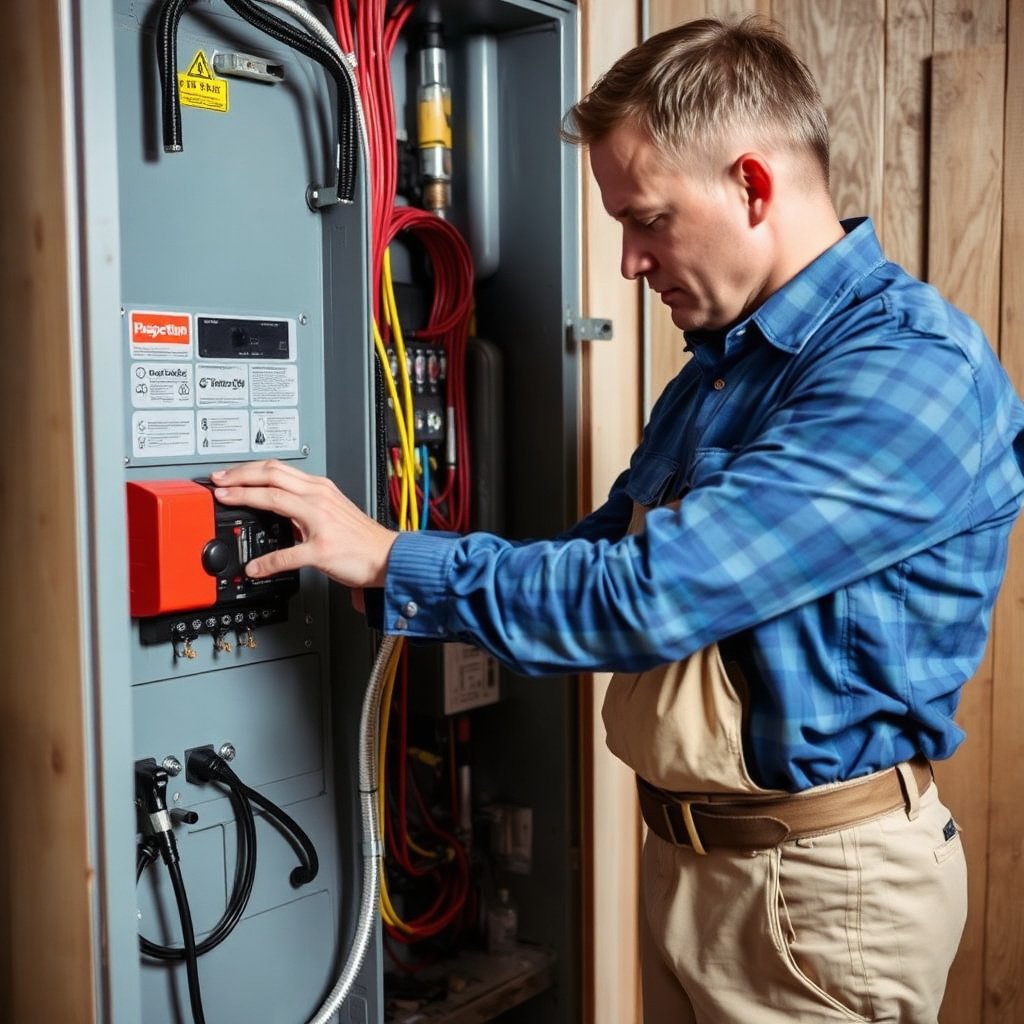
The inspection covers electrical wiring, plumbing pipes, heating and cooling systems, and appliances to verify proper operation and safety. Inspectors test outlets, look for leaks, and examine furnaces or air conditioners for maintenance needs.
They also check smoke detectors, carbon monoxide alarms, and fire exits to ensure the home meets basic safety codes, reducing risks after you move in.
- Electrical panel and outlets
- Plumbing system integrity
- HVAC functioning and safety checks
How to Choose the Right Home Inspector

Qualifications and Credentials to Look For
Seek inspectors certified by reputable organizations like the American Society of Home Inspectors (ASHI) or International Association of Certified Home Inspectors (InterNACHI). Certifications indicate training, experience, and adherence to industry standards.
Licensed inspectors carry liability insurance for protection. Checking online reviews and asking for references also helps identify trustworthy professionals with thorough reporting styles.
- ASHI or InterNACHI certification
- State licensing where applicable
- Positive client reviews and referrals
Understanding Inspection Costs and Services
Home inspection prices vary by location and home size, typically ranging from $300 to $600. Confirm what the inspection covers, including how comprehensive the report will be and if additional services like radon or pest testing are available.
Transparent pricing and clarity about the process are good signs. Don't choose solely on cost—quality and detailed feedback matter most.
- Average price ranges
- Optional add-on inspections
- Clear explanation of services
The Home Inspection Process Explained

What to Expect During the Inspection
The inspection typically takes 2 to 4 hours for a standard single-family home. The inspector examines all accessible areas, from the basement to the attic, testing systems and noting defects. Buyers are encouraged to attend to observe and ask questions.
The inspector avoids invasive actions like tearing walls but uses specialized tools such as moisture meters or electrical testers to uncover hidden issues.
Interpreting the Inspection Report
After the inspection, you receive a detailed, often digital, report outlining findings with photos and recommendations. This document highlights urgent repairs, maintenance tips, and overall condition assessments.
Use the report as a negotiation tool with sellers or to prioritize repairs once you own the home. Clarify any confusing points by contacting the inspector or your real estate agent.
Other Types of Inspections to Consider Alongside a Home Inspection

Specialized Inspections for Specific Risks
Beyond a general home inspection, buyers might order specialized tests for radon, pests, mold, or sewer lines depending on the area's risks and the home's history. These focus on health hazards or hidden damage not covered in the standard check.
For example, radon inspections measure dangerous gas levels, while pest inspections reveal termite infestations that threaten wood structures.
- Radon gas testing
- Termite and pest inspections
- Mold presence assessment
For a detailed explanation of what a home inspection involves, you can visit the Wikipedia page on home inspection. home inspection.
When to Schedule Additional Inspections
Discuss with your inspector or real estate agent about additional inspections early in your buying process to fit scheduling and negotiations smoothly. Some add-ons may require separate appointments or specialized technicians.
Extra inspections are more common for older homes or those located in regions prone to specific environmental hazards.
Types of Home Inspections Comparison
Here’s an overview of common home inspection types, highlighting their focus, typical cost, and turnaround time to guide your choice.
| Inspection Type | Focus Area | Typical Cost | Report Delivery Time |
|---|---|---|---|
| General Home Inspection | Structure, systems, safety | $300-$600 | 24-48 hours |
| Radon Inspection | Radon gas levels | $100-$200 | 48-72 hours |
| Pest Inspection | Termites and pests | $75-$200 | 24-48 hours |
| Mold Inspection | Mold presence and damage | $300-$500 | 48-72 hours |
| Sewer Line Inspection | Underground sewer pipes | $150-$300 | 24-48 hours |
Frequently Asked Questions
Is a home inspection mandatory when buying a house?
A home inspection is not legally required but is highly recommended. Many lenders require it to approve loans. It helps you understand the property’s condition and avoid costly problems later.
Can I attend the home inspection?
Yes, buyers are encouraged to attend so they can see issues firsthand, ask questions, and get a clearer understanding of the home's condition.
What if the inspection uncovers major issues?
You can negotiate with the seller to fix the problems, reduce the price, or sometimes back out of the deal if the issues are too serious.
How long does a typical home inspection take?
Most inspections last between 2 and 4 hours, depending on the home’s size and age.
Are additional inspections necessary?
Additional inspections like radon or pest checks depend on location, home age, and your concerns. They provide extra safety and health information.
Key Takeaways
- A home inspection is vital for uncovering hidden defects before buying.
- Choose certified inspectors for thorough, reliable evaluations.
- Inspection reports help negotiate repairs or price with sellers.
- Consider extra inspections for radon, pests, or mold based on risks.
Conclusion
Buying a house without a home inspection leaves you vulnerable to unexpected and costly repairs. This inspection provides a factual condition assessment covering a property’s structure, systems, and safety features, helping you decide if the home matches your needs and budget. Balancing your risk tolerance with thorough knowledge from a skilled inspector strengthens your position in negotiations and final purchase choices.
For example, if a general home inspection reveals foundational concerns or water damage, factoring in repair costs is essential before proceeding. In areas prone to radon or termite problems, specialized inspections can add peace of mind. Whether buying a brand-new build or an older property, the right combination of inspections supports smarter decisions tailored to your priorities and property history.
If you’re preparing to buy a house, start by hiring a certified home inspector with good reviews who offers a detailed report. Attend the inspection to ask questions and fully understand findings. Use the inspection results as a key resource in your purchase process to secure a safe and problem-free home.



One Comment