Is a Lake House a Good Retirement Home? Pros and Cons Explained
A lake house can be a good retirement home if you value peaceful natural surroundings, recreational water activities, and a slower pace of life. Many retirees find that living near water improves their quality of life, offering scenic views and tranquility that enhance everyday living. However, the suitability depends on personal preferences, health needs, and budget considerations.
Retirement marks a significant lifestyle change where comfort and environment play key roles. Choosing a home by a lake provides access to fishing, boating, and peaceful nature walks, which can improve physical and mental well-being. On the other hand, it might involve maintenance challenges and seasonal accessibility issues that affect convenience and safety for retirees.
This article will explore the key benefits and drawbacks of making a lake house your retirement home. We will cover topics like lifestyle advantages, financial considerations, accessibility, and essential factors to help you decide if lakeside living fits your retirement dreams.
Lifestyle Benefits of Choosing a Lake House for Retirement

Natural Environment and Mental Well-being
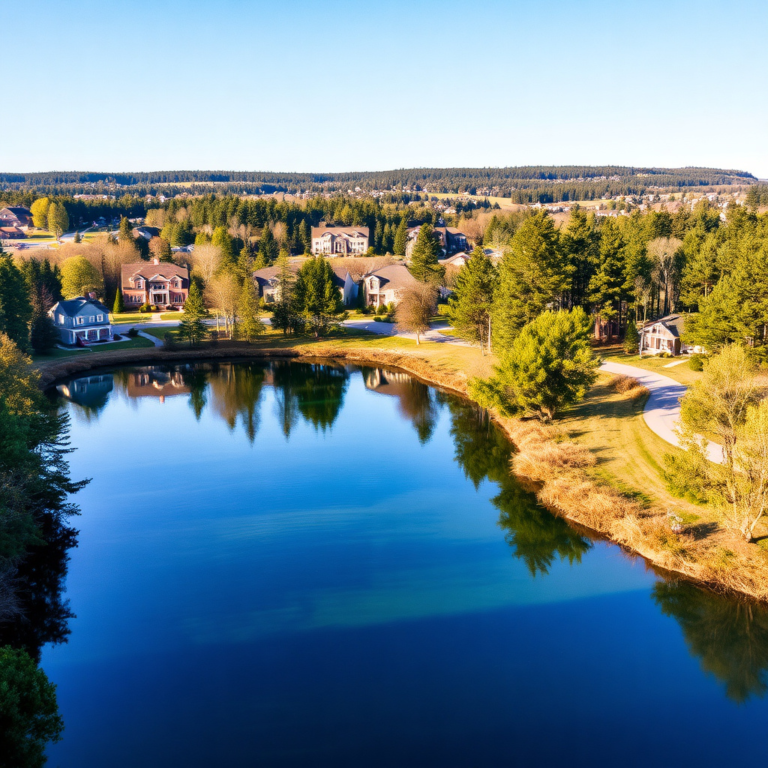
Living by a lake offers calming water views and a connection to nature that can reduce stress and improve mental health during retirement. Many retirees report feeling more relaxed and rejuvenated with the soothing sights and sounds of water, which foster a positive outlook on life.
The availability of outdoor activities like bird watching, kayaking, and hiking further supports mental wellness by encouraging regular movement and social interaction in a beautiful setting.
Recreational Activities and Social Opportunities
A lake house retirement lifestyle often includes easy access to swimming, fishing, boating, and water sports. These activities keep retirees physically active and engaged, which are key factors in healthy aging.
Lakeside communities tend to host social clubs, events, and shared amenities that encourage friendship and community participation, reducing feelings of isolation.
- Swimming and fishing
- Boating and kayaking
- Community events
- Nature trails
Financial Considerations for Retiring in a Lake House

Cost of Maintenance and Property Taxes
Lake houses often demand higher maintenance costs due to exposure to humidity, lakeside erosion, and potential flooding. Regular upkeep like dock repairs, lawn care near water bodies, and pest control can result in added expenses compared to inland homes.
Additionally, property taxes might be higher in desirable lakefront areas, impacting overall retirement budgets, so factoring these ongoing costs is essential.
Insurance and Seasonal Utility Costs
Insurance premiums for lake houses can be elevated because of risks related to floods, storms, and water damage. Specialized policies are usually required to cover these hazards adequately.
Utilities may also vary by season; for example, heating and electricity costs might increase in winter if the home is not efficiently insulated or used year-round.
Accessibility and Safety Issues of Lake Houses in Retirement

Year-Round Access and Weather Challenges
Some lake houses are located in rural or remote areas where road access can be limited during winter months or severe weather. This may affect trips to medical appointments, groceries, or social visits, which is a critical factor for retirees.
Planning for reliable transportation and considering proximity to essential services is necessary when choosing a lakeside retirement home.
For more on this, see our related guide: How Much Down Payment for a Vacation Home Should You Budget?.
Emergency Services and Healthcare Proximity
Living near a lake can mean being farther from hospitals, emergency responders, and healthcare facilities, which might pose concerns for retirees with health sensitivities or mobility challenges.
Evaluating the time it takes to reach medical care and available local emergency services should be part of the decision to confirm safety and peace of mind.
How to Choose the Right Lake House for Your Retirement Goals

Evaluating Location and Community Amenities
When selecting a lake house, consider the community's size, diversity, and available amenities. Retirement-friendly features like golf courses, fitness centers, and social clubs enhance lifestyle options.
Research local infrastructure such as grocery stores, pharmacies, and cultural activities to ensure day-to-day convenience.
- Nearby healthcare facilities
- Recreational facilities
- Access to shops and dining
- Community safety services
Inspecting Home Features and Adaptability
Examine the lake house’s design to ensure it accommodates aging in place, including single-level living, walk-in showers, and minimal stairs.
Energy efficiency and storm-proofing features can also improve comfort and safety, as well as reduce ongoing costs.
- Single-floor layout
- Wide doorways
- Energy-efficient windows
- Durable roofing
Comparing Lake Houses to Other Retirement Home Options

Lake Houses vs Suburban Homes
Suburban homes often provide quicker access to medical facilities and social activities but may lack the natural tranquility of a lake house. In contrast, lake houses excel in scenic beauty but may require compromises in convenience.
Both options have different lifestyle appeals depending on how retirees prioritize peace, accessibility, and community.
For more on this, see our related guide: Is Lake Ozark a Good Place to Live? Honest Insights and Living Guide.
Lake Houses vs Retirement Communities
Retirement communities offer built-in services, social programs, and medical support, whereas lake houses provide more privacy and independence. The choice depends on a retiree’s desired balance between autonomy and available care.
Cost differences are also notable, with communities often charging monthly fees compared to variable maintenance on a lake house.
Preparing for Seasonal Changes and Weather Impacts on Lake House Living

Winterization and Off-Season Care
Retirees must prepare for colder months by winterizing the lake house to prevent pipe freezing and structural damage. Unoccupied homes may require regular visits or professional caretakers during off-season.
Seasonal care plans minimize damage and maintain property value while ensuring a comfortable return in warmer months.
For a broader overview of different retirement living arrangements and their features, see retirement housing options on Wikipedia. retirement housing options on Wikipedia.
Storm Preparedness and Flood Risk Management
Living beside a lake involves understanding flood risks and developing a plan for storms, including securing valuables and reinforcing structures.
Investing in flood barriers, sump pumps, and insurance policies tailored to water risks protects retirees' safety and investments.
- Flood insurance
- Emergency supply kits
- Evacuation routes
- Storm shutters
Retirement Home Options Comparison
This table compares various retirement home types, focusing on lifestyle, accessibility, cost, and maintenance factors to help guide your decision.
| Type | Cost | Accessibility | Lifestyle | Maintenance |
|---|---|---|---|---|
| Lake House | Medium to High | Moderate | Nature-focused, Relaxed | Higher due to weather exposure |
| Suburban Home | Medium | High | Community-oriented | Moderate |
| Urban Apartment | High | Very High | Convenient, Active | Low |
| Retirement Community | Varies (fees) | High | Social, Supportive | Included in fees |
| Country Cottage | Low to Medium | Low to Moderate | Quiet, Rural | Variable |
Frequently Asked Questions
Are lake houses more expensive to maintain than typical retirement homes?
Yes, lake houses often involve higher maintenance costs due to exposure to humidity, wildlife, and potential flood damage, requiring regular upkeep that can be more demanding than inland homes.
Is living in a lake house safe for seniors?
Safety depends on factors like proximity to emergency services, accessibility, and how well the home is maintained and adapted for aging in place. Evaluating these is key for safe senior living.
Do lake houses offer good investment value for retirement?
Lake houses can hold strong value due to location desirability but may fluctuate with weather risks and market demand. Proper maintenance and insurance help protect your investment.
How important is community in lake house retirement living?
Community presence varies, but many lake areas have active social groups and amenities promoting engagement, which is beneficial for retirees seeking social interaction and support.
What challenges might retirees face living at a lake house year-round?
Common challenges include seasonal weather impacts, isolation during off-peak months, limited access to healthcare, and increased upkeep requiring planning and support.
Key Takeaways
- Lake houses offer peaceful natural settings beneficial for mental and physical health.
- Maintenance, insurance, and accessibility costs can be higher than other retirement home options.
- Proximity to healthcare and emergency services is essential to assess for safety.
- Different retirement home types each have lifestyle and cost trade-offs to weigh carefully.
Conclusion
Deciding if a lake house is a good retirement home largely depends on personal priorities and lifestyle preferences. The peaceful environment and access to outdoor recreation appeal to many retirees, providing mental and physical benefits. However, practical factors like maintenance demands, seasonal accessibility, and proximity to medical care require thoughtful consideration. Balancing emotional benefits with logistical realities is crucial in making a choice that supports a satisfying retirement.
For retirees who value a relaxed, nature-focused lifestyle and don’t mind higher upkeep costs, a lake house can be an excellent fit. Those prioritizing convenience, social opportunities, and healthcare access might prefer suburban homes or retirement communities. This article's comparison of lake houses with other options and tips for evaluating location and home features aims to assist retirees in finding the right match for their needs and budgets.
If a lake house resonates with your retirement vision, start by researching local communities, visiting potential properties, and consulting with professionals on home adaptations and insurance. Including family input and planning for seasonal changes will also help create a safe, enjoyable lakeside retirement. Taking informed, personalized steps will lead to a home that truly enriches your retirement years.