Is It a Good Time to Sell a Lake House? Key Factors to Consider
Determining if it is a good time to sell a lake house depends on various market factors, including local real estate trends, demand for waterfront properties, and seasonal timing. Currently, many lake houses are attracting buyers seeking vacation homes and retreats, which can create a seller’s market, especially in regions where inventory is limited.
Selling a lake house requires an understanding of how market conditions, economic influences, and local buyer interest come into play. Seasonal cycles matter greatly—spring and summer months traditionally see more active buyers, while colder months can slow interest. Evaluating recent sales data in your area can give insight into whether prices are trending up or down.
This article will explore the main elements that influence the decision to sell your lake house now, including market timing, pricing strategies, necessary preparations for listing, and how to leverage current buyer behaviors. Whether you’re aiming for a quick sale or maximum return, these insights will help guide your choice.
Understanding Lake House Market Conditions
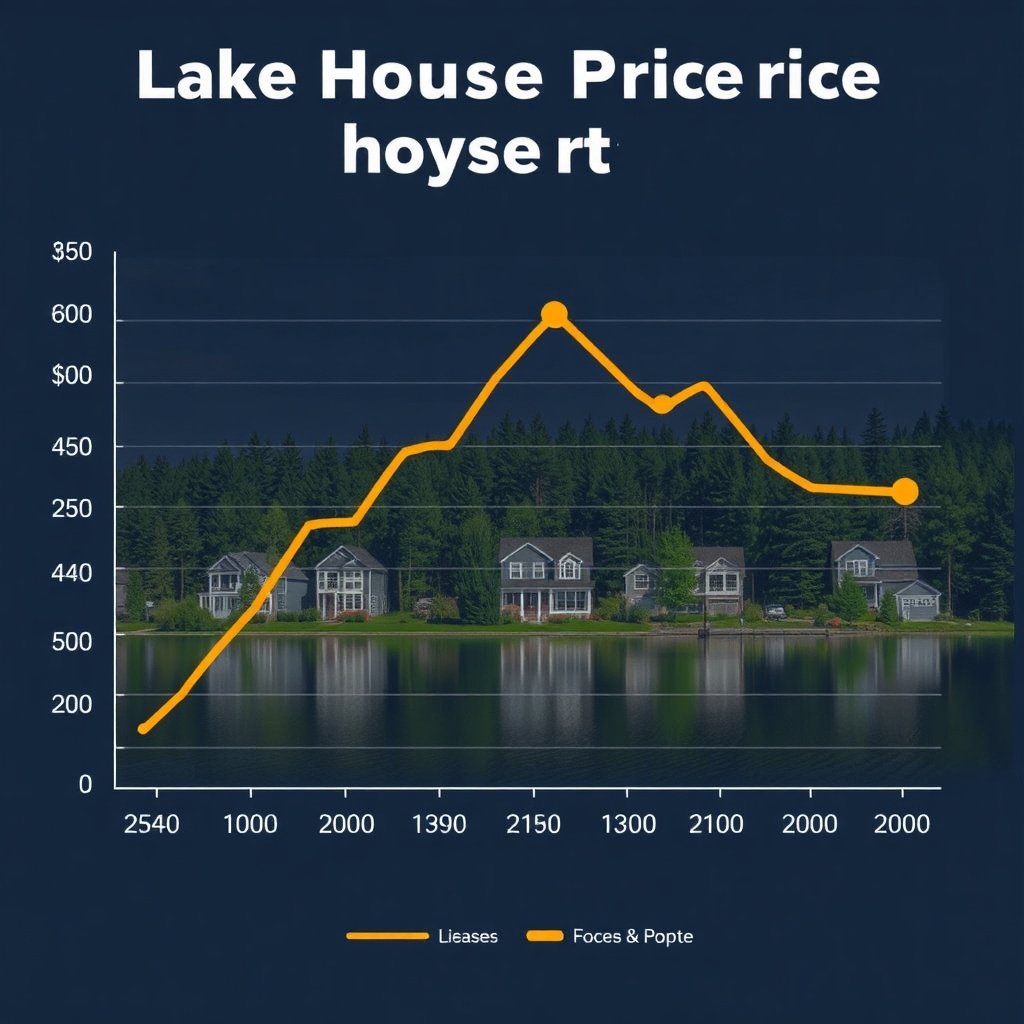
Current Real Estate Trends for Waterfront Properties
In many regions, lake houses have gained popularity due to increased demand for vacation and remote work-friendly homes. Limited supply of waterfront properties combined with growing buyer interest can raise prices and reduce listing times. Monitoring local real estate reports and trends can reveal whether market conditions favor sellers.
Economic factors like mortgage rates and local development also impact lake house prices. Low interest rates often encourage more buyers, which can make it a favorable time to sell. However, shifts in economic policies or increased taxes on property could affect demand negatively.
Seasonal Impact on Selling Lake Houses
Seasonality plays a crucial role in selling a lake house. Spring and summer typically bring more buyers interested in outdoor amenities and easy access to the water. Listings during this time often receive more attention and competitive offers, increasing chances for a faster, higher-value sale.
Conversely, fall and winter months may see reduced buyer traffic. However, some buyers searching off-season might be serious and less likely to negotiate prices aggressively. Timing your sale to align with peak seasons can help meet your selling goals.
Pricing Your Lake House Smartly

Setting a Competitive Listing Price
Proper pricing demands careful analysis of comparable sales, current market demand, and the unique features of your lake house. Overpricing risks long time on the market, while underpricing may leave money on the table. Utilizing a professional appraisal or consulting experienced agents can help balance these factors.
Adjustments for upgrades, view quality, lake accessibility, and local amenities should be included in your price calculations. Each aspect can significantly affect buyer willingness to pay a premium for your property.
- Use recent comparable sales
- Consider seasonal demand
- Factor in property upgrades
- Account for location advantages
When to Adjust Your Price
If your lake house is not attracting sufficient interest or offers, it may be time to reconsider your asking price. Monitoring feedback from showings and tracking days on market will inform whether adjustments are necessary.
Strategic price reductions, rather than drastic drops, can maintain buyer interest and convey confidence in your listing. Timing this well—especially near the height of buying seasons—can improve outcomes.
Preparing Your Lake House for Sale

Enhancing Curb Appeal and Outdoor Spaces
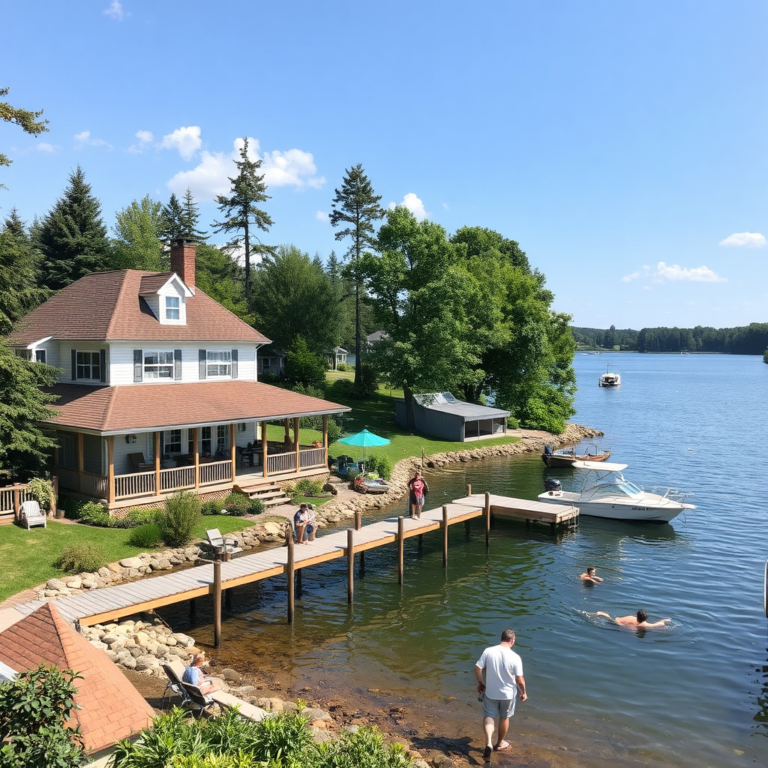
Because lake houses appeal largely through their outdoor setting, investing in landscaping, dock maintenance, and exterior cleaning can boost perceived value. A neat yard, trimmed shrubs, and inviting docks create attractive first impressions for buyers.
Repairing decking or adding subtle lighting in outdoor spaces enhances livability perception, helping differentiate from competing properties. Photos and virtual tours showcasing these improvements attract more potential buyers.
- Maintain docks and piers
- Landscape neatness
- Outdoor seating areas
- Exterior cleaning and repairs
For more on this, see our related guide: Is a Lake House Hard to Sell? Practical Insights for Sellers.
Interior Staging for Lake House Buyers
Inside the lake house, decluttering and staging can highlight its best features—such as large windows with lake views or cozy fireplaces. Neutral decor helps buyers envision themselves living there without distraction from personal items.
Repairs to kitchens, bathrooms, and flooring are worthwhile investments for strong buyer appeal. Photographs taken after staging can significantly improve online listing engagement.
- Declutter rooms
- Neutral color schemes
- Highlight views and natural light
- Fix minor interior defects
Marketing Strategies for Lake Houses

Utilizing Online Platforms and Virtual Tours
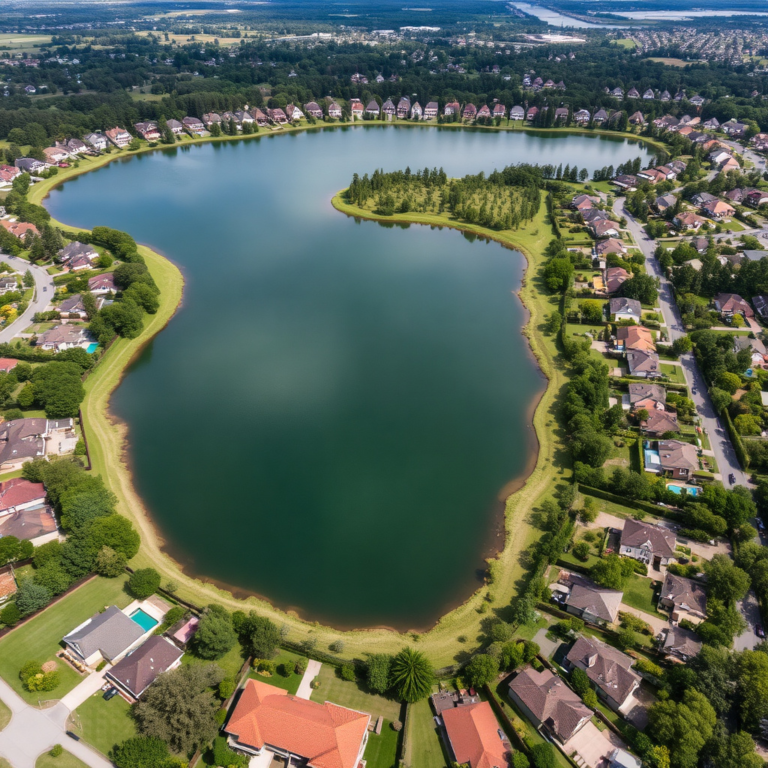
Most buyers begin their search online, making high-quality photos, detailed descriptions, and virtual tours essential. For lake houses, drone footage showing the property’s proximity to water can be a powerful draw.
Sharing listings on multiple platforms, including local real estate sites and social media, broadens reach to potential buyers. Emphasizing unique lakefront features in marketing copy appeals directly to target audiences.
- High-resolution photos
- Drone and virtual tours
- Social media promotion
- Multiple listing services (MLS)
Targeting the Right Buyer Demographics
Understanding who is most likely to buy—a vacation home seeker, a retiree, or a family looking for a weekend getaway—helps tailor marketing messages. Focusing on lifestyle perks like fishing, boating, and tranquility resonates strongly with these groups.
Local agents specializing in waterfront properties often have networks that can connect sellers with qualified buyers more quickly than general market channels.
Financial and Legal Considerations

Understanding Fees and Taxes When Selling
Selling a lake house entails several costs such as agent commissions, closing fees, and potential capital gains taxes. The latter depends on how long you’ve owned the property and your tax jurisdiction.
Budgeting for these expenses upfront helps set realistic net proceeds expectations. Consulting a tax professional about exemptions or deductions related to primary residences or investment properties can result in substantial savings.
For more on this, see our related guide: Exploring the Most Expensive Area of Lake of the Ozarks.
Legal Documentation and Disclosures
Accurate disclosure of property condition, including water quality, shoreline status, and any easements, is mandatory in most states. Ensuring all paperwork is organized and transparent helps avoid delays or disputes during closing.
If your lake house is part of a homeowners association or lake management district, additional governing rules or fees might require disclosure. Legal advice aids compliance and smooth transaction handling.
- Property condition disclosures
- Easements and land rights
- HOA or lake district rules
- Title and deed preparation
Timing the Sale of Your Lake House

When to List for Maximum Interest
Listing in late winter or early spring positions your lake house for peak buyer engagement during warmer months. This timing coincides with peak buyer readiness to view and purchase vacation homes.
Avoiding holiday seasons and periods of adverse weather lessens the risk of stalled interest. Early preparation of marketing materials can enable a timely launch when the market heats up.
For a more detailed overview of lake house characteristics and the market, consider reviewing the comprehensive information available in this lake house real estate basics resource. lake house real estate basics.
Considering Market Fluctuations and External Factors
Broader economic shifts or unexpected events—like interest rate changes or environmental issues affecting the lake—can change buyer sentiment quickly. Staying informed on such factors is advisable before deciding to sell.
Flexibility in timing and a readiness to adjust pricing or marketing based on evolving conditions often yields better sale outcomes.
Lake House Selling Options Comparison
This comparison highlights key aspects of different selling methods and scenarios for lake house owners to consider.
| Selling Method | Speed of Sale | Potential Sale Price | Effort Required | Typical Buyer |
|---|---|---|---|---|
| Traditional Real Estate Agent | Moderate | Market Value | High | Local and Out-of-State Buyers |
| For Sale By Owner (FSBO) | Variable | Potentially Lower | High | Direct Buyers |
| Auction Sale | Fast | Variable | Medium | Investors and Bargain Hunters |
| Cash Buyer Offers | Very Fast | Below Market | Low | Investors and Flippers |
| Seasonal Sale Timing (Spring/Summer) | Moderate | Market Value or Higher | Medium | Vacation Home Seekers |
Frequently Asked Questions
How does the season affect selling a lake house?
Spring and summer generally attract the most buyers for lake houses due to favorable weather and lifestyle appeal, leading to faster sales and often better prices compared to fall or winter.
Do I need a special real estate agent for selling a lake house?
Agents with experience in waterfront properties understand unique buyer expectations and can most effectively market and price your lake house.
What repairs should I prioritize before listing my lake house?
Focus on outdoor amenities like docks, landscaping, and structural repairs, as well as interior updates that highlight views and home functionality.
Are there additional taxes when selling a lake house?
Capital gains tax liability depends on ownership duration and primary residence status; consulting a tax professional is recommended for accurate guidance.
Is it better to sell a lake house through an auction?
Auctions can offer a quick sale but may fetch lower prices and attract investor buyers rather than traditional homeowners.
Key Takeaways
- Market demand and seasonal timing greatly influence lake house sale success.
- Proper pricing and staging enhance buyer interest and potential sale price.
- Marketing targeted to lake lifestyle buyers increases listing visibility.
- Understanding financial and legal factors prevents costly surprises.
Conclusion
Selling a lake house benefits from an informed approach that balances current market conditions with careful property preparation. Evaluating local demand, economic factors, and timing can help identify whether now is favorable. Analyzing comparable sales, seasonal buyer behaviors, and leveraging professional advice supports making a sound decision tailored to your situation. The lake house market's unique characteristics mean a strategic plan is necessary rather than a generic selling approach.
For sellers seeking full market value, listing during spring or early summer with an experienced agent focusing on waterfront properties is often the best route. Those needing a fast sale might consider cash buyers or auction sales, but expect possible lower returns. Investing in staging, repairs, and marketing specifically highlighting lake access and outdoor appeal usually attracts vacation home buyers willing to pay premium prices.
If you’re uncertain about timing, gathering data on recent sales in your area and consulting local real estate professionals can clarify current trends. Preparing your lake house well in advance can position it for successful sale during upcoming active seasons. Taking these steps thoughtfully allows you to capitalize on the unique appeal of your waterfront property and achieve a satisfying sale outcome.




2 Comments