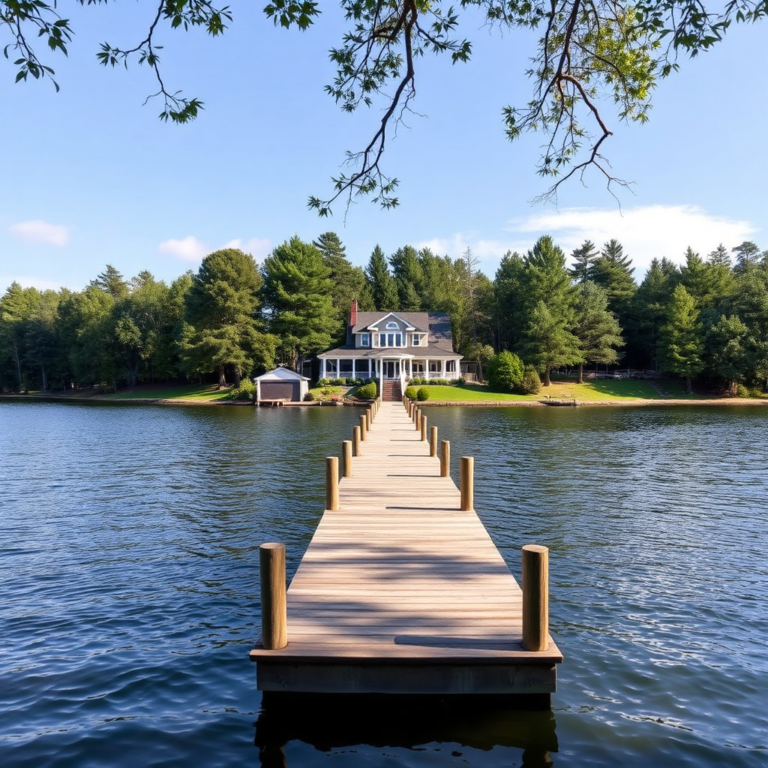
How to Maintain a Lake House: Essential Tips for Year-Round Care
Maintaining a lake house involves regular attention to both its structural integrity and the surrounding environment. Proper care helps prevent costly repairs and preserves your enjoyment of the property. Key tasks include managing moisture and humidity, inspecting the dock and shoreline, and addressing seasonal weather impacts to safeguard your investment effectively.
Lake houses face unique challenges due to their proximity to water, including increased exposure to humidity, potential flooding, and environmental wear on structures like docks and decks. Without consistent upkeep, these factors can quickly lead to damage and safety hazards.
This article covers how to maintain a lake house through targeted strategies including managing moisture levels, dock and shoreline maintenance, seasonal preparation, pest control, and landscaping. By following these guidelines, you can keep your lake house safe, comfortable, and visually appealing year-round.
Managing Moisture and Humidity in Your Lake House

Controlling Indoor Humidity Levels
Lake houses often experience elevated humidity due to their location near water. Excess moisture inside can cause mold, mildew, and wood rot, which compromise indoor air quality and structural soundness. Using dehumidifiers, running ventilation fans, and ensuring windows and doors seal properly helps keep humidity in check.
Regularly inspect areas prone to moisture buildup, such as basements, bathrooms, and kitchens. Installing vapor barriers and moisture-resistant insulation in these zones further protects against dampness and maintains a healthier indoor environment.
- Use dehumidifiers during humid months
- Ventilate bathrooms and kitchens effectively
- Seal window and door gaps
- Check for leaks around plumbing
Preventing Water Damage from Exterior Sources
Water intrusion from rain or lake flooding can damage foundations and exterior walls. Grading the land away from the house ensures runoff does not collect near the structure. Additionally, maintaining gutters and downspouts to channel water away prevents pooling around the foundation.
Installing sump pumps in basements or crawl spaces offers added protection against flooding, particularly during heavy rain or rising lake levels. Regularly inspect the roof and siding for cracks or loose materials that could allow water entry.
- Grade landscape to direct water flow away
- Clean gutters seasonally
- Inspect roof and siding annually
- Install sump pumps if needed
Dock and Shoreline Maintenance for Lakefront Properties

Inspecting and Repairing Your Dock
Your dock faces constant exposure to water, UV rays, and weather fluctuations, which may cause wood decay, loose boards, and rusted hardware. Conduct inspections every spring and fall to identify areas needing repair or replacement.
Use marine-grade sealants and stains to protect wooden docks from moisture damage. Tighten bolts and replace any corroded nails or metal pieces to maintain structural safety.
- Check boards for rot or splinters
- Apply waterproof sealant annually
- Replace rusted hardware promptly
- Ensure stability of dock pilings
For more on this, see our related guide: Is a Lake House Hard to Maintain? What You Need to Know.
Maintaining a Healthy Shoreline
The shoreline serves as both an aesthetic feature and a natural barrier against erosion. Planting native vegetation helps stabilize soil and reduce sediment runoff into the lake, preserving water quality.
Regularly remove debris and invasive plants while avoiding heavy machinery that compacts the soil. Consider natural erosion control methods like riprap or biodegradable mats for reinforced protection.
- Plant native grasses and shrubs
- Remove debris and invasive species
- Use riprap to prevent erosion
- Avoid soil compaction near water
Seasonal Preparation and Weatherproofing

Preparing Your Lake House for Winter
Winterizing your lake house is crucial if the property is left unoccupied during colder months. Drain outdoor plumbing lines, insulate pipes, and shut off water supply to prevent freezing and bursting.
Cover or store outdoor furniture and equipment, and install storm windows or insulating curtains to minimize heat loss. Clear gutters and downspouts of leaves to avoid ice dams forming on roofs.
- Drain and winterize plumbing
- Remove or cover outdoor furniture
- Install storm windows
- Clear gutters before snowfall
Getting Ready for Summer and Peak Season
Spring is an ideal time for an all-around inspection after winter’s wear and tear. Check HVAC systems and replace filters to ensure comfortable indoor air quality.
Clean and seal decks, restock pest control supplies, and refresh landscaping to enjoy a safe and welcoming environment for summer activities by the lake.
- Service HVAC and change filters
- Clean and seal wooden decks
- Inspect and restock pest treatments
- Refresh lawn and garden beds
Pest Control and Wildlife Management

Controlling Common Lake House Pests
Lake houses attract various insects like mosquitoes, ticks, and ants. Managing standing water around the property can significantly reduce mosquito breeding. Use insect repellents, screens, and traps to keep pests at bay indoors and out.
Be vigilant about sealing cracks and holes in exterior walls and windows to prevent insect entry. Sometimes professional pest control treatments are necessary to handle infestations effectively.
- Eliminate standing water
- Use window and door screens
- Apply natural repellents
- Seal building gaps and cracks
For more on this, see our related guide: How Much Does It Cost to Maintain a Lake House? A Detailed Cost Breakdown.
Dealing with Larger Wildlife
Wildlife such as raccoons, deer, and birds can damage landscaping and buildings. Secure trash bins and avoid leaving pet food outside to deter animals.
Installing motion-activated lights or alarms near vulnerable areas can discourage larger animals. For persistent wildlife problems, consulting a local wildlife expert helps find humane solutions.
- Secure trash and food sources
- Use motion-activated deterrents
- Protect vulnerable plants and structures
- Seek professional wildlife control if needed
Landscaping and Outdoor Maintenance

Choosing Suitable Plants for Lakefront Properties
Opt for native, drought-tolerant plants that thrive with minimal irrigation and resist local pests. This reduces maintenance effort and ensures landscaping blends naturally with the lake environment.
Incorporate trees and shrubs that provide shade and stabilize soil near the shoreline, minimizing erosion and enhancing habitat for local wildlife.
- Use native species resistant to pests
- Plant ground cover to prevent erosion
- Include shade trees for cooling
- Avoid invasive plants
For more insights on protecting waterfront properties and preventing erosion, see lake house maintenance tips from the U.S. Environmental Protection Agency. lake house maintenance tips from the U.S. Environmental Protection Agency.
Routine Lawn and Garden Care
Regular mowing, pruning, and mulching help keep your yard attractive and healthy. Aerate lawns seasonally to promote drainage and root growth.
Keep garden beds weeded and fertilized according to plant needs. Proper irrigation practices, like deep watering early in the day, boost plant resilience and conserve water.
- Mow regularly at proper height
- Prune shrubs and trees appropriately
- Aerate lawns annually
- Use efficient watering methods
Comparison of Lake House Maintenance Approaches
This table outlines various maintenance approaches tailored to different lake house usage and budget levels.
| Approach | Frequency of Maintenance | Cost Range | Ideal For |
|---|---|---|---|
| Minimal Maintenance | Quarterly | $500-$1,000/year | Occasional visitors with limited budget |
| Moderate Maintenance | Monthly | $1,500-$3,000/year | Part-time residents seeking balanced upkeep |
| Comprehensive Maintenance | Weekly | $4,000-$7,000/year | Full-time lake house owners prioritizing property condition |
| Professional Maintenance Services | Varies (as scheduled) | $2,500-$5,000/year | Owners who prefer outsourcing upkeep tasks |
Frequently Asked Questions
How often should I inspect my lake house for moisture damage?
It's best to inspect your lake house for moisture problems at least twice a year, ideally during spring and fall, to catch any issues before they worsen.
What is the best way to protect my dock from weather damage?
Applying marine-grade sealants annually and replacing damaged boards promptly protects your dock from water and sun damage, extending its lifespan.
How can I prevent pests like mosquitoes around my lake house?
Eliminating standing water, using insect screens, and applying natural repellents help control mosquito populations near your lake house effectively.
Should I hire professional services for lake house maintenance?
Hiring professionals can save time and provide expertise, especially for complex tasks like pest control, dock repair, or landscaping suited to lakefront conditions.
How do I prepare my lake house for winter if I only visit seasonally?
Winterize plumbing, seal windows, clear gutters, and cover outdoor furniture before leaving to prevent damage and reduce cleanup on return visits.
Key Takeaways
- Regularly manage moisture to prevent mold and structural damage.
- Maintain docks and shoreline to protect property and lake health.
- Prepare your lake house seasonally to withstand weather changes.
- Implement pest control and landscaping techniques tailored for waterfront settings.
Conclusion
Choosing how to maintain a lake house means balancing environmental challenges, property condition, and personal usage patterns. Prioritizing moisture control and seasonal maintenance protects structural elements and comfort. Consistent inspections and upkeep prevent small problems from turning into costly repairs, which is crucial given the dynamic lake environment.
For occasional users, a moderate maintenance approach with quarterly checks and basic pest control might suffice. Full-time residents benefit from more frequent inspections, including dock renewal, shoreline management, and routine landscaping to keep property integrity and aesthetic appeal. Professional services can complement personal efforts, especially for specialized tasks like wildlife management or dock repairs.
Start by drafting a maintenance schedule tailored to your usage and climate. Invest in reliable equipment like dehumidifiers and waterproof sealants, and educate yourself on seasonal tasks relevant to lake houses. By applying practical maintenance steps, you’ll maintain a safe, enjoyable lake house that serves as a peaceful retreat for years to come.