How Much Income Do You Need to Buy a Lake House?
To buy a lake house, your income needs to comfortably cover the mortgage, property taxes, insurance, and upkeep, typically meaning your monthly housing expenses shouldn’t exceed 28%-30% of your gross income. A practical rule is that your annual income should be at least three to four times your targeted home price to financially manage the purchase without strain.
Owning a lake house means balancing the cost of the property itself with ongoing expenses that are often higher than a typical home due to seasonal use and additional maintenance demands. Your income level matters because it affects not only your ability to secure financing but also your capacity to enjoy the property without financial stress over repairs, utilities, and eventual improvements.
This article covers income benchmarks needed for lake house buyers, key costs that influence affordability, financing options, and budgeting advice to guide you through deciding how much income you need to buy your ideal lake house.
Understanding Income Requirements to Buy a Lake House

Calculating Mortgage Affordability Based on Income
Mortgage lenders typically recommend that you spend no more than 28%-30% of your gross monthly income on housing costs, including principal, interest, taxes, and insurance (PITI). For a lake house, this means your monthly income must support these payments comfortably alongside your other financial obligations.
For example, if your lake house mortgage and related expenses total $2,500 monthly, your gross monthly income should be at least about $8,000. This ratio helps maintain your overall financial health and improves your chances of obtaining loan approval.
How Income Affects Lake House Ownership Beyond Mortgage
Lake houses often require additional funds beyond the usual home expenses: maintenance of docks, boats, seasonal cleanings, and repairs related to lake proximity can add up quickly. Therefore, your income needs to account for these recurring costs.
Higher income levels give you the flexibility to cover unexpected repairs, insurance premiums that may be higher due to flood or water damage risk, and increased utility bills typical for vacation homes, ensuring stress-free ownership.
Key Factors Influencing Lake House Affordability
How Location Impacts Income Needs
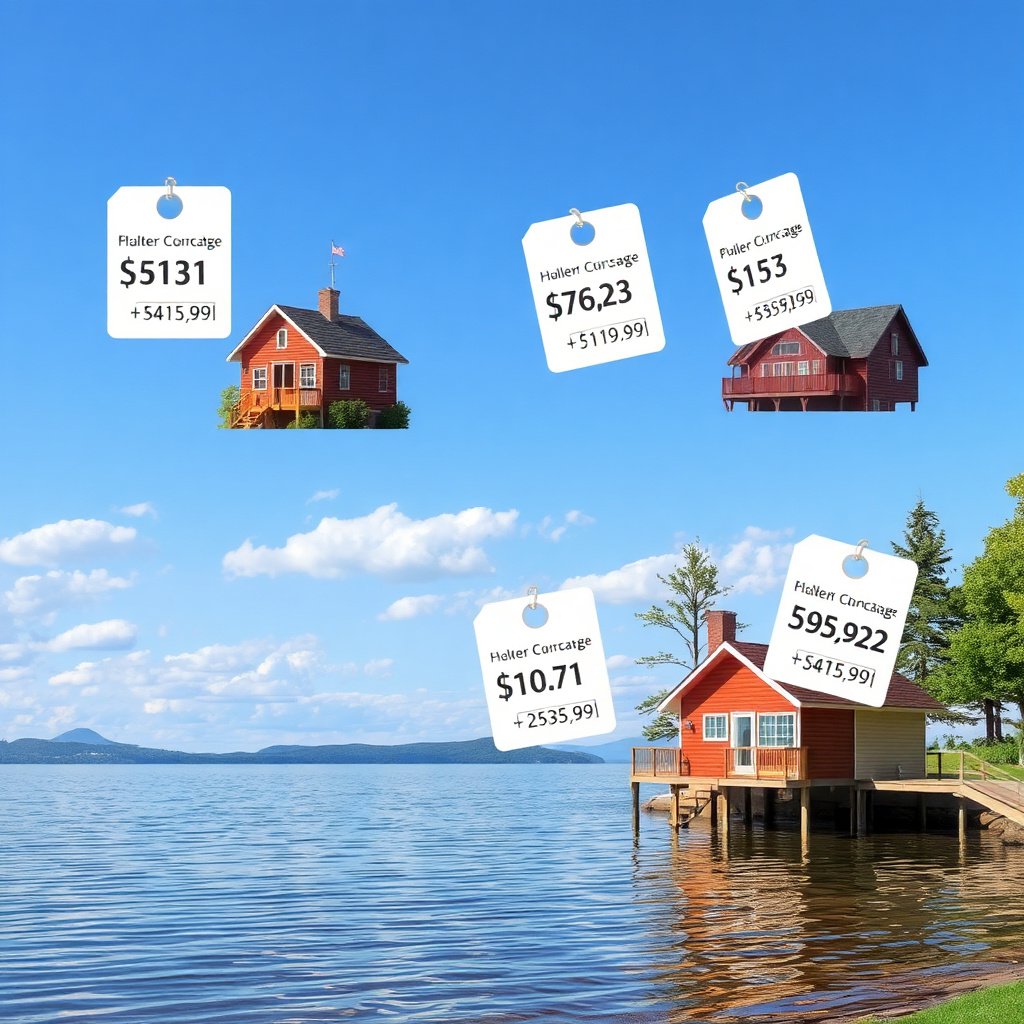
Lake houses in high-demand regions or near popular recreational lakes tend to be pricier, increasing the income required to comfortably afford such properties. Proximity to major cities, quality of local amenities, and water access type all influence price tags and thus income thresholds.
Lower-cost lake houses farther from urban centers might require less income but could come with trade-offs in accessibility or property value appreciation potential. Location essentially sets the baseline for what income you need to buy and sustain the home.
Considering Property Size and Features
The size, age, and features of the lake house significantly affect purchase price and income requirements. Larger homes or cottages with docks, boathouses, and luxury finishes cost more upfront and usually incur more maintenance.
Deciding if you want a turnkey lake house or one needing renovation impacts how much income you need. A fixer-upper might lower initial costs but increase income demands for remodeling and ongoing upkeep.
Financing Options and Income Eligibility for Lake Houses

Conventional Loans and Income Verification
Most buyers use conventional mortgages requiring proof of stable income and a debt-to-income (DTI) ratio below about 43%. Lenders will look for consistent employment and the ability to repay both the mortgage and other debts.
Having higher income relative to home price improves your chances to secure favorable interest rates and loan terms, especially for luxury lake houses where mortgage amounts tend to be large.
For more on this, see our related guide: How Much Do Lake House Rentals Cost? A Complete Pricing Guide.
Alternative Loan Programs for Lake Houses
Some lenders offer vacation home loans or second-home financing options with adjusted down payment and income requirements. These can help buyers with seasonal income streams or self-employed status.
Government-backed loans typically do not cover vacation or lake homes, so buyers depend largely on conventional or jumbo mortgage products tailored to lake house financing.
Budgeting for Ongoing Lake House Expenses
Estimating Annual Maintenance and Upkeep Costs
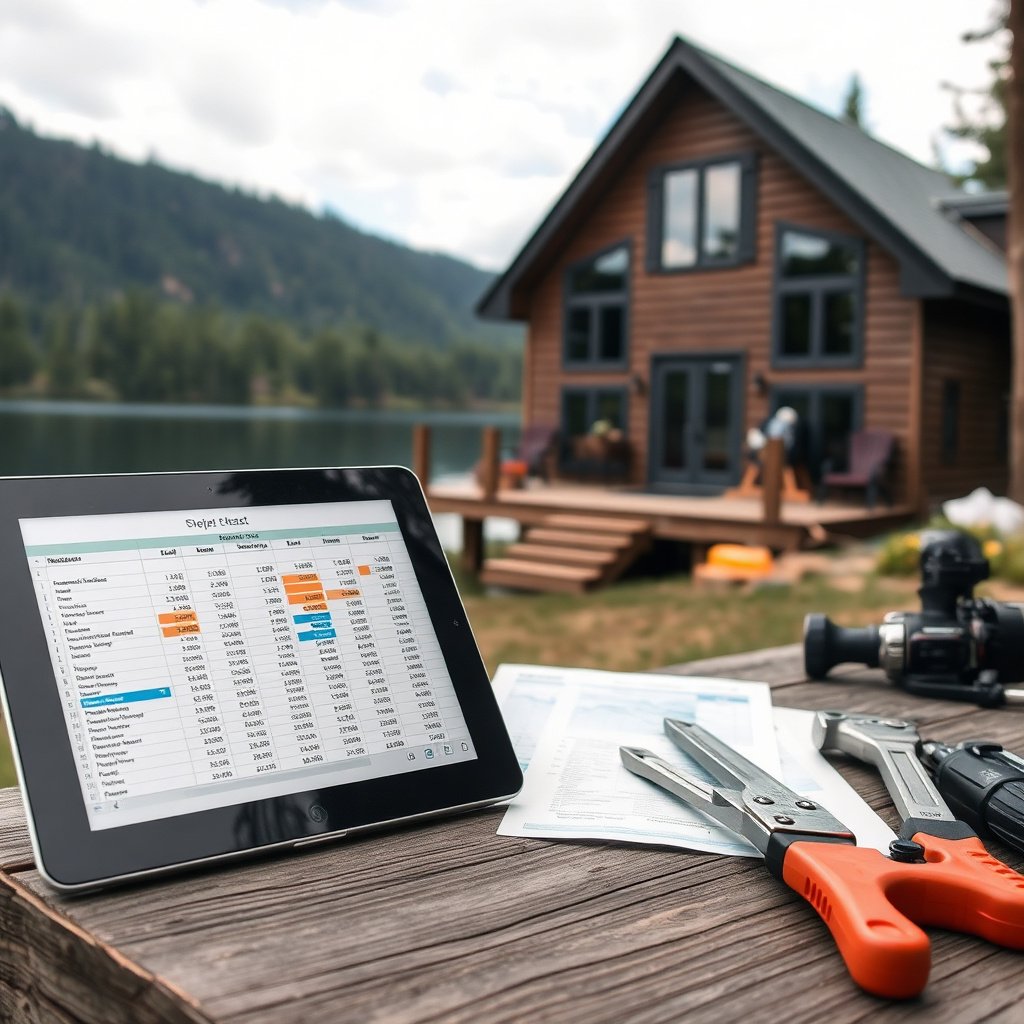
Lake houses often require $1,000 to $5,000 annually or more for maintenance, depending on size and amenities. This includes dock repairs, septic system servicing, pest control, and landscaping tailored to waterfront properties.
Your income should accommodate these predictable expenses to prevent financial strain and preserve the home’s functionality and value over time.
Planning for Utilities and Seasonal Costs
Utilities, including electricity, water, and heating, can be higher in lake houses due to larger spaces and seasonal occupancy patterns. Additionally, winterizing the home or opening it each season can be costly.
Effective budgeting incorporates these fluctuating costs so that surplus income can cover these without reducing your overall quality of life.
Lake House Affordability Tips for Buyers
Adjusting Expectations to Match Income
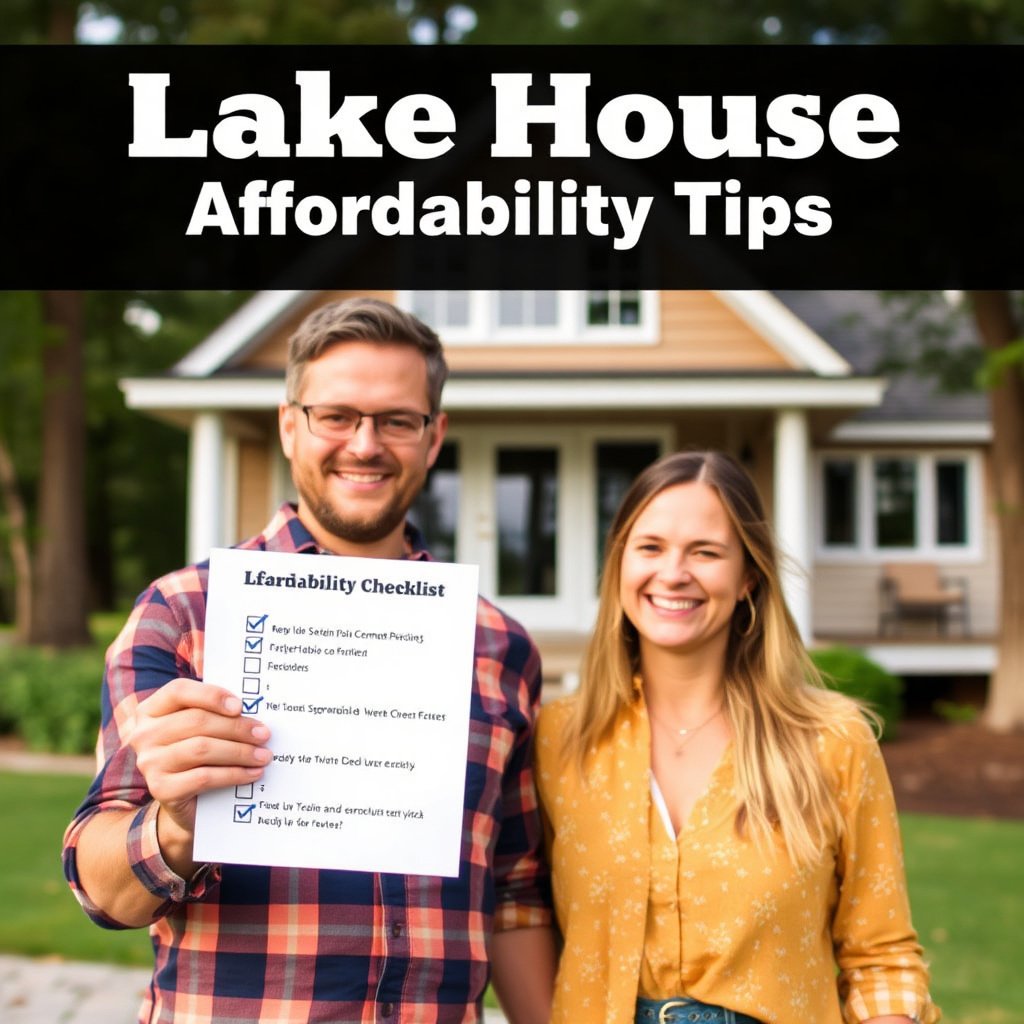
Buyers often find value in selecting smaller or less luxurious properties to fit their income level comfortably. Prioritizing must-have lake access or location while scaling down on size or features helps balance desires and finances.
Using the income guidelines smartly allows effective trade-offs that keep the lake house purchase sustainable without financial overstretch.
- Focus on essential location aspects
- Choose manageable property sizes
- Prioritize necessary features over luxury
- Aim for a purchase price within 3-4 times your income
For more on this, see our related guide: Is It Worth Buying a Lake House for Rental Income? Pros and Cons to Consider.
Boosting Your Income or Financing Options
Some buyers increase income by diversifying sources—renting out the home part-time or earning seasonal revenue from lake activities. Others save more for larger down payments to lower monthly mortgage payments.
Exploring different loan programs and working with knowledgeable lenders can expand your options for lake house financing even if your income is moderate.
- Consider part-time rental income
- Increase down payment savings
- Seek vacation home-friendly mortgage lenders
- Review credit to improve financing terms
Making the Financial Case for Your Lake House Purchase

Evaluating Long-Term Value and Expense Balance
Lake houses can be sound investments if your income supports maintenance and mortgage comfortably. Balancing long-term value appreciation with associated costs ensures your purchase contributes positively to your financial life.
Understanding the real affordability helps prevent cases where owners must sell prematurely due to high carrying costs relative to income.
For a broader look at the concept and history of lake houses, you can visit this Lake House Article on Wikipedia. Lake House Article on Wikipedia.
Seeking Professional Financial Advice
Consulting financial advisors familiar with vacation properties can refine your budget and income requirements, tailoring plans to your situation. Experts can clarify tax implications, insurance considerations, and investment outlook.
Their guidance can confirm whether your income suffices to maintain the lake house lifestyle you desire without jeopardizing other financial goals.
Lake House Affordability Categories Compared
This table compares typical lake house categories to help gauge the income needed for each type based on price and ongoing costs.
| Category | Approximate Purchase Price | Required Annual Income | Typical Annual Maintenance Cost |
|---|---|---|---|
| Small Cabin | $150,000 – $250,000 | $50,000 – $75,000 | $1,000 – $2,000 |
| Mid-Size Cottage | $300,000 – $500,000 | $100,000 – $150,000 | $2,000 – $4,000 |
| Large Lakefront Home | $600,000 – $1,000,000+ | $180,000 – $300,000+ | $4,000 – $8,000+ |
| Luxury Waterfront Estate | $1,000,000+ | $300,000+ | $7,000 – $15,000+ |
Frequently Asked Questions
What minimum income is generally needed to buy a lake house?
A safe estimate is an annual income at least three to four times the lake house price, but mortgage affordability ratios around 28%-30% of monthly income provide a more precise measure.
Does owning a lake house require more income than a regular home?
Yes, lake houses often have higher ongoing costs like dock maintenance and flood insurance, requiring a higher income to maintain comfortably.
Can I use government loans to buy a lake house?
Most government-backed loans are for primary residences only, so lake houses usually require conventional or specialty vacation home loans.
How should I budget for lake house utilities and upkeep?
Plan for annual maintenance ranging from $1,000 to over $8,000, plus higher seasonal utilities; your income should cover these alongside mortgage payments.
Can renting out the lake house help meet income requirements?
Yes, renting part of the year can supplement income and improve affordability, but it depends on local regulations and your willingness to manage tenants.
Key Takeaways
- Income should cover mortgage plus additional lake house-specific expenses.
- Location and property size significantly affect lake house affordability.
- Many financing options exist, but conventional loans dominate lake house purchases.
- Budgeting for maintenance and utilities is critical for long-term lake house ownership.
Conclusion
Determining how much income you need to buy a lake house involves more than just the purchase price. Your ability to handle monthly mortgage payments comfortably within about 28%-30% of your gross income is a foundational metric. However, considering additional expenses such as maintenance, insurance, seasonal costs, and unexpected repairs is equally important. Balancing these factors ensures that lake house ownership is enjoyable rather than a financial strain, helping sustain your investment and lifestyle over time.
Buyers with moderate incomes may find that small to mid-size lake cottages or lake houses in less expensive locations align better with their financial situation. Conversely, those with higher incomes can pursue larger, luxury waterfront estates and still manage the upkeep with ease. Exploring financing options tailored to vacation homes, potentially increasing down payments, or generating supplementary income through rentals can expand your possibilities and improve affordability.
Ultimately, the best next step is to analyze your current income, debts, and financial goals with a trusted financial professional who can guide you through financing scenarios and budgeting exercises specific to your targeted lake house purchase. This detailed financial groundwork empowers you to move forward confidently and enjoy your lakeside retreat responsibly.