How to Choose a Lake Lot: Essential Tips for Your Perfect Waterfront Property
Choosing the right lake lot comes down to evaluating your personal priorities such as location, water access, and land characteristics. The best lake lot balances your lifestyle needs with the practical features of the property, including shoreline quality, privacy, and nearby amenities.
Lake lots offer unique opportunities for recreation and relaxation, but selecting one requires careful thought because of factors like zoning rules, water depth, and environmental conditions. Understanding what makes a lake lot desirable will help you avoid costly mistakes and maximize your investment.
This article covers key considerations when buying a lake lot: assessing the physical features, understanding legal aspects, analyzing neighborhood dynamics, and comparing types of lakefront properties. Each section provides detailed advice so you can confidently evaluate options and choose a lot that suits your goals.
Evaluating the Location and Environment of a Lake Lot

Assessing Water Quality and Shoreline Conditions
Water quality is critical when choosing a lake lot, affecting everything from swimming safety to ecological health. Test the lake’s water for clarity, algae, and pollutants to ensure it meets your standards for recreation and enjoyment.
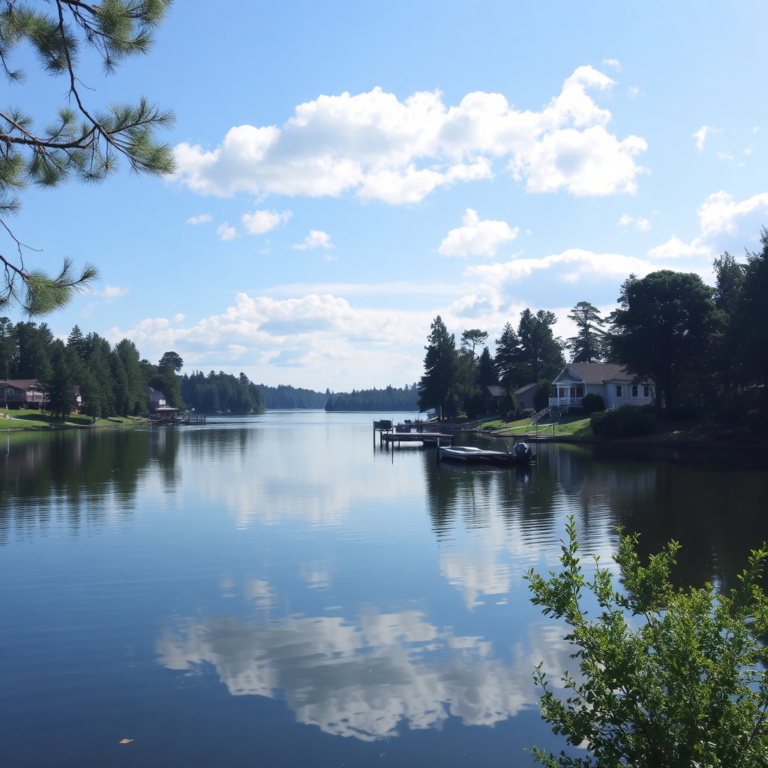
Shoreline features influence access and aesthetics. Look for gently sloping shorelines with firm soil, free of excessive weeds or erosion. A well-maintained shoreline will provide better docking options and make your lakefront more enjoyable throughout the year.
- Check water clarity and chemical composition
- Inspect shoreline for slope and stability
- Look for natural weed control
- Avoid lots with eroded or muddy banks
Considering Accessibility and Surrounding Area
How you access your lake lot affects daily enjoyment and potential resale value. Evaluate road quality, proximity to main highways, and how seasonal conditions affect travel to the property.
The surrounding area’s character matters. Nearby homes, public access points, and community services impact not only your lifestyle but also privacy and noise levels. Choose a location that aligns with your preference for solitude or social interaction.
- Assess road conditions and maintenance
- Investigate public access and boat ramps nearby
- Research local amenities and services
- Consider seasonal access challenges
Legal and Zoning Factors When Purchasing a Lake Lot

Understanding Zoning Restrictions and Building Regulations
Zoning laws govern what you can build on your lake lot, including restrictions on structures, boathouses, and septic systems. Confirm these rules by consulting local zoning offices or property records to avoid future headaches.
Restrictions may also apply to setbacks from the shore, impervious surface limits, and environmental protections. Complying with these ensures not only legal security but also preservation of the natural environment.
- Verify permitted building types and sizes
- Check setback and shoreline buffer requirements
- Understand environmental protection rules
- Consult with local planning or zoning departments
For more on this, see our related guide: Is Lake of the Ozarks Worth Visiting? A Detailed Travel Guide.
Reviewing Property Boundaries and Easements
Clear property boundaries are vital for privacy and investment security. Obtain a professional survey to ensure the lake lot you’re considering matches legal descriptions and that boundaries around water frontage are precise.
Easements allowing neighbors or utilities access can affect usage and privacy. Review all easement agreements documented with the property and understand their implications before buying.
- Hire a licensed surveyor if needed
- Examine existing easements and their impacts
- Confirm ownership of lakebed and shoreline
- Clarify rights for dock or boat use if shared
Physical Characteristics and Usability of Lake Lots
Evaluating Lot Size and Topography
Lot size influences your building options, privacy, and outdoor space. Larger lots provide more flexibility for landscaping, recreation, and auxiliary structures but may come with higher costs and maintenance.
Topography also matters; gently sloping or flat terrain is easier to build on and maintain compared to steep or rocky lots. Consider drainage patterns and potential flood zones which affect usability and insurance rates.
- Check total acreage and buildable area
- Assess slope and soil stability
- Identify flood-prone or low-lying sections
- Consider sunlight exposure for specific uses
Plants, Trees, and Environmental Features
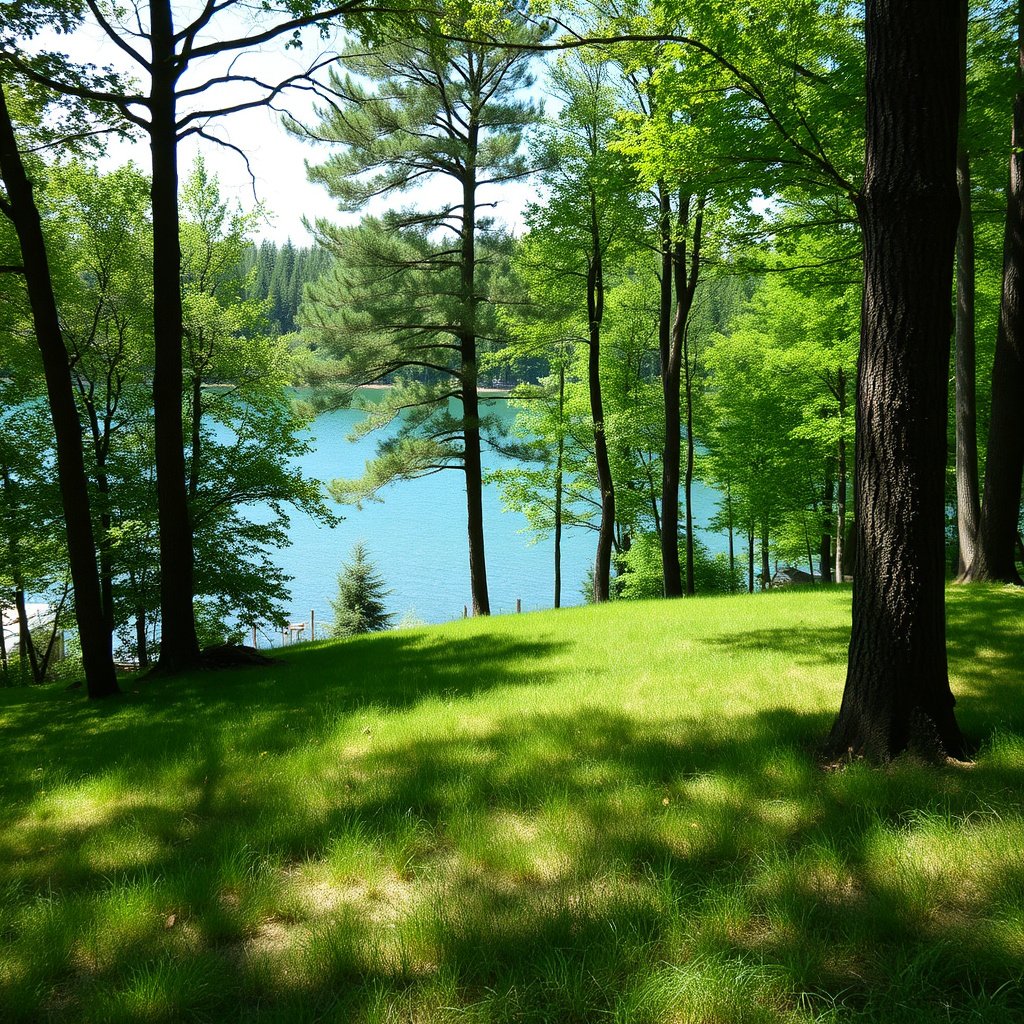
Vegetation can enhance lake lot appeal by providing shade, privacy, and natural beauty. Mature trees and native plants support local wildlife and reduce erosion, but they may require upkeep to manage safety or construction clearance.
Protecting sensitive habitats like wetlands or rare species on the property is often mandated and critical for maintaining ecosystem health. Understanding these features will shape your site plan and enjoyment.
- Inventory existing trees and plant types
- Check for invasive species to avoid
- Identify protected wetlands or rare habitats
- Plan landscaping around natural features
Choosing Amenities and Community Features Near a Lake Lot

Access to Recreational Facilities and Services
Popular lake lots often benefit from nearby amenities like boat ramps, marinas, and waterfront parks, which augment your ability to enjoy water-based activities.
Check for availability of services such as electricity, water hookups, waste disposal, and internet. These utilities contribute significantly to convenience and life quality at your lakefront property.
- Locate nearest public boat launches
- Check community parks or picnic areas
- Confirm access to utilities and services
- Review local recreational clubs or events
For more on this, see our related guide: How to Choose a Lake Community for Your Ideal Waterfront Living.
Community Culture and Safety Considerations
A lake lot is not just land, but part of a community. Assess the friendliness, social norms, and general safety of residents and neighbors to ensure a good fit with your lifestyle.
Look for neighborhood watch programs, local law enforcement presence, and environmental stewardship efforts that reflect a well-maintained and secure lake environment.
- Meet neighbors to gauge community vibe
- Research crime statistics and safety ratings
- Review community rules or homeowner association policies
- Explore local efforts for lake preservation
Types of Lake Lots and Waterfront Property Options

Raw Land Versus Developed Lake Lots
Raw lake lots offer freedom to build exactly as you wish but often lack utilities and may require extensive prep work such as clearing and grading.
Developed lots come with improved access, utility installations, and sometimes structures like docks or cabins. They reduce initial work but typically cost more upfront.
- Raw lots: more customization, less convenience
- Developed lots: amenities included, less flexibility
- Consider your timeline and building plans
- Evaluate cost differences and hidden expenses
For more detailed information about lakefront property considerations, you can explore this resource. lakefront property considerations.
Private Ownership vs. Community-Owned Waterfront Access
Some lake lots come with private shoreline, giving exclusive water access and control over use.
Others are part of community associations with shared waterfront areas and rules governing usage, which might appeal to those valuing social activities and shared maintenance.
Each has trade-offs in terms of privacy, cost, and freedom.
- Private: exclusive water use, higher cost
- Community: shared access, community rules
- Assess lifestyle compatibility
- Understand deed and access rights
Lake Lot Category Comparison
Here is a comparison of common types of lake lots to help you distinguish features and suitability for different preferences and budgets.
| Category | Typical Size | Water Access Type | Development Status | Price Range (USD) |
|---|---|---|---|---|
| Raw Land Lot | 1-5 acres | Direct Shoreline | Undeveloped, no utilities | $50,000 – $150,000 |
| Developed Lot | 0.5-3 acres | Direct Shoreline | Utilities and access roads | $150,000 – $500,000+ |
| Community Waterfront Lot | Varies widely | Shared Community Access | Often maintained common areas | $80,000 – $300,000 |
| Secluded Forested Lot | 2-6 acres | Direct or Nearby Shoreline | Minimal development | $70,000 – $200,000 |
| Luxury Waterfront Lot | 1-3 acres | Private Dock and Shoreline | Fully developed, premium amenities | $300,000 – $1,000,000+ |
Frequently Asked Questions
What should I look for in lake water quality when choosing a lot?
Focus on water clarity, presence of algae or pollutants, and overall cleanliness to ensure safe swimming and boating. Testing local water reports or hiring a specialist can provide valuable information.
How can I find out the zoning rules for a lake lot?
Contact the local zoning or planning office for official documents and restrictions. They can provide detailed information about building limits and environmental protections.
Are there extra costs associated with lake lots?
Yes, additional expenses may include shoreline maintenance, septic or well installation, dock permits, and possibly higher property taxes due to waterfront premiums.
How important is lot topography when choosing a lakefront property?
Topography impacts building ease, drainage, and usability. Gentle slopes or flat terrain reduce construction challenges and improve access to the water.
What’s the difference between private and community lake access?
Private access means exclusive use of the shoreline and water, while community access involves shared use among multiple owners with rules and shared maintenance.
Key Takeaways
- Prioritize water quality and shoreline conditions for safety and enjoyment.
- Understand zoning and legal boundaries before purchase.
- Consider lot size, topography, and existing vegetation.
- Evaluate community features and type of waterfront access.
Conclusion
Selecting a lake lot requires balancing practical factors like location, water quality, and legal restrictions with personal preferences for privacy, recreation, and lifestyle. Start by defining your priorities, then methodically evaluate properties with attention to shoreline conditions, access routes, and zoning guidelines. This focused approach reduces surprises and helps you identify a lake lot that matches your vision and investment goals.
For those wanting maximum freedom to build and customize, raw land lake lots offer great potential but may need more time and resources for development. In contrast, developed lots provide convenience with utilities and infrastructure in place. Community waterfront lots appeal to buyers seeking shared amenities and social engagement. Luxury waterfront lots deliver high-end features and exclusive access, suitable for buyers with premium budgets and expectations. Choosing among these depends largely on your lifestyle and budget constraints.
Once you narrow down options, obtaining a professional survey and verifying permits and easements is essential. Visiting the site in different seasons helps reveal access or environmental challenges. The next step is consulting local experts and real estate professionals familiar with lakefront properties. They can provide nuanced insights and assist in negotiations. A careful, informed approach turns lake lot selection into a rewarding journey toward your ideal waterfront retreat.