How Long Does a Well Last? Understanding Well Longevity and Maintenance
A well typically lasts between 15 to 50 years, depending on construction, location, and how well it is maintained. While some wells can function for over half a century, many factors influence their longevity including water table changes, sediment buildup, and equipment wear.
Knowing how long a well lasts matters because a well is a valuable investment and a critical source of water. Improper maintenance or environmental shifts can shorten its lifespan, leading to water quality issues or complete failure. Regular care can extend its functionality and protect your water supply.
This article breaks down the factors affecting well longevity, explains common types of wells and how long they last, explores maintenance tips to extend well life, and helps you identify signs your well might need repair or replacement.
Types of Wells and Their Expected Lifespan
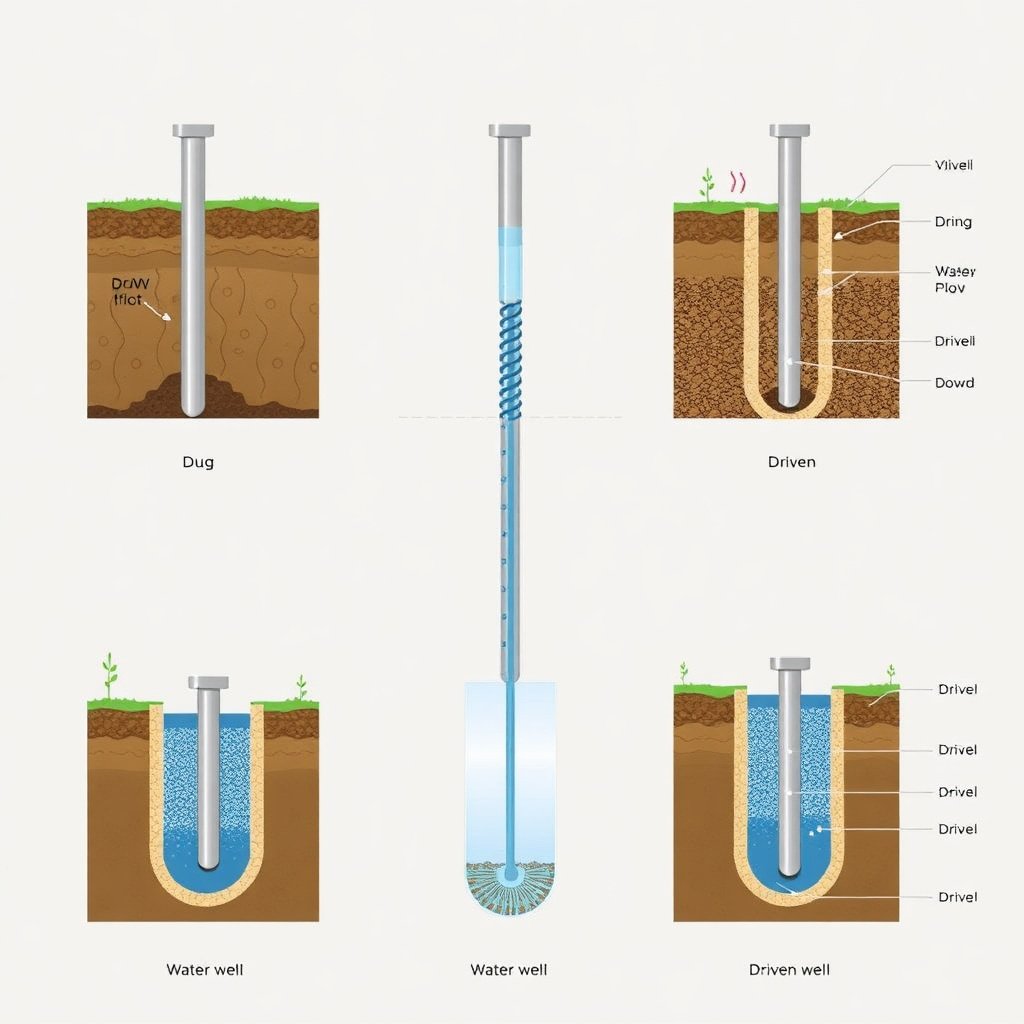
Drilled Wells: Longevity and Reliability
Drilled wells, which can go hundreds of feet deep using modern machinery, often last 30 to 50 years or more. They are constructed with steel or PVC casing to prevent collapse and contamination. Proper sealing and well caps also improve durability.
Because they access deeper aquifers, drilled wells generally maintain steady water flow longer and are less susceptible to surface contamination. Regular inspection and cleaning can help maximize their lifespan.
- Depths often exceed 100 feet
- Steel or PVC casing protects well walls
- Ideal for long-term water supply
Dug and Driven Wells: Shorter Lifespans to Expect
Dug wells are typically shallow and broad, historically dug by hand. Their expected lifespan ranges from 10 to 25 years, often shorter due to contamination risks and structural instability. Driven wells use a pipe driven into shallow groundwater and usually last up to 20 years.
Because these wells access near-surface water, they’re more vulnerable to pollution and seasonal water fluctuations. Regular maintenance can delay problems but replacing them eventually becomes necessary.
- More susceptible to surface contamination
- Typically shallower than drilled wells
- Shorter expected lifespan than drilled wells
Factors That Affect How Long a Well Lasts
Environmental and Geological Influences
The natural environment heavily influences well longevity. Droughts, aquifer depletion, and geological changes like shifting soils can reduce water availability or damage well structures. Groundwater contamination from agricultural runoff or industrial waste can also compromise water quality.
Wells in stable, uncontaminated geological settings with abundant water tend to last longer. Awareness of local environmental factors can guide well site selection and upkeep for improved durability.
- Water table fluctuations
- Soil erosion and subsidence
- Regional contamination risks
Technical and Maintenance Factors
How a well is built and maintained directly impacts its lifespan. Poor construction, such as inadequate casing or sealing, accelerates aging. Failure to service pumps, clean pipes, or disinfect regularly also leads to breakdowns and bacterial growth.
Scheduled inspection, regular cleaning, and repairing parts promptly extend a well’s usefulness. Upgrading equipment like pumps and pressure tanks can also improve reliability and water quality.
- Quality of initial construction
- Regular inspections and upkeep
- Prompt repair of damaged components
Signs Your Well May Need Replacement or Major Repairs
Physical and Water Quality Warning Signs
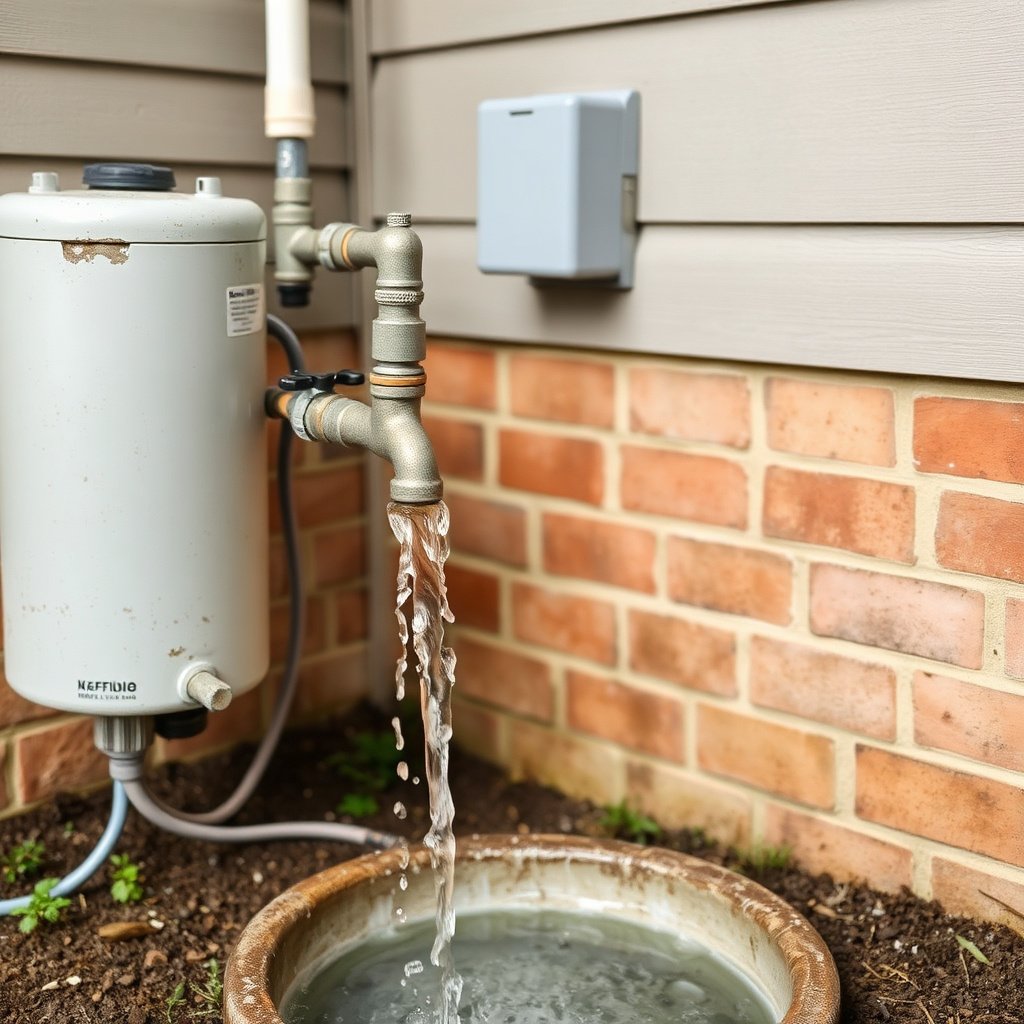
Changes in water clarity, taste, or odor can signal well problems. Sediment buildup, rusty water, or sulfur smells suggest corrosion or bacterial growth. Reduced water flow or interrupted supply indicates possible well clogging or pump failure.
Noticing cracks or damage in well casing or caps can indicate structural failure. These problems can escalate quickly if left unaddressed, risking contamination or total well shutdown.
- Cloudy or foul-smelling water
- Lower water pressure or volume
- Physical damage to well components
For more on this, see our related guide: How Long Does It Take to Close on a House? A Detailed Timeline Guide.
Testing and Inspection to Diagnose Well Health
Periodic water testing for bacteria, nitrates, and other contaminants is key to detecting well condition issues early. Professional inspections of the well casing, pump system, and seals can reveal wear or breaches.
Advanced diagnostics like video camera inspections inside the well or pump flow tests help establish whether a well can last much longer or requires replacement.
- Water sampling for contaminants
- Casing and pump system inspection
- Use of video inspection technology
Best Practices to Maintain and Extend a Well's Life
Routine Cleaning and Equipment Maintenance
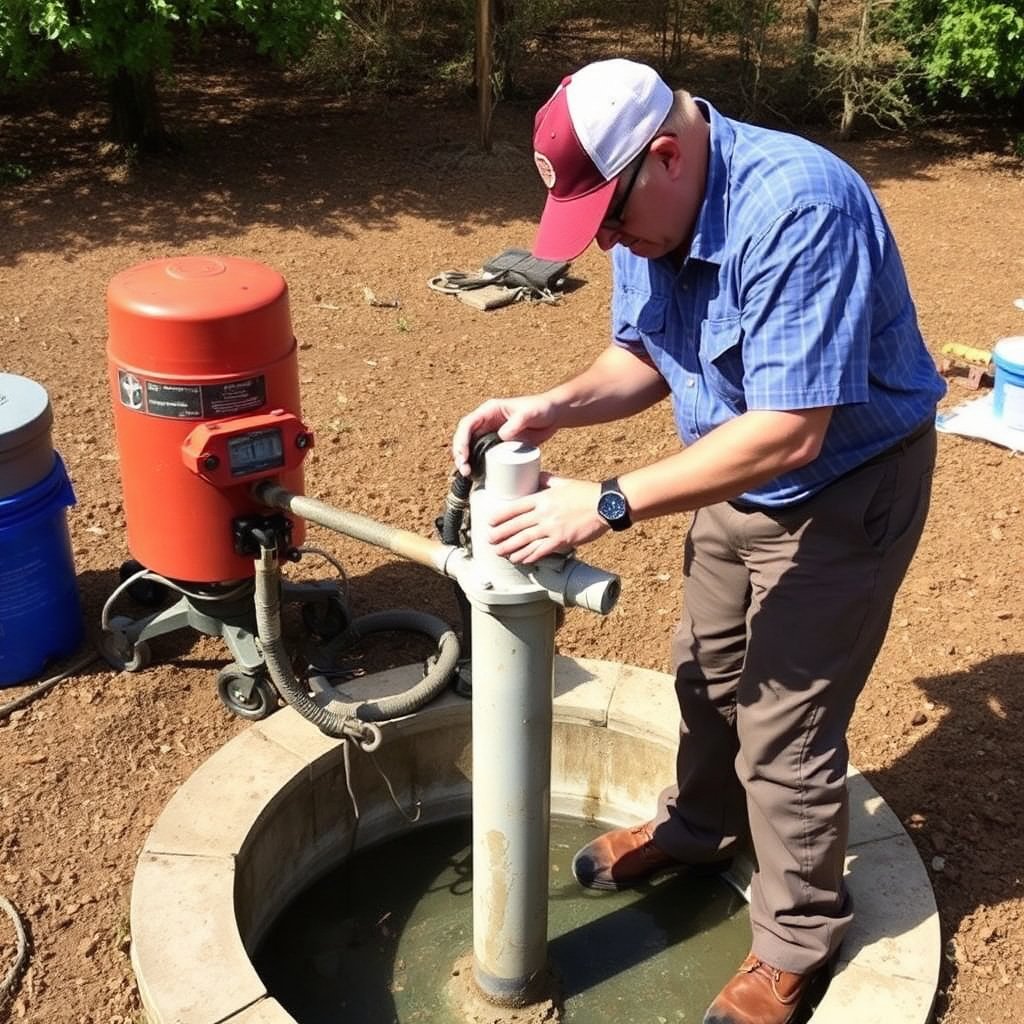
Cleaning the well annually or biannually removes sediment and bacterial buildup to preserve water quality. Pump and pressure tank inspections ensure mechanical parts are functioning efficiently and prevent unexpected failures.
Replacing worn components like valves and filters as soon as problems arise cuts down on long-term damage and keeps water flowing reliably.
- Annual well disinfection and cleaning
- Regular pump and pressure tank checks
- Prompt replacement of faulty parts
Protecting the Well Environment
Maintaining a safe zone around the well prevents contamination. Avoid chemical spills, properly dispose of waste, and ensure septic systems are downhill and distant. Managing surface water drainage away from the well helps avoid erosion and flooding.
Vegetation and proper grading near the well reduce sediment entry and stabilize soil. Securing well caps and sealants keeps debris and insects out.
- Establishing and guarding a well protection zone
- Preventing chemical and waste contamination
- Controlling surface water and soil stability
Cost Considerations: Repairing vs. Replacing a Well

Typical Repair Costs and When They Make Sense
Minor well repairs like pump replacement, sealing leaks, or cleaning can range from a few hundred to a few thousand dollars, depending on damage extent. Repairs are suitable when the well structure remains sound and water supply is stable.
Delaying needed repairs may cause worsening damage and lead to higher costs later. Prompt repairs can often extend a well’s useful life by years.
- Pump replacement: $500-$1500
- Pressure tank repairs: $300-$800
- Cleaning and sealing costs vary widely
For more on this, see our related guide: How Much Does a Septic System Cost? A Detailed Breakdown.
When Well Replacement Is the Most Practical Choice
A well should be replaced if the casing collapses, water source depletes permanently, or contamination cannot be remedied. Replacement costs for drilled wells often range from $5,000 to $15,000, depending on depth and location.
Opting for replacement makes sense if ongoing repairs are frequent or ineffective. New construction offers the chance to install modern, more durable equipment and improve water quality.
- Casing failure or collapse
- Permanent water depletion or contamination
- High cumulative repair costs
How to Choose the Right Well Type for Longevity

Evaluating Site Conditions and Water Needs
Selecting a well type depends on local geology, water depth, and household water demand. Drilled wells suit areas with deep aquifers, while driven or dug wells fit shallow water tables with lower demand.
Consulting geological surveys and water tests helps identify the most reliable and long-lasting option tailored to your location and usage.
- Assess groundwater depth
- Estimate daily water needs
- Analyze soil and rock types
For detailed technical guidance and the latest scientific data on water wells, refer to Water Well Information from the USGS. Water Well Information from the USGS.
Balancing Initial Investment Against Well Lifespan
Although drilled wells have a higher upfront cost, their extended lifespan and reliability make them cost-effective long-term. Dug and driven wells cost less at installation but often require earlier replacement and more maintenance.
Weigh the upfront price against expected durability and maintenance costs to find the best fit for your budget and water security.
- Drilled wells: high cost, high durability
- Dug/driven wells: lower cost, shorter lifespan
- Consider lifecycle costs over initial price
Comparison of Well Types and Longevity
This table summarizes key factors affecting the lifespan and suitability of common well types.
| Well Type | Average Lifespan | Typical Depth Range | Maintenance Frequency | Initial Cost Range |
|---|---|---|---|---|
| Drilled Well | 30-50+ years | 100-1000+ feet | Low to Moderate | $5,000-$15,000 |
| Dug Well | 10-25 years | 10-30 feet | High | $1,000-$5,000 |
| Driven Well | 15-20 years | 15-50 feet | Moderate | $1,500-$4,000 |
Frequently Asked Questions
How often should I test the water from my well?
Water testing every 1 to 3 years is recommended to check for contaminants and ensure safety, though annual testing is ideal if you notice changes in taste, color, or odor.
Can a well be repaired if the water flow decreases?
In many cases, decreased flow can be improved by cleaning or repairing pump components, but if the water source is depleted, replacement may be needed.
What causes a well to run dry?
A well can run dry due to drought, overuse, lowered water tables, or blockages restricting water inflow into the well.
Is it necessary to disinfect a well regularly?
Yes, disinfecting a well annually or after any repairs helps prevent bacterial contamination and maintains water hygiene.
How do I know if my well casing is damaged?
Signs include muddy or metallic taste in water, visible cracks in the casing, unusual sediment, and variable water pressure; professional inspection confirms the condition.
Key Takeaways
- Well lifespan varies widely by type, location, and maintenance.
- Drilled wells often last decades longer than dug or driven wells.
- Routine cleaning and prompt repairs significantly extend well life.
- Environmental factors and construction quality greatly influence durability.
Conclusion
When deciding how long a well lasts, it helps to think about multiple factors simultaneously: the well's construction type, environmental setting, and ongoing maintenance routines. Recognizing that drilled wells generally offer greater durability, while shallow dug and driven wells have shorter longevity, guides better investment decisions and upkeep plans. Monitoring well health regularly and addressing minor issues early can prevent premature failure and protect your water supply over the years.
For properties with deeper aquifers or where long-term reliability is paramount, drilled wells provide a more robust and lasting solution. Conversely, for smaller water demands or locations with high water tables, dug or driven wells may suffice despite needing earlier replacement. By comparing initial costs with expected lifespan and maintenance demands outlined in the well lifespan and durability section, homeowners can select an option that balances budget and water security effectively.
Ultimately, committing to scheduled inspections, water testing, and environmental protection around your well forms the best strategy to extend its life. If signs of declining performance or contamination arise, consulting a water well professional helps determine whether repair or replacement is warranted. Taking these informed steps ensures you safeguard your water source, no matter which well type you use.


One Comment