Can You Buy Land with No Money Down? A Practical Guide to Zero Down Land Purchases
Yes, it is possible to buy land with no money down, though it requires specific strategies and creative financing methods. Options like owner financing, lease-to-own agreements, government grants, or partnering with investors can facilitate acquiring land without an initial cash payment.
Understanding how to purchase land without a down payment can open doors for buyers who might lack immediate capital but have a solid plan for development or resale. It matters because upfront costs often act as a barrier to entering land ownership, but accessible alternatives can bypass this hurdle.
This article explores practical ways to buy land with no money down, including financing options, government programs, seller incentives, and how to evaluate land parcels for such deals. By learning these methods, you’ll be better positioned to make informed land purchases without an upfront cash burden.
Understanding Land Financing Options for No Money Down

Owner Financing Explained
Owner financing happens when the land seller finances the purchase directly for the buyer, foregoing traditional bank loans. This arrangement often requires little to no down payment and flexible terms since the seller controls the financing conditions instead of a bank.
Buyers must negotiate interest rates, payment schedules, and legal terms clearly. It’s essential to conduct due diligence on the land’s title and engage a real estate attorney to draft the financing agreement to protect both parties.
- No bank qualification required
- Flexible payment terms
- Possible balloon payments
- Requires legal documentation
Lease-to-Own Land Agreements
A lease-to-own arrangement lets buyers lease the land with an option to buy it later. Part of the lease payments can apply toward the purchase price, which reduces or eliminates a down payment when converted to ownership.
This method benefits buyers who need time to improve credit or save money while securing land under contract. Sellers benefit from ongoing cash flow and potential sale assurance without relinquishing ownership upfront.
- Lease payments credited to purchase
- Delayed ownership transfer
- Requires clear option terms
- Good for credit improvement
Government Programs and Grants That Assist Zero Down Land Purchase
USDA Rural Development Loans
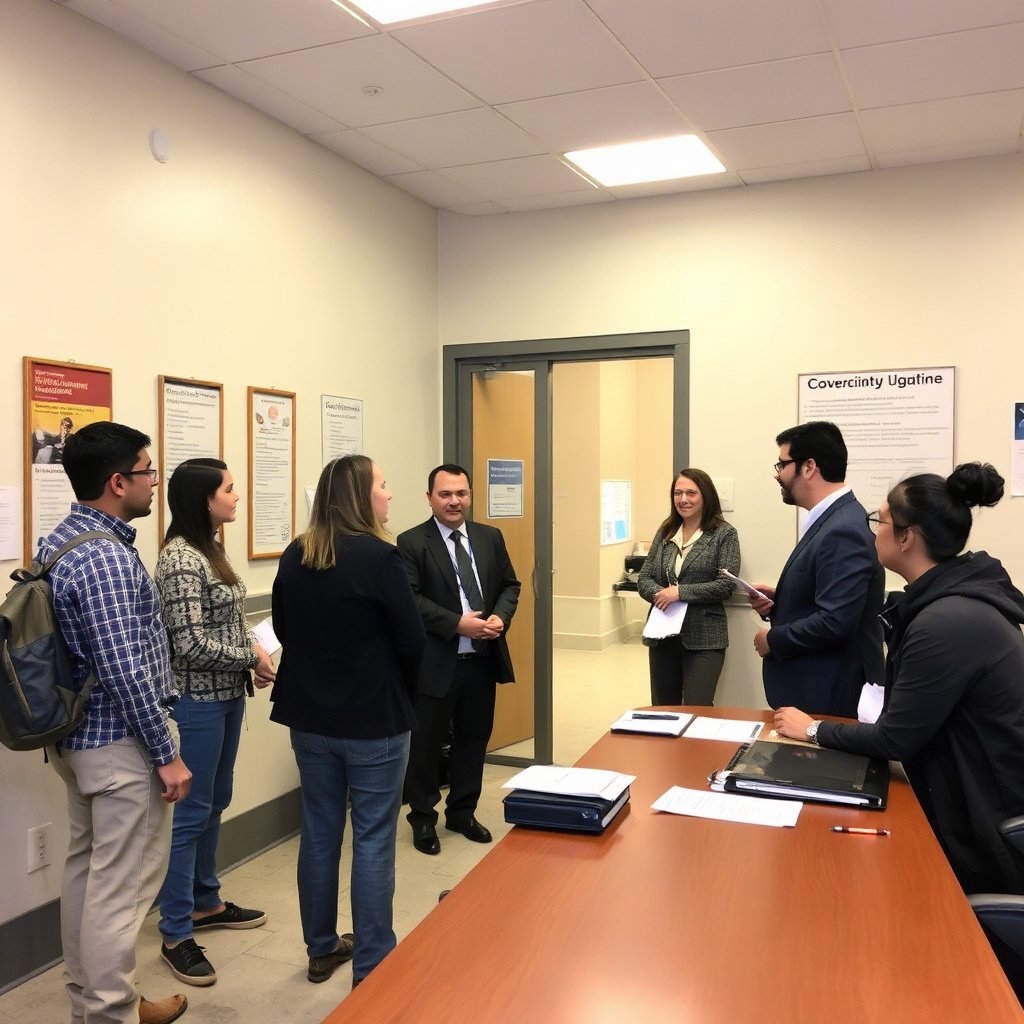
The USDA offers loans focused on rural property ownership with no down payment required. These loans target agriculture, residential, and land development projects in eligible rural areas.
Qualifying buyers must meet income criteria and the land must be within the USDA’s designated zones. These loans often have favorable interest rates and long repayment terms, making them a cost-effective zero down land purchase method.
- Available in select rural areas
- No down payment required
- Income and eligibility restrictions apply
- Long-term repayment plans
State and Local Land Acquisition Grants
Some state and municipal programs offer grants or low-interest loans for land purchases tied to conservation, agriculture, or community development. These can occasionally cover entire purchase costs, effectively eliminating down payments.
Potential buyers should check with local land offices, agricultural departments, or housing agencies for available programs. Requirements vary widely, often depending on land use and buyer qualifications.
- Varies by state and locality
- Target specific land uses
- Sometimes require matching funds
- Application process can be lengthy
Evaluating Land for a No Money Down Purchase
Assessing Land Value and Liabilities
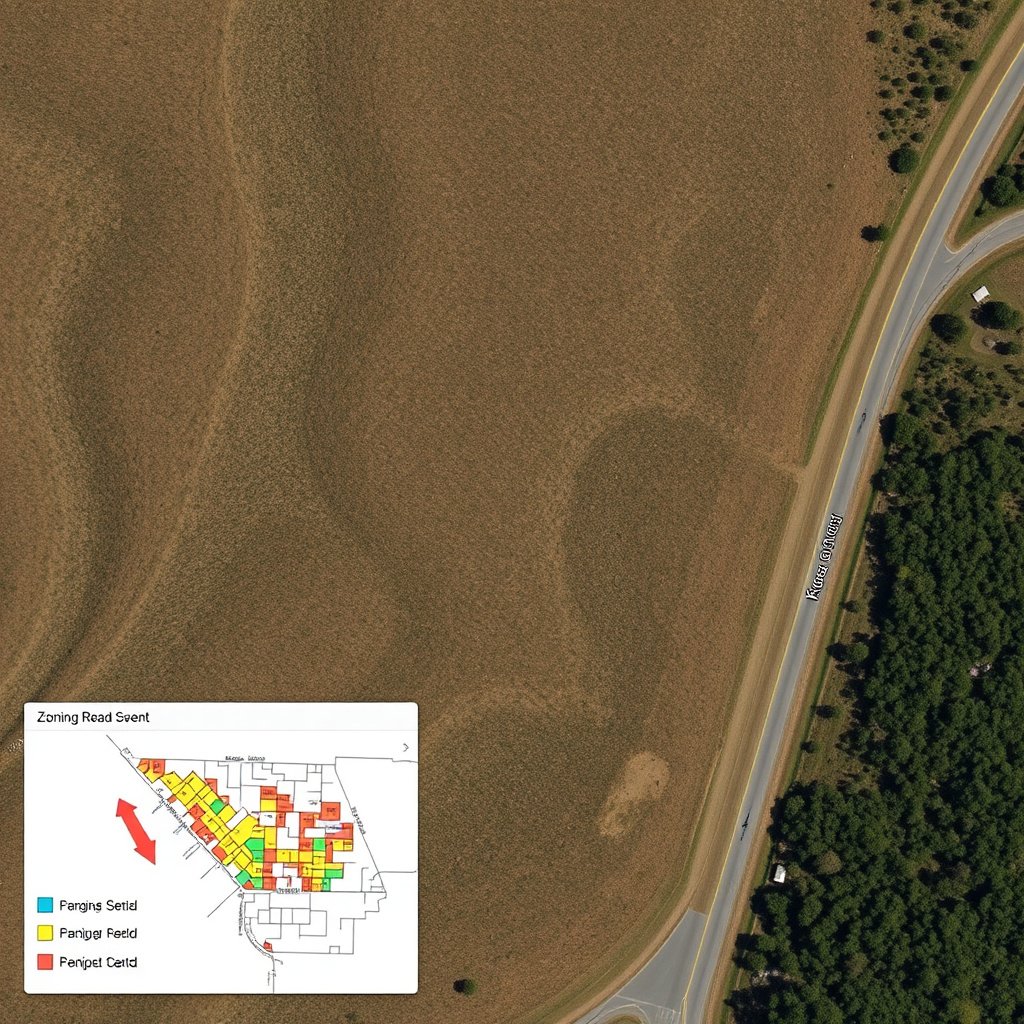
For a zero down land purchase, buyers should carefully assess the property’s market value, potential liabilities like liens or environmental hazards, and its development restrictions. This due diligence protects their investment and strengthens negotiations with sellers.
Land with clear title, accessible utilities, and wide development potential is typically easier to finance or lease with favorable terms. Getting professional appraisals and title searches is strongly recommended.
- Title search and lien review
- Appraisal for fair market valuation
- Environmental and zoning checks
- Infrastructure accessibility
For more on this, see our related guide: Is It a Good Time to Buy Land? Expert Insights for 2024.
Strategies to Negotiate No Money Down Terms
Successful no money down land deals often hinge on negotiation skills. Buyers can propose seller financing, early payments after possession, or land trade-ins as part of the deal structure.
Offering a quicker closing date or flexible terms can motivate sellers to consider zero down options. Having a clear plan for land use or resale also reassures sellers of the buyer’s seriousness and ability to complete the transaction.
- Propose owner financing
- Offer lease-to-own options
- Suggest trade or barter deals
- Highlight flexible terms and quick closing
Using Creative Financing Methods to Buy Land with No Money Down

Partnerships and Investor Collaborations
Partnering with investors allows buyers to pool resources. Investors may cover down payments in exchange for equity or profit sharing from future land sales or development.
This approach helps bypass upfront cash requirements but requires clear agreements, trust, and legal contracts clarifying each party’s rights and obligations.
- Shared financial risk
- Requires legal collaboration agreements
- Equity sharing possible
- Can involve multiple partners
Using Home Equity or Asset-Backed Loans
Investors or buyers with existing assets like home equity can leverage those to finance land purchases without separate down payments. Asset-backed loans use collateral to secure the loan, allowing cash flow to remain untouched.
While the initial investment appears zero down for the land, the buyer must manage loan risks and repayments tied to the collateral asset.
- Collateral-backed financing
- Preserves liquid cash
- Potential risk to collateral asset
- Requires good credit and asset valuation
Legal and Logistical Considerations in No Money Down Land Deals

Ensuring Clear Title and Contract Terms
Without a down payment, full legal protection is critical to avoid disputes. Buyers should insist on thorough title searches and secure recorded contracts specifying payment schedules, ownership transfer conditions, and default remedies.
Hiring a real estate attorney experienced with land purchases helps navigate complex documents and ensures enforceable terms, protecting buyer and seller interests.
- Title insurance recommended
- Clearly defined payment schedules
- Ownership transfer contingencies
- Legal dispute resolution clauses
For more on this, see our related guide: How Much Down Payment for Land Is Typically Required?.
Closing Process and Transfer Logistics
The closing for a no money down land purchase may differ from traditional real estate deals. Payment may be structured over time, requiring special escrow arrangements or contract filings instead of lump-sum exchanges.
Buyers should plan for property tax registration, insurance, and utility hook-ups after closing. Clear coordination between title companies, local authorities, and all involved parties ensures smooth ownership transition.
- Escrow and payment mechanisms
- Title transfer recording
- Property tax registration
- Utility and land use planning
Risks and Challenges of Buying Land with No Money Down

Potential Seller Risks and Buyer Default
Sellers face risks that buyers might default after acquiring possession, especially if no down payment is made. This can cause legal battles or property repossession challenges, making sellers cautious about no money down deals.
Buyers must maintain consistent payments and communicate openly to avoid jeopardizing ownership. Contracts usually include default terms that clarify consequences and protect seller interests.
- Seller risk of nonpayment
- Contractual default consequences
- Legal process for repossession
- Importance of buyer reliability
For a detailed overview of the land buying process and financing options, refer to this comprehensive resource on land purchase and financing. Land purchase and financing.
Financial and Development Challenges for Buyers
Buying land without initial investment often means higher interest rates or longer payment terms. Additionally, buyers must consider future costs for land development, taxes, and maintenance, which can be significant without upfront capital planning.
Evaluating total cost of ownership, including financing, is essential to avoid becoming land-rich but cash-poor, which can complicate ownership sustainability.
- Higher overall financing costs
- Need for development capital
- Ongoing property taxes and fees
- Cash flow management critical
Comparison of No Money Down Land Purchase Methods
Here’s a comparison of popular no money down land purchase methods highlighting key features, flexibility, and requirements.
| Method | Down Payment | Eligibility | Key Benefit | Drawbacks |
|---|---|---|---|---|
| Owner Financing | None or minimal | Depends on seller | Flexible terms, avoid bank | Potentially higher interest |
| Lease-to-Own | Usually low or none | Buyers with credit needs | Time to secure purchase | Delayed ownership transfer |
| USDA Loans | None | Rural buyers with income limits | Low interest, no down payment | Geographical eligibility limits |
| Partnerships | None required | Collaborative investors | Shared risk, pooled funds | Complex agreements |
| State Grants | None | Varies by state | No repayment, lowers cost | Restricted uses, lengthy apps |
Frequently Asked Questions
Can I buy land with no money down if I have bad credit?
While bad credit complicates approvals, owner financing or lease-to-own deals often accommodate buyers with poor credit, as these bypass traditional lenders who require good credit history.
Are there risks to buying land with no money down?
Yes, risks include higher overall financing costs, potential seller repossession if payments lapse, and unforeseen development or tax expenses that could strain finances.
Do government programs cover all land costs without down payments?
Government programs like USDA loans can cover land purchase costs, but eligibility is restricted by geography and income, and some programs may have limited scopes or matching fund requirements.
How do I protect myself legally in a no money down land purchase?
Engage a real estate attorney to conduct title searches, draft clear contracts outlining payment terms, default consequences, and ownership transfer to safeguard your interests.
Is owner financing the same as buying land with no money down?
Owner financing can involve no or low down payments but is not always zero down. Terms vary widely and depend on negotiation between buyer and seller.
Key Takeaways
- Buying land with no money down is achievable through owner financing, lease-to-own, government programs, or partnerships.
- Thorough land evaluation and legal safeguards are essential to protect buyers and sellers.
- No money down options often require creative negotiation and flexible payment plans.
- Understanding risks like higher costs and default consequences helps make informed decisions.
Conclusion
Purchasing land without an initial down payment revolves around creative financing solutions that bypass traditional cash requirements. Careful assessment of the land’s value, legal conditions, and payment structures combined with negotiation skills creates pathways to ownership with zero upfront cash. The main challenge lies in balancing flexible deal terms with risk management for both buyers and sellers. By exploring options such as owner financing or leveraging government programs, prospective buyers can unlock opportunities through trust and thorough due diligence.
If you are in a rural setting and meet eligibility criteria, USDA loans offer some of the most accessible zero down land purchase possibilities with affordable rates. Alternatively, for those without immediate cash but with strong negotiation leverage, owner financing or lease-to-own approaches provide practical arrangements that require no initial payment. Partnerships with investors can also multiply financial resources but call for clear agreements. Each option fits different needs and scenarios, emphasizing the importance of matching land purchase strategy to personal finances and goals.
To move forward, identify your preferred land parcel and investigate available financing methods that allow zero down payment. Contact sellers open to owner financing or explore government programs tailored to your area. Consulting a real estate attorney ensures legal protections are solid. Taking these concrete steps will position you well to make informed buying decisions and secure land ownership even when upfront funds are limited.