How to Prevent Freezing Pipes in a Vacation Home: Essential Tips for Winterizing
Preventing freezing pipes in a vacation home requires proactive steps to safeguard the plumbing system from harsh winter temperatures. Key methods include insulating exposed pipes, maintaining adequate heating, and properly draining water lines to keep them from freezing and bursting.
Vacation homes are often left unused during winter, making their plumbing vulnerable to freezing. Without regular heating or water flow, pipes can freeze quickly, leading to expensive repairs and water damage. Taking preventive measures is vital to protect your property and maintain its condition for happier seasonal visits.
This article explores practical strategies for winterizing your vacation home plumbing, covering insulation techniques, heating options, monitoring systems, and emergency preparedness. With these insights, you'll be better equipped to keep your pipes intact through cold weather and avoid costly inconvenience.
Understanding Why Pipes Freeze in Vacation Homes
How Low Temperatures Affect Plumbing
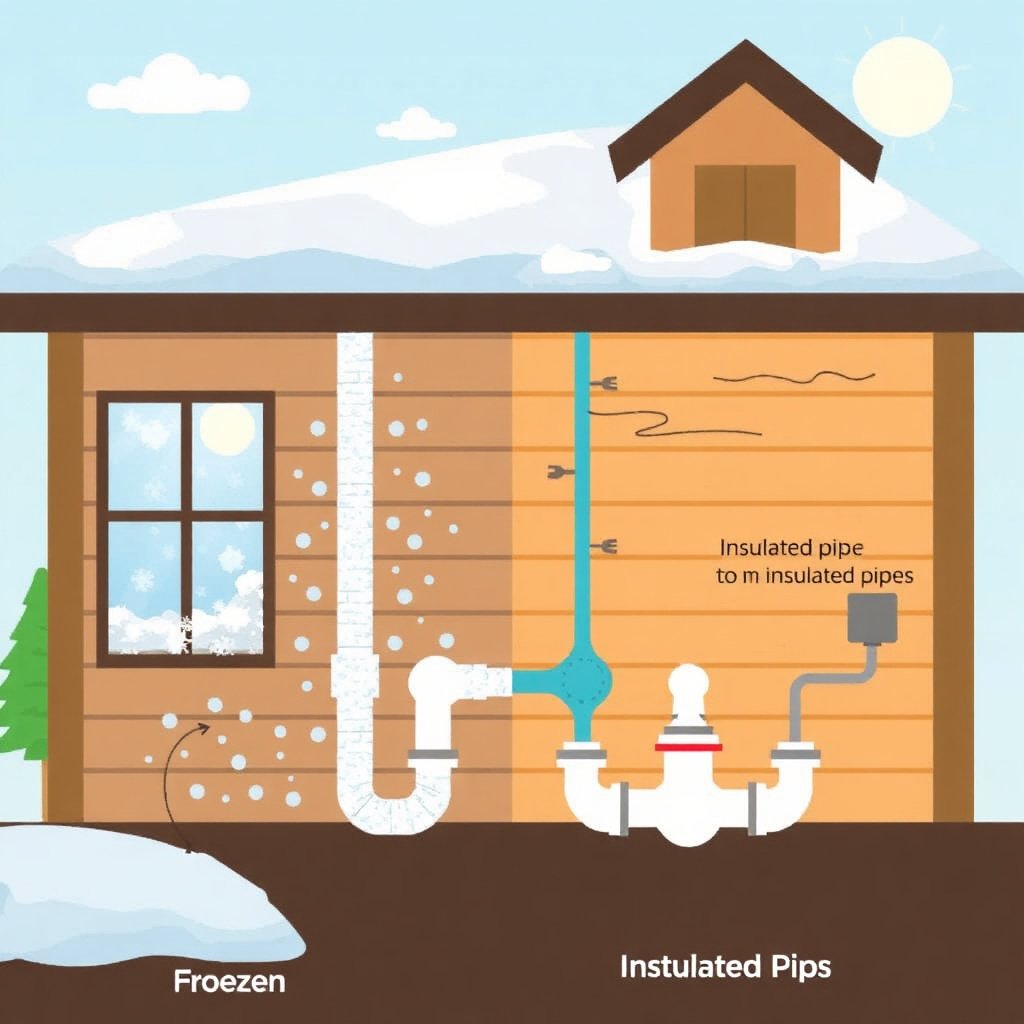
Pipes freeze when water inside them reaches 32°F (0°C), expanding into ice and causing internal pressure. This pressure can crack or burst pipes, especially those made of copper or plastic. Vacation homes without regular heating are particularly at risk during cold snaps.
Areas with uninsulated or exterior walls tend to lose heat quickly, so pipes located in basements, attics, crawl spaces, or near outside walls are vulnerable. Understanding these weak points helps homeowners prioritize protection.
- Water expands about 9% when freezing
- Pressure builds behind the ice until pipes rupture
- Materials like copper and PVC can crack under pressure
- Low-use properties face higher freezing risks
Common Pipe Vulnerabilities in Seasonal Properties
Vacation homes often have water supply lines running through less insulated areas such as garages or crawl spaces that are cold year-round. Additionally, irregular occupancy means no routine heating or water flow, which normally prevents freezing.
Leaks or drafts around windows, doors, and vents can exacerbate cold exposure. Lack of regular maintenance and seasonal shutdown procedures worsen these issues, leading to frozen and damaged pipes during the winter months.
- Pipes near exterior walls or unheated rooms
- Poor insulation or outdated plumbing materials
- Persistent drafts and cold air intrusion
- Infrequent pipe inspections and maintenance
Insulating Pipes to Prevent Freezing
Choosing the Right Pipe Insulation Materials
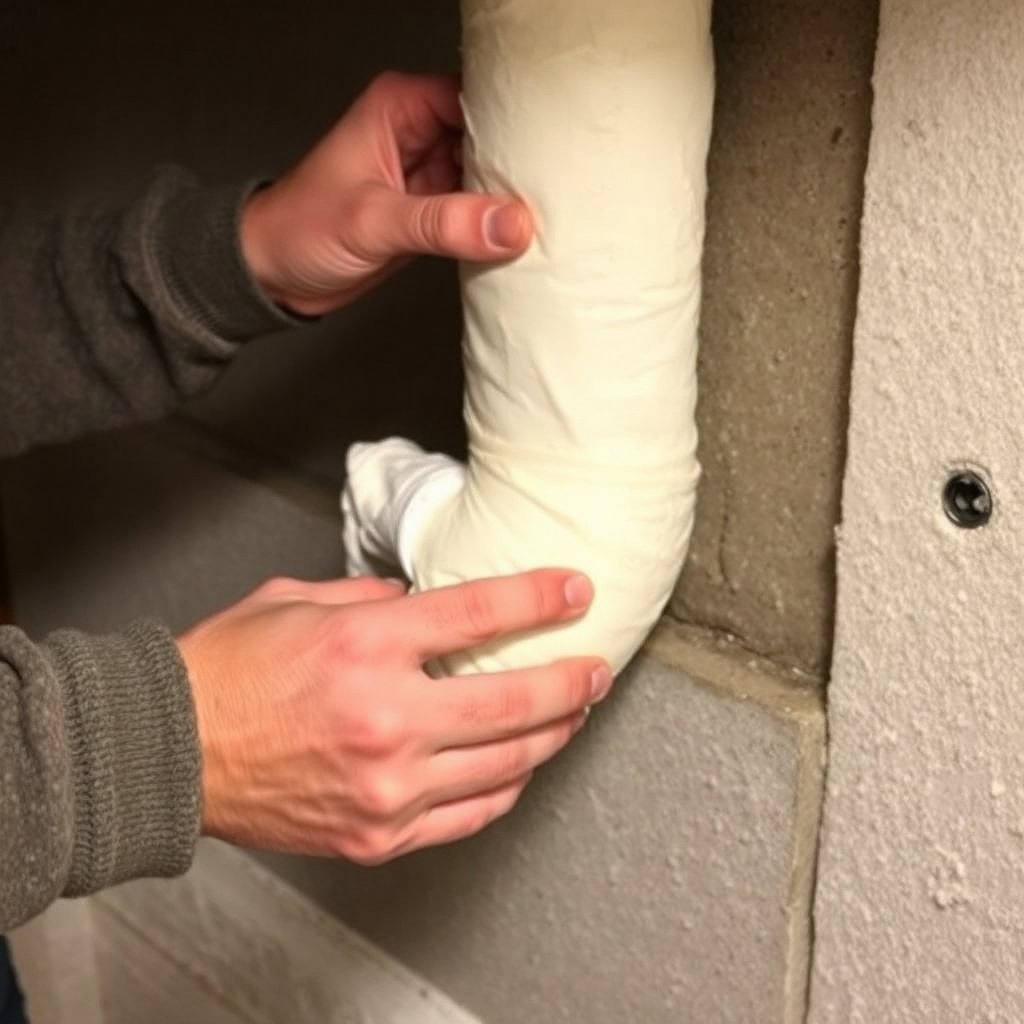
Foam rubber and polyethylene sleeves are common insulation materials that guard pipes against freezing temperatures. Foam tubes fit snugly around pipes and provide effective thermal protection, while fiberglass wrap suits irregularly shaped or larger pipes.
When selecting insulation, consider pipe diameter, location, and temperature extremes. Materials rated for outdoor use may be necessary for exposed pipes. Proper installation without gaps or compression is key to effectiveness.
- Foam sleeves for standard pipe sizes
- Fiberglass wrap for irregular or large pipes
- Self-sealing tape insulation for tight spots
- Weather-resistant materials for exterior pipes
For more on this, see our related guide: How to Winterize a Lake House: A Complete Step-by-Step Guide.
Installing Insulation Effectively
Begin by cleaning and drying pipes to ensure good adhesion for insulation. Cut sleeves or wraps to length, securing seams and joints with weatherproof tape. Cover valves, bends, and fittings thoroughly to prevent cold air pockets.
Seal off any holes or cracks in walls and basement access points near plumbing lines to minimize drafts. In colder climates, adding extra layers or insulating whole wall cavities may be necessary to maintain warmth around pipes.
- Clean pipes before installation
- Seal seams tightly with insulation tape
- Cover valves and fittings fully
- Block drafts around plumbing areas
Heating Methods to Protect Plumbing
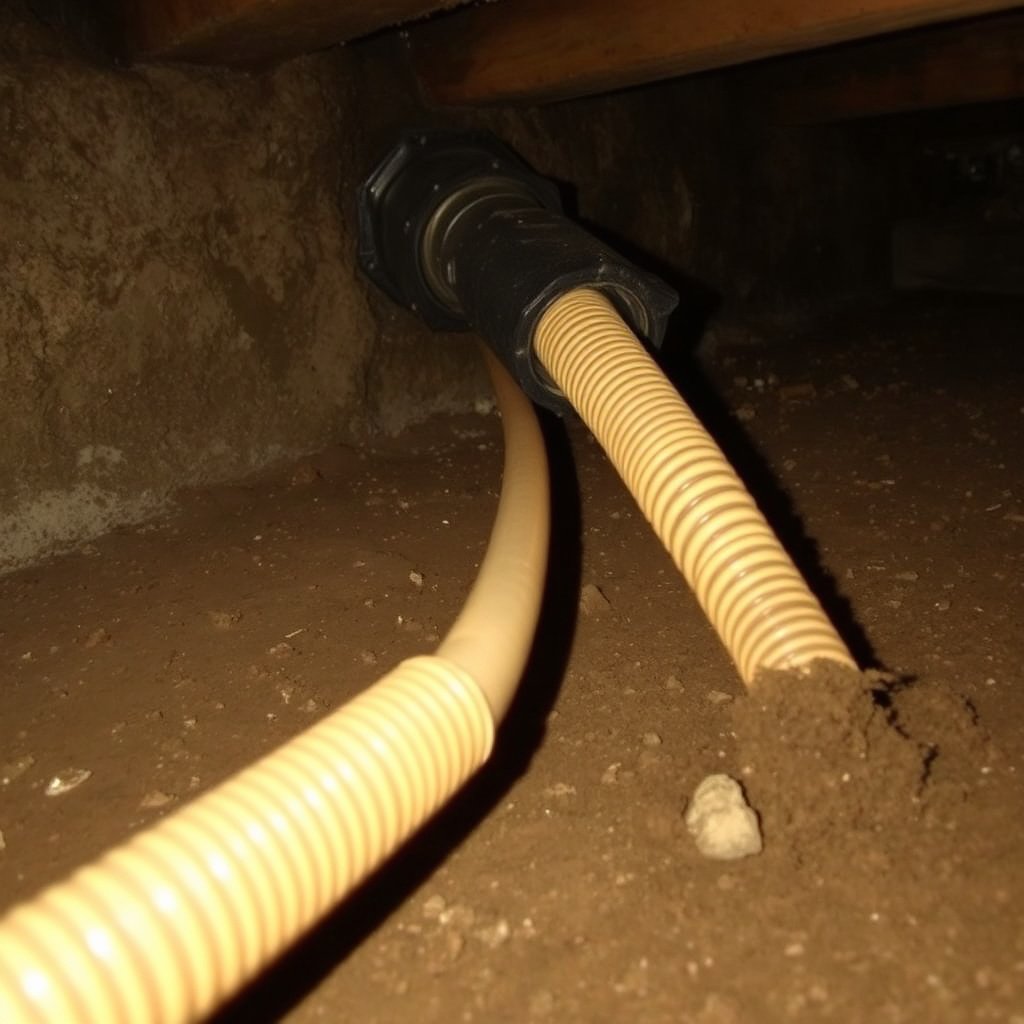
Using Heat Cables and Tape
Heat cables or heat tape supply low wattage heat to pipes, preventing freezing even in very cold conditions. These electrically powered devices wrap around pipes and turn on automatically in response to dropping temperatures.
Proper installation involves running the cable along the length of the pipe without overlapping, securing it with tape or zip ties. Many models feature built-in thermostats for energy efficiency and automatic operation during freezing weather.
- Self-regulating heat cables adjust output based on temperature
- Thermostatted heat tape turns on/off as needed
- Requires electrical outlet access near pipes
- Should avoid overlapping cable sections
Maintaining Minimum Indoor Temperatures
Keeping your vacation home heated to a consistent minimum temperature (usually above 55°F or 12°C) greatly reduces freezing risk. Programmable thermostats can maintain heat economically when you're away, preventing pipe exposure to dangerously low temperatures.
In combination with insulation, this approach significantly lowers freeze probability. Ensuring proper HVAC system function and sealing off drafts enhances heat retention, protecting the plumbing system throughout colder months.
- Set thermostat to minimum 55°F (12°C)
- Use smart thermostats for remote control
- Seal windows, doors, and vents to keep heat in
- Regular HVAC maintenance ensures reliability
Winterizing Your Vacation Home Plumbing System

Draining and Shutting Off Water Supply
Before extended absences during winter, draining all water lines and shutting off the main water supply prevents standing water from freezing inside pipes. This process includes flushing toilets, opening faucets, and draining water heaters and irrigation systems.
Additionally, adding non-toxic antifreeze to traps and drains can protect against residual water freezing. This procedure is essential for homes without reliable heating or those in extremely cold climates.
- Turn off main water valve
- Drain all faucets, toilets, and appliances
- Flush water heater according to manufacturer instructions
- Use RV or non-toxic antifreeze in traps
For more on this, see our related guide: How to Open a Lake House for Summer: A Practical Step-by-Step Guide.
Scheduling Regular Inspections and Maintenance
Conducting inspections before and after winter reduces the chance of missing damage or weaknesses. Look for leaks, cracks, or missing insulation on pipes, and repair promptly. Regular maintenance on heating and plumbing systems ensures preparedness for cold periods.
Hiring a professional plumber to winterize your vacation home plumbing can identify risks and apply advanced solutions, offering peace of mind while you’re away.
- Inspect pipes and insulation biannually
- Fix leaks and seal openings promptly
- Service heating system and controls annually
- Professional winterization services for peace of mind
Monitoring and Emergency Preparedness

Using Smart Sensors and Remote Monitoring
Water sensors placed near vulnerable pipes and appliances detect leaks or changes in temperature, sending alerts to homeowners remotely. Many smart home systems integrate with smartphones, allowing quick response to potential pipe freezes or bursts.
Some sensors also monitor humidity and temperature changes, enabling preventative action before damage occurs. This technology is especially useful for vacation homes where physical presence is limited.
- Real-time leak and freeze alerts via smartphone
- Temperature and humidity monitoring
- Integration with smart home platforms
- Enables timely remote intervention
For further technical details and additional precautions related to pipe freezing, these pipe freezing prevention tips provide useful information. pipe freezing prevention tips.
Preparing for Emergency Pipe Repairs
In case pipes freeze or burst despite precautions, having emergency repair supplies and contacts ready minimizes damage. Keep pipe repair clamps, insulation materials, and shutoff valve access clearly marked.
Identify local plumbing professionals who can perform urgent repairs. Quick action reduces water damage severity and repair costs, helping restore your vacation home faster.
- Store pipe repair clamps and insulation handy
- Know location of all water shutoff valves
- Maintain a list of local emergency plumbers
- Document your plumbing layout for quick reference
Vacation Home Plumbing Protection Methods Comparison
The following table compares popular methods to prevent freezing pipes in vacation homes, focusing on effectiveness, cost, maintenance, and suitability for seasonal properties.
| Method | Effectiveness | Initial Cost | Maintenance Required | Best Use Case |
|---|---|---|---|---|
| Pipe Insulation | High | $ | Low | General protection in moderate cold |
| Heat Cables/Tape | Very High | $$$ | Medium | Extremely cold climates or exposed pipes |
| Draining and Shutting Off | Very High | $ | High | Long-term vacancy without heating |
| Maintaining Indoor Heat | High | $$ | Medium | Properties with reliable HVAC systems |
| Smart Sensors | Medium | $$ | Low | Remote monitoring and early alert |
| Professional Winterization Services | Very High | $$$ | Low | Comprehensive seasonal preparation |
Frequently Asked Questions
Can I use regular antifreeze in my vacation home's plumbing?
No, only non-toxic antifreeze specifically designed for plumbing systems should be used to prevent freezing, especially in traps and drains, to avoid contaminating water supplies.
How often should I inspect my vacation home's pipes during winter?
Inspections should be performed at least twice a year, ideally before winter and after any extended cold period, to detect insulation damage or leaks early.
Is it safe to leave the heat off in my vacation home during winter?
Leaving heat off can lead to pipe freezing and bursting. It’s safer to maintain a minimum temperature or drain the plumbing system completely if heating is not used.
What is the best insulation for outdoor pipes?
Weather-resistant foam sleeves or fiberglass wrap with a waterproof covering are best for insulating outdoor pipes exposed to severe cold and moisture.
Can smart home technology help prevent frozen pipes?
Yes, smart water sensors and temperature monitors provide early warnings of freezing conditions or leaks, allowing remote action to prevent damage.
Key Takeaways
- Insulating pipes effectively reduces the risk of freezing in vacation homes.
- Heat cables and maintaining indoor heat provide reliable protection in very cold climates.
- Draining plumbing systems is crucial if the property will be unheated and unoccupied.
- Smart monitoring can alert owners early to prevent costly water damage.
Conclusion
Preventing frozen pipes in a vacation home demands a balance of proper insulation, heating strategies, and seasonal maintenance routines. Evaluating the home's exposure, climate, and usage patterns will guide which protective measures are most suitable, helping avoid costly repairs caused by burst pipes and water damage.
For homes in milder climates or those with regular occupancy, insulating pipes combined with maintaining a minimum indoor temperature provides strong protection without complex interventions. Properties subjected to extreme cold or long winter vacancies benefit greatly from draining water systems and installing heat cables or heat tape to keep critical pipes thawed.
Taking practical next steps involves inspecting vulnerable plumbing areas, upgrading insulation where needed, and considering smart sensors for remote alerts. Engaging professional winterization services can add confidence that your vacation home's plumbing is secure during off-seasons. With thorough preparation, your property will remain safe and ready for your return.