How to Insure a Boat Dock: A Complete Guide for Waterfront Property Owners
Insuring a boat dock involves purchasing specialized coverage that protects the dock structure from damage caused by storms, accidents, or liability claims. Typically, boat dock insurance is offered as an add-on or endorsement to your homeowner’s or marina insurance policy, covering repair costs and legal protection in case of injury on the dock.
Having a reliable boat dock insurance policy is essential for waterfront property owners because docks are exposed to environmental risks like high winds, flooding, and watercraft collisions. Failure to properly insure your dock can lead to costly repairs, replacement expenses, or liability claims that could otherwise strain your finances.
This article will explain the key types of boat dock insurance coverage, what factors influence your premiums, how to choose the right policy for your needs, and offer practical tips for maintaining and protecting your dock year-round.
Understanding Boat Dock Insurance Coverage
Types of Damages Covered
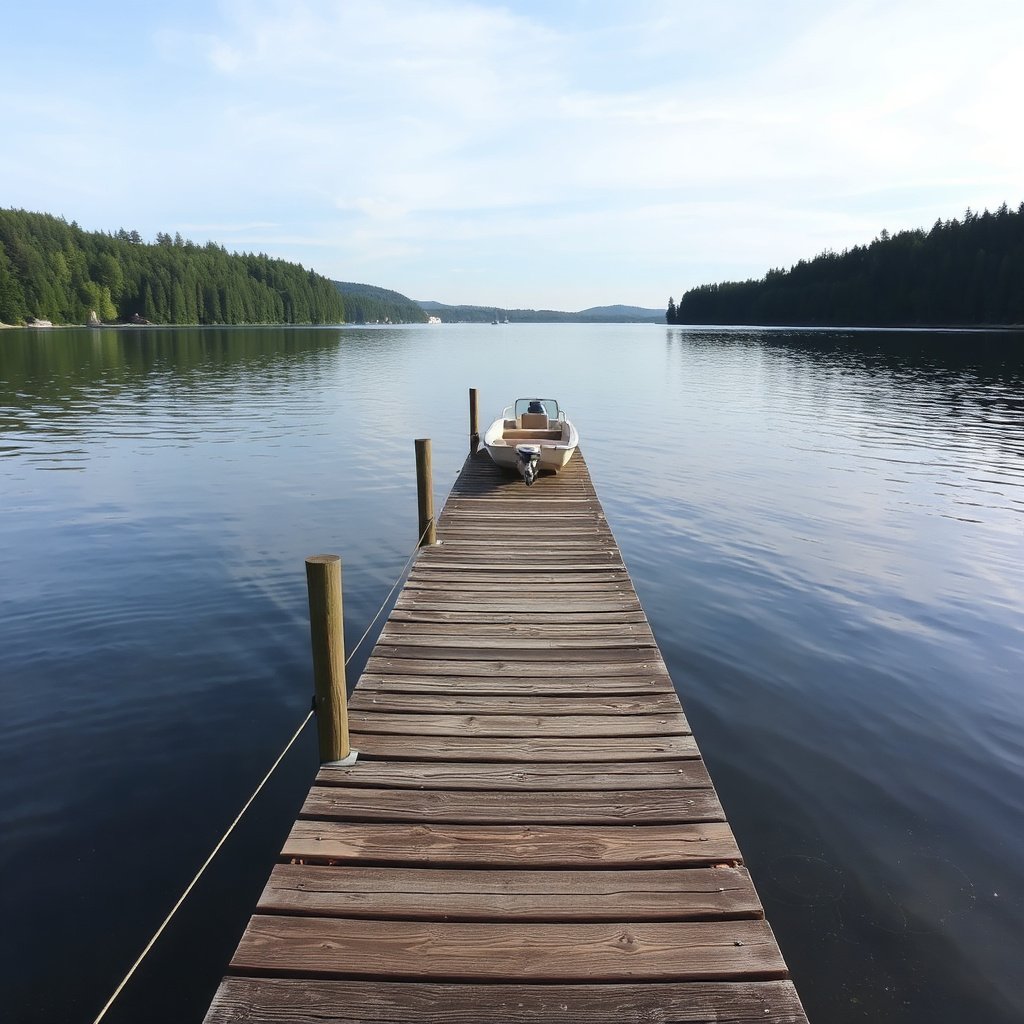
Boat dock insurance typically covers structural damage caused by storms, lightning, fire, vandalism, and collisions with boats or floating debris. Coverage may also include underwater pilings and any attached ladders or canopies.
Some policies extend to consequential damages, such as loss of use if your dock is unusable during repairs. However, coverage varies greatly among providers, so reviewing the policy details is necessary to understand the extent of protection.
Liability Protection
Liability coverage within boat dock insurance protects you if someone is injured on your dock and decides to sue. It covers medical expenses and legal defense costs, helping limit your financial exposure.
Property owners should confirm whether their homeowner’s liability insurance automatically covers their dock or if a separate endorsement is required. Not all homeowner policies include this by default.
Factors Affecting Boat Dock Insurance Premiums
Dock Construction and Materials
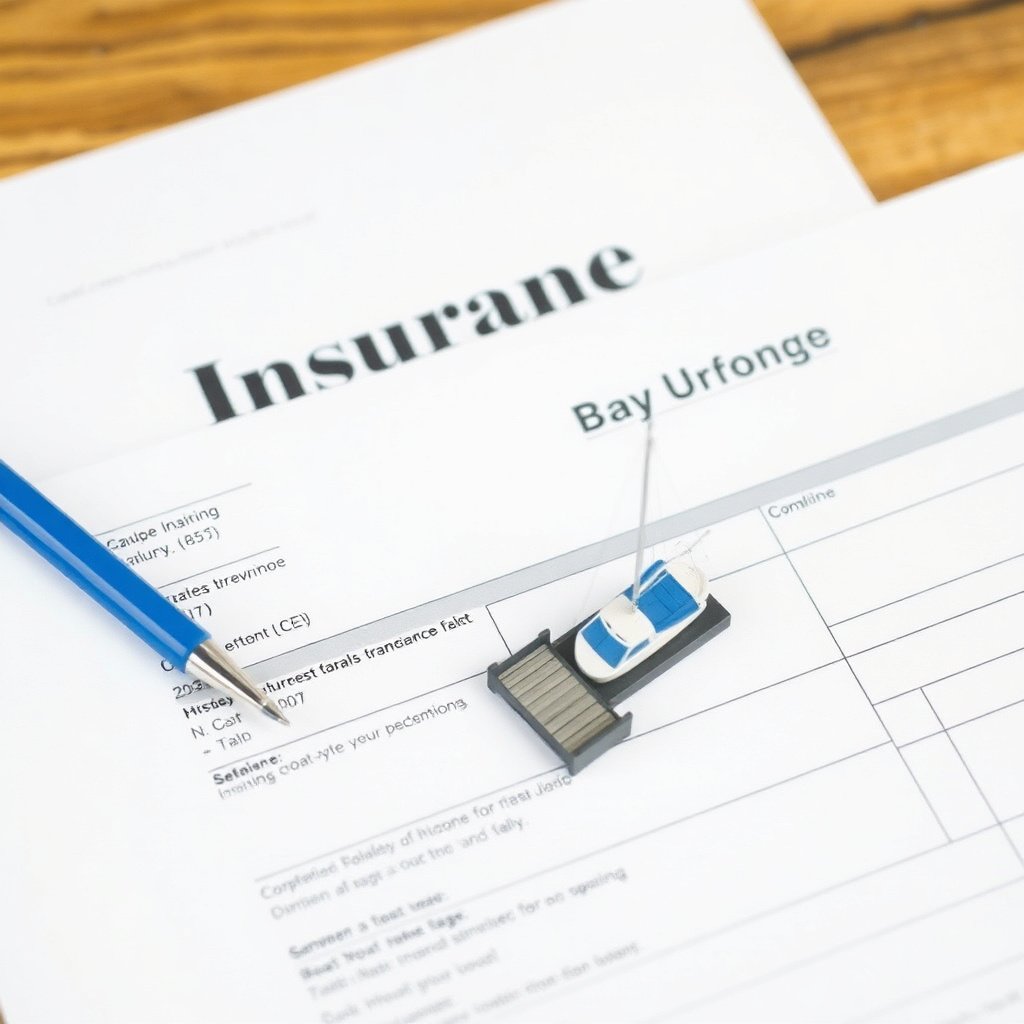
Insurance providers consider the dock’s construction type and materials when setting premiums. Docks made of durable, weather-resistant materials like treated wood or composite decking typically cost less to insure than those made from untreated wood.
Elevated or floating docks have different risk profiles. Floating docks, while flexible in rising water, may be more vulnerable to storm surges, affecting premiums as well.
Location and Environmental Risks
The location of your boat dock influences insurance costs, especially if it's in a hurricane-prone area, on open water, or subject to frequent flooding. Riskier locations lead to higher premiums due to increased chances of damage.
Proximity to rescue services, marina security, and local water traffic can also impact risk assessments by insurers.
Choosing the Right Boat Dock Insurance Policy
Standalone Policies vs. Endorsements
Boat dock insurance can be purchased as a standalone policy or as an endorsement to your existing homeowner’s or marina policy. Choosing depends on your dock’s value and your coverage needs.
Endorsements may offer convenience and lower costs, but standalone policies often provide broader coverage options, including separate limits and specialized liability protection.
For more on this, see our related guide: How to Insure a Lake House: Essential Tips for Waterfront Property Protection.
Coverage Limits and Deductibles
When selecting your boat dock coverage, assess the value of your dock and any additions to determine appropriate coverage limits to avoid underinsurance.
Deductibles affect your premium amounts; a higher deductible lowers premiums but increases out-of-pocket costs after a claim. Balancing these factors helps tailor a policy to your budget and risk tolerance.
Maintaining and Protecting Your Boat Dock
Regular Inspections and Repairs
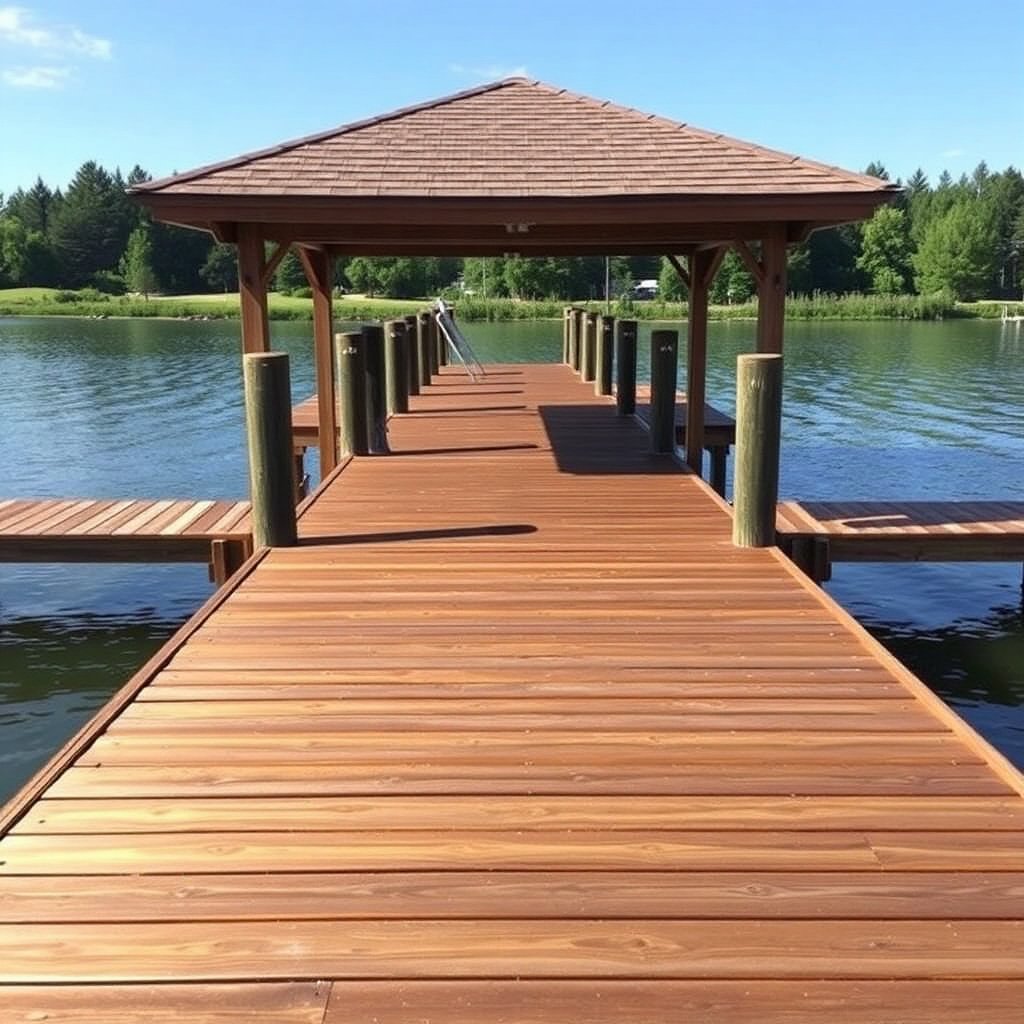
Performing routine inspections helps detect wear, damage, or rot early, reducing the likelihood of costly claims. Replace loose boards, tighten fasteners, and repair pilings before damage worsens.
Insurance companies often require proof of maintenance during claims evaluations, so maintaining detailed records benefits your coverage.
- Inspect after storms
- Check underwater supports
- Document repairs
Implementing Safety Measures
Adding safety features such as railings, non-slip surfaces, and adequate lighting reduces accident risks and liability exposures.
Clear signage and ensuring unobstructed access for emergency services further enhance dock safety, potentially lowering insurance premiums.
- Install safety railings
- Use non-slip coatings
- Maintain clear pathways
Understanding Boat Dock Insurance Claims Process
Documenting Damage Properly
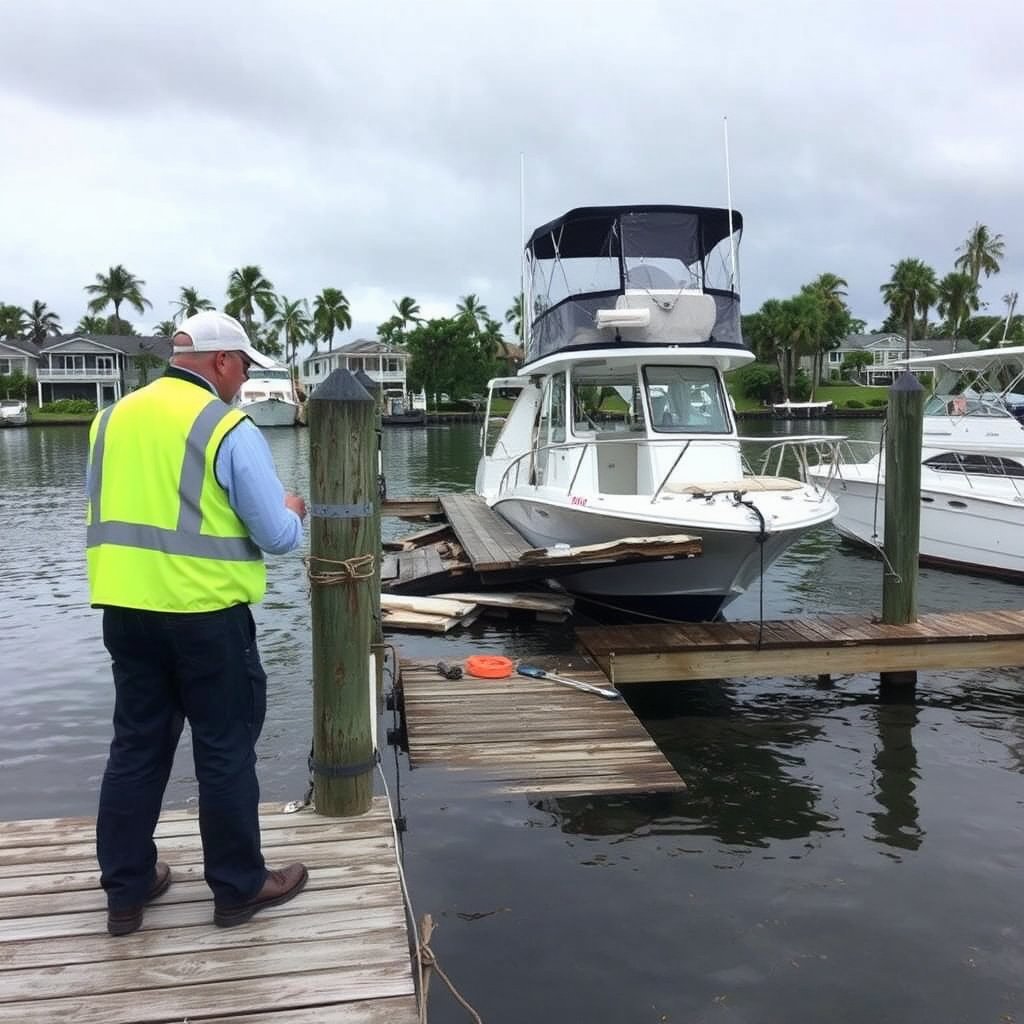
After a damaging event, document the condition of your boat dock thoroughly with photos, videos, and notes. This evidence supports your claim and expedites the process.
Contact your insurance agent promptly and understand your policy’s claim procedures to avoid delays.
For more on this, see our related guide: How to Finance a Boat Dock: A Practical Guide to Funding Your Waterfront Upgrade.
Working with Adjusters
An adjuster from the insurer will inspect the damage and estimate repair costs. Being present during the inspection allows you to point out all issues and clarify what you believe needs coverage.
Keep communication clear and maintain copies of all correspondence and repair invoices.
Boat Dock Insurance and Local Regulations
Permits and Compliance
Before installing or repairing a dock, verify you have all necessary permits from local authorities. Insurers may require compliance verification to approve coverage or claims.
Familiarize yourself with zoning rules and environmental protections that apply to your waterfront property.
For a general overview of insurance principles that apply to specialized coverage like boat dock insurance, you can refer to authoritative resources such as Wikipedia. Boat dock insurance.
Impact on Insurance Eligibility
Non-compliance with local laws can jeopardize your boat dock insurance eligibility or lead to claim denials. Insurance companies often review compliance status during underwriting.
Maintaining up-to-date records of permits and inspections helps demonstrate responsibility and maintain coverage.
Boat Dock Insurance Coverage Options Comparison
Compare common boat dock insurance types and features to understand which suits your needs best.
| Coverage Type | Typical Coverage | Cost Range | Best For |
|---|---|---|---|
| Endorsement on Homeowner Policy | Structural damage, limited liability | $100-$300/year | Small private docks |
| Standalone Dock Insurance | Comprehensive damage + liability | $300-$800/year | High-value or commercial docks |
| Marina Insurance | Liability + property in marina | Varies widely | Marina owners and public docks |
| Rider on Boat Insurance | Limited structural coverage | $50-$200/year | Boat owners with minor dock damage needs |
Frequently Asked Questions
Can I insure my boat dock if it is floating rather than fixed?
Yes, many insurers cover floating docks but may assess higher risk due to their vulnerability during storms. Be sure to specify the dock type when applying to get accurate coverage and pricing.
Is liability automatically included in boat dock insurance?
Liability coverage is sometimes included but often requires a separate endorsement. Confirm with your insurer whether your policy protects against injury claims related to your dock.
Do homeowner insurance policies cover boat docks?
Some homeowner policies include limited dock coverage, usually as an endorsement. Since coverage varies, it’s essential to check your policy details and possibly get additional protection tailored to your dock.
How can I reduce my boat dock insurance premiums?
Maintaining your dock well, installing safety features, and choosing durable materials reduce risk factors insurers consider, which can lower premium costs.
What should I do after my dock is damaged in a storm?
Immediately document all damage with photos and contact your insurer. Follow their claim process carefully and keep receipts from any temporary repairs.
Key Takeaways
- Boat dock insurance covers structural damage and liability risks specific to docks.
- Premiums depend on dock materials, location, and environmental hazard levels.
- Choose between standalone policies and endorsements based on dock value and coverage needs.
- Regular maintenance and safety upgrades can reduce insurance costs and risks.
Conclusion
When deciding how to insure a boat dock, it's important to evaluate both the physical characteristics of the dock and the environmental risks it faces. Knowing the differences between endorsement options and standalone policies allows property owners to choose coverage that matches their dock's value and protects against both physical damage and liability. This strategic approach helps protect your waterfront investment effectively without overpaying.
For smaller, privately-owned docks, adding boat dock insurance coverage to your homeowner’s policy through an endorsement often suffices. However, for substantial docks, commercial marinas, or docks in high-risk areas, standalone dock insurance policies offer broader protection and higher limits. Understanding local requirements and ensuring compliance are crucial steps that also influence insurance eligibility and claims success.
Begin by reviewing your existing homeowner’s and boat insurance policies to identify gaps related to your dock. Then consult with insurance agents specializing in waterfront properties to compare coverage options and costs. Maintaining your dock regularly, documenting improvements, and applying safety features can help maintain manageable premiums while safeguarding your dock for years to come.