Do You Need a Septic Inspection? Key Signs and Guidelines
Yes, you need a septic inspection if you own a property with a septic system—especially before buying, selling, or if you notice signs of system malfunction. A septic inspection helps identify issues like leaks, blockages, or system failures early, preventing expensive damage and environmental hazards.
Septic systems handle wastewater treatment on-site, so their proper functioning is vital for health and property safety. Regular inspections protect your investment, ensure regulatory compliance, and promote longevity of the system. Ignoring inspections can lead to sewage backups or contamination of nearby water sources.
This article covers when a septic inspection is necessary, what it involves, key signs indicating a need for inspection, maintenance tips, and how to choose a qualified professional. It will also compare inspection types and address common questions to help you understand why and how often septic inspections should be performed.
When Is a Septic Inspection Needed?
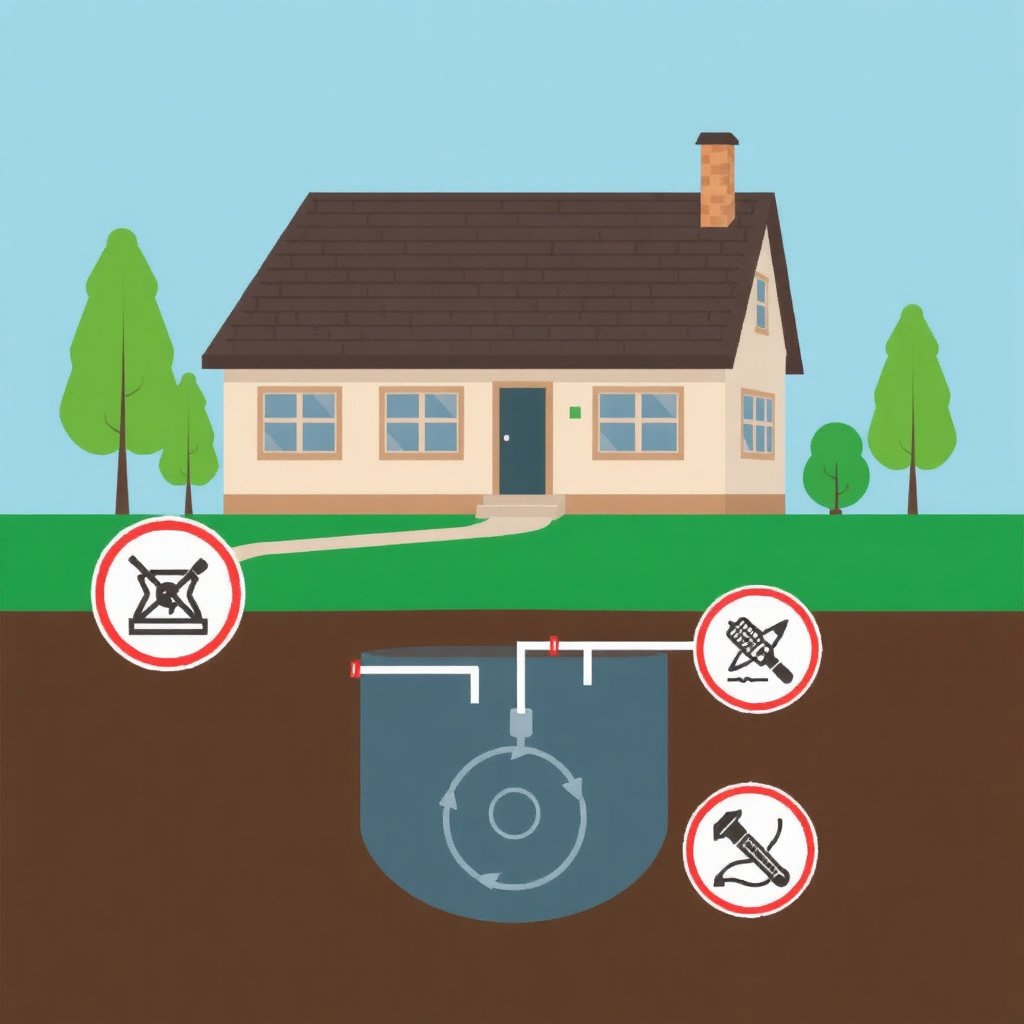
Required Inspections Before Property Sale or Purchase
Many states or localities require septic inspections before transferring property ownership to verify the system’s condition. Buyers want assurance there's no hidden damage requiring expensive repairs, while sellers need to prove system safety and compliance.
During a property sale, an inspection typically includes checking the tank, drainfield, and overall system operation. If problems arise, sellers may need to repair or replace parts before closing, making these inspections critical.
Signs Indicating an Inspection is Needed
If your property shows symptoms such as slow drains, sewage odors, water pooling in the yard, or unusually lush grass over the drainfield, it calls for an immediate septic inspection. These signs suggest system failures that could escalate rapidly.
Early identification via inspection can save costs and avoid public health risks. Waiting until a complete failure happens often results in much more invasive fixes and potential property damage.
- Slow draining sinks and toilets
- Unpleasant odors around the yard or inside home
- Pooling or soggy areas over the drainfield
- Backups in plumbing or toilets
What Happens During a Septic Inspection?

Tank Assessment and Pumping Check
Inspectors open the septic tank to check sludge and scum levels, measuring capacity to determine if pumping is necessary. They look for cracks or leaks in the tank, which can lead to contamination and costly damage if undetected.
The pumping check prevents overflow and ensures system balance. Proper sludge levels help maintain effective bacterial action essential for breaking down waste inside the tank.
Drainfield and System Performance Evaluation
The drainfield is examined for signs of clogging or saturation through soil tests and visual inspection. Inspectors may conduct percolation tests to check soil absorption rates, an important indicator of whether the drainfield will function properly.
They also assess plumbing connections and check for leaks or damage in lines between the home and the septic system to ensure efficient wastewater flow throughout.
Maintenance Tips for a Healthy Septic System

Routine Pumping and Avoidance of Harmful Chemicals
Regular pumping, typically every 3 to 5 years depending on usage, removes accumulated solids that can clog the system. Avoid flushing harsh chemicals, grease, or non-biodegradable items as they kill beneficial bacteria critical for waste breakdown.
Proper maintenance keeps the system balanced and functioning efficiently, reducing the frequency of costly repairs and prolonging service life.
- Schedule pumping regularly based on tank size and household use
- Do not flush chemicals, paints, or wipes
- Dispose of grease and oils properly
For more on this, see our related guide: How to Maintain a Septic System for Long-Lasting Performance.
Water Conservation and Landscaping Practices
Excessive water use can overload the septic system causing untreated sewage to surface. Practice water conservation by fixing leaks and spreading out laundry loads. Additionally, avoid planting trees or deep-rooted shrubs near the drainfield as roots can damage pipes.
Maintaining proper landscaping ensures the soil absorbs effluent without obstruction, supporting system health and local groundwater safety.
- Fix leaking faucets promptly
- Limit simultaneous water-heavy activities
- Plant only shallow-rooted grass over drainfield
Choosing the Right Professional for Septic Inspection
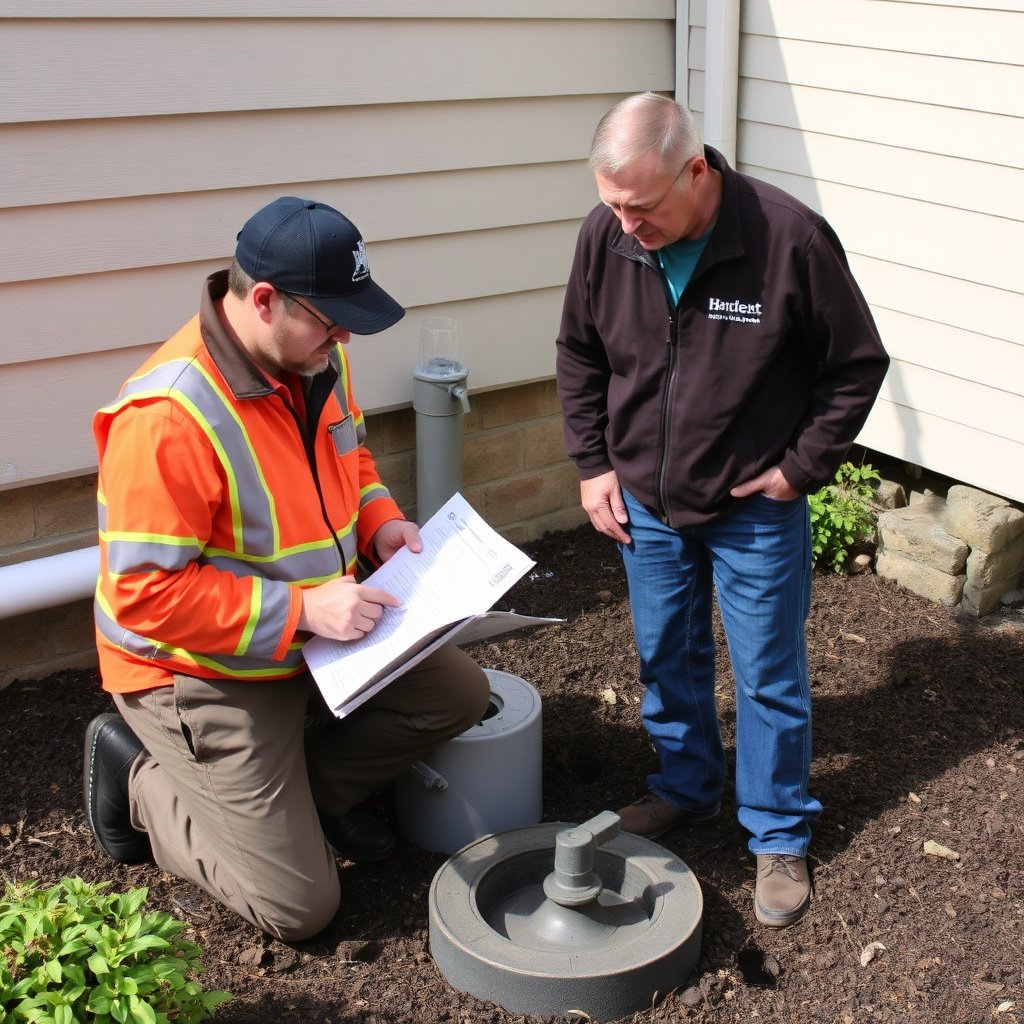
Credentials and Experience to Look For
Select an inspector with proper certification and licenses as required by your state or local jurisdiction. Experienced pros will be familiar with local soil conditions, regulations, and system types, leading to more accurate inspections and advice.
Ask about references, years of experience, and whether the inspector offers follow-up services like pumping or repairs to streamline the process and ensure reliability.
- Certified septic system inspectors
- Local licensing and insurance
- Good customer reviews and referrals
Cost and Inspection Package Considerations
Inspection fees vary depending on the system size, complexity, and region. Some inspectors provide bundled packages including inspection, report, and pumping which can save money. Clarify what services are included and get estimates in writing.
Choosing a detailed inspection over a superficial check brings long-term savings by uncovering issues before they worsen and helps maintain your system properly.
- Compare multiple quotes
- Check for included services
- Avoid overly low-cost inspections that could skip details
Legal and Environmental Importance of Septic Inspections
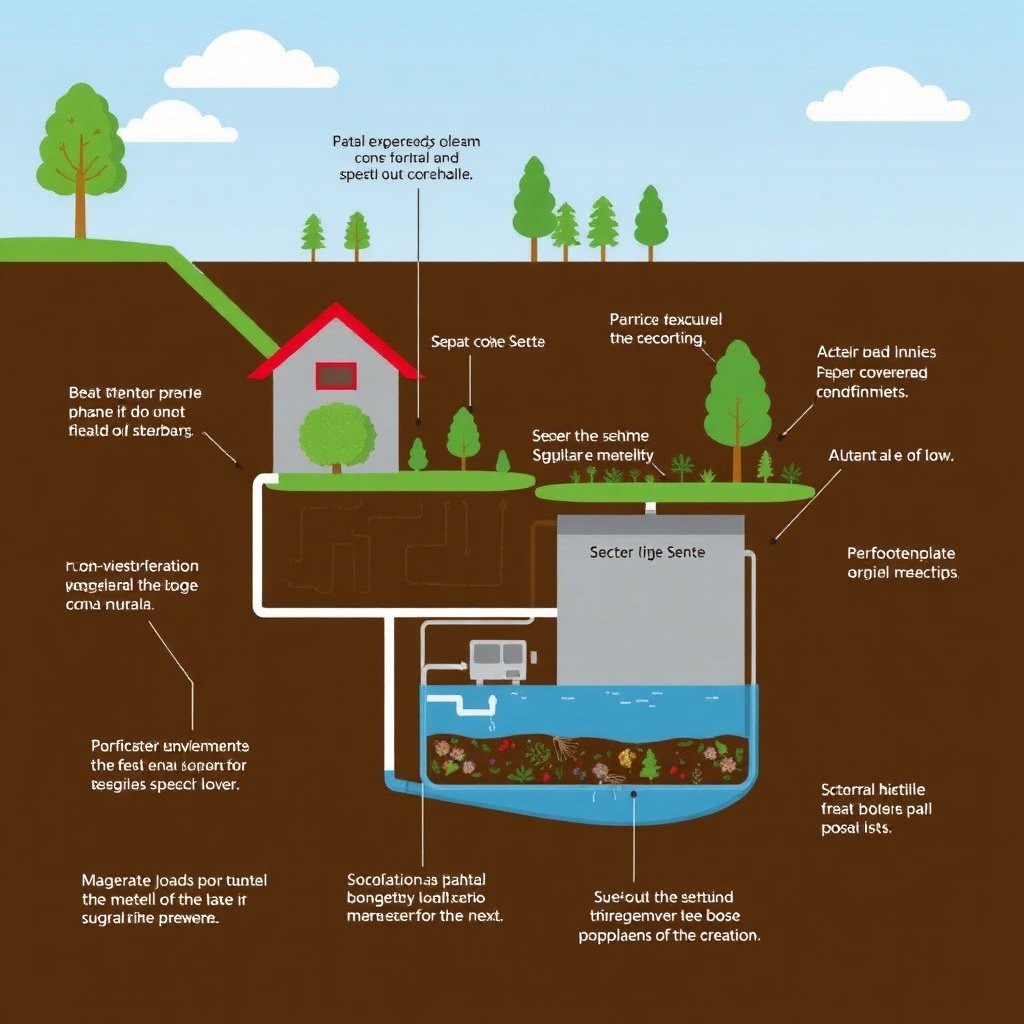
Compliance with Local Health and Building Codes
Many regions mandate septic inspections for property sales or building permits to protect public health. Failing to comply can result in fines, delayed sales, or required costly upgrades to meet current standards.
Keeping documentation of inspections and system maintenance demonstrates adherence and may increase property value by reassuring buyers about system safety.
For more on this, see our related guide: What Is a Septic System? Understanding How It Works and Why It Matters.
Protecting Groundwater and Public Health
A malfunctioning septic system can leak untreated sewage into soil and water, contaminating drinking water supplies and affecting ecosystems. Timely inspections reduce this risk by detecting leaks or system overload.
Proper maintenance and inspections help safeguard community health by preventing environmental pollution caused by failing septic systems.
Different Types of Septic Inspections Explained

Visual Inspection and Dye Testing
A visual inspection involves checking accessible parts of the system including the tank interior and plumbing connections. Dye tests involve adding a colored dye to fixtures to trace effluent flow and detect leaks or backflow issues.
This method helps quickly verify functionality and pinpoint immediate problems that need repair or further examination.
For a detailed overview of how septic systems operate, you can visit the septic system information on Wikipedia. Septic system information on Wikipedia.
Soil Percolation and Pumping Inspections
A soil percolation test measures how quickly soil absorbs water in the drainfield area, determining system suitability. Pumping inspections look at sludge levels and overall tank condition.
These inspections often complement each other to fully assess septic performance and predict longevity, which is vital in newly installed or failing systems.
Septic Inspection Types Category Comparison
This table compares common types of septic inspections based on typical cost, thoroughness, and when each is most appropriate.
| Inspection Type | Typical Cost | Thoroughness | Best Use Case |
|---|---|---|---|
| Visual Inspection | $100 – $200 | Basic | Routine check and minor issues detection |
| Dye Test | $150 – $300 | Moderate | Detecting leaks and flow problems |
| Soil Percolation Test | $200 – $400 | Detailed | Evaluating drainfield absorption capacity |
| Pump and Tank Inspection | $250 – $500 | Comprehensive | Full system status and maintenance planning |
Frequently Asked Questions
How often should a septic system be inspected?
Most septic systems require inspection every 3 to 5 years, although some factors like household size or system age may require more frequent checks.
What does a septic inspection cost on average?
Septic inspection costs generally range between $100 and $500 depending on inspection type, tank size, and regional pricing differences.
Can I inspect my septic system myself?
While homeowners can perform basic checks, professional inspections are necessary to accurately diagnose hidden problems and comply with regulations.
What are the common signs of septic system failure?
Symptoms include slow drains, sewage odors, pooling water near the drainfield, and backups in household plumbing.
Is septic inspection mandatory when selling a house?
Many areas require septic inspections before property sale to ensure system functionality and protect buyer interests.
Key Takeaways
- Septic inspections are necessary before property transfers and when warning signs appear.
- Regular pumping and maintenance help avoid costly repairs and system failures.
- Choosing a certified professional guarantees thorough and reliable inspections.
- Different inspections serve specific purposes; select based on system needs and budget.
Conclusion
Making the decision to schedule a septic inspection involves understanding your system’s use, age, and condition. Paying attention to maintenance routines and recognizing symptoms of problems forms the basis of prudent septic system management. A well-timed inspection saves money by catching minor issues early and protects your property and health.
For homeowners preparing to sell or buy, or those noticing plumbing slowdowns and odors, a full septic inspection including tank pumping and soil absorption testing is recommended. For routine upkeep, an annual visual check and periodic pumping suffice. Selecting the right inspection type depends on symptoms and state regulations, ensuring the septic system’s durability and environmental safety.
Ultimately, the best next step is to schedule a professional septic inspector when any uncertainty arises about your system’s performance or before major property transactions. Maintaining a record of inspections supports compliance and future real estate transactions, offering peace of mind regarding your home’s essential wastewater management.