What Is a Seawall? Understanding Coastal Protection Structures
A seawall is a sturdy structure built along coastlines to shield land from the erosive force of ocean waves, storms, and tides. Its primary function is to block water and minimize damage to coastal property and infrastructure. Depending on the site, seawalls may be made from concrete, stone, steel, or other durable materials designed to absorb or reflect wave energy.
Coastal erosion and flooding pose growing threats due to rising sea levels and increased storm frequency. Without barriers like seawalls, shorelines retreat rapidly, swallowing beaches and damaging ecosystems. Seawalls serve as a frontline defense, prolonging the lifespan of coastal areas where communities live and work.
This article explores what seawalls are, the different types used worldwide, how they work to protect shores, their advantages and drawbacks, design factors, maintenance requirements, and alternatives to seawall construction.
Types of Seawalls and Their Construction Methods

Vertical and Curved Seawalls
Vertical seawalls are designed with a straight face perpendicular to the waterline, reflecting wave energy back toward the sea. Curved seawalls, having a concave shape, help dissipate wave force and reduce splash back on the land side. Both types are typically made from reinforced concrete or masonry blocks.
Construction involves deep foundations to prevent undermining and careful shaping to avoid excessive turbulence. Vertical walls are simpler and cheaper but can increase erosion on adjacent beaches due to reflected waves, while curved walls distribute energy more evenly but cost more.
Riprap and Revetment Seawalls
Riprap consists of large, loose rocks piled along the shoreline to absorb wave energy and prevent soil erosion. Revetments use sloping layers of stones or concrete units to create a more stable, graded barrier. These structures are less uniform than vertical walls and blend more naturally into their environment.
Though less expensive and quicker to construct, riprap and revetments require regular inspection and repositioning of loose stones to remain effective. They offer flexibility but may provide less protection against extreme storm surges.
How Seawalls Protect Against Coastal Erosion
Blocking Wave Energy
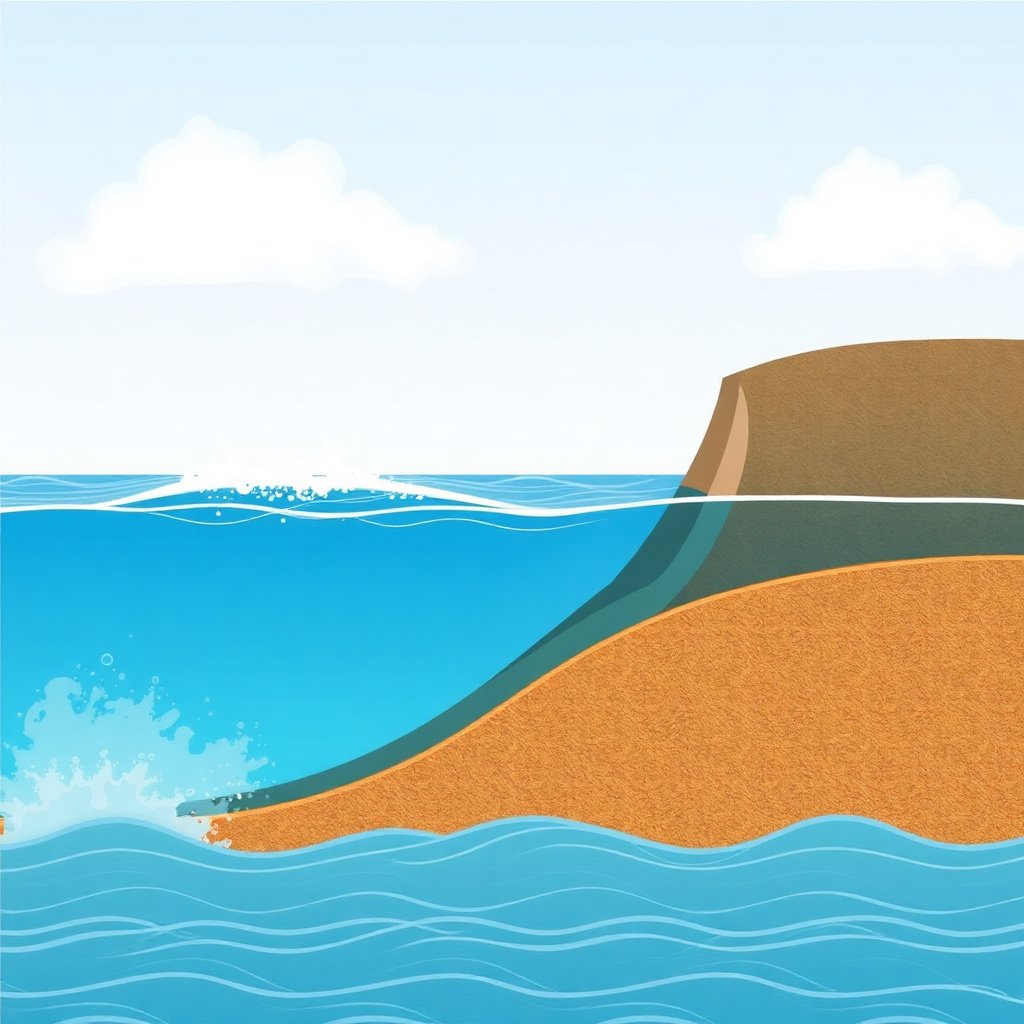
Seawalls act as physical barriers to incoming waves, preventing them from directly reaching and eroding the soil and structures behind them. By reflecting or absorbing wave force, seawalls reduce the impact of repeated wave action on vulnerable shorelines.
This reduction in wave energy helps maintain the beach or land area, slowing down soil displacement and the loss of sediment. However, the interaction between seawalls and natural coastal processes needs to be carefully managed to avoid unintended consequences.
Preventing Flooding and Inundation
In addition to blocking erosion, seawalls serve as flood barriers during high tides and storms. They protect inland areas from storm surge and tidal overflow, which can cause significant damage to infrastructure and ecosystems.
Designs often include raised heights and reinforced bases to withstand wave pressure and water levels that exceed normal conditions, providing essential protection during severe weather events.
Advantages and Disadvantages of Seawalls

Benefits of Installing Seawalls
Seawalls offer immediate, tangible protection for coastal properties, infrastructure, and roads. They can significantly reduce erosion rates and prevent costly damage from floods and storm surges.
Additionally, seawalls can extend the usable land area along the coast by stabilizing the shoreline and supporting community development.
- Reduces coastal property damage
- Protects roads and utilities
- Can preserve land for development
For more on this, see our related guide: How Much Does It Cost to Build a Seawall? A Detailed Cost Breakdown.
Potential Drawbacks and Environmental Impacts
While effective, seawalls may cause accelerated erosion on neighboring beaches by reflecting waves that scour adjacent areas. They can also disrupt natural sediment transport, leading to beach narrowing or loss.
Seawall constructions sometimes disrupt coastal ecosystems and alter habitats for marine and bird species. Visual impact and cost of maintenance are also notable concerns.
- Can worsen nearby beach erosion
- Disrupts natural habitats
- Requires ongoing maintenance
- Aesthetic impact on shoreline
Key Design Considerations for Seawalls
Material Selection and Structural Integrity
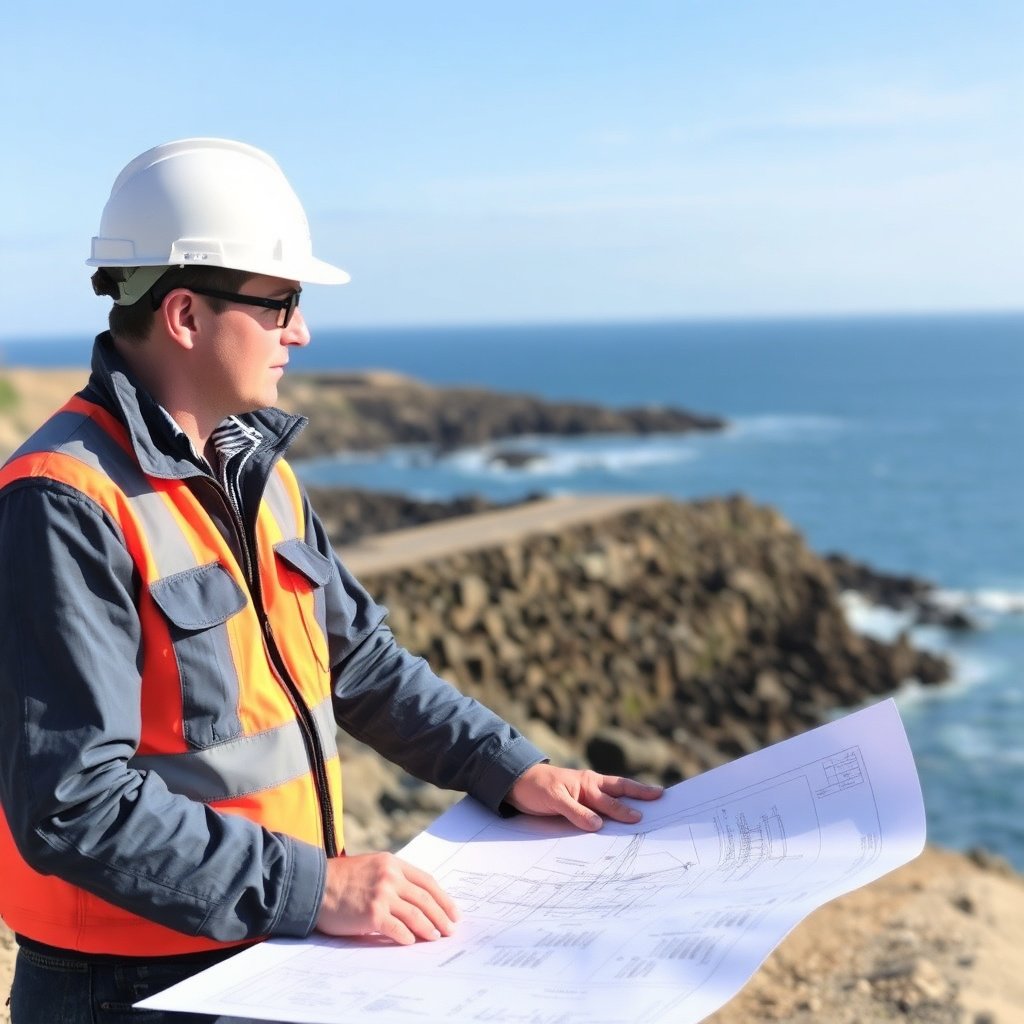
Choosing the right material affects durability and cost. Reinforced concrete is common for its strength and longevity, while stone and rock provide flexibility and natural aesthetics. Steel reinforcements can prevent cracking under impact.
Foundations must be designed to resist undermining from waves, tides, and soil movement, requiring geotechnical assessments prior to construction.
Height and Slope Parameters
Seawalls must be tall enough to block expected wave heights including storm surges and high tides. Sloped designs help spread out wave energy, reducing structural pressures.
Engineers use historical wave and tide data combined with climate projections to determine optimal dimensions that balance protection and environmental concerns.
Maintenance and Longevity of Seawalls
Regular Inspection and Repair Needs
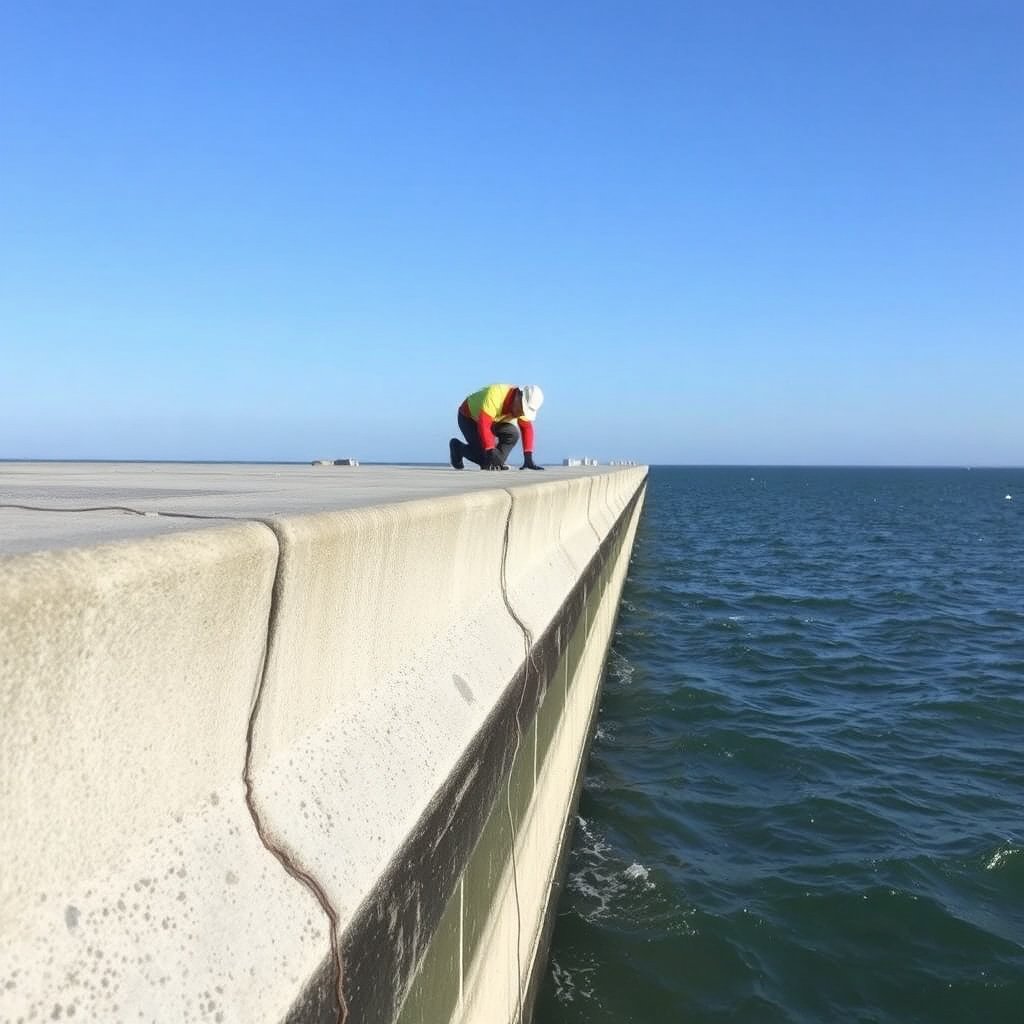
Seawalls face constant stress from waves, weather, and saltwater corrosion, meaning inspections are needed to detect cracks, erosion at the base, or displacement.
Timely repairs and reinforcements extend the lifespan of seawalls, preventing larger structural failures that might require expensive reconstructions.
For more on this, see our related guide: How to Maintain a Seawall for Long-Lasting Coastal Protection.
Expected Lifespan and Replacement
Well-constructed seawalls typically last between 30 to 60 years, depending on material quality and environmental conditions. Over time, even the best seawalls need replacement or upgrade to meet new coastal challenges.
Planning ahead for end-of-life seawall management can help coastal communities adapt to changing erosion patterns and sea-level rise.
Alternatives to Seawalls for Coastal Protection
Beach Nourishment and Dune Restoration
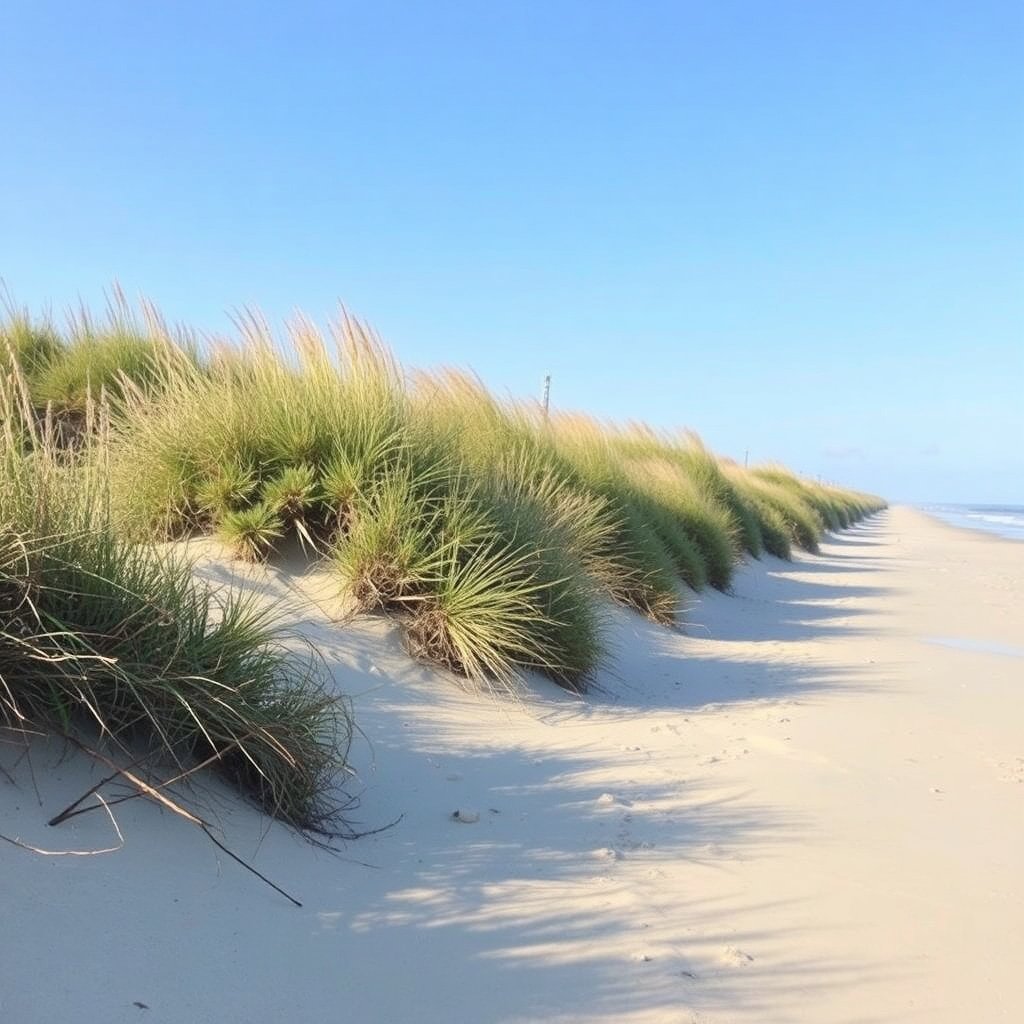
Replacing lost sand by beach nourishment or restoring dunes creates natural buffers that absorb wave energy and trap sediments. These softer options support ecosystems and improve beach aesthetics.
While not as immediately sturdy as seawalls, such approaches can be more sustainable over time and reduce downstream erosion.
For a detailed overview and history of seawalls, the Wikipedia seawall article offers comprehensive background and technical insights. seawall.
Living Shorelines and Vegetative Barriers
Planting marsh grasses and installing oyster reefs or mangroves stabilize shorelines biologically, reducing wave impact and encouraging sediment deposition.
Living shorelines also promote biodiversity and water quality and can be combined with engineered structures for hybrid solutions.
Seawall Types Category Comparison
Below is a comparison of common seawall types, highlighting key construction features, protection level, cost, and environmental impact.
| Category | Materials Used | Wave Energy Management | Cost Range | Environmental Impact |
|---|---|---|---|---|
| Vertical Seawall | Reinforced concrete, masonry | Reflects most wave energy | High | Can increase adjacent erosion |
| Curved Seawall | Concrete, masonry with curved face | Dissipates wave energy effectively | Very High | Moderate beach impact |
| Riprap Seawall | Large natural stones | Absorbs wave energy | Medium | Lower impact, requires upkeep |
| Revetment | Graded rock layers or concrete units | Sloped dissipation of energy | Medium | Less aggressive than vertical walls |
Frequently Asked Questions
How does a seawall differ from a breakwater?
A seawall is built along the shoreline to protect land from waves, while a breakwater is constructed offshore to reduce wave energy before it reaches the shore.
Can seawalls stop beach erosion completely?
Seawalls reduce erosion at the protected site but may increase erosion on nearby beaches due to wave reflection, so they don't stop erosion entirely.
What materials are commonly used to build seawalls?
Common materials include reinforced concrete, large stones (riprap), steel, and masonry blocks designed to withstand harsh marine conditions.
How long do seawalls typically last before needing replacement?
Seawalls usually last 30 to 60 years depending on construction quality, maintenance, and environmental exposure.
Are there more eco-friendly alternatives to seawalls?
Yes, options like beach nourishment, dune restoration, and living shorelines offer natural coastal protection with less environmental disruption.
Key Takeaways
- Seawalls protect coastlines by blocking and dissipating wave energy.
- Types include vertical, curved, riprap, and revetment seawalls.
- Material choice and design influence seawall effectiveness and environmental impact.
- Alternatives like living shorelines provide more sustainable coastal protection.
Conclusion
Determining whether a seawall is the right solution depends on balancing protection needs, environmental effects, and budget. Understanding how seawalls interact with wave energy and coastal processes helps in choosing a structure that safeguards property while minimizing harm to adjacent beaches. The design must accommodate local wave heights, tidal ranges, and soil conditions to provide reliable erosion and flood resistance over decades.
For properties directly threatened by harsh wave action or storm surges, vertical or curved concrete seawalls offer durable, immediate defense. Riprap and revetments suit areas needing a more natural look with moderate protection, while soft engineering methods like beach nourishment and living shorelines work well in less exposed locations or as complements to hard structures. Each option offers trade-offs between cost, maintenance, appearance, and environmental footprint.
Homeowners and planners should consult coastal engineers and specialists to evaluate site-specific risks and options. Monitoring and upkeep are essential to extend seawall lifespan and effectiveness. Combining technical and natural methods often provides the best long-term resilience against coastal erosion and flooding. Detailed planning and informed decisions will help sustain shorelines and communities in the face of changing environmental conditions.