How to Finance a Vacation Home: A Practical Guide for Buyers
Financing a vacation home typically involves securing a specialized mortgage, saving for a substantial down payment, and preparing for higher interest rates compared to primary residences. Many buyers use either a second-home loan or an investment property loan, depending on their intended use, to get the best terms available.
Owning a vacation home offers a private retreat and potential rental income, but the financial commitment is significant. Understanding your financing options and how lenders evaluate these unique properties can help prevent unexpected costs and make your purchasing process smoother.
This article covers different loan types suitable for vacation homes, the importance of credit scores and debt-to-income ratios, various down payment strategies, and tips for managing both taxes and ongoing costs. By the end, you'll have a clear grasp on how to approach financing that vacation property you’ve been dreaming about.
Understanding Vacation Home Financing Options
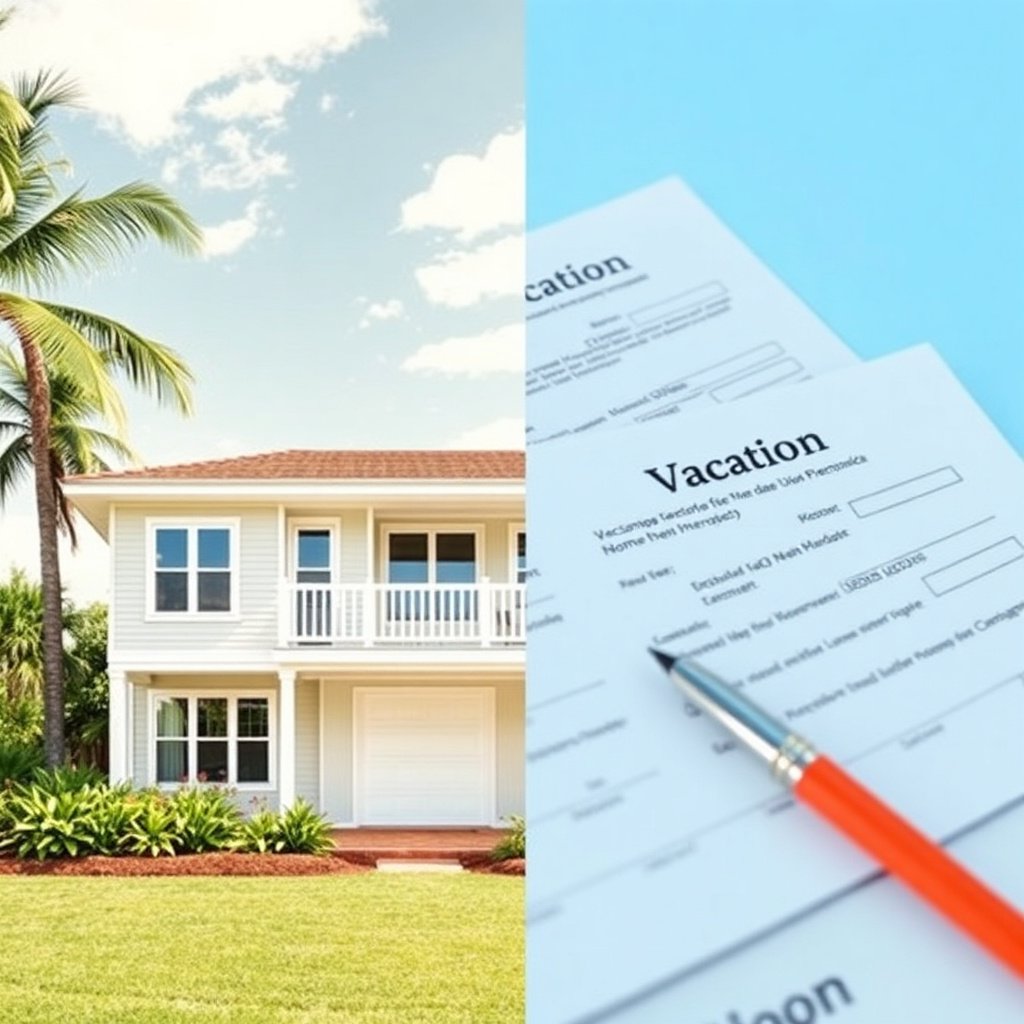
Second-Home Loans Explained
Second-home loans are tailored for buyers planning to use the property primarily for personal vacations and not as a rental. These loans typically require a down payment of at least 10% to 20%, and interest rates tend to be slightly higher than standard mortgages for primary residences.
Lenders require proof that the home will be well-maintained and used seasonally. Qualifying for a second-home loan involves good credit, a solid income, and a reasonable debt-to-income ratio to prove you can handle payments on both your primary residence and the vacation property.
Investment Property Loans
If you plan to rent out your vacation home when not using it, financing it as an investment property might be a better fit. These loans usually come with higher interest rates and stricter requirements, often demanding at least 20% down payment and a lower debt-to-income cap set by lenders.
Investment property financing demands more thorough documentation and proof of income stability, as lenders consider the added risk of rental vacancies or property damage, which can affect your ability to make mortgage payments.
Assessing Financial Requirements: Down Payments and Credit Scores

Down Payment Considerations
Vacation homes often require larger down payments than primary homes because lenders want extra assurance against higher risk. The minimum is generally 10% but can increase to 20% or more depending on your loan type, credit, and overall financial profile.
Saving for a larger down payment can reduce your loan balance, lower monthly payments, and improve your eligibility for better interest rates. Additionally, a bigger down payment may help you avoid private mortgage insurance, which adds to overall costs.
The Role of Credit Scores
Strong credit scores are essential when financing a vacation home due to the greater risk lenders take on. Scores of 700 or higher are often required for the best loan terms, while lower scores could mean higher interest rates or even loan denial.
Improving your credit before applying can enhance your loan terms. This involves paying down debts, avoiding new credit inquiries, and correcting any errors on your credit report months before you apply for financing.
Choosing Between Mortgage Types for Your Vacation Property

Fixed-Rate Mortgages
Fixed-rate mortgages offer predictable monthly payments, with interest rates staying the same throughout the loan term. This can be beneficial if you plan to keep the vacation home long-term and value budgeting certainty.
However, fixed rates for vacation homes tend to be slightly higher than for primary residences. You’ll need to weigh the stability of fixed payments against the potential savings from initially lower rates offered by adjustable-rate loans.
For more on this, see our related guide: How to Buy a Vacation Home at the Lake: A Practical Guide.
Adjustable-Rate Mortgages (ARMs)
ARMs usually start with lower interest rates that adjust based on market indices after a period, typically 5 to 7 years. This option could save money short-term but carry risk if rates rise when the adjustment period begins.
If you intend to use the vacation home only for a few years or plan to refinance before rates reset, an ARM might be attractive. Otherwise, the unpredictability of future payments could complicate your financial plans.
Budgeting for Additional Costs Beyond the Mortgage

Maintenance and Utilities
Vacation homes often require regular maintenance to remain in good condition, especially if located in seasonal or remote areas. Budgeting for repairs, landscaping, and property management (if you’re not there full-time) is essential.
Utility costs can be higher due to less frequent use or the need to maintain systems during off-seasons. Anticipating these expenses prevents surprises after closing and helps ensure the property remains welcoming when you arrive.
Property Taxes and Insurance
Property taxes on vacation homes can be higher than on primary residences as many local governments view them as luxury or second properties. Additionally, homeowners insurance policies often carry additional premiums for second homes or rental usage.
Some regions prone to natural disasters may require specialized insurance coverage, potentially increasing costs. Understanding tax implications and insurance requirements ahead of time can prevent budget shortfalls.
How Credit and Income Affect Vacation Home Financing

Debt-to-Income Ratio’s Impact
Lenders calculate your debt-to-income (DTI) ratio to assess how much of your income goes toward debt payments, including the new vacation home loan. Most require a DTI below 43%, although stricter limits can apply for non-primary homes.
Lowering existing debts before applying or increasing your income stream improves your chances of qualifying. Since financing a vacation home means handling two mortgages, this step is especially important.
For more on this, see our related guide: What Is a Lakefront Home? A Clear Guide to Buying and Living by the Water.
Documenting Stable Income
Proof of stable income reassures lenders that you can sustain mortgage payments alongside your current obligations. This may involve submitting tax returns, W-2s, pay stubs, or rental income statements if you plan to lease the property.
Self-employed buyers might face extra scrutiny and need to provide more extensive documentation, potentially including profit and loss statements and bank statements, to demonstrate consistent earnings.
Tax Implications and Legal Considerations

Tax Benefits and Deductions
Mortgage interest on a vacation home may be deductible up to certain limits, but rules differ from primary residences. Property taxes are also deductible, subject to caps on combined deductions.
If you rent the home, tax rules become more complex—and may enable you to write off expenses like maintenance and management fees. It’s wise to consult a tax professional to optimize your filings according to your usage.
To explore more about vacation homes in general, the Wikipedia entry offers a thorough overview of their uses and types. Vacation Home.
Legal Restrictions and Zoning
Local zoning laws can affect how you use your vacation home, particularly regarding rentals. Some communities restrict short-term rentals or require permits, impacting your plans to generate income from your property.
Understanding these restrictions beforehand helps avoid legal issues and fines. Researching neighborhood rules and homeowners association regulations is an essential early step.
Vacation Home Financing Options Comparison
The table below summarizes key features of common financing categories so you can weigh their advantages and challenges side-by-side.
| Category | Minimum Down Payment | Interest Rates | Loan Term | Primary Use |
|---|---|---|---|---|
| Second-Home Loan | 10-20% | Slightly higher than primary home | 15-30 years | Personal use, occasional rental usually limited |
| Investment Property Loan | 20% or more | Higher than second-home loan | 15-30 years | Primarily rental income |
| Fixed-Rate Mortgage | Varies by loan | Stable and predictable | 15 or 30 years | Any |
| Adjustable-Rate Mortgage (ARM) | Varies by loan | Starts lower, adjusts after 5-7 years | 5/1, 7/1 ARMs common | Shorter term or rental focus |
Frequently Asked Questions
Can I use a primary residence mortgage to buy a vacation home?
No, primary residence mortgages are designated for homes you intend to live in most of the time. Vacation homes require second-home or investment property financing because lenders view them as higher risk.
How much down payment do I need for a vacation home?
Typically, you need between 10% and 20% down for a vacation home loan, but investment property loans usually require at least 20%. The exact amount depends on your credit and lender requirements.
Are vacation home mortgage rates higher than primary home rates?
Yes, mortgage rates for vacation homes are generally higher than for primary residences, reflecting the increased risk lenders anticipate on properties used less regularly or rented out.
Can I rent out my vacation home to help with mortgage costs?
Renting out a vacation home is often possible but may change your financing category to an investment property loan, which has higher down payment needs and interest rates.
What additional costs should I prepare for with a vacation home?
Beyond mortgage payments, budget for property taxes, homeowners insurance, regular maintenance, utilities, and possible property management fees, especially if you don’t live nearby.
Key Takeaways
- Vacation home loans differ from primary residence mortgages with higher down payments and interest rates.
- Your credit score and debt-to-income ratio significantly affect loan approval and terms.
- Choosing between fixed-rate and adjustable-rate mortgages depends on your long-term plans.
- Budgeting for maintenance, taxes, and insurance is essential to manage overall vacation home costs.
Conclusion
Financing a vacation home requires balancing your financial health, loan options, and long-term goals. By carefully evaluating loan types, qualifying criteria, and your ability to cover ongoing expenses, you gain confidence in handling this investment. Understanding how lenders view vacation homes differently from primary residences shapes your approach to securing the right mortgage.
For buyers focused on personal getaway use without rental income, second-home loans offer structured terms with generally moderate down payments, making them accessible after preparing solid credit and income documentation. Those looking to generate income through rentals must explore investment property mortgage options that require higher upfront costs but accommodate rental-related considerations. Fixed-rate mortgages provide stability, while ARMs might suit planners comfortable with changing rates tied to shorter ownership periods.
Begin by assessing your savings, credit score, and income stability, then consult with mortgage professionals familiar with vacation home financing. Evaluating local zoning laws and tax implications will help avoid surprises after purchase. Taking these practical steps ensures you find a financing path that supports both your budget and your vacation lifestyle ambitions.


One Comment