How to Maintain a Boat Dock for Longevity and Safety
Maintaining a boat dock involves regular inspections, cleaning, and repairs to preserve its structural integrity and safety. Key tasks include checking for wood rot, tightening fasteners, clearing debris, and treating materials against water damage. Proper upkeep helps avoid accidents and costly replacements.
Boat docks face constant exposure to water, weather, and marine growth that accelerate wear and damage. Neglecting maintenance can lead to weakened structural components, slippery surfaces, and unstable footing, endangering both vessels and people. Routine care improves durability and preserves dock appearance.
This article covers essential steps for boat dock maintenance, including seasonal inspections, cleaning techniques, hardware upkeep, surface treatments, and managing common problems like algae and corrosion. Whether your dock is wood, composite, or aluminum, these tips will help you keep it safe and functional year-round.
Understanding Boat Dock Materials and Their Maintenance Needs

Wooden Docks: Common Issues and Care
Wooden docks require vigilant maintenance due to susceptibility to rot, splintering, and insect damage. Regularly inspecting for damaged boards and replacing them promptly prevents structural problems. Applying water-repellent sealants annually helps limit moisture absorption.
Pressure-treated lumber is commonly used for resilience, but it still benefits from sanding rough spots and treating exposed surfaces with preservatives. Fasteners like nails and screws loosen over time and should be tightened or replaced to maintain stability.
- Check for soft or discolored wood indicating rot
- Apply sealant every 12 months
- Replace rusty nails or screws
Composite and Aluminum Docks: Benefits and Maintenance
Composite docks offer greater resistance to rot and marine growth but still need cleaning to remove dirt, algae, and debris that can create hazards. Use mild cleaners designed for composites to avoid surface damage.
Aluminum docks are prized for durability and low maintenance. Inspect welds and joints periodically for corrosion or loosening, and clean with non-abrasive solutions to maintain appearance and function.
- Use non-abrasive cleaners on aluminum surfaces
- Remove algae promptly to prevent slipping
- Inspect joints and welds seasonally
Routine Inspections: The Key to Preventing Major Repairs

Visual and Physical Checks for Structural Integrity
Regular visual inspections should focus on decking boards, support beams, pilings, and fasteners. Look for cracked or warped boards, loose nails or bolts, and signs of wood decay or corrosion in metal parts.
Physical tests involve gently lifting or pressing on components to detect weakness or movement. Early detection of issues avoids costly, extensive repairs later and keeps the dock safe.
- Inspect supports and decking monthly during boating season
- Use a screwdriver or awl to probe for soft wood
- Tighten any loose hardware found
For more on this, see our related guide: How to Finance a Boat Dock: A Practical Guide to Funding Your Waterfront Upgrade.
Seasonal Inspection Checklist
Before and after winter, examine docks for damage caused by ice, storms, or fluctuating water levels. Remove any accumulated debris trapped underneath that might retain moisture and accelerate decay.
Documenting conditions with photos and notes helps track progression of wear and guides maintenance scheduling.
- Check pilings for rot or marine borer damage
- Inspect floats for leaks or damage if applicable
- Clear trash, seaweed, and sediment buildup
Cleaning and Surface Care for Safety and Longevity
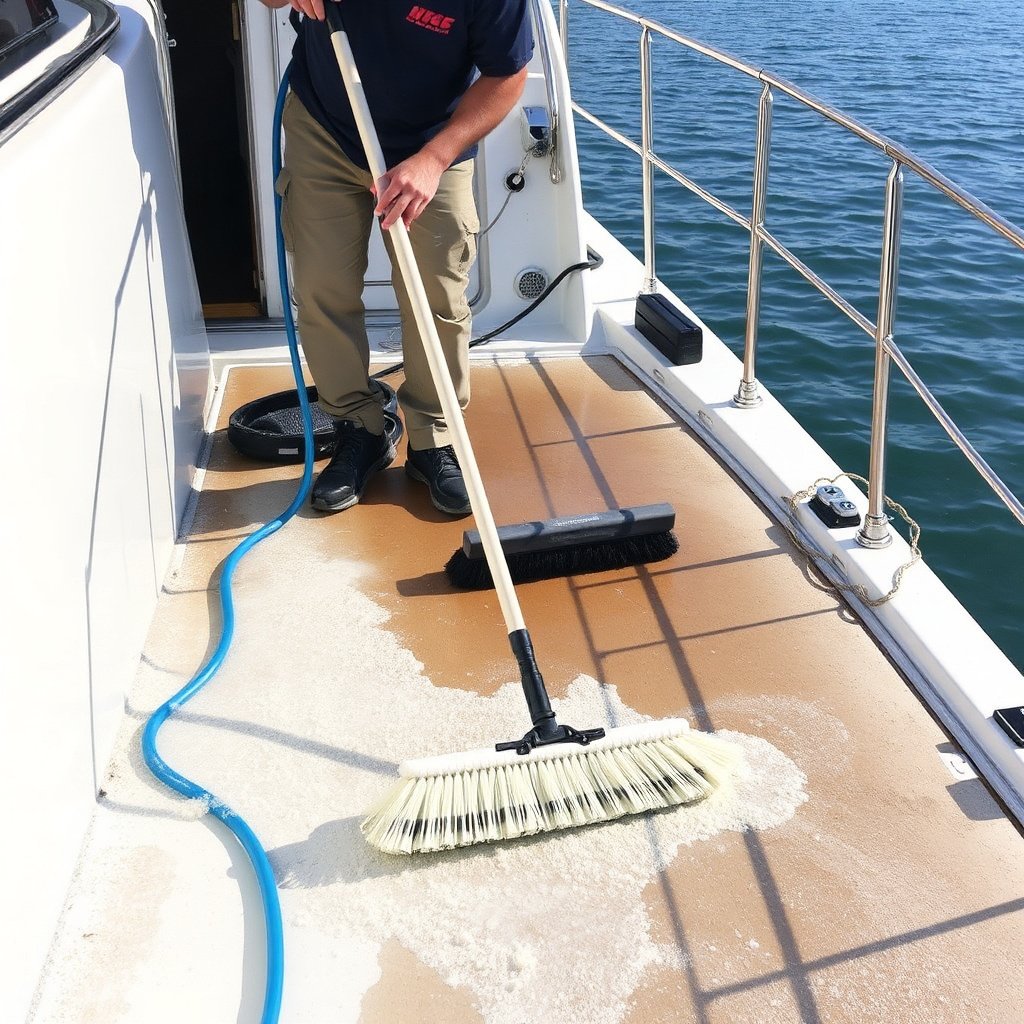
Effective Dock Cleaning Methods
Regular cleaning removes algae, bird droppings, leaves, and other debris that cause slippery surfaces and promote decay. Use a stiff-bristle broom or power washer with moderate pressure to clean decking safely.
Avoid harsh chemicals that can harm local marine life; opt for biodegradable, eco-friendly cleaners specially formulated for docks to protect the environment.
- Sweep dock surface weekly during active seasons
- Power wash annually or biannually
- Use eco-friendly, non-toxic cleaning solutions
Preventing Algae and Mold Growth
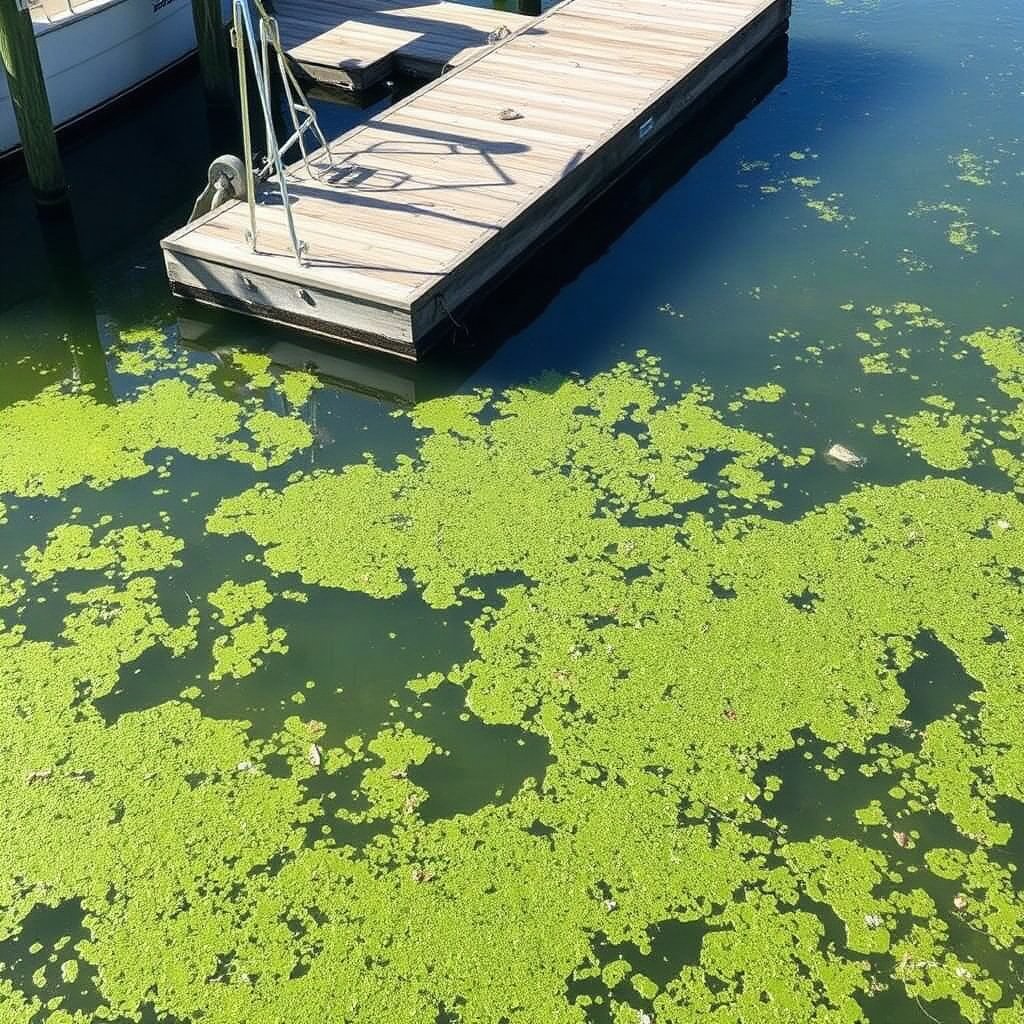
Algae and mold thrive on wet, shaded docks, increasing slip hazards and damaging surfaces over time. Applying anti-fungal treatments or diluted vinegar solutions can inhibit growth without chemicals harmful to aquatic life.
Trimming nearby vegetation and allowing sunlight through can reduce dampness and discourage growth naturally, making maintenance easier.
- Apply safe anti-fungal sprays seasonally
- Trim overhanging plants and trees
- Improve airflow by spacing boards properly
Hardware and Fastener Upkeep
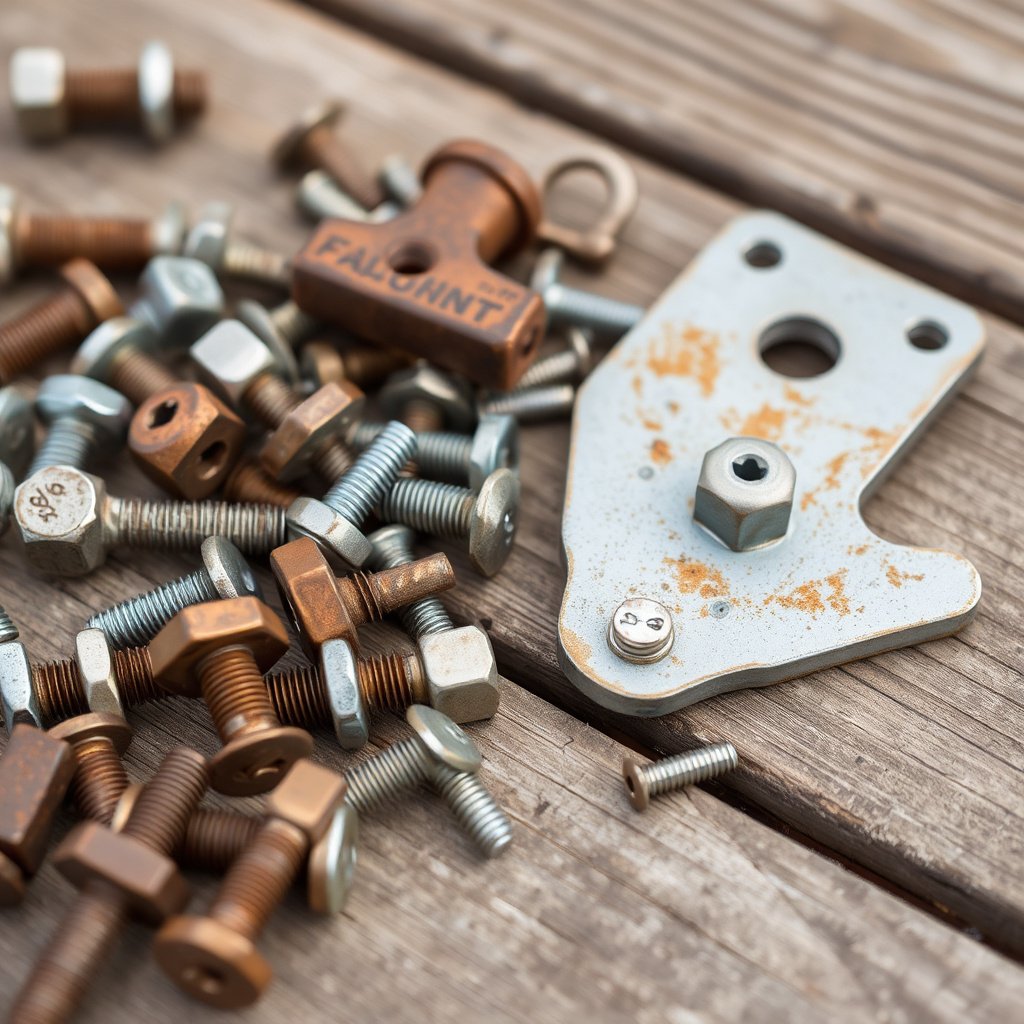
Checking and Replacing Rusted Hardware
Fasteners exposed to water and salt accumulate rust or corrosion, weakening their hold. Regularly check all bolts, nuts, screws, and brackets, replacing any showing signs of rust or fatigue to retain dock stability.
Using stainless steel or galvanized replacements improves resilience, especially in saltwater environments where corrosion is faster.
- Inspect hardware quarterly
- Replace rusted parts promptly
- Use corrosion-resistant materials
For more on this, see our related guide: How Much Does It Cost to Build a Dock? A Detailed Cost Guide.
Tightening Loose Connections
Loose nails, screws, and brackets cause decking to creak and can create unsafe gaps or unstable footing. Tighten all fasteners yearly, applying thread-locking compounds if necessary to prevent loosening from movement and vibration.
Note that some fasteners may need replacement if threads are stripped or heads damaged beyond tightening.
- Check for creaking or movement during use
- Use appropriate tools to tighten connections
- Replace stripped or damaged fasteners
Managing Environmental Challenges
Protecting the Dock from Weather Damage
Boat docks endure sun, rain, storms, and ice, all of which can degrade materials. Applying UV protective coatings on wood or composite docks reduces sun damage, while storm-proof anchoring prevents displacement during high winds or waves.
Removing ice promptly in cold climates reduces cracking and splitting, while regular sealant reapplications prevent water infiltration.
- Use UV-blocking sealants annually
- Secure floats and anchors before storms
- Clear ice carefully without harsh tools
For further reading about boat docks and their types, visit the Boat Dock Maintenance Guide on Wikipedia. Boat Dock Maintenance Guide on Wikipedia.
Controlling Marine Growth and Debris Accumulation
Marine organisms like barnacles and mussels attach to pilings and submerged surfaces, increasing drag and corrosion. Periodic scraping or pressure washing deters buildup. Installing anti-fouling coatings or wraps on submerged parts can reduce growth duration.
Floating debris collects around docks, potentially damaging structures and posing hazards. Regular removal maintains dock safety and water flow.
- Scrape pilings annually
- Apply anti-fouling wraps if permitted
- Remove floating debris frequently
Boat Dock Material Maintenance Comparison
This table compares maintenance requirements, durability, costs, and environmental resistance of common boat dock materials to help you select the best option.
| Material | Maintenance Frequency | Durability | Typical Cost | Resistance to Rot/Corrosion |
|---|---|---|---|---|
| Wood | Monthly to quarterly | Moderate (5-15 years) | Moderate | Low – prone to rot and insect damage |
| Composite | Quarterly cleaning | High (15-30 years) | High | High – resists rot and insects |
| Aluminum | Biannual inspection | Very high (30+ years) | High | Excellent – resists corrosion |
| Steel | Quarterly inspection and painting | High (20+ years) | High | Good with proper coatings |
Frequently Asked Questions
How often should I inspect my boat dock?
Inspect your boat dock visually at least monthly during the boating season, and perform thorough checks seasonally to catch damage from weather and wear early.
Can I use household cleaners to clean my dock?
It's best to avoid harsh household cleaners; instead, use biodegradable, dock-safe cleaning products to protect marine environments and dock materials.
What causes wood rot on boat docks?
Wood rot is primarily caused by prolonged exposure to moisture and poor ventilation, allowing fungi to thrive and degrade the wood fibers.
How do I prevent algae buildup on the dock surface?
Prevent algae by regularly cleaning the dock, applying anti-fungal treatments, and ensuring adequate sunlight and airflow by trimming nearby vegetation.
Is it necessary to replace dock fasteners regularly?
Yes, over time fasteners corrode and loosen from environmental exposure and dock movement, so periodic replacement is important for safety.
Key Takeaways
- Regular inspections prevent major structural damage and safety hazards.
- Material type influences maintenance methods and frequency.
- Cleaning and algae control reduce slip risks and extend dock life.
- Replacing rusted hardware and tightening fasteners maintain stability.
Conclusion
Maintaining a boat dock requires an attentive, structured approach that balances regular cleaning, detailed inspections, and timely repairs. Understanding the unique challenges posed by your dock’s materials and environmental exposure allows for proactive care. Regular upkeep extends the dock’s usability, enhances safety, and prevents expensive damage from accumulating over time.
Wooden docks, while aesthetically pleasing, demand the most vigilance against rot and insect damage, making routine sealant application and hardware replacement essential. Composite docks offer ease of maintenance with quarterly cleaning and algae control, fitting those prioritizing convenience. Aluminum and steel docks present long-term durability but still require periodic checks for corrosion and joint integrity, especially near saltwater.
Starting with a tailored, seasonal maintenance schedule focusing on inspections, cleaning, and hardware care is the best actionable step. Using the dock maintenance tips in this guide, paired with attention to environmental factors such as sunlight, water levels, and marine growth, will keep your boat dock dependable and safe for years to come.