How to Prepare a House for Sale: Essential Steps for a Quick Sale
Preparing a house for sale involves a series of strategic steps to make your property stand out and attract serious buyers quickly. This includes cleaning thoroughly, repairing visible damage, decluttering, and boosting curb appeal to create a welcoming first impression. Pricing accurately and setting up inviting spaces can significantly affect how fast your house sells and the final offer you receive.
The real estate market is competitive, and buyers often make quick judgments based on how a home looks both online and in person. A well-prepared house not only shows better but also helps buyers visualize themselves living there, which can lead to higher offers and faster closings. Skipping or delaying preparation risks leaving money on the table or enduring a longer selling period.
In this article, you will find a detailed guide on how to prepare a house for sale, including key areas of focus like staging, repairs, and curb appeal. We'll also cover how to handle inspections and marketing tips that can enhance your home's appeal. By following these steps, sellers can maximize their home's value and streamline the selling process.
Cleaning and Decluttering: The Foundation of Preparing Your Home

Deep Cleaning Your Entire Home
Thorough cleaning is the first step in preparing your house for sale and often one of the most impactful. Focus on all areas including floors, windows, appliances, and bathrooms. This creates a fresh atmosphere that appeals to buyers who are sensitive to cleanliness.
Professional cleaning services can be worth the investment, especially for carpets and hard-to-reach areas. A spotless house feels more inviting and gives buyers confidence that the home has been cared for.
- Clean windows inside and out for natural light
- Scrub kitchen surfaces and appliances
- Sanitize bathrooms and remove mildew
- Vacuum and shampoo carpets
Decluttering to Maximize Space
Removing personal items, excess furniture, and clutter helps make rooms appear larger and more inviting. It allows buyers to imagine their own belongings in the space rather than being distracted by yours.
Use storage solutions or rent a storage unit temporarily to keep the home organized. Clear countertops, closets, and pantries to showcase the storage potential each area offers.
- Pack photos and personal décor
- Minimize furniture for better flow
- Organize closets to show available space
- Remove unnecessary kitchen items
Repairs and Updates: Increasing Your Home’s Value

Fixing Visible Defects
Addressing common defects such as leaky faucets, cracked tiles, squeaky doors, and chipped paint is essential. Even small, inexpensive fixes can reassure buyers the home is well maintained.
Inspect your home carefully or hire a professional to identify areas needing attention. Fixing these issues before listing can prevent them from being used to negotiate a lower price later.
- Patch holes in walls
- Repair or replace damaged flooring
- Seal gaps in windows and doors
- Ensure all lighting fixtures work
Cost-Effective Cosmetic Updates
Simple updates can boost appeal without major investment. Fresh paint in light neutral tones brightens rooms and broadens appeal. Updating cabinet hardware or switching out outdated light fixtures also modernizes spaces effectively.
Kitchen and bathroom updates pay off well. Even replacing old faucets or renewing grout can make these high-impact rooms look refreshed and inviting.
- Apply fresh, neutral paint
- Replace dated handles and knobs
- Upgrade light fixtures
- Refresh bathroom grout and caulking
Boosting Curb Appeal: Make a Great First Impression
Landscaping and Exterior Maintenance
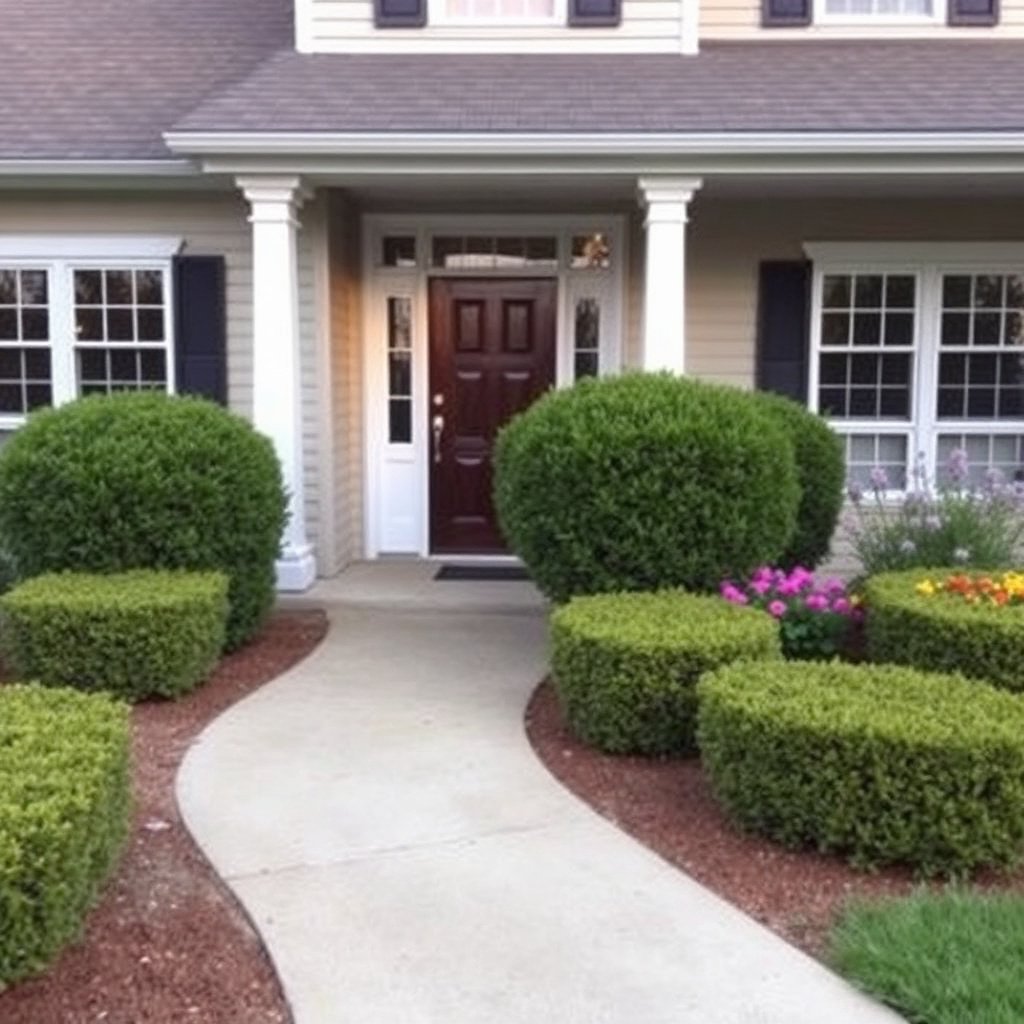
The exterior of your home is the first thing buyers see, so presenting well-maintained landscaping elevates the entire impression of your property. Simple tasks like mowing the lawn, trimming shrubs, and planting flowers can transform the look of your home.
Make sure walkways are clean and repair any cracks in driveways or path edges. A fresh faucet or mailbox can add polish to the front view.
- Mow lawn and edge the grass
- Trim overgrown trees and bushes
- Plant seasonal flowers
- Clean gutters and power wash siding
For more on this, see our related guide: How to Buy a Lake House at the Lake of the Ozarks: A Complete Guide.
Front Door and Entryway Touch-ups
The front door and entryway set the tone for tours. Painting or replacing a worn door, adding new house numbers, and placing a welcoming doormat can make a difference. Good lighting near the entrance also improves appearance and safety.
Consider minor upgrades like adding decorative plants or a fresh wreath to create a warm, inviting feel that resonates with visitors.
- Paint or replace the front door
- Install attractive new house numbers
- Add outdoor lighting near the entrance
- Place a clean, welcoming doormat
Home Staging Tips for Better Buyer Appeal
Furniture Placement and Styling
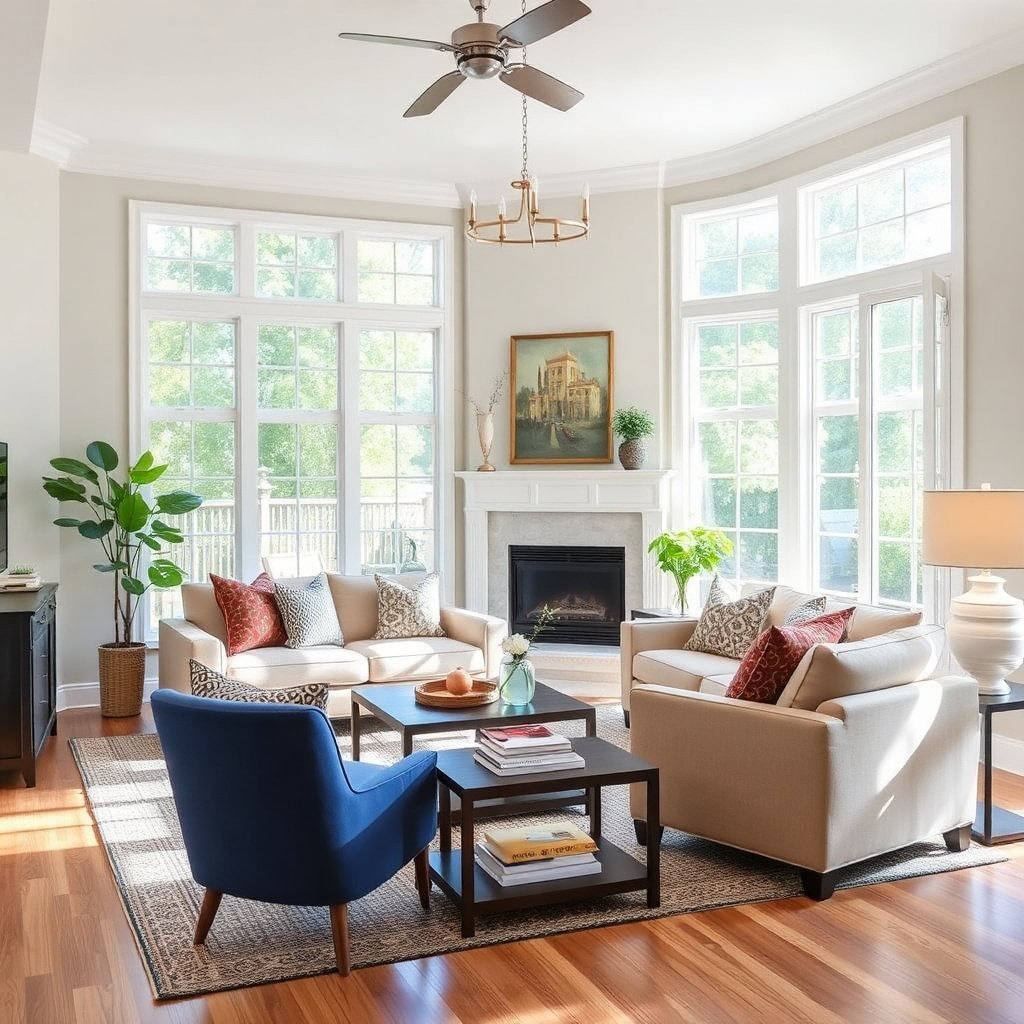
Proper furniture arrangement helps buyers visualize the home’s functionality. Arrange pieces to maximize flow and create comfortable conversation areas. Avoid overcrowding by using only essential furniture.
Use neutral colors and simple décor to appeal to a broad audience. Adding light fabrics and minimal accessories can give rooms a fresh, airy atmosphere.
- Remove bulky or unnecessary furniture
- Use light, neutral linens and curtains
- Focus on creating open, balanced spaces
- Add subtle decorative accents
Lighting and Ambiance
Good lighting highlights the home’s positive features and improves mood during showings. Maximize natural light by opening curtains and blinds. Add floor or table lamps in darker spots.
Soft background music and pleasant scents can create a welcoming ambiance that makes buyers feel comfortable and more likely to stay longer.
- Open curtains to let in sunlight
- Add lamps to eliminate shadows
- Use neutral scents like vanilla or citrus
- Play soft instrumental music during showings
Pricing and Marketing Strategies

Setting the Right Price
An accurate listing price reflects current market conditions and attracts qualified buyers. Overpricing can cause your home to linger on the market, while underpricing may leave money on the table.
Research comparable sales in your neighborhood and consult a professional appraiser or real estate agent for expert advice. Consider timing and local demand trends when setting your price.
- Analyze recent sales of similar homes
- Consult a licensed real estate agent
- Account for home condition and upgrades
- Adjust according to market trends
For more on this, see our related guide: Can You Write Off a Lake House? Understanding Tax Deductions for Vacation Properties.
Creating Effective Listings and Showings
High-quality photos and well-written descriptions help your listing stand out online. Highlight your home’s best features and provide accurate, enticing details.
Prepare for showings by keeping the home clean, well-lit, and temperature controlled. Flexible showing times increase buyer interest, so consider accommodating different schedules.
- Hire a professional photographer
- Write clear, engaging property descriptions
- Keep home spotless during showings
- Be flexible with showing appointments
Preparing for Home Inspections and Negotiations

Anticipating Common Inspection Issues
A pre-listing inspection can identify potential problems that might arise later. Early detection allows repairs to be made beforehand, reducing buyer objections.
Focus on roof condition, plumbing, electrical systems, and HVAC performance. Document repairs and be ready to share this information with prospective buyers to build trust.
- Conduct a pre-listing home inspection
- Repair or disclose all safety and structural issues
- Keep records of repairs and maintenance
- Prepare to explain any known issues
For a broader perspective on selling a home, you can refer to the Wikipedia page about preparing your home for sale. Preparing Your Home for Sale – Wikipedia.
Handling Offers and Negotiations
Expect buyers to negotiate based on home condition and market climate. Decide in advance your priorities, such as price, closing date, or included fixtures.
Work closely with your agent to respond promptly and professionally. A strategic approach can help you get the best possible outcome from negotiations.
- Review offers carefully with your agent
- Consider buyer contingencies
- Respond in a timely manner
- Be prepared to compromise on non-price terms
House Preparation Methods: Comparison of Key Strategies
This table compares essential preparation strategies to help prioritize your efforts when preparing a house for sale.
| Strategy | Cost | Time Required | Impact on Sale Speed | Difficulty Level |
|---|---|---|---|---|
| Deep Cleaning & Decluttering | Low | 1-3 days | High | Easy |
| Repairs & Updates | Medium | 1-2 weeks | High | Medium |
| Curb Appeal Enhancements | Medium | 3-7 days | Medium | Medium |
| Home Staging | Medium to High | 2-5 days | High | Medium |
| Pre-Listing Inspection | Low to Medium | 1-2 days | Medium | Easy |
Frequently Asked Questions
How much does professional home staging cost?
Professional home staging typically ranges from $500 to $3,000 depending on the size of the home and the extent of staging services required.
Should I fix all repairs before selling?
Fixing major repairs before selling is advisable to avoid low offers, but minor cosmetic issues can sometimes be negotiated as part of the sale.
How important is curb appeal when selling a house?
Curb appeal is very important as it forms the buyer's first impression and can affect both interest and sale price significantly.
Is it worth doing a pre-listing home inspection?
A pre-listing inspection helps identify issues early, giving sellers a chance to fix them and present a more attractive home to buyers.
How long does it typically take to prepare a house for sale?
Preparation time varies widely but typically ranges from a few days for cleaning and decluttering to several weeks if major repairs and updates are needed.
Key Takeaways
- Thorough cleaning and decluttering create a fresh, inviting space.
- Address repairs and cosmetic updates to increase home value.
- Enhance curb appeal to attract buyers from the street.
- Effective staging and pricing strategies accelerate the sale.
Conclusion
Preparing a house for sale requires a well-rounded approach combining cleaning, repairs, staging, and marketing to showcase the property’s best features. Prioritizing these areas based on your home’s condition and your timeline can improve buyer interest and help you achieve a successful sale. Strong preparation decreases the risk of price reductions later and shortens the time your home spends on the market, benefiting your financial outcome.
For sellers aiming to sell quickly and at a good price, investing in thorough cleaning and decluttering alongside targeted repairs is essential. Boosting curb appeal through landscaping and entryway improvements captures potential buyers' attention. Home staging complements these efforts by making the interiors more attractive and easier for buyers to imagine living in. Pricing the home realistically with the help of market research and an agent’s advice finalizes your readiness for listing.
Next, organize professional photos and prepare to accommodate buyer showings with a clean, welcoming home environment. Consider a pre-listing inspection to catch any hidden issues and be ready to handle negotiations with flexibility. By following these practical steps on how to prepare a house for sale, you position yourself to maximize sale value and minimize time on the market.