How to Price a Vacation Home: A Practical Guide for Sellers and Investors
Pricing a vacation home effectively involves analyzing local market trends, comparing similar properties, and considering unique features that impact value. Start by researching recent sales data in your area and identifying how your home stands out, then adjust based on seasonal demand and amenities.
Accurate pricing is key to attracting buyers quickly while ensuring you get a fair return on your investment. Vacation homes differ from primary residences because factors like location desirability, rental potential, and seasonal fluctuations strongly influence their market value.
This article covers essential strategies to assess your vacation home's value, understand the impact of the rental market, factor in seasonal demand, and how to use pricing tools and professional advice. Whether selling outright or setting a rental price, these insights will guide your decisions.
Understanding Market Conditions for Your Vacation Home
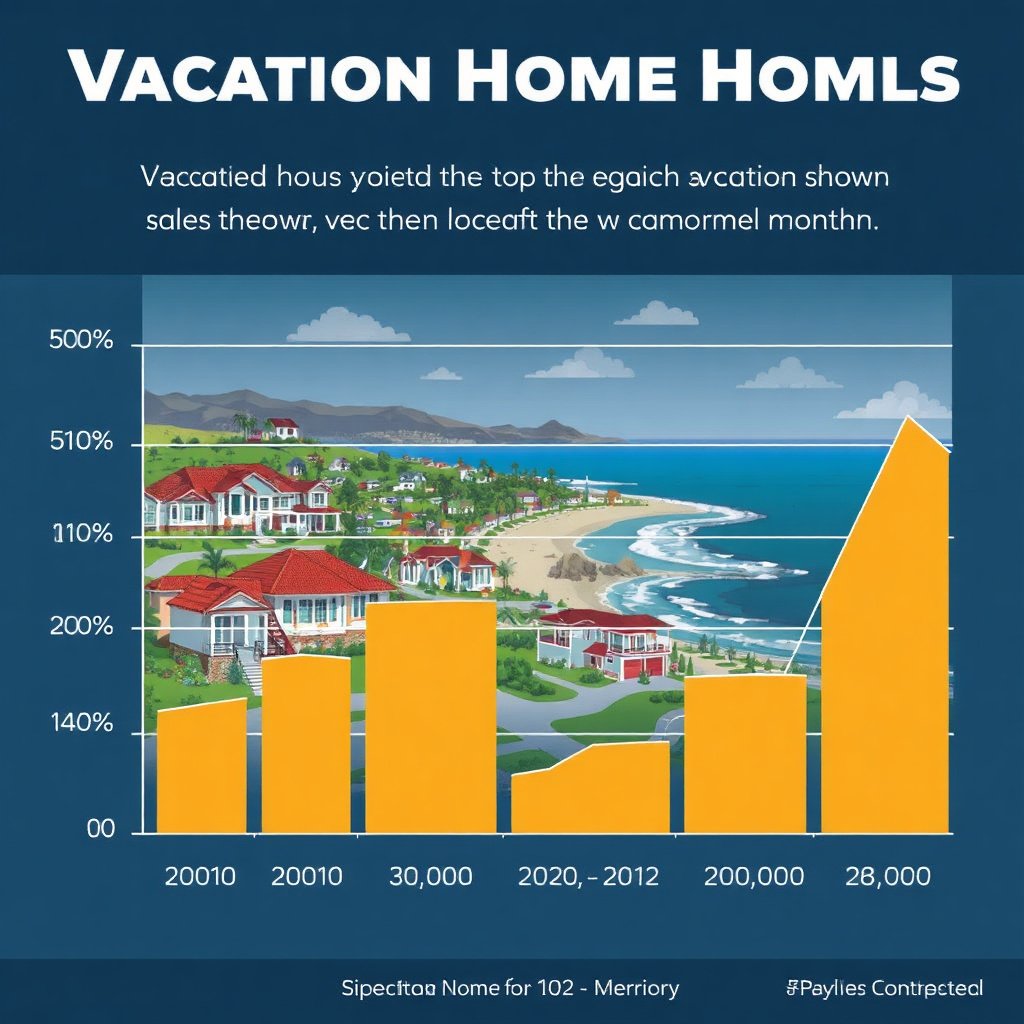
Evaluating Local Market Trends
To price your vacation home appropriately, start with a comprehensive look at the local real estate market. This includes recent sale prices of comparable vacation properties, current inventory levels, and the average time homes stay listed.
Pay attention to whether the market is favoring buyers or sellers, as this affects your negotiation leverage. A strong market might allow you to price higher, while a buyer's market may require more competitive pricing.
Seasonal Market Fluctuations
Vacation home values often shift with the seasons, influenced by the property's proximity to beaches, ski resorts, or other attractions. Peak vacation seasons typically boost buyer interest and prices.
Understanding when your area sees the most property activity helps you pick the right time to list or adjust prices. For instance, a mountain cabin might have better demand in winter, while a lakeside cottage peaks in summer.
Analyzing Key Features Affecting Vacation Home Pricing
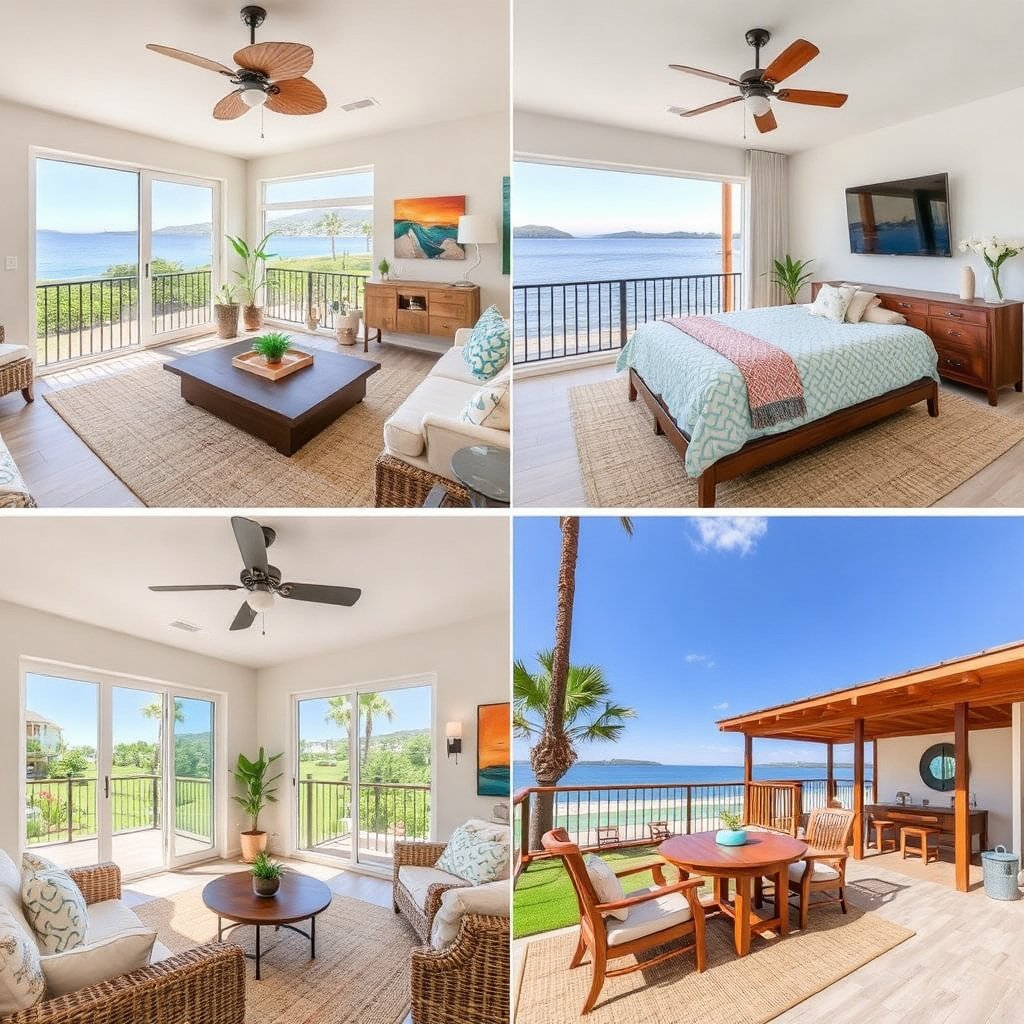
Impact of Property Size and Layout
The size of your vacation home and its layout influence pricing significantly. Larger homes with ample bedrooms and multiple bathrooms can command higher prices, especially if suited to groups or families.
Open floor plans, modern kitchens, and quality finishes can add value. Conversely, outdated interiors might require price adjustments downward or investments to upgrade before listing.
Amenities That Boost Value
Desirable features like private pools, hot tubs, lake or ocean views, direct beach access, and proximity to popular attractions increase the property's market appeal and pricing.
Energy-efficient appliances, smart home technology, and recent renovations also attract buyers or renters willing to pay a premium.
- Swimming pool or spa
- Waterfront or mountain views
- Outdoor living spaces
- High-speed internet and smart devices
Using Rental Income to Inform Your Pricing Strategy
Calculating Expected Rental Income
Review the typical rental rates in your vacation home's area during peak and off-peak times. Understanding potential income helps establish a price ceiling if you're considering selling or using the property as a rental.
Examining occupancy rates and seasonal demand provides insight into how often the home is likely to be booked and for what price.
For more on this, see our related guide: How to Price a Lake Lot: A Practical Guide to Value Your Waterfront Property.
Balancing Rental Potential with Sale Price
High rental income can justify a higher sale price or increased rental rates, but it may also price out some buyers. Consider the profile of your potential buyers — investors might prioritize rental returns, while personal users focus on amenities and location.
Adjusting price based on rental market performance aligns value expectations on both sides.
Tools and Resources for Accurate Vacation Home Pricing

Leveraging Online Valuation Tools
Automated valuation models (AVMs) available on real estate websites can offer quick estimates using recent sales and market data. These tools provide a good starting point but often lack localized nuances critical for vacation homes.
Always supplement AVM results with manual research and professional consultation to refine pricing.
- Zillow Zestimate
- Redfin Estimate
- Realtor.com valuation
Hiring Real Estate Professionals
Experienced local agents and appraisers bring detailed knowledge of the vacation home market and can provide a comparative market analysis (CMA) tailored to your property’s specific location and features.
Their insights help avoid underpricing or overpricing your vacation home based on transient local market trends.
Legal and Financial Factors in Vacation Home Pricing

Tax Implications and Assessments
Property taxes on vacation homes can vary widely by jurisdiction and may influence your pricing decisions. A higher tax rate might discourage buyers and requires consideration when setting the sale price.
Check for any special assessments or fees, such as homeowners association dues or resort fees, as they affect overall cost.
For more on this, see our related guide: What Is a Home Appraisal? A Clear Guide to Understanding Home Appraisals.
Insurance and Maintenance Costs
Vacations homes often face higher insurance premiums due to risks like weather damage. Buyers will factor these ongoing costs into their willingness to pay.
Maintenance demands may be greater for seasonal properties. Highlighting lower cost diligence or recent repairs can support pricing justification.
Marketing Strategies to Support Your Vacation Home Pricing
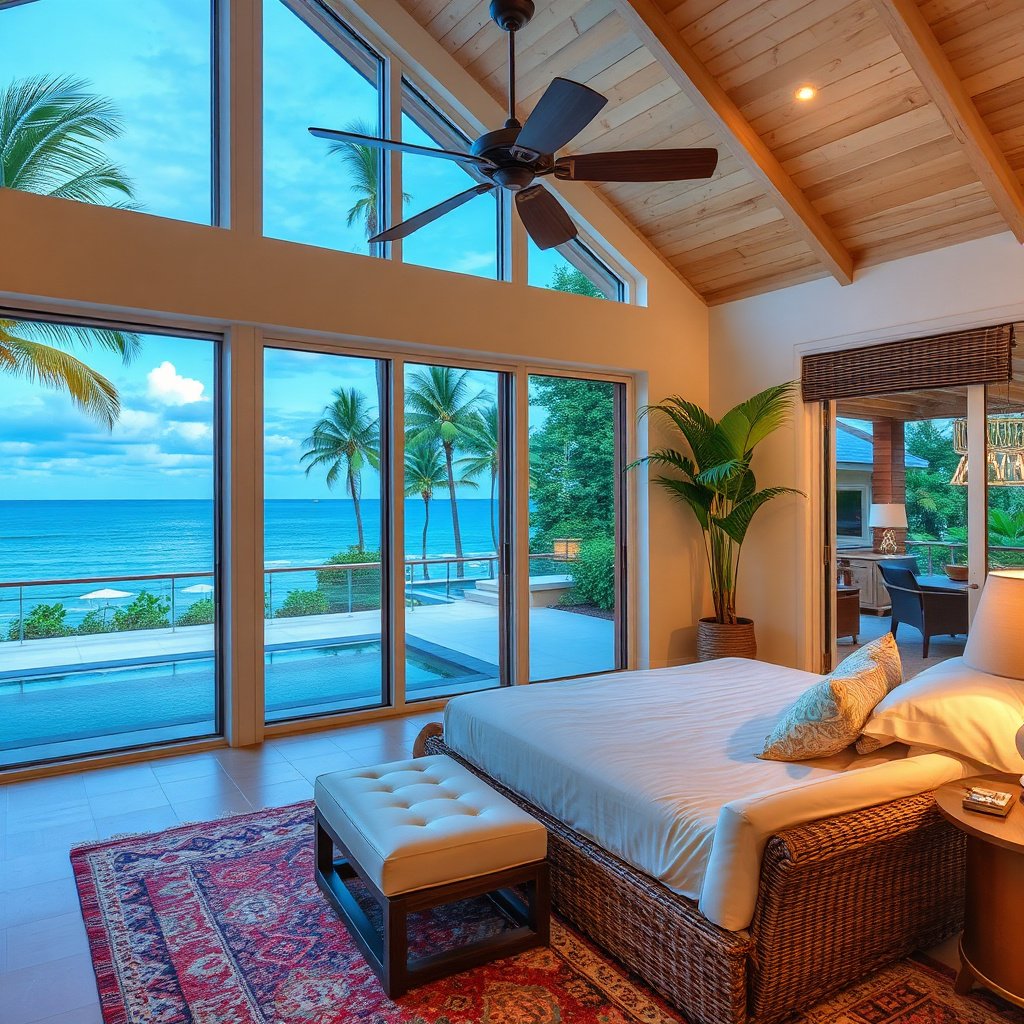
Creating a Compelling Listing
High-quality photos and descriptions that emphasize unique vacation home features can enhance perceived value. Highlight seasonal attractions, proximity to amenities, and recreational opportunities.
Well-crafted listings attract the right buyers quickly, allowing you to maintain your intended price point without unnecessary discounts.
For a broader understanding, you can explore detailed definitions and market insights on vacation home pricing on Wikipedia. Vacation home pricing on Wikipedia.
Adjusting Pricing Based on Buyer Feedback
Monitor buyer inquiries and feedback, and be ready to adjust your asking price or incentives if interest is low relative to comparable properties.
Flexibility in pricing according to market response helps balance time on market with expected returns.
Vacation Home Pricing Methods Comparison
Review the pros and cons of common pricing approaches to find the best fit for your vacation home sale strategy.
| Pricing Method | Description | Pros | Cons |
|---|---|---|---|
| Comparative Market Analysis (CMA) | Uses recent sales of similar properties to estimate price | Accurate reflection of current market | Dependent on availability of similar sales |
| Automated Valuation Models (AVMs) | Algorithm-based online estimates using big data | Quick and easy to use | May overlook local nuances and unique features |
| Income Approach | Prices based on potential rental income generated | Useful for investor buyers | May ignore personal buyer preferences |
| Professional Appraisal | Independent expert valuation | Highly accurate and credible | Costs money and requires scheduling |
Frequently Asked Questions
How does seasonality affect vacation home pricing?
Seasonality impacts demand, with prices typically higher during peak vacation months when more buyers are active and willing to pay a premium.
Should I base my vacation home price on rental income?
Rental income is an important factor, especially if targeting investors, but it should be combined with market trends and property features for balanced pricing.
What role do amenities play in pricing a vacation home?
Amenities like pools, views, and proximity to attractions can significantly increase a vacation home's value and appeal to buyers.
Can online valuation tools be trusted for vacation homes?
They provide useful estimates but often miss local specifics important for vacation properties, so use them alongside professional advice.
How important is timing when listing a vacation home for sale?
Listing during high-demand seasons can attract more buyers and justify higher prices; off-season listings may require price reductions.
Key Takeaways
- Research local market and seasonal trends to set accurate pricing.
- Consider property size, layout, and amenities when evaluating value.
- Rental income potential influences buyer demand and pricing strategy.
- Use both online tools and professional advice for best results.
Conclusion
Determining the right price for your vacation home hinges on thoroughly understanding local market dynamics, how seasonal factors influence demand, and the specific characteristics of your property. Balancing rental potential with buyer preferences allows for strategic pricing that attracts attention without leaving money on the table. Effective pricing mixes data, market awareness, and customization to your property's strengths.
If you plan to sell quickly during a strong seller's market, conducting a comparative market analysis with help from a local agent is advisable. For investor-focused sales, emphasizing rental income figures and potential returns will resonate better. Alternatively, if you want a fast estimate, online valuation tools combined with a professional appraisal can guide your listing price. Remember, timing your sale to peak seasons further improves your chances of meeting or exceeding your asking price.
Start your pricing process by gathering recent sales data for comparable vacation homes, then analyze the local rental market and seasonal patterns. Consult with real estate professionals who understand vacation properties distinctly. With all factors considered, setting a realistic, competitive price tailored to your property's unique features puts you in a strong position to achieve your financial goals.