What Is a Boat Dock? Understanding Its Purpose and Types
A boat dock is a structure built along the shoreline or floating on water to provide a stable platform for securing boats and facilitating boarding or unloading. It essentially acts as an access point between land and watercraft.
Boat docks come in various forms and materials, designed to accommodate a range of watercraft types and water conditions. Whether you own a small recreational boat or a larger vessel, having the right dock setup helps protect your investment and enhances waterfront usability.
This article will explain the basic definition of a boat dock, explore its types and materials, discuss key considerations for installation, and guide you through choosing the best dock for your boating lifestyle.
Purpose and Functionality of a Boat Dock
Primary Uses of a Boat Dock
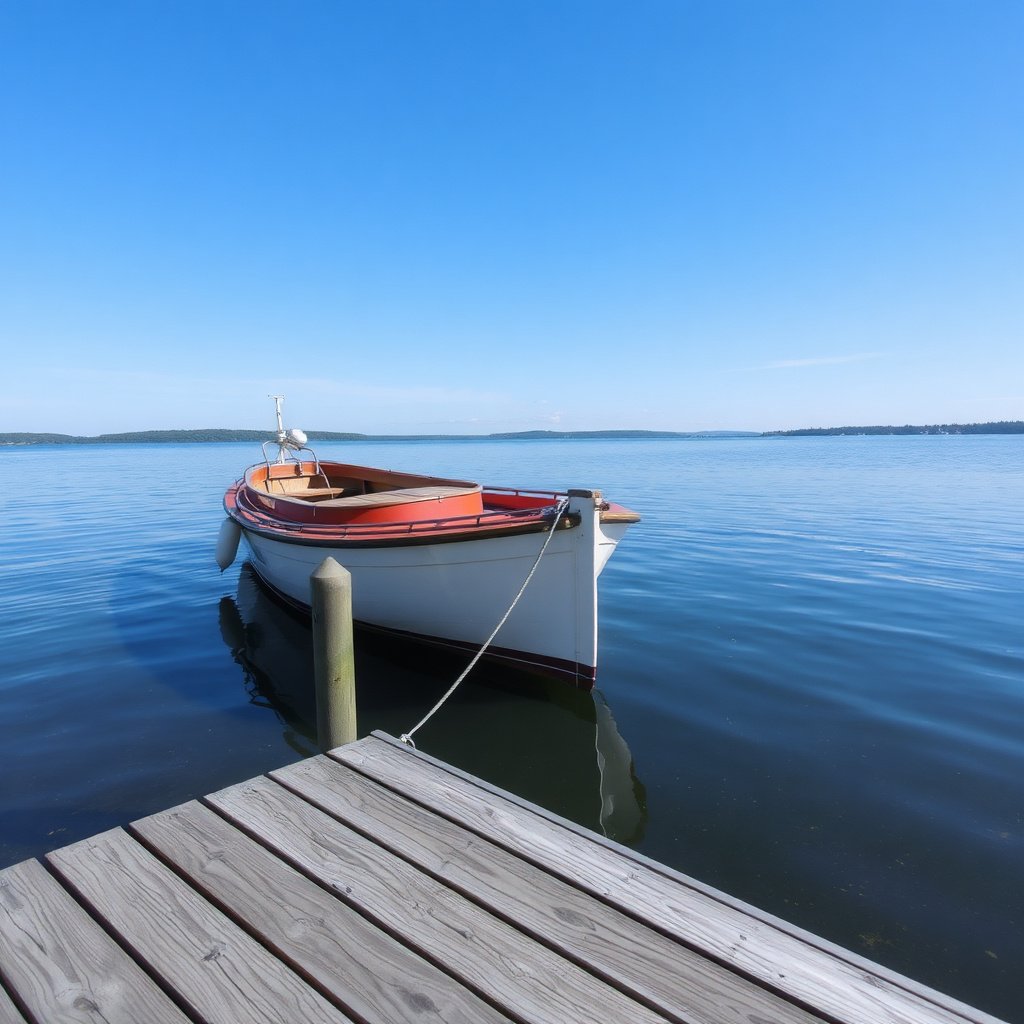
Boat docks serve as dedicated locations for mooring boats, allowing users to safely tie vessels to prevent drifting or damage. They also provide easy access for boarding, disembarking, and loading supplies.
In addition to boating activities, docks can become gathering spots for fishing, swimming, or relaxing near the water. They also protect boats from waves and currents by serving as a buffer between the vessel and open water.
Safety and Convenience Benefits
By offering stable footing, boat docks reduce the risk of accidents when getting in and out of boats. They also help organize the waterfront, minimizing clutter and hazards posed by boats anchored haphazardly.
Properly constructed docks with cleats or bumpers further protect boats from damage during docking or adverse weather, making daily boating safer and more enjoyable.
Types of Boat Docks

Fixed Boat Docks
Fixed docks are anchored directly to the lakebed or seabed with pilings and remain stationary regardless of water level changes. They are typically made of wood, concrete, or composite materials.
These docks are stable and durable but require consistent water depths to avoid damage during low water periods. They are common on calm lakes and protected waterways.
- Stable and solid
- Limited adaptability to water level changes
- Often require professional installation
Floating Boat Docks
Floating docks rest on the water’s surface supported by flotation devices such as foam or barrels. They rise and fall with changes in water level, making them suitable for varied tide or lake conditions.
They are ideal for waterfronts with fluctuating water levels and easy to reposition or expand but may require more maintenance than fixed docks.
- Adjusts to water level changes
- Easier installation and relocation
- Potentially less stable during rough conditions
Materials Used in Boat Dock Construction

Wood as a Traditional Dock Material
Wood remains a popular dock material due to its natural appearance and workability. Common types include cedar, pine, and treated lumber, offering durability if maintained properly.
However, untreated wood can be prone to rot, insect damage, and weathering, making regular sealing or replacement necessary, especially in harsh climates or saltwater environments.
- Natural look
- Requires maintenance
- Susceptible to rot without treatment
For more on this, see our related guide: How to Get a Loan for a Boat Dock: A Complete Guide.
Modern Alternatives: Composite and Metal
Composite decking combines wood fibers and plastic for a product that resists rot, splintering, and UV damage. It offers low maintenance and lasts longer but generally costs more upfront.
Metal components such as aluminum or galvanized steel are often used for framing or hardware. Aluminum is corrosion-resistant and lightweight, ideal for durability and strength in dock construction.
- Low maintenance composites
- Rust-resistant metals
- Higher initial investment
Installation Considerations for Boat Docks

Site Assessment and Permits
Before installation, assessing water depth, current, wave action, and shoreline slope is essential for selecting the appropriate dock type. Additionally, many areas require permits that regulate construction to protect aquatic environments.
Engaging with local authorities early ensures your dock complies with regulations and environmental standards, preventing fines or costly removals after build-out.
- Water levels and conditions
- Environmental impact considerations
- Acquire necessary permits
Professional vs. DIY Installation
While some dock designs allow for do-it-yourself installation, professional builders provide experience and equipment to handle complex factors such as anchoring, electrical wiring for lighting, and structural safety.
DIY projects can reduce costs but may risk improper assembly, affecting longevity and safety, especially for fixed docks requiring pilings.
- Cost and skill considerations
- Safety and compliance risks
- Long-term durability benefits of pros
Maintenance and Longevity of a Boat Dock
Regular Maintenance Tasks
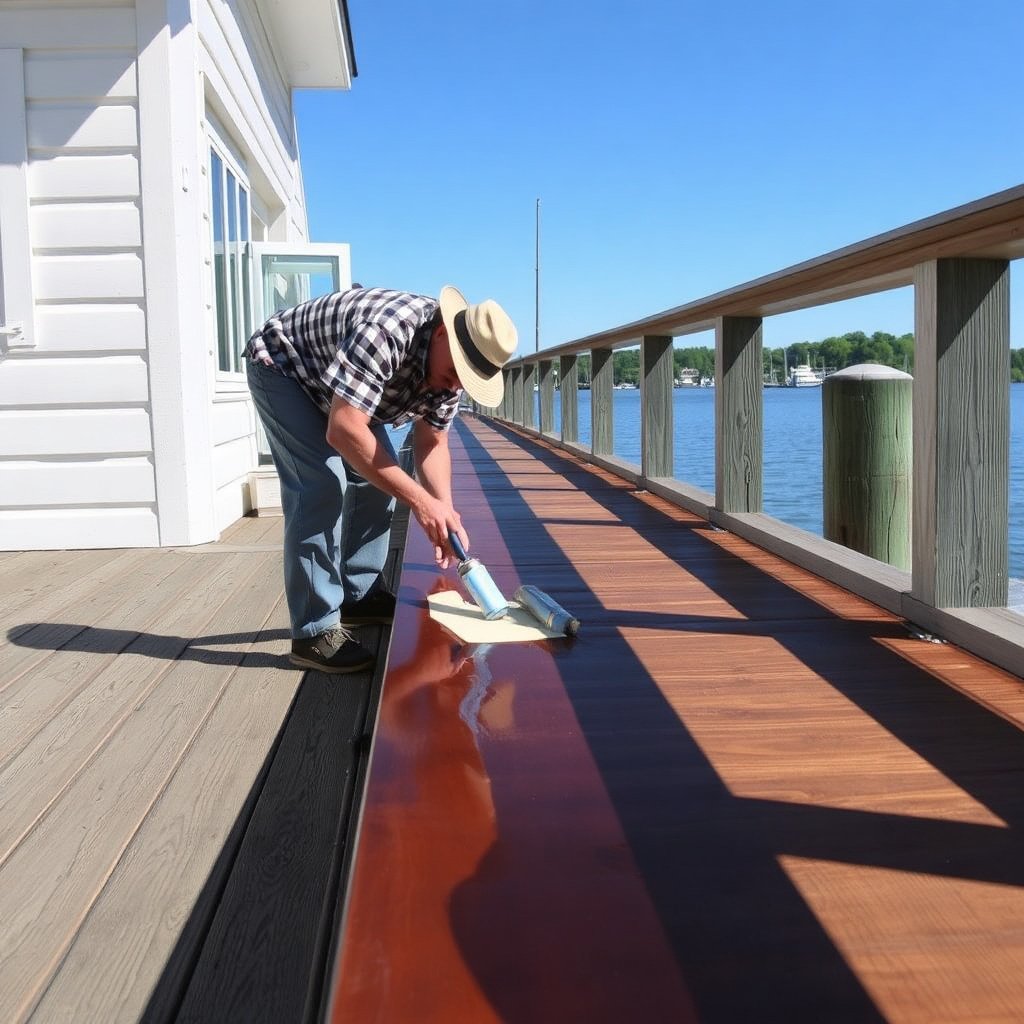
Maintaining a boat dock involves cleaning debris, tightening hardware, replacing damaged planks or floats, and applying preservatives or stains to wood surfaces to prevent decay.
Routine inspections after storms or seasonal changes help detect wear early, extending dock lifespan and avoiding costly repairs.
- Clean and clear debris
- Check for structural damage
- Apply water repellants or sealants
For more on this, see our related guide: How to Winterize a Boat Dock: Essential Steps for Cold Weather Protection.
Factors Affecting Dock Lifespan
Exposure to sun, water, ice, and marine organisms all impact how long a dock lasts. Materials, design, and quality of construction also play significant roles in durability.
Selecting corrosion-resistant metals and rot-resistant composites can significantly increase service life, especially in saltwater or harsh freshwater environments.
- UV and weather exposure
- Material resistance
- Local environmental conditions
Choosing the Best Boat Dock for Your Needs
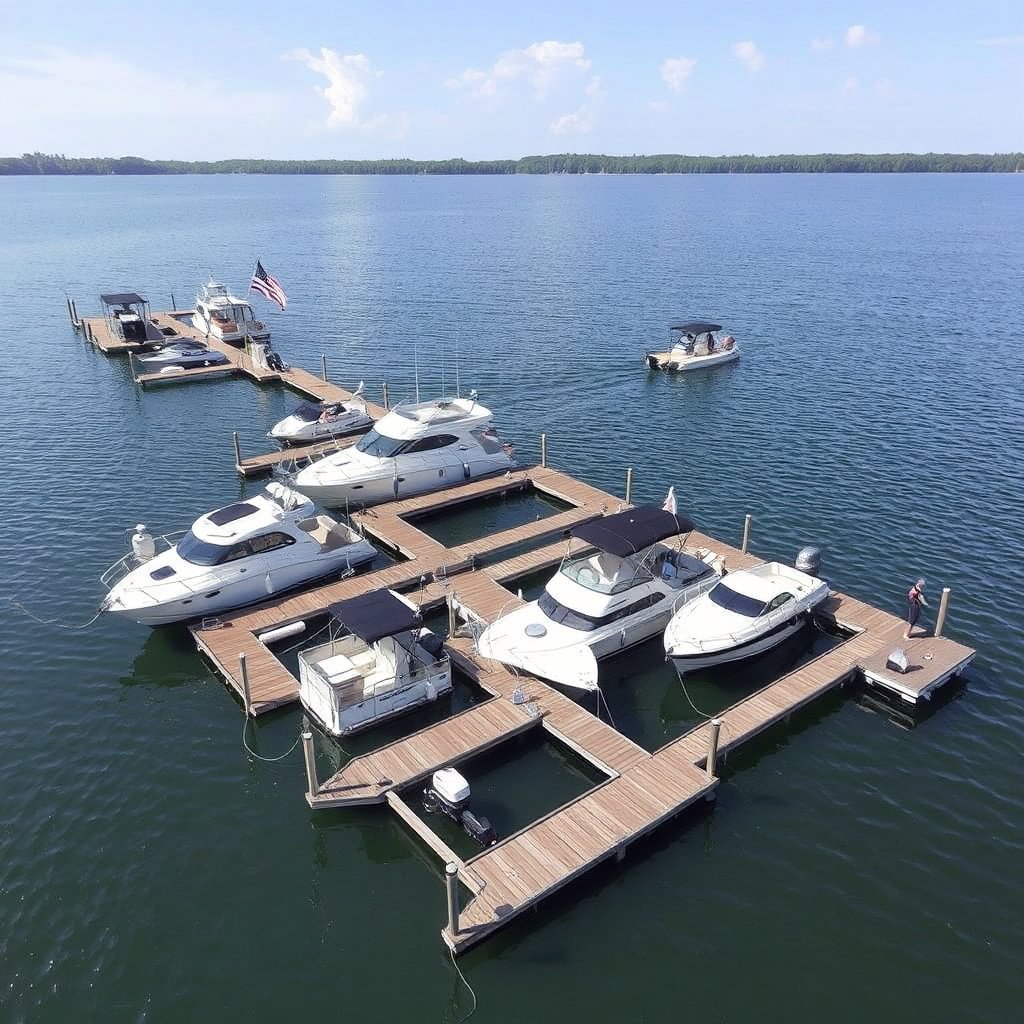
Matching Dock Type to Boat Size and Usage
Consider boat length, weight, and frequency of use when choosing dock type. Larger or heavier boats need more robust docks, often fixed, while small crafts benefit from floating docks for flexibility.
If you plan on frequent loading or maintenance, docks with ramps or gangways ease access and improve safety.
- Boat size and weight
- Usage frequency
- Access convenience features
For further reading on boat dock types and history, visit the detailed article on Wikipedia. Boat dock information at Wikipedia.
Budget and Long-Term Costs
Initial costs, including materials, permits, and installation, vary widely. Fixed docks tend to cost more upfront but require less regular maintenance compared to floating docks.
Thinking about long-term repair and upkeep costs can influence your choice, balancing between higher initial investment and ongoing maintenance fees.
- Initial installation cost
- Maintenance expenses
- Resale value of dock materials
Boat Dock Types Comparison
The table below summarizes the main characteristics of popular boat dock types to help compare their features and suitability.
| Dock Type | Stability | Adaptability to Water Levels | Maintenance Needs | Cost Range |
|---|---|---|---|---|
| Fixed Dock | Very Stable | Low | Moderate | High |
| Floating Dock | Moderate Stability | High | Higher | Moderate |
| Combination Dock | High Stability | Moderate | Moderate | High |
| Portable Dock | Low Stability | High | Low | Low |
Frequently Asked Questions
Can I install a boat dock myself?
Installing a boat dock yourself is possible for some simple floating dock kits, but fixed docks usually require professional expertise to ensure stability and adherence to building codes.
How do I protect my boat dock from ice damage?
Removing or raising floating docks before winter, installing ice guards, and using durable materials can help protect docks from ice-related damage in cold climates.
What permits are needed for a boat dock?
Permits vary by location and usually involve environmental assessment and adherence to local zoning laws. It’s recommended to check with local government agencies before building.
What is the lifespan of a wooden boat dock?
A well-maintained wooden dock can last 15 to 25 years, but lifespan depends on wood quality, environmental conditions, and maintenance frequency.
Are composite docks more expensive than wooden docks?
Composite docks typically have a higher upfront cost but require less maintenance over time, making them potentially more economical in the long run.
Key Takeaways
- Boat docks provide safe, accessible mooring and boarding points for boats.
- Fixed and floating docks serve different water conditions and needs.
- Material choice impacts dock durability and maintenance requirements.
- Consider boat size, usage, and budget when selecting a dock.
Conclusion
Choosing the right boat dock involves evaluating your specific boating habits, the environmental conditions of your waterfront, and your budget. Understanding the purpose and function of a boat dock helps clarify the essential features to prioritize. Whether prioritizing long-term stability or flexibility for fluctuating water levels, aligning these factors simplifies decision-making and ensures your dock serves your needs effectively.
For occasional boaters with small vessels and varying water levels, floating docks offer adaptability and ease of installation. Those with larger boats or stable water depths may find fixed docks more durable and stable. Material selection further shapes maintenance demands and lifespan, with composites gaining popularity alongside traditional wood due to their resilience. Weighing initial expenses against upkeep costs will influence your best option.
Once you define your boat dock requirements, consult local regulations and consider professional installation for fixed docks to guarantee safety and compliance. Beginning with a clear understanding of your options lets you invest confidently in a dock that enhances your waterfront lifestyle and protects your boat for years to come.