How to Buy a Lake Home with a Boat Slip: A Practical Guide
Buying a lake home with a boat slip means finding a property that offers both comfortable living and convenient boating access. You want to secure a waterfront home that comes with an assigned boat slip or dock space, allowing you to park your boat safely and enjoy immediate water access. These slips might be private, community-shared, or part of a marina associated with the property.
Owning a lake home with a boat slip adds value and lifestyle benefits, especially if boating is an important pastime. It also demands consideration of slip size, location, ownership status, and lake regulations. Without proper understanding, you might encounter unexpected fees or restrictions that limit your boating experience. This step matters because water access directly impacts your daily enjoyment and investment value.
This guide explores the critical factors when buying a lake home with a boat slip, covering how to identify properties with the right docking options, evaluating slip ownership and fees, understanding relevant laws, and practical tips on negotiating and maintaining your boat slip.
Understanding Boat Slip Ownership and Types
Private vs Community Boat Slips
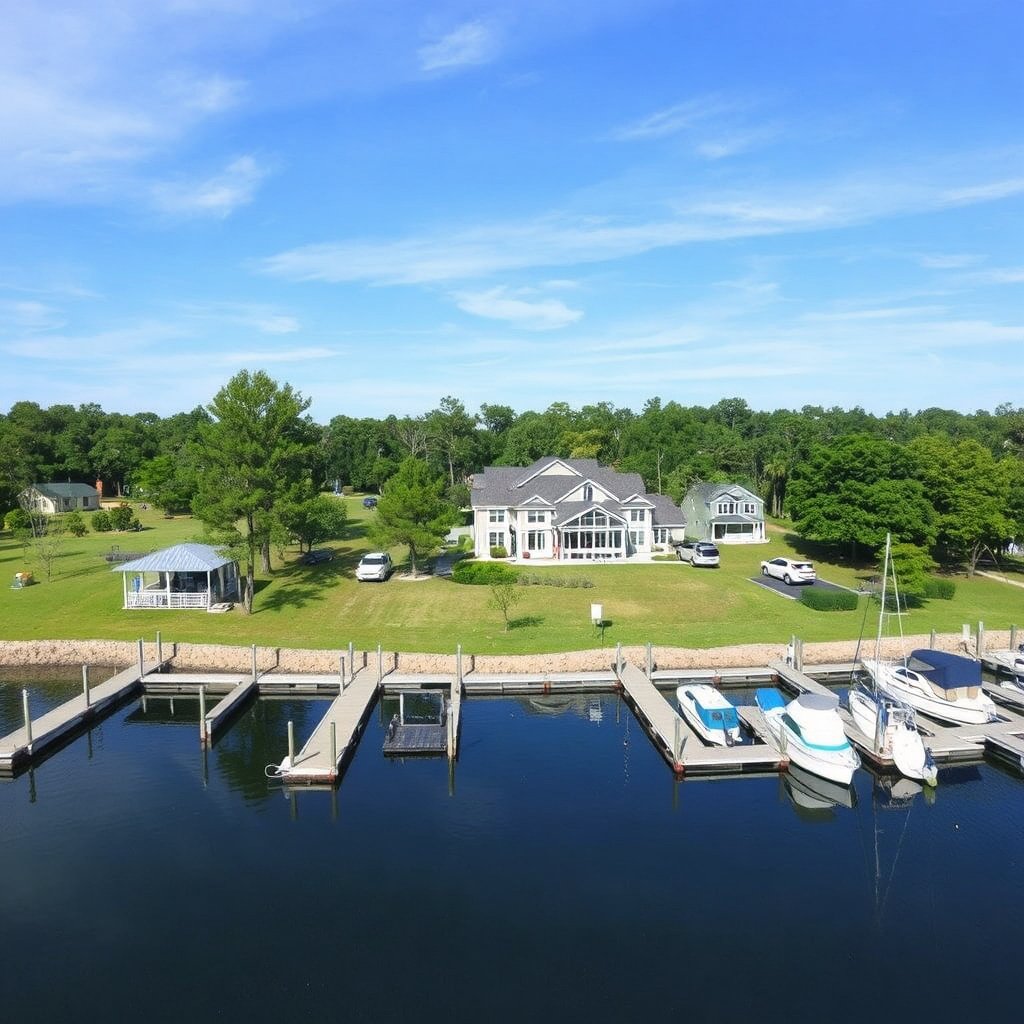
Private boat slips are individually owned and usually come attached to a specific lake home. They offer exclusive access and security but might be costly depending on the location. Community boat slips are shared among multiple homeowners in a neighborhood or development and often involve a reservation or waitlist system.
Knowing the slip type is essential when buying a lake home because it affects your access rights, maintenance costs, and flexibility. Private slips provide autonomy but higher responsibility, while community slips spread costs but may limit whenever you can use your boat.
- Exclusive use with private slips
- Scheduled access in community slips
- Higher fees for private ownership
- Shared maintenance in community setups
Marina Slips and Their Benefits
Marina boat slips are leased from or owned by a marina operator rather than the homeowner. These slips often provide extra amenities like fuel docks, repairs, and security services. They allow lake home buyers to enjoy boating without managing dock upkeep personally.
If your ideal lake home does not include a slip, marina slips may be an option. However, marina leases can include term limits and monthly fees, so understanding the terms before buying is important.
- Amenities such as fueling and repairs
- Professional maintenance and security
- Lease terms and monthly costs
- Flexibility to rent slips separately from home ownership
Evaluating Waterfront Properties with Boat Slips
Slip Size and Compatibility
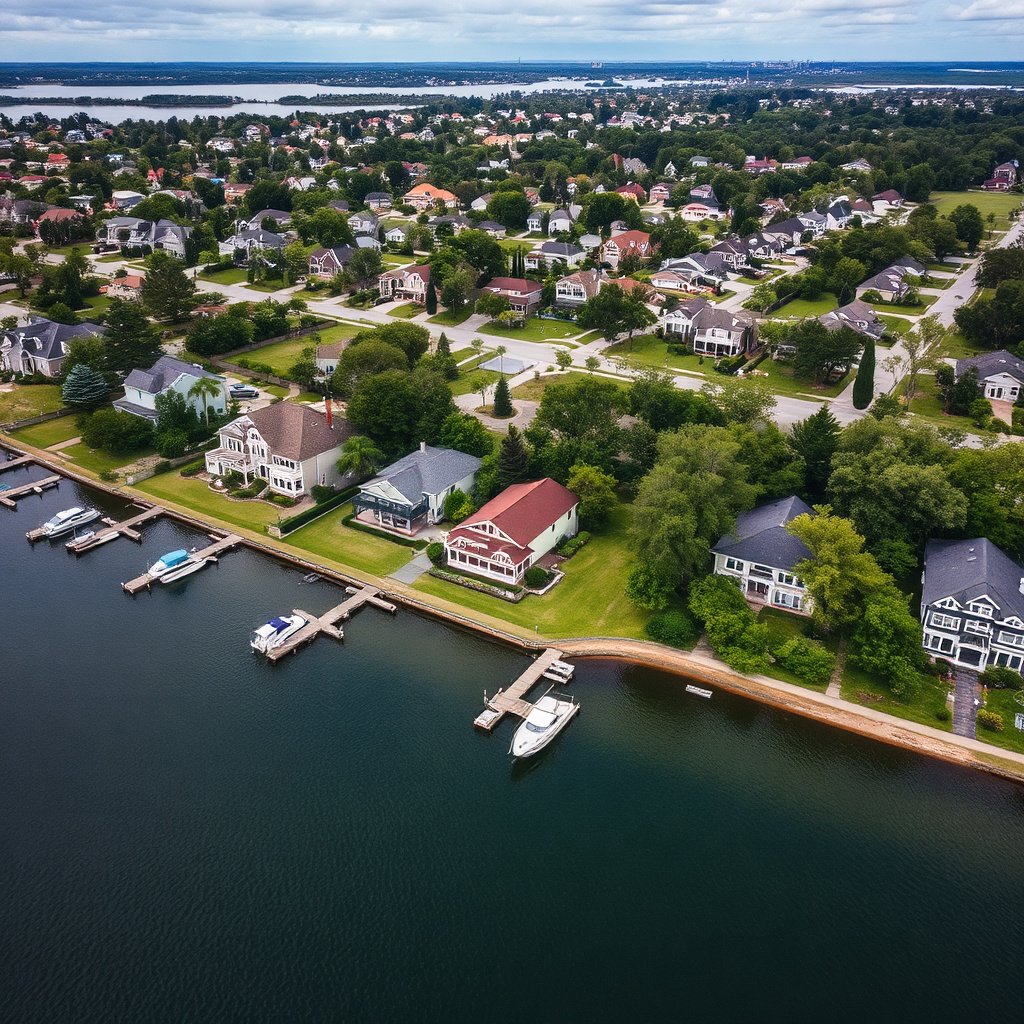
Boat slips come in various sizes tailored to accommodate different boat lengths and widths. When shopping for a lakefront property with dock access, verify that the slip can safely fit your boat’s dimensions and weight. Not all slips can handle larger boats or specific hull types.
Consider future boat upgrades as well. A slip that fits your current boat might be too small if you plan to buy a larger vessel. Restricting your boat size by slip dimensions could limit your lake activities.
- Measure current boat length and beam
- Confirm slip width clearance
- Check maximum weight capacity of dock
- Ask about modifications or upgrades
Slip Location and Environmental Factors
The location of the boat slip on the lake matters for accessibility and navigation. A slip closer to open water offers easier launching but may be more exposed to waves or wind. Slips near shorelines or in coves provide protection but might complicate boat maneuvering.
Depth, water quality, and local wildlife can also impact your boating experience. Shallow or weed-filled areas near the dock can create challenges for docking and maintenance.
- Proximity to open water channels
- Shelter from wind and waves
- Water depth at low tide
- Local restrictions on wake zones
Legal and Financial Considerations for Boat Slips

Slip Ownership Rights and Restrictions
Boat slip ownership status can vary widely. Some slips are deeded with the property, providing permanent rights. Others are leased or rented, which might complicate resale or transfer. Restrictions may include limits on slip use, guest access, or boat size.
Review documents carefully and verify slip status with local authorities or homeowner associations. Unexpected restrictions can reduce your ability to fully enjoy the lake home and its boating facilities.
- Deeded vs leased slip distinctions
- Homeowner association rules
- Transferability during sale
- Limitations on slip modifications
For more on this, see our related guide: Exploring the Most Expensive Area of Lake of the Ozarks.
Costs Associated with Boat Slip Ownership
Owning a boat slip involves initial purchase, ongoing maintenance, and possible community fees. Maintenance includes dock repairs, cleaning, and insurance. Some areas also charge annual waterfront or dock taxes.
Anticipate these costs upfront to accurately budget for your lakefront lifestyle. Some sellers disclose fees; others don’t, so ask early and include these considerations in negotiations.
- Slip purchase or lease fees
- Maintenance and repair costs
- Homeowner association or marina dues
- Insurance and liability expenses
How to Search for Lakefront Properties with Boat Slips

Using Real Estate Listings and Filters
Many popular real estate platforms now allow filtering for properties with boat slip access. Use terms like 'boat slip included,' 'private dock,' or 'marina access' when searching for lakefront homes. This narrows down options to those offering your desired boating convenience.
Look for detailed descriptions and photos of docks. Contact listing agents to confirm slip details and availability, as sometimes slips are shared or leased separately from the home.
Working with Specialized Agents
Real estate agents who focus on lakefront properties or waterfront homes are familiar with boat slip issues. They can guide you regarding slip ownership, the best areas for docks, and potential pitfalls to avoid.
An agent with local expertise helps negotiate slip terms, access rights, and fees as part of your home purchase.
Maintaining Your Boat Slip and Dock
Routine Dock and Slip Upkeep
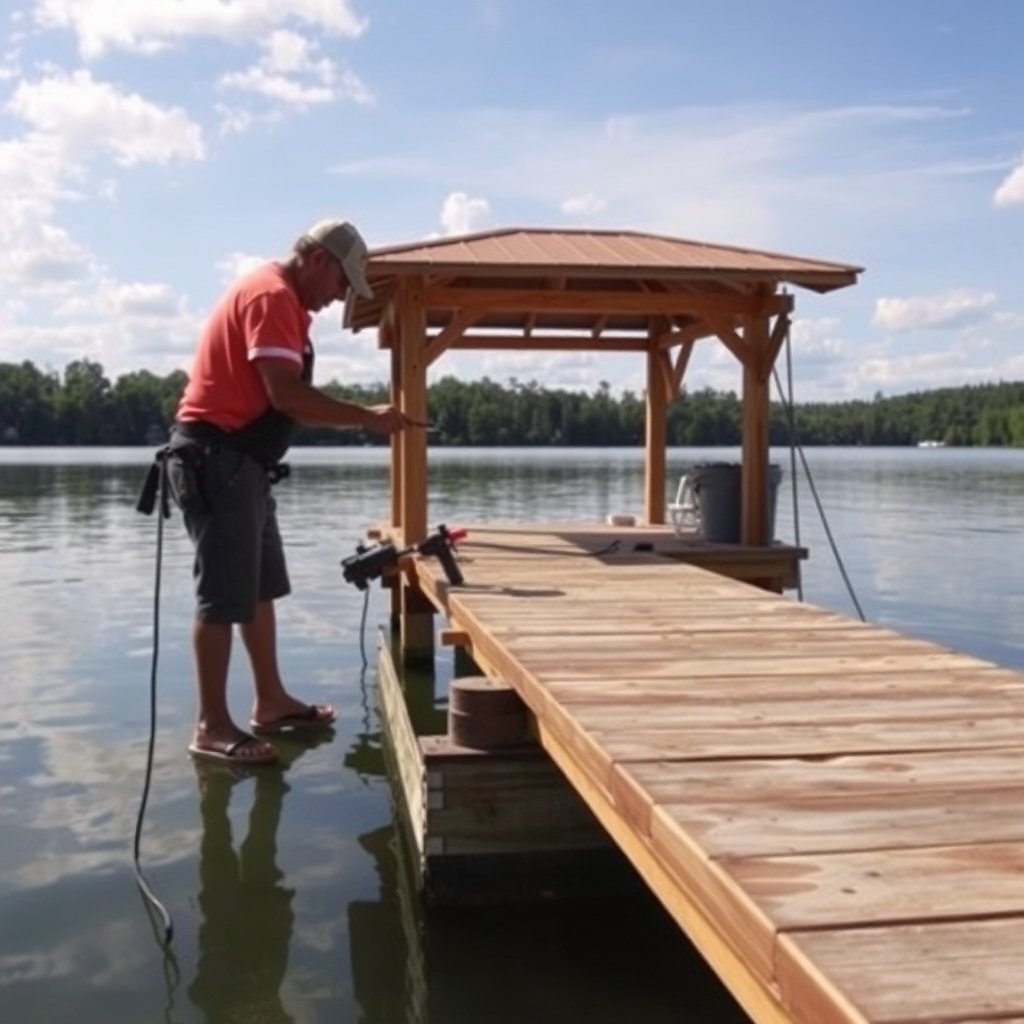
Regular maintenance keeps your boat slip safe and usable. This includes inspecting for loose boards, cleaning debris from water and dock surface, and checking dock pilings or supports for damage. Timely repairs prevent costly structural problems.
Routine upkeep also extends to managing aquatic plants and ensuring the slip remains navigable and clear of hazards.
- Check decking and rails for wear
- Remove algae, debris, and plants
- Inspect pilings for rot or damage
- Schedule professional repairs as needed
For more on this, see our related guide: Discover the Best Area of Lake of the Ozarks to Live: A Detailed Guide.
Seasonal Considerations for Slip Care
Seasonal weather impacts boat slips differently. In colder climates, winterizing docks protects them against ice damage. In warmer areas, sun exposure may degrade materials faster. Knowing the seasonal needs for your slip preserves its longevity and safety.
Adjusting dock equipment like ladders, bumpers, and lighting depending on the season helps maintain usability and prevents accidents.
- Winterize docks in freezing climates
- Protect materials from sun damage
- Inspect dock hardware seasonally
- Store accessories during off-season
Financial Planning When Buying a Lakefront Property with a Boat Slip

Budgeting for Purchase Price and Ongoing Costs
Your total costs include the home price plus the boat slip’s value. Some slips increase the property's market price; others may be leased with monthly fees. Factor in insurance, property taxes, and maintenance costs for both the home and dock facilities.
Create a clear budget that accounts for these recurring expenses so your waterfront lifestyle is financially sustainable.
For more detailed background on dock and boat slip structures, see the boat slip information on Wikipedia. boat slip information on Wikipedia.
Insurance and Liability Coverage
Waterfront homes with boat slips may require specialized insurance covering dock damage, boat liability, and environmental hazards. Consult insurance providers experienced with lakefront properties to understand your coverage needs and potential premiums.
Having adequate insurance protects your investment and prevents unexpected repair or liability costs.
Boat Slip Types Comparison
Here’s a comparison of common boat slip types to help evaluate which might suit your lake home purchase best.
| Type | Ownership | Access | Maintenance | Cost Range |
|---|---|---|---|---|
| Private Slip | Deeded with property | Exclusive use | Homeowner responsible | High upfront cost |
| Community Slip | Shared among residents | Scheduled/shared use | Shared by community | Moderate HOA fees |
| Marina Slip | Leased from marina | Leased access | Maintained by marina | Monthly lease fees |
| Rentable Slip | Temporary rental | Flexible access | Varies by owner | Variable, often low cost |
Frequently Asked Questions
Can I buy a lake home without a boat slip and rent one nearby?
Yes, many lakefront areas have nearby marinas or communities that allow renters to lease boat slips separately from home ownership. This can be a flexible option if boat slips are limited or too expensive.
Are boat slips always included in the lake home's deed?
Not always. Some slips are deeded and transfer with the property, while others are leased or share community ownership. It’s crucial to verify the slip’s legal status before purchase.
What size boat slip do I need?
Measure your boat’s length and width, adding a safety margin. Typical slips range from 12 to 16 feet wide and 20 to 40 feet long, but local slip sizes vary widely depending on lake and community.
Who maintains a community boat slip?
Community slips are usually maintained collectively by a homeowners association or a dock committee. Costs and responsibilities are divided among slip users through fees or dues.
Can I modify my boat slip after purchase?
Modifications often require approval from local authorities or the homeowner association, depending on dock regulations. Changes might be limited to protect shoreline ecosystems and maintain uniform appearance.
Key Takeaways
- Verify boat slip ownership type before buying a lake home.
- Match slip size to your boat’s dimensions for safe docking.
- Understand legal rights and any restrictions tied to boat slips.
- Include slip fees and maintenance in your budgeting process.
Conclusion
Buying a lake home with a boat slip involves balancing your lifestyle needs with practical considerations around ownership, access, and costs. By clearly understanding the types of boat slips—whether private, community, or marina—you can pinpoint what fits your boating habits while maximizing property benefits. Paying attention to slip size, location, and maintenance requirements will protect your investment and ensure a comfortable waterfront experience.
For buyers committed to boating, properties with deeded private slips offer uninterrupted access but usually come at a premium price and maintenance responsibility. Community slips can provide a cost-effective alternative, with shared upkeep while accepting some scheduling limitations. If a slip isn't included with the home, leasing from a marina adds convenience and amenities though at ongoing costs. Aligning your purchase with your boating needs and budget, perhaps with guidance from a specialized agent, is key.
The next step involves narrowing your property search with specific slip criteria and clarifying any ownership questions early on. Conduct thorough inspections of both the home and slip, including size verification and condition assessments. Comprehensive insurance covering dock and boat liability is advisable. This hands-on approach guarantees you’ll enjoy both the serenity of a lake home and the freedom that a boat slip provides.