How to Get a Loan for a Boat Dock: A Complete Guide
Securing a loan for a boat dock involves understanding your financing options, preparing the necessary documentation, and choosing the right lender. To get a loan for a boat dock, start by assessing the total cost of your dock project, gathering your financial records, and researching lenders who offer specialized loans or home equity financing. Loan types vary, so comparing terms and interest rates will help you find the best fit for your needs.
Financing a boat dock matters because these structures often require a sizeable investment, and many people cannot pay for them outright. Obtaining a loan allows you to spread payments over time while improving property value and waterfront access. Knowing what lenders want, like solid credit and collateral, helps streamline approval.
This article will cover the different loan categories suitable for boat dock projects, the application process, factors affecting approval, and practical tips to secure favorable financing. By the end, you'll have a clear understanding of how to approach lenders and choose the best boat dock financing options.
Understanding Loan Types for a Boat Dock

Home Equity Loans and Lines of Credit
Home equity loans and lines of credit use your property’s equity as collateral, offering potentially lower interest rates. These loans are popular for boat dock projects since lenders view them as less risky. A lump-sum loan offers fixed payments, while a line of credit allows flexible withdrawals.
To qualify, you need sufficient equity in your home and a good credit score. The approval process usually involves appraisal and income verification. Keep in mind, defaulting risks your home, so carefully plan your repayment ability before choosing this option.
- Lower interest rates compared to unsecured loans
- Collateral tied to home equity
- Fixed or variable-rate options
Personal and Home Improvement Loans
Personal loans or home improvement loans provide unsecured or secured funding without tapping into home equity directly. While easier to obtain, these may have higher interest rates and lower borrowing limits than home equity loans.
Many banks and online lenders offer home improvement loans specifically geared for property upgrades like boat docks. It’s essential to compare rates and fees since terms can vary widely.
- Unsecured financing option
- Higher interest rates
- Shorter repayment terms usually
Qualifying Criteria for Getting a Loan for a Boat Dock

Credit Scores and Financial Stability
Lenders prioritize creditworthiness when approving loans for boat docks. A strong credit score, typically above 650, increases chances of favorable terms. Your debt-to-income ratio and steady income also play critical roles in approval.
Improving your credit score before applying can reduce interest paid over time. Gathering tax returns, pay stubs, and proof of employment will streamline your loan application.
- Credit score above 650 preferred
- Low debt-to-income ratio
- Stable and verified income
Property Eligibility and Permits
Since the loan is for a boat dock, lenders may verify property ownership and waterfront access. Some require permits or zoning approvals as part of the application to assess feasibility.
Ensuring your property complies with local regulations and has the necessary permits can speed up loan approval and avoid future complications.
- Proof of waterfront ownership
- Required permits and approvals
- Compliance with local zoning laws
Choosing the Right Lender and Loan Terms

Banks vs. Credit Unions vs. Online Lenders
Traditional banks may offer competitive rates but stricter qualification requirements. Credit unions often provide personalized service and lower fees to members. Online lenders can offer quicker approvals and flexible terms but verify their legitimacy and read reviews.
Consider each lender’s focus and customer service, as financing a boat dock can require extra paperwork or specialized knowledge about this type of project.
- Banks: strict criteria, possible better rates
- Credit unions: member benefits
- Online lenders: speed and convenience
For more on this, see our related guide: How to Buy a Lake House: A Practical Guide for First-Time Buyers.
Interest Rates, Repayment Schedules, and Fees
Compare annual percentage rates (APR), loan duration, and repayment schedules to find affordable monthly payments. Watch for origination fees or prepayment penalties that add to the cost.
Fixed-rate loans offer predictable payments, while variable rates may start lower but change. Choose what fits your financial stability and preferences best.
- APR comparison
- Loan term lengths
- Origination and prepayment fees
Steps to Successfully Apply for a Boat Dock Loan

Preparing Your Documentation
Gather essential documents such as income statements, credit reports, property deeds, and project cost estimates before applying. Having organized paperwork reduces delays.
Get quotes from licensed contractors for the boat dock construction to present an accurate budget to lenders.
- Proof of income and employment
- Credit report
- Property ownership documents
- Contractor estimates
Application and Approval Process
Submit your application with all supporting documents, then respond promptly to lender requests for additional info or clarifications. Some loans require property appraisals.
Once approved, carefully review the loan agreement terms before signing to confirm you understand your obligations.
- Complete application form
- Promptly provide additional details
- Review loan contract thoroughly
Other Financing Alternatives for Boat Dock Projects
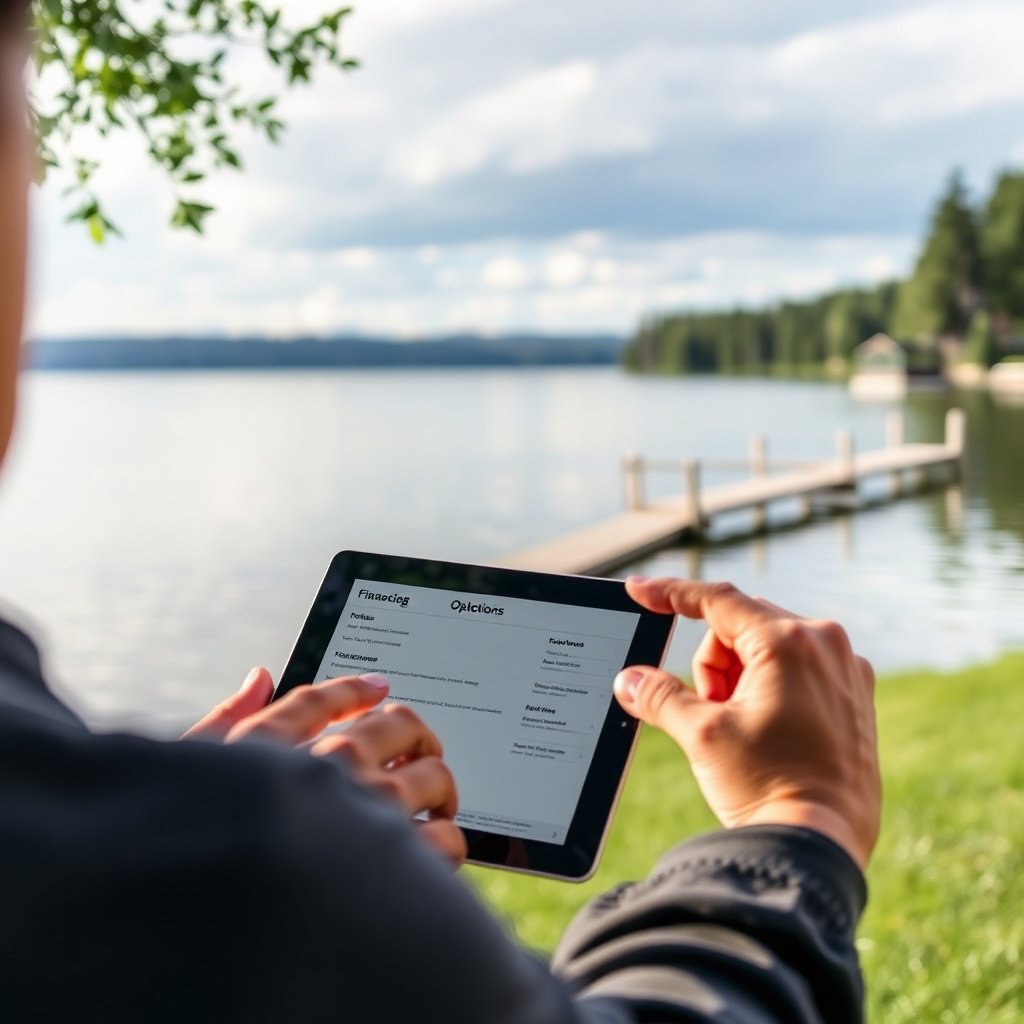
Local Government Grants and Assistance
Certain coastal or lakeside municipalities offer grants or low-interest loans for docks to encourage waterfront development. Check eligibility criteria with your local government or housing authority.
While funds may be limited and competitive, this option can significantly reduce your out-of-pocket costs if available.
- Check local government programs
- Potential low-interest or no-interest loans
- Competitive application process
Private Financing and Contractor Payment Plans
Some dock builders offer in-house financing or payment plans allowing you to pay in installments directly to the contractor. These can be more flexible but often carry higher interest rates.
Negotiate terms upfront and confirm payment schedules to avoid surprises during construction.
- In-house builder financing options
- Flexible payment schedules
- Potentially higher rates
Tips to Manage Your Boat Dock Loan Effectively

Budgeting and Loan Repayment Strategy
Create a realistic budget including loan payments, maintenance, and insurance costs for the dock. Consistent repayment helps protect your credit score and property investment.
Consider making extra payments when possible to reduce loan principal faster and save interest over time.
- Include all dock-related expenses
- Make on-time payments
- Make extra principal payments when able
For additional insights on boat dock construction and related financing matters, this article on boat dock facilities provides practical background. boat dock financing overview.
Handling Delays and Unexpected Costs
Unexpected expenses or project delays can strain your budget. Maintain a contingency fund to cover overruns without missing loan payments.
Communicate with your lender proactively if payment difficulties arise to explore temporary solutions.
- Set aside contingency funds
- Keep lender informed of issues
- Explore hardship provisions if needed
Boat Dock Loan Options Comparison
Here's a comparison of popular loan types to finance your boat dock based on key factors like interest rates, loan amount, and risk.
| Loan Type | Typical Interest Rate | Loan Amount Range | Repayment Term | Collateral Required |
|---|---|---|---|---|
| Home Equity Loan | 4%-7% APR | $10,000-$250,000 | 5-15 years | Home Equity |
| Home Equity Line of Credit (HELOC) | Variable 4%-8% APR | Up to 85% home equity | 10-20 years | Home Equity |
| Personal Loan | 7%-15% APR | $5,000-$50,000 | 1-7 years | Usually Unsecured |
| Home Improvement Loan | 5%-10% APR | $10,000-$100,000 | 3-10 years | May Require Collateral |
| Builder/Contractor Financing | 8%-18% APR | Varies by contractor | Varies | None or project lien |
Frequently Asked Questions
Can I use a personal loan to finance a boat dock?
Yes, personal loans can finance boat docks but usually come with higher interest rates and smaller loan amounts compared to home equity loans.
Do I need permits before getting a loan for a boat dock?
Many lenders require proof of necessary permits and local approvals before approving a loan to ensure the project complies with regulations.
What if I don't have enough home equity to cover a boat dock loan?
In that case, personal loans, home improvement loans, or builder financing options may be suitable alternatives without relying on home equity.
How can I improve my chances of loan approval for a boat dock?
Improve your credit score, reduce debt, provide accurate cost estimates, and ensure property ownership and permits to strengthen your loan application.
Are there grants available for boat dock construction?
Some local governments may offer grants or low-interest loans for dock projects, but availability is limited and depends on location and eligibility.
Key Takeaways
- Assess your financing options including home equity and personal loans
- Prepare thorough documentation including permits and cost estimates
- Compare lenders and loan terms carefully to find the best fit
- Manage repayment responsibly and plan for unexpected costs
Conclusion
Getting a loan for a boat dock is a practical option for spreading the cost of enhancing your waterfront property. Focus first on identifying the loan type that matches your financial profile—whether a home equity loan, personal loan, or specialized home improvement financing. Understanding the requirements lenders have, such as creditworthiness, property ownership, and permits, makes the process smoother and increases your chances of approval. Thoughtful preparation and research will help you select reasonable loan terms with manageable payments that align with your budget.
For homeowners with sufficient equity, home equity loans or HELOCs usually provide the best interest rates and flexibility for boat dock financing. If you lack equity, personal loans or builder financing may be more accessible but often at higher costs. Exploring local government programs can sometimes yield grants or favorable loan conditions that reduce financial burdens. Comparing options side-by-side ensures you choose the ideal route whether prioritizing low rates, repayment length, or ease of approval.
Once you secure financing, stick to a strict budget that incorporates loan repayments plus dock upkeep costs. Reserving a contingency fund for unexpected expenses protects your investment and credit standing. Stay in communication with your lender if circumstances change. Taking these steps will not only get your boat dock project funded but also make the financial experience straightforward and manageable—all key to enjoying your new dock confidently.