What Is the Average Closing Cost? A Detailed Homebuyer’s Guide
The average closing cost for homebuyers typically falls between 2% and 5% of the home's purchase price. These costs include fees for loan processing, title insurance, appraisal, and other services necessary to complete a real estate transaction. Knowing this percentage helps buyers budget accurately for finalizing their home purchase.
Understanding closing costs is important because they can add thousands to your upfront expenses beyond the down payment. These fees reflect payments to third parties involved in your transaction and vary based on location, lender, and the property's characteristics. Awareness of average closing costs allows you to compare offers and avoid surprises.
This article explores the components of closing costs, factors affecting their amounts, how to estimate them, and tips for reducing or negotiating fees. Alongside the average closing cost figures, we will review the most common charges and how buyers can prepare financially for the purchase process.
Breaking Down Common Closing Cost Components
Loan-Related Fees
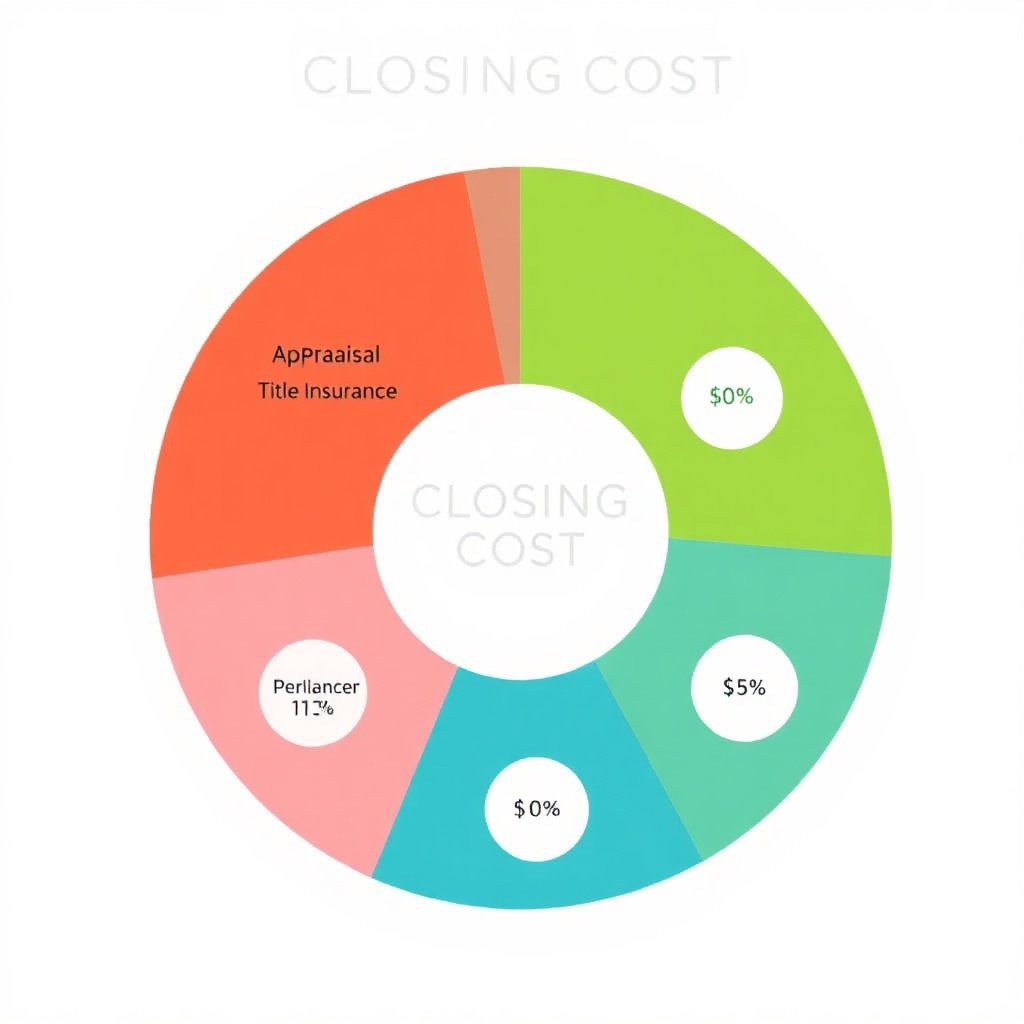
Loan-related fees usually comprise a significant portion of closing costs. These include origination fees, which lenders charge to process your application, typically about 0.5% to 1% of the loan amount.
Other charges under this category include underwriting fees, credit report fees, and points you might pay to reduce the mortgage interest rate.
- Loan origination fee (0.5%-1% of loan)
- Underwriting fee
- Credit report fee
- Mortgage points
Title and Escrow Fees
Title insurance protects buyers and lenders against disputes over property ownership. The cost depends on your state and the sale price but is usually a few hundred to over a thousand dollars.
Escrow fees cover handling and distributing funds during the transaction. They vary by company and can be split between buyer and seller or paid by one party.
- Owner's title insurance
- Lender's title insurance
- Escrow or settlement fees
Regional Variations in the Average Closing Cost

High-Cost Areas
In states like New York and California, closing costs tend to be higher because of additional taxes, fees, and generally higher property prices. These costs can easily reach or exceed 5% of the purchase price in expensive markets.
Local regulations and higher title or recording fees contribute to these elevated closing expenses, making accurate budgeting essential when buying in these regions.
For more on this, see our related guide: Average Closing Cost in Missouri: What Homebuyers Should Expect.
More Affordable Regions
In many southern and midwestern states, the average closing cost often falls closer to 2% or less of the home price. These areas typically have lower transfer taxes and fees, reducing the total closing cost burden on buyers.
Understanding the impact of regional differences helps buyers prepare realistic estimates for closing and supports smoother financial planning.
How to Calculate Your Estimated Closing Costs
Using Simple Percentage Estimates
The fastest way to estimate closing costs is to apply a percentage range, commonly 2% to 5%, to your home’s sale price. For example, a $300,000 home might have closing costs between $6,000 and $15,000.
This approach gives a ballpark figure helpful for budgeting but lacks precision since individual factors can vary widely.
Getting a Loan Estimate
Once you apply for a mortgage, your lender must provide a Loan Estimate form detailing expected closing costs. This personalized estimate reflects your specific loan and location, offering more accuracy.
Reviewing this document early in the process allows you to spot unusually high fees and ask questions or negotiate where possible.
Ways to Reduce or Negotiate Closing Costs

Asking the Seller to Cover Fees
In some markets, buyers can negotiate for sellers to pay part or all of the closing costs through seller concessions. This strategy effectively reduces upfront expenses for the buyer.
However, sellers may increase the sale price to offset this, so consider whether this trade-off improves your financial position.
For more on this, see our related guide: How Much Does It Cost to Sell a House? A Detailed Cost Breakdown.
Shopping Around for Services
Because some closing costs come from third-party providers like title companies or appraisers, buyers can request quotes to identify lower-cost options.
Switching service providers or choosing no-cost mortgage options from lenders can also help trim closing cost totals.
Understanding Closing Costs in the Context of Home Buying Fees
Closing Costs vs. Down Payment
While the down payment is a direct portion of the home’s price paid upfront, closing costs cover the associated fees required to finalize the sale. Both are necessary but represent different financial obligations.
Buyers must budget for closing costs separately from the down payment to avoid last-minute financial surprises.
For a comprehensive overview including various closing cost elements, consult the detailed closing cost information on Wikipedia. closing cost information on Wikipedia.
Inspection and Appraisal Fees
Home inspections and appraisals are often part of total home buying fees but may or may not be included in closing costs depending on how the transaction is structured.
Understanding what is bundled with closing costs versus what is paid upfront to inspectors or appraisers helps clarify your overall cash needed.
Closing Cost Category Comparison
Here’s a table comparing typical closing cost categories, their average cost range, and who usually pays them.
| Category | Typical Cost Range | Paid By | Notes |
|---|---|---|---|
| Loan Origination Fee | 0.5% – 1% of loan | Buyer | Charged by lender for processing |
| Title Insurance | $500 – $1,500 | Buyer/Seller varies | Protects against title defects |
| Escrow Fees | $300 – $700 | Buyer and Seller | Covers fund disbursement |
| Appraisal Fee | $300 – $500 | Buyer | Required by lender |
| Recording Fees | $50 – $250 | Buyer | Charged by local government |
| Transfer Taxes | Varies by state | Seller usually | Taxes on property transfer |
Frequently Asked Questions
What does closing cost include when buying a house?
Closing costs include fees such as loan origination, title insurance, appraisal, escrow fees, recording fees, and any taxes due upon property transfer.
Can closing costs be negotiated?
Yes, buyers can sometimes negotiate for sellers to cover part or all closing costs or shop for lower-cost service providers to reduce fees.
Are closing costs tax deductible?
Some closing costs related to mortgage interest or property taxes may be deductible, but most fees like title insurance and appraisal are not tax deductible.
When do I pay closing costs?
Closing costs are typically paid at the home closing, either from your funds or rolled into your mortgage in specific cases.
Do closing costs vary by state?
Yes, closing costs vary due to local taxes, fees, and laws, causing higher average costs in some states compared to others.
Key Takeaways
- Average closing cost ranges from 2% to 5% of the home purchase price.
- Loan-related fees and title insurance are primary closing cost components.
- Closing costs vary significantly by region and property price.
- Negotiation and shopping around can help reduce closing fees.
Conclusion
When planning to buy a home, understanding the average closing cost and its components is essential for sound budgeting. Since closing costs represent an additional expense aside from your down payment, anticipating these fees can prevent last-minute financial stress. Breaking down the fees and knowing how they vary by location and lender can guide you in evaluating offers and preparing financially for homeownership. This awareness helps maintain control over your overall purchase costs and supports better decision-making.
Buyers targeting higher-priced markets or regions like California and New York should allocate more funds for closing costs, sometimes reaching 5% or more of the purchase price. In contrast, buyers in lower-cost states might expect closing fees closer to 2%. For those looking to minimize closing costs, negotiating seller concessions or comparing title and escrow providers can result in meaningful savings. Additionally, obtaining a Loan Estimate early in the process confirms which fees apply to your specific loan scenario, enhancing transparency.
Ultimately, carefully calculating closing costs within the context of all home buying fees empowers you to avoid surprises and approach your investment with confidence. Start by researching typical fees in your area, request detailed estimates from lenders, and consider strategies to reduce expenses where possible. This thoughtful preparation ensures a smoother closing experience and strengthens your financial footing as a new homeowner.