How to Insure a Lake House: Essential Tips for Waterfront Property Protection
Insuring a lake house requires specialized coverage that addresses unique risks such as flooding, water damage, and storms that typical homeowners insurance may not fully cover. The main step to insure a lake house is to obtain a policy that includes protection for these waterfront-specific hazards along with liability coverage for potential accidents on your property.
Waterfront properties face particular challenges compared to standard homes, including increased risk of flooding, watercraft-related incidents, and erosion damage. This makes a lake house insurance policy more nuanced, as insurers often require additional endorsements or separate flood insurance. Understanding the right type and level of coverage matters to avoid costly out-of-pocket expenses if damage occurs.
This article explores the key aspects of insuring a lake house, including the types of coverage you need, how to evaluate risk, selecting the right insurer, and typical costs. You’ll also find a detailed comparison of insurance options for waterfront homes and answers to frequently asked questions to guide your purchase.
Understanding the Unique Risks of Lake House Insurance
Flood and Water Damage Risks Specific to Lake Houses
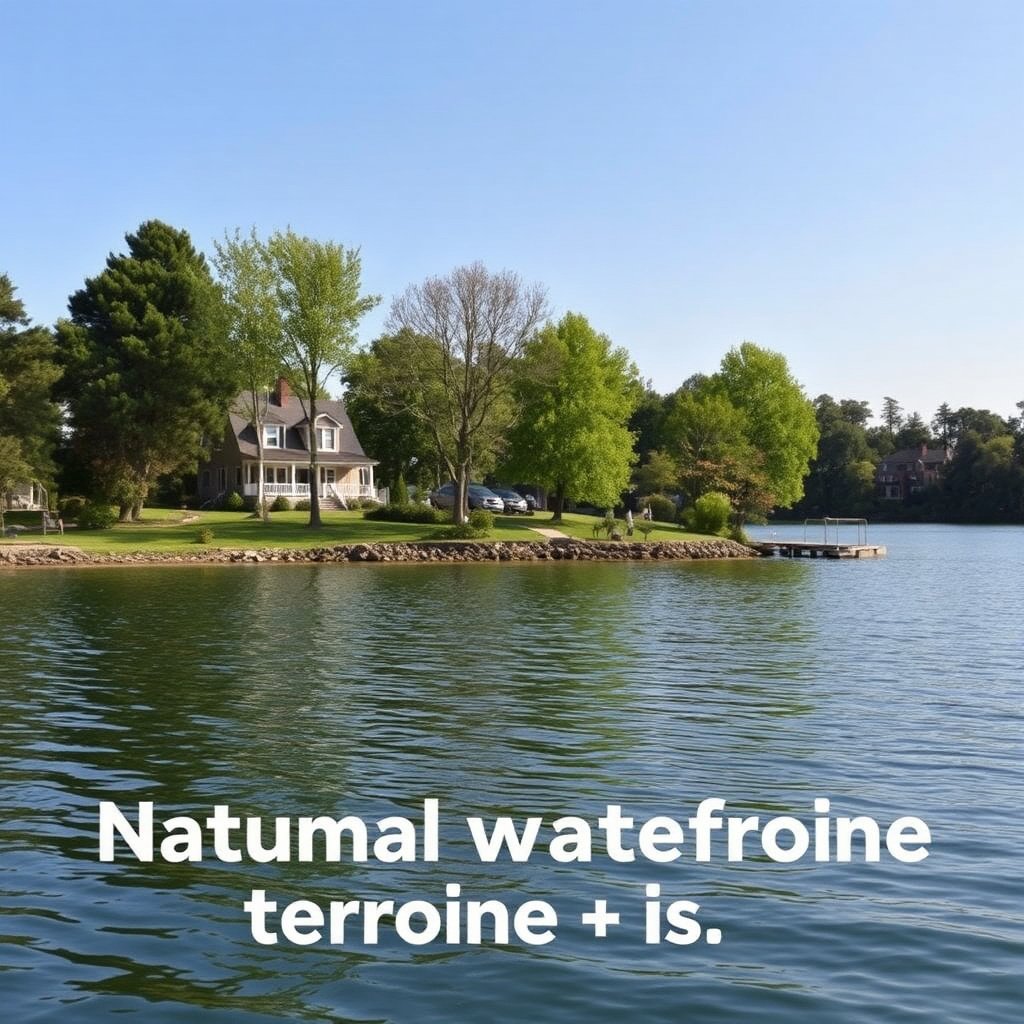
Lake houses are particularly vulnerable to flooding, which standard homeowners insurance typically excludes. Flooding can result from heavy rains, rising lake levels, or sudden storms. Water damage also includes risks from wave action, seepage, and erosion, all amplified by proximity to water.
It's essential to recognize that flood damage requires separate flood insurance through the National Flood Insurance Program or private insurers. Without this, claims for flood-related damage will likely be denied, leaving the homeowner financially exposed.
Liability Concerns and Accidents on Waterfront Property
Waterfront properties bring increased liability concerns due to docks, boats, swimming areas, and slippery surfaces. Injuries from slips, falls, or boating accidents can lead to costly legal claims if your homeowner’s policy lacks adequate liability coverage.
Many lake house insurance policies offer specialized liability endorsements or umbrella policies that expand protection. Homeowners should verify that their liability limits reflect the higher risks associated with lake properties.
Key Coverage Types for Insuring a Lake House
Dwelling and Personal Property Coverage
Dwelling coverage protects the physical structure of the lake house against perils like fire, wind, and storm damage. Personal property coverage insures belongings including furniture and recreational watercraft stored on the property.
Due to the waterfront location, insurers may set dwelling coverage limits based on rebuild costs that factor in specialized construction to withstand moisture and weather exposure.
Flood Insurance and Additional Endorsements
Flood insurance must be purchased separately to cover water damage from flooding events. Coverage limits, deductibles, and waiting periods differ under flood policies, so timing your purchase ahead of flood season is vital.
Other valuable endorsements for lake houses include watercraft liability, sewer backup coverage, and extended replacement cost, which provide extra protection tailored to waterfront property risks.
- Flood insurance required separately
- Watercraft liability endorsement
- Sewer backup coverage option
- Extended replacement cost coverage
Choosing the Right Insurance Provider for Your Lake House

Specialist Insurers vs. Standard Homeowners Insurance
Many standard homeowners insurance companies offer limited coverage or exclude waterfront property risks. Specialists in waterfront or second home insurance understand the nuances and offer more comprehensive packages.
Comparing specialist insurers with general providers allows buyers to weigh premium costs, coverage options, and claims service tailored to lake houses, ensuring better protection overall.
For more on this, see our related guide: How Much Does It Cost to Insure a Lake House? A Detailed Guide.
Evaluating Insurer Reputation and Claim Service
Beyond policy features, the insurer’s reputation for prompt, fair claims handling especially in storm-prone areas is critical. Checking customer reviews, financial ratings, and responsiveness helps identify reliable providers.
Work with agents who have experience insuring waterfront properties. Their guidance ensures you don’t overlook key policy gaps or optional endorsements necessary for your lake house.
Cost Factors and Saving Tips for Lake House Insurance

What Influences Premiums on Lake House Insurance?
Premiums depend on factors such as location, proximity to water, house construction materials, and claims history. Waterfront homes in flood zones or hurricane-prone areas command higher rates.
The value of personal property including boats or watercraft and the level of liability coverage also impact cost. Seasonal occupancy and security features can provide discounts.
Ways to Reduce Insurance Costs Without Sacrificing Coverage
Installing well-maintained security systems, reinforcing structures for wind resistance, and elevating utilities reduce both risk and premiums. Bundling lake house and primary home policies can also lower expenses.
Shopping around annually and increasing deductibles where affordable helps manage premium increases. Avoiding previous claims and maintaining landscaping to minimize erosion contributes to better pricing.
- Install security and wind-resistant features
- Bundle policies with the same insurer
- Increase deductibles cautiously
- Maintain erosion control landscaping
Managing Claims and Documentation for Lake House Insurance

Steps to Take After Damage Occurs
Immediately document damage with photos and detailed notes. Contact your insurer promptly to report the claim and provide necessary information. Professional inspections may be required for water-related damage.
Preserve damaged property if possible and keep receipts for emergency repairs. Early communication with your insurer expedites the claims process and helps recover costs more quickly.
For more on this, see our related guide: How to Get a Construction Loan for a Lake House: A Step-by-Step Guide.
Maintaining Records to Support Future Claims
Keep updated inventories of valuables and watercraft along with purchase receipts. Store copies of insurance policies and correspondence in a secure, accessible location.
Regularly review and update your coverage to reflect improvements or purchases at the lake house. This preparation minimizes disputes and claim denials when incidents arise.
- Photo inventory of possessions
- Receipts for high-value items
- Copies of policy documents
- Updated coverage reviews
Understanding Legal and Environmental Considerations

Local Laws Affecting Lake House Insurance
Local zoning rules and ordinances may mandate specific building standards and insurance requirements for lake houses. Familiarity with these regulations ensures compliance and avoids coverage issues.
Some jurisdictions require proof of flood insurance, while others regulate dock construction or watercraft use. Adhering to these rules helps maintain eligibility for insurance benefits.
For comprehensive details on flood insurance options for lake houses, referring to the National Flood Insurance Program is highly advisable. National Flood Insurance Program.
Environmental Impact and Its Insurance Implications
Environmental factors such as erosion, water contamination risks, and habitat preservation can affect insurance costs and coverage options. Properties near protected wetlands may have restrictions influencing rebuild options.
Understanding how environmental assessments affect your lake house’s insurance can guide mitigation efforts and reduce risks associated with natural changes around the waterfront.
Lake House Insurance Coverage Comparison
Here’s a comparison of common lake house insurance coverage categories, highlighting their key features to help you decide which suits your needs best.
| Coverage Type | Included Risks | Typical Cost Range | Best For |
|---|---|---|---|
| Basic Homeowners Policy | Fire, wind, theft (excludes flood) | $800–$1,500 annually | Inland lake houses with low flood risk |
| Homeowners Policy + Flood Insurance | Standard perils + flood damage | $1,200–$2,500 annually | Most waterfront properties requiring flood protection |
| Specialized Waterfront Insurance | Includes watercraft liability, erosion | $2,000–$4,000 annually | Properties with docks and boats |
| Umbrella Liability Policy | Expanded liability limits | $300–$600 annually | High-value properties with frequent visitors |
| Seasonal/Secondary Home Policy | Coverage during occupancy periods | $600–$1,200 annually | Vacation lake houses not year-round occupied |
Frequently Asked Questions
Does homeowners insurance cover flood damage to a lake house?
No, most standard homeowners insurance policies exclude flood damage. To cover floods, you must purchase a separate flood insurance policy, typically through the National Flood Insurance Program or private insurers.
What additional liability risks do lake houses have?
Lake houses face liability risks from slip-and-fall accidents on docks, boating incidents, and swimming pool hazards. Specialized liability coverage or umbrella policies are recommended to protect against costly lawsuits.
How can I reduce my lake house insurance premiums?
Premiums can be lowered by installing security systems, reinforcing the house against storms, bundling insurance policies, increasing deductibles, and maintaining proper landscaping to prevent erosion.
Is flood insurance mandatory for all lake houses?
Flood insurance is mandatory only if your property is in a federally designated flood zone and you have a mortgage from a federally regulated lender. Otherwise, it is optional but highly recommended.
What should I document to support a lake house insurance claim?
You should take photos of all damages, keep detailed notes, save receipts for repairs or replacements, and provide copies of your insurance policy when filing a claim.
Key Takeaways
- Lake house insurance requires specialized flood and liability coverage beyond standard policies.
- Separate flood insurance and watercraft liability endorsements are common necessities.
- Premiums vary widely based on location, property features, and coverage levels.
- Proper documentation and insurer choice are critical for smooth claim processing.
Conclusion
Choosing the right insurance for your lake house involves understanding the specific risks that come with waterfront living, such as flood damage, liability from water activities, and potential environmental impacts. Since most standard homeowners policies exclude flood coverage, securing separate flood insurance is a fundamental step to protect your investment. Evaluating available coverage types, from basic policies to specialized waterfront insurance, helps you determine the adequate level of protection given the unique characteristics of your lake house and its location.
For lake house owners, flooding risk and liability exposure are paramount considerations. Properties located in flood zones should prioritize flood insurance from the National Flood Insurance Program or reputable private insurers. Additionally, if you have boats or docks, opting for watercraft liability and umbrella policies can provide peace of mind in case of accidents. Seasonal or secondary home policies better suit properties not occupied year-round, potentially reducing premiums while maintaining protection during your visits. Reviewing your insurer’s reputation and claims service quality ensures responsive and fair handling when incidents occur.
As a next step, gather detailed information about your lake house’s location, structural features, and typical use. Consult experienced agents specializing in waterfront property insurance to tailor a policy that reflects your needs and risk tolerance. Regularly updating your coverage keeps pace with environmental or property changes, securing your lakeside retreat for years to come.