How to Insure a Vacation Home: A Complete Guide for Homeowners
Insuring a vacation home involves selecting the appropriate policy that protects the property from risks like fire, theft, and liability while addressing unique factors such as seasonal use and rental activity. A typical homeowners insurance policy won’t always suffice, so a specialized vacation home insurance plan is necessary to safeguard your investment effectively.
Vacation homes face different challenges than primary residences, including longer periods of vacancy, exposure to weather extremes, and sometimes rental to short-term tenants. These variables influence the type and cost of insurance you need, making it essential to carefully evaluate your property’s location, usage, and value before choosing coverage.
This article explains the key aspects of vacation home insurance, detailing the various policy options, necessary endorsements, and tips to manage premiums. We’ll also compare insurance products, outline important considerations when you rent your vacation home, and answer frequently asked questions to help you protect your getaway property confidently.
Understanding Vacation Home Insurance Basics
What Makes Vacation Home Insurance Different
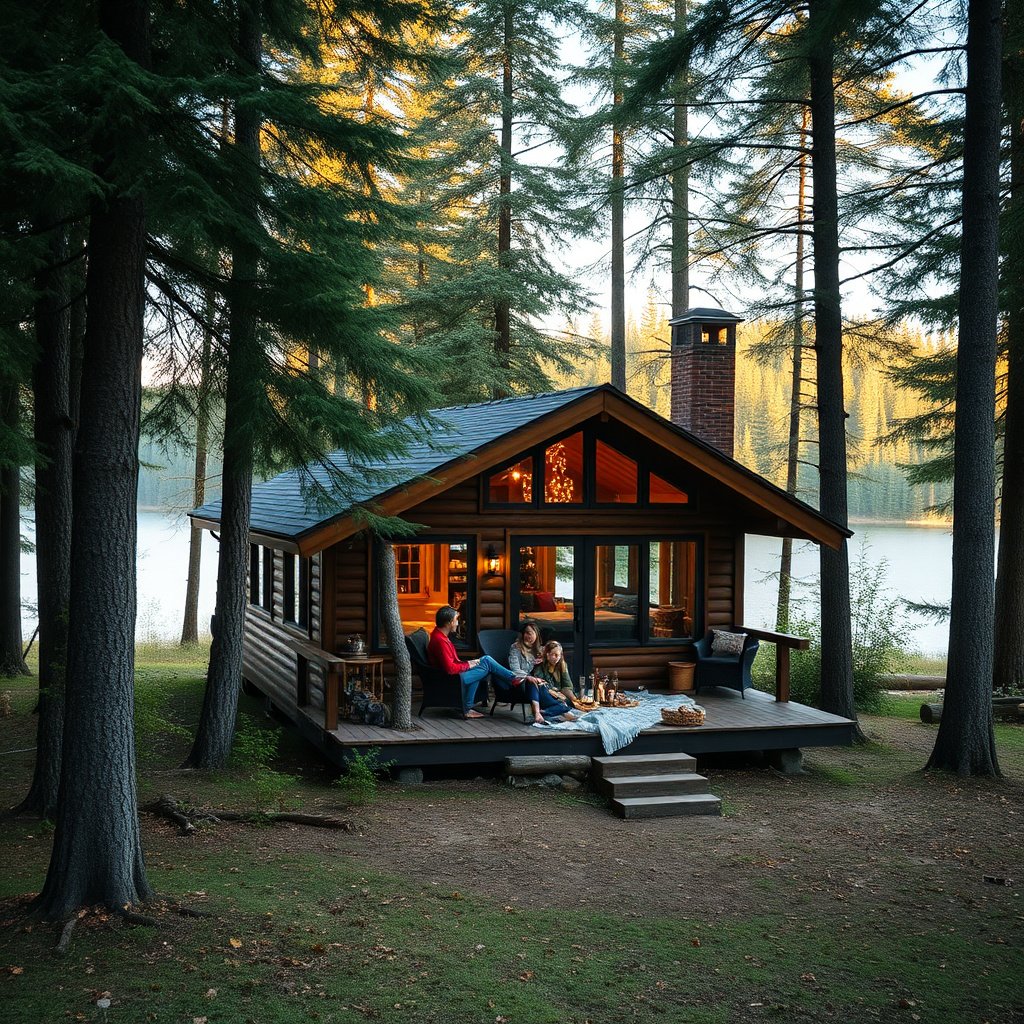
Vacation home insurance policies differ from standard homeowner’s insurance primarily because these properties are not primary residences and often remain unoccupied for long periods. Insurers typically require specific coverage to address risks like vandalism, frozen pipes, and liability during transient stays.
Since vacation homes are sometimes rented out short-term, insurers may impose stricter conditions or offer supplemental endorsements that cover rental activities and additional liability. Understanding the unique risk profile of a secondary residence is essential to choosing appropriate coverage.
Types of Coverage Included in a Typical Policy
Standard vacation home insurance usually includes dwelling protection for the structure, personal property coverage, liability protection, and loss of use coverage. Additional options might cover risks such as flood or earthquake, which aren’t normally included but can be critical depending on the property's location.
Liability coverage protects you against injury or property damage claims made by guests or third parties. Loss of use reimburses expenses if your vacation home becomes uninhabitable due to a covered loss. It's vital to verify these components in your policy to ensure comprehensive protection.
Choosing the Right Vacation Home Insurance Policy

Evaluating Your Property and Risks
Assess your vacation home’s location, typical weather patterns, and likelihood of natural disasters to identify relevant risks. Properties in hurricane-prone coastal areas or flood plains often require specialized endorsements or separate policies to cover perils not included in standard plans.
Also consider how often the home is occupied and if you plan to rent it out. Seasonal vacancy can increase the risk of damage and theft, which may cause insurers to charge higher premiums or impose stricter conditions.
- Evaluate local natural disaster risk
- Consider occupancy patterns
- Factor in rental plans
Comparing Insurance Providers and Policies
Prices and coverage can vary significantly between insurance companies, so it’s advisable to obtain multiple quotes. Look for companies experienced with vacation home insurance, positive customer reviews, and flexible policy terms that accommodate your property's specific needs.
Be careful to compare coverage limits, exclusions, deductibles, and add-ons like equipment breakdown or identity theft protection. Also, confirm whether the policy covers personal belongings on-site or requires separate riders.
- Obtain several quotes
- Check insurer reputation
- Review policy inclusions and exclusions
Handling Vacation Home Rental Insurance

Protecting Your Property During Rentals
If you rent your vacation home short-term, standard insurance may not cover damages or liability arising from tenant use. You typically need a landlord or short-term rental endorsement to address this gap, covering property damage caused by tenants and liability for guest injuries.
Some insurers offer specialized policies tailored for vacation rentals, including coverage for lost rental income, guest injuries, and property damage. Understanding the scope and limits of such coverage can prevent unexpected out-of-pocket expenses.
For more on this, see our related guide: How to Buy a Vacation Home at the Lake: A Practical Guide.
Legal and Liability Considerations
Vacation home owners renting their property face potential legal liabilities related to guests, such as accidents on the premises. Insurance policies must provide sufficient liability coverage amount to protect your assets if a lawsuit arises.
Additionally, many local jurisdictions require homeowners to maintain minimum insurance levels and adhere to safety regulations. Combining appropriate insurance with proper risk management practices like inspections and guest agreements enhances protection.
Managing Costs and Premiums for Vacation Home Insurance

Factors Affecting Vacation Home Insurance Premiums
Premiums are influenced by factors including the home’s location, age, construction type, security systems, and proximity to fire services. Homes in high-risk areas, or with older construction and outdated wiring, generally command higher insurance costs.
Your claims history and credit score can also impact rates. Additionally, seasonal vacancy typically increases rates since unoccupied homes face elevated risks for damage and theft.
- Location and natural disaster risk
- Property condition and age
- Security features and occupancy
Tips to Lower Insurance Costs
Installing security systems, fire alarms, and monitored smoke detectors can lower premiums. Some insurers offer discounts for homes with automatic sprinkler systems or for bundling with other policies like auto insurance.
Maintaining regular inspections and promptly addressing repairs reduces claim likelihood. Choosing higher deductibles and limiting coverage on less critical items can also help manage premium expenses while maintaining adequate protection.
- Install security and safety devices
- Bundle insurance policies
- Opt for higher deductibles
Additional Coverage and Endorsements to Consider
Natural Disaster Insurance Options
Many vacation homes are located in areas prone to floods, earthquakes, or hurricanes, perils often excluded from standard policies. Purchasing separate flood or earthquake insurance policies or endorsements can provide coverage for these events.
Because such policies may require separate applications and waiting periods, plan ahead to avoid coverage gaps. Review hazard maps for your property’s area to determine necessary disaster insurance.
For more on this, see our related guide: Is a Lake House a Second Home? Understanding the Classification and Implications.
Additional Personal Property and Liability Coverage
If your vacation home contains high-value items like art, jewelry, or expensive equipment, consider adding scheduled personal property coverage to protect beyond standard limits. Liability limits may also need enhancement depending on guest frequency and property size.
An umbrella liability policy adds extra protection beyond your vacation home insurance’s liability limits, useful if you host large groups or rent extensively.
Steps to File a Vacation Home Insurance Claim

Documentation and Reporting Process
In case of damage or loss, promptly document the incident with photos and detailed inventory of affected items. Report the claim to your insurer as soon as possible, providing all necessary information and supporting documents.
Timely reporting and thorough documentation speed up claim processing and improve chances of full reimbursement under your vacation home insurance policy.
- Photograph all damage
- Prepare detailed inventory
- Notify insurer immediately
For more detailed insights on vacation home insurance options, visit the Insurance Information Institute's guide. Vacation home insurance information from the Insurance Information Institute.
Understanding Claim Settlement and Payouts
After receiving your claim, insurers typically send an adjuster to assess the damage. Review the settlement offer carefully, and if needed, provide additional evidence or dispute discrepancies to secure fair compensation.
Be aware of policy limits and deductibles that affect the payout amount. Keeping copies of all correspondence with the insurer safeguards your rights during the claim process.
Vacation Home Insurance Policy Type Comparison
Here’s a comparison of major vacation home insurance policy types, highlighting their features and suitability for different situations.
| Policy Type | Coverage Scope | Best For | Average Cost |
|---|---|---|---|
| Standard Vacation Home Policy | Dwelling, personal property, liability, loss of use | Non-rental second homes in low-risk areas | $800 – $1,500/year |
| Landlord Policy (DP-3) | Covers rental damage, liability for tenants, dwelling protection | Investment vacation homes rented to long-term tenants | $1,000 – $2,000/year |
| Short-Term Rental Endorsement | Adds coverage for short-term rentals & guest liability | Vacation homes rented on platforms like Airbnb | $1,200 – $2,500/year |
| Flood Insurance | Covers flood damage not covered by standard policies | Flood-prone vacation properties | $500 – $1,200/year |
| Earthquake Insurance | Protects against earthquake damage exclusions | Homes in seismic zones | $700 – $1,500/year |
| Umbrella Policy | Additional liability coverage above underlying policies | Owners requiring extra liability protection | $300 – $600/year |
Frequently Asked Questions
Can I use my primary homeowners insurance for a vacation home?
Primary homeowners insurance usually does not cover vacation homes adequately due to different use and increased vacancy risk. Specialized vacation home insurance policies provide better protection tailored to secondary properties.
What if I rent my vacation home occasionally?
If you rent your vacation home, your insurer may require a landlord policy or rental endorsement to cover tenant-caused damages and additional liability. Verify your policy’s terms to avoid coverage gaps when renting.
Are natural disasters like floods covered in vacation home insurance?
Standard vacation home insurance policies generally exclude floods and earthquakes. Separate flood or earthquake insurance policies are necessary if your property is at risk of these natural disasters.
How can I reduce my vacation home insurance premiums?
Improving home security, installing smoke detectors, bundling policies, choosing higher deductibles, and regular maintenance can help lower insurance premiums for your vacation home.
Does insurance cover personal belongings in a vacation home?
Most vacation home insurance policies cover personal property on-site, but coverage limits can be low. High-value items often require additional scheduled personal property endorsements.
Key Takeaways
- Vacation home insurance addresses unique risks like prolonged vacancy and rental use.
- Compare policies carefully to get the right coverage for your property’s location and use.
- Special endorsements may be needed for natural disasters and short-term rentals.
- Cost-saving measures include security upgrades and policy bundling.
Conclusion
Safeguarding a vacation home requires understanding the distinct challenges linked to secondary residences, such as irregular occupancy and exposure to specific risks. Evaluating your property’s location, condition, and whether it will be rented helps determine the insurance policy suited to your circumstances. Balancing sufficient coverage with cost considerations will protect your investment effectively while preventing surprise gaps in protection.
If your vacation home is mostly for private use without rentals, a standard vacation home insurance policy, with endorsements for local hazards like floods or earthquakes, often meets your needs. For those renting short-term, incorporating landlord policies or rental endorsements ensures tenant-related damages and liabilities are covered. Combining these with umbrella liability insurance might make sense if you expect frequent guests or high liability exposure.
Next steps include shopping around for quotes from insurers familiar with vacation home coverage and reading policy details carefully. Installing safety features and keeping maintenance up to date can help manage premiums. Prioritize choosing a comprehensive policy tailored to your vacation home’s specific risks and usage to enjoy peace of mind whether you’re on the property or away.